
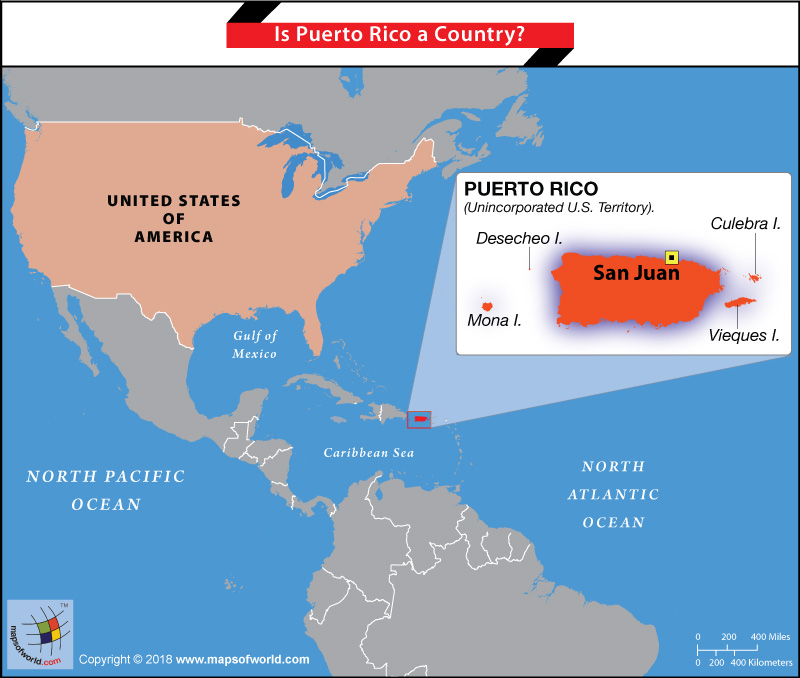
Yes, Puerto Rico is indeed an unincorporated territory of the United States. This unique political status shapes every facet of the island, from its economy and governance to the daily lives of its residents and the experience of every visitor. Often referred to as a “Commonwealth,” Puerto Rico occupies a fascinating position, blending distinct Caribbean culture with elements of American influence. For travelers, this means an exotic destination that offers a surprising degree of familiarity and convenience, particularly for U.S. citizens.
Understanding Puerto Rico’s status is key to appreciating its vibrant identity and planning an unforgettable trip. It’s a place where you can use the U.S. dollar, communicate in English (though Spanish is the primary language), and move freely without a passport if you’re a U.S. citizen, all while discovering a rich historical tapestry, breathtaking natural beauty, and a captivating local lifestyle. This article delves into what it means for Puerto Rico to be a U.S. territory and how this status translates into a remarkable travel destination, offering everything from luxury resorts to authentic cultural immersion.

Understanding Puerto Rico’s Unique Commonwealth Status
The relationship between Puerto Rico and the United States is a complex and often debated topic, but its current designation as an unincorporated territory, or Commonwealth, is firmly established. This status profoundly impacts its economic landscape, its legal framework, and the daily experiences of its 3.2 million residents.
A Legacy of History and Current Realities
The story of Puerto Rico’s connection to the United States dates back to 1898 when, as a result of the Spanish-American War, Spain ceded the island to the U.S. under the Treaty of Paris. Over the subsequent decades, its relationship with the mainland evolved through various legislative acts. The Foraker Act of 1900 established a civilian government, and crucially, the Jones-Shafroth Act of 1917 granted U.S. citizenship to Puerto Ricans.
Despite being U.S. citizens, residents of Puerto Rico do not have full voting representation in the U.S. Congress, nor can they vote in U.S. presidential elections. They do, however, elect a Resident Commissioner who can speak on the House floor but cannot vote on legislation. While Puerto Rico is subject to most federal laws, it manages its own internal affairs and has its own constitution, enacted in 1952. This blend of self-governance under U.S. sovereignty defines its “Commonwealth” status, creating a unique political and legal environment. Federal services like the U.S. Postal Service and federal courts operate on the island, underscoring the deep integration despite the political differences.
The Impact on Residents and Travelers
For residents, the implications are significant. They pay federal taxes like Social Security and Medicare, but generally not federal income tax on income earned in Puerto Rico. This unique tax status has, at times, attracted investment and expatriates to the island. For travelers, especially those from the continental United States, the territorial status translates into a remarkably seamless travel experience.
The use of the U.S. dollar eliminates the need for currency exchange, making budgeting and transactions straightforward. The ease of communication, with English widely spoken in tourist areas and among younger generations, removes potential language barriers. Perhaps most appealing is the travel convenience: U.S. citizens do not need a passport to enter Puerto Rico, as it is considered domestic travel. This significantly simplifies logistics and broadens the appeal of Puerto Rico as an accessible international-feeling destination without the usual international travel hurdles. For visitors exploring destinations, attractions, and hotels, this familiarity provides a reassuring backdrop to an otherwise exotic and vibrant escape.
Puerto Rico: A Seamless Caribbean Getaway for U.S. Travelers
The territorial status of Puerto Rico directly translates into an unparalleled ease of travel for U.S. citizens, effectively transforming a journey to a lush Caribbean island into a domestic trip. This convenience, combined with its vibrant culture and diverse offerings, positions Puerto Rico as an ideal destination for various travel lifestyles, from luxury escapes to budget-friendly adventures.
Ease of Access and Familiarity
For travelers residing in the continental United States, visiting Puerto Rico offers a refreshing simplicity. There’s no need for passport control or customs upon arrival and departure, streamlining airport procedures and eliminating potential delays. This factor alone makes it an incredibly attractive option for spontaneous getaways or for those who prefer to avoid the complexities of international travel. Flights are readily available from major U.S. hubs, often at competitive prices, making Puerto Rico a surprisingly accessible destination.
Beyond the logistical ease, the familiarity of using the U.S. dollar means no complicated currency conversions or worrying about exchange rates. Common U.S. banking services are available, and credit cards are widely accepted, making financial transactions as simple as they are at home. Infrastructure such as roads, telecommunications, and healthcare facilities generally meet U.S. standards, contributing to a sense of comfort and security for visitors. For those considering long-term stays or even business trips, this integration provides a stable and predictable environment, easing the transition and enhancing the overall experience. Whether you’re booking a hotel suite, a resort villa, or a long-term apartment, the booking and payment processes are straightforward and familiar.
A Blend of Cultures: American Convenience Meets Puerto Rican Soul
While the American connection provides a framework of convenience, it’s the distinctive Puerto Rican culture that truly defines the island’s charm. This unique blend creates a travel experience unlike any other in the Caribbean. You’ll find familiar chain hotels and modern shopping malls alongside centuries-old Spanish colonial architecture and bustling local markets. English is widely understood, particularly in the tourism sector, yet Spanish remains the heart of daily communication, music, and social life, offering an authentic immersion into a rich linguistic heritage.
This duality extends to the lifestyle and culinary scene. You can enjoy gourmet dining experiences at world-class restaurants catering to international tastes, often found within luxury resorts or chic urban areas like Condado in San Juan. Simultaneously, you can savor traditional Puerto Rican cuisine at roadside kiosks or family-run eateries, where local flavors like mofongo, lechón, and bacalaítos reign supreme. This cultural tapestry means visitors can tailor their trip to their preferences, whether seeking familiar comforts or eager for an authentic cultural adventure, all within the convenient framework of a U.S. territory. From lively festivals to serene natural escapes, Puerto Rico offers an incredibly diverse array of experiences that cater to every kind of traveler.
Exploring the Island’s Diverse Allure: From Historic Cities to Natural Wonders
Beyond its political status, Puerto Rico beckons with an incredible diversity of landscapes, historical sites, and cultural experiences. The island is a treasure trove for tourism, offering something for every type of traveler, whether you’re interested in history, adventure, relaxation, or culinary exploration.
The Enchantment of San Juan and Colonial Heritage
The capital city, San Juan, is the vibrant heart of Puerto Rico and often the first point of entry for visitors. Its jewel is Old San Juan, a UNESCO World Heritage Site renowned for its narrow cobblestone streets, colorful colonial buildings, and formidable fortifications. Walking through Old San Juan is like stepping back in time, immersing visitors in centuries of Spanish colonial history.
Two of the most iconic landmarks are the imposing fortresses of El Morro (Castillo San Felipe del Morro) and Castillo San Cristóbal. These massive stone structures, built by the Spanish to defend the island from sea attacks, offer panoramic views of the Atlantic Ocean and provide a tangible connection to Puerto Rico’s strategic past. Other significant historical sites include La Fortaleza, the official residence of the Governor of Puerto Rico and the oldest executive mansion in continuous use in the Western Hemisphere, and the majestic Cathedral of San Juan Bautista, where the tomb of Spanish explorer Juan Ponce de León rests. Beyond the historic sites, Old San Juan offers boutique shopping, vibrant art galleries, and a lively nightlife, especially along the Paseo de la Princesa and the bustling bars of Calle del Cristo. For a taste of local culture and nightlife, a visit to La Placita de Santurce on a Friday night is a must, where the street transforms into an impromptu dance party.
Beyond the Capital: Beaches, Rainforests, and Bioluminescence
While San Juan captivates with its history, the rest of Puerto Rico unfolds into an island of incredible natural diversity. The El Yunque National Forest, the only tropical rainforest in the U.S. National Forest System, is an ecological marvel. Here, visitors can hike through lush trails, discover hidden waterfalls, and listen to the distinctive call of the coqui frog. It’s a paradise for nature lovers and adventure seekers alike.
Puerto Rico is also famed for its stunning beaches. Flamenco Beach on the offshore island of Culebra is consistently ranked among the world’s best, known for its pristine white sand and turquoise waters. On the main island, Luquillo Beach offers calm waters perfect for families, while the western town of Rincon is a surfing mecca, attracting wave riders from around the globe.
A truly magical experience awaits at Puerto Rico’s bioluminescent bays, where microscopic organisms light up the water with every movement. While there are a few, Mosquito Bay on Vieques is considered the brightest in the world, offering an unforgettable nighttime kayaking adventure. Other notable natural attractions include the Camuy River Cave Park, one of the largest cave systems in the world, and the vast natural preserve of Guanica Dry Forest. For those interested in science, the massive Arecibo Observatory (though damaged by hurricanes and decommissioned, its presence remains significant) once played a critical role in astronomical research. Even cities like Ponce, known for its unique architecture and the Serrallés Castle, offer a different perspective on the island’s rich history and culture.
Accommodation and Lifestyle: Crafting Your Ideal Puerto Rican Experience
Whether you dream of a lavish escape or an authentic local immersion, Puerto Rico’s diverse range of accommodations and lifestyle offerings caters to every preference and budget. The island’s unique status as a U.S. territory means that booking and planning are often seamless, while the distinct local culture ensures an experience that is anything but ordinary.
From Grand Resorts to Intimate Boutique Stays
Puerto Rico’s accommodation landscape is as varied as its scenery. For luxury travel, the island boasts an array of world-class resorts that offer unparalleled amenities, exquisite dining, and breathtaking views. Properties like the Dorado Beach, a Ritz-Carlton Reserve, provide exclusive experiences with private villas, dedicated butler service, and pristine golf courses. The historic Condado Vanderbilt Hotel in San Juan offers old-world glamour and direct beach access, while the Fairmont El San Juan Hotel is known for its vibrant nightlife and luxurious pool scene. Other prominent resorts include the Caribe Hilton, famous for inventing the piña colada, and the modern La Concha Renaissance San Juan Resort with its stunning oceanfront design. Further afield, the Wyndham Grand Rio Mar Puerto Rico Golf & Beach Resort near El Yunque offers a sprawling retreat for golf enthusiasts and families.
Beyond these grand establishments, Puerto Rico is also home to charming boutique hotels, particularly in Old San Juan and towns like Ponce and Rincon. These offer a more intimate and personalized experience, often reflecting the local architecture and artistic flair. For budget travel, there are numerous guesthouses, hostels, and smaller, locally-owned hotels that provide comfortable stays without breaking the bank. Vacation rentals, from beachfront apartments in Carolina to secluded villas in the hills, are also widely available, offering flexibility for families, groups, or those seeking a long-term stay experience. Whether you’re looking for suites with all the amenities or a cozy room, the options are plentiful, catering to every desire from luxury amenities to a laid-back, authentic retreat.
Immersing in Local Culture and Culinary Delights
A visit to Puerto Rico is incomplete without diving into its rich cultural tapestry and savoring its distinctive culinary landscape. Puerto Rican cuisine is a delicious fusion of Spanish, African, and Taíno influences, characterized by bold flavors and fresh ingredients. Must-try dishes include mofongo (fried plantain mash), lechón (slow-roasted pork), pasteles (meat-filled masa wrapped in banana leaves), and bacalaítos (codfish fritters). The island is also the birthplace of the piña colada, a refreshing cocktail found everywhere from beachfront bars to elegant hotel lounges. Exploring local food markets, known as placitas, like La Placita de Santurce, offers an authentic taste of daily life and culinary traditions.
The island’s culture extends beyond food to its vibrant music, dance, and arts scene. Salsa, bomba, and plena rhythms are the heartbeat of many communities, and visitors often find themselves swept up in impromptu street dances or lively festivals. Engaging with local artisans, attending a live music performance, or simply conversing with friendly locals offers invaluable insights into the Puerto Rican spirit. Tips for travelers include learning a few basic Spanish phrases, venturing beyond tourist hubs to discover hidden gems, and embracing the island’s relaxed pace of life. Whether you’re planning a family trip, a romantic getaway, or a business stay, immersing yourself in the local culture enhances the experience, transforming a simple vacation into a memorable adventure that resonates long after you’ve returned home.
In conclusion, Puerto Rico’s status as a territory of the United States offers an extraordinary blend of convenience and exotic allure. It’s a destination where the practicalities of domestic travel meet the vibrant spirit of the Caribbean, creating an accessible yet profoundly enriching experience. From the historic grandeur of Old San Juan to the mystical glow of its bioluminescent bays and the lush trails of El Yunque National Forest, Puerto Rico is an island of endless discovery. Coupled with a diverse range of accommodation options and a welcoming culture, it truly stands as an unparalleled travel gem, inviting visitors to explore its unique identity and create lasting memories.
LifeOutOfTheBox is a participant in the Amazon Services LLC Associates Program, an affiliate advertising program designed to provide a means for sites to earn advertising fees by advertising and linking to Amazon.com. Amazon, the Amazon logo, AmazonSupply, and the AmazonSupply logo are trademarks of Amazon.com, Inc. or its affiliates. As an Amazon Associate we earn affiliate commissions from qualifying purchases.