
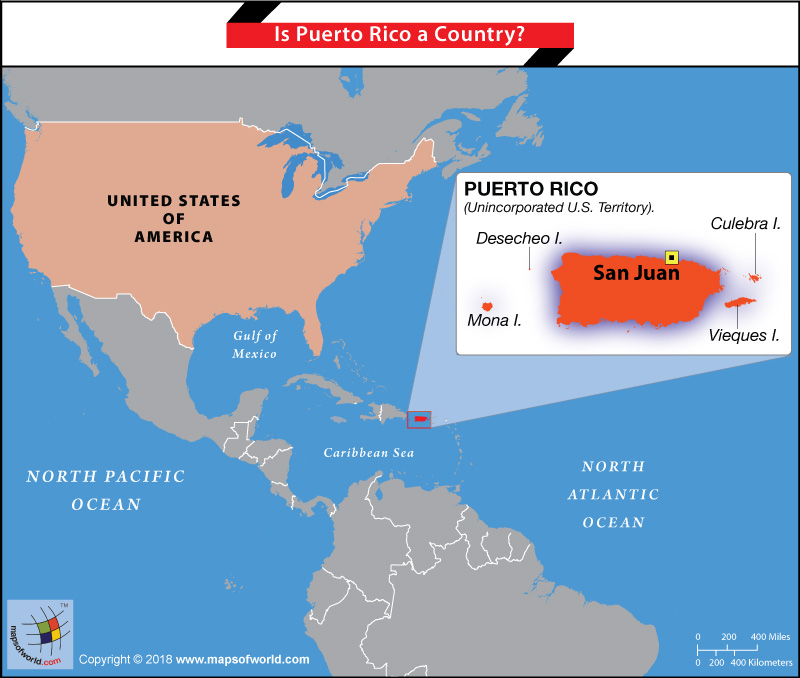
The question “Is Puerto Rico American?” often sparks debate and curiosity, particularly among travelers and those seeking to understand the unique identity of this Caribbean island. From a legal and practical standpoint, the answer is unequivocally yes: Puerto Rico is an unincorporated territory of the United States. Its residents are U.S. citizens, using the U.S. dollar as currency, and enjoy many of the benefits and responsibilities that come with this status. However, to truly grasp the essence of Puerto Rico, one must look beyond the political definitions and delve into its rich history, vibrant culture, and distinct way of life. For travelers, this unique blend offers an unparalleled experience – a chance to explore a destination that feels both familiar and wonderfully exotic, a true American gem with a distinctly Caribbean soul.
This article will navigate the complexities of Puerto Rico’s identity, exploring its historical ties to the United States, its captivating cultural landscape, and what makes it such a compelling destination for diverse travel styles, from luxury getaways to budget-friendly adventures. Whether you’re planning a family trip, a romantic escape, or a business stay, understanding Puerto Rico’s duality enhances the travel experience, revealing layers of history, gastronomy, and natural beauty that are uniquely its own.
A Tapestry of Cultures: Understanding Puerto Rico’s Identity
The core of the “Is Puerto Rico American?” question lies in its identity, which is a magnificent mosaic forged over centuries. It’s an identity that embraces its indigenous roots, its Spanish colonial heritage, a strong African influence, and, more recently, its inextricable link to the United States. This rich tapestry is what makes Puerto Rico so captivating and profoundly different from mainland America while still being a part of it.
The Historical Journey to American Ties
Puerto Rico’s journey to becoming an “American” territory began with the Spanish-American War in 1898. Prior to this, for over 400 years, the island was a colony of Spain, shaping its language, religion, and fundamental cultural framework. Following the war, Spain ceded Puerto Rico to the United States under the Treaty of Paris. This marked a pivotal shift, transitioning the island from one colonial power to another, albeit with an evolving relationship.
In 1917, the Jones-Shafroth Act granted U.S. citizenship to Puerto Ricans. This was a momentous step, allowing them the freedom to travel, live, and work anywhere in the United States without immigration hurdles. Today, Puerto Rico operates under its own constitution, adopted in 1952, establishing a commonwealth status, or “Estado Libre Asociado” (Associated Free State) in Spanish. While Puerto Ricans are U.S. citizens, they do not pay federal income tax on income earned in Puerto Rico and cannot vote in presidential elections, unless they move to one of the 50 states. However, they are subject to other federal laws and pay federal taxes such as Social Security and Medicare.
For travelers, this political status offers immense convenience. U.S. citizens do not need a passport to visit Puerto Rico, making it an accessible international-feeling destination without the usual international travel requirements. The use of the U.S. dollar, standard U.S. electrical outlets, and the familiarity of many U.S.-based services contribute to a seamless travel experience, particularly for mainland Americans.
A Rich Blend of Heritage and Influence
Despite its political ties to the United States, Puerto Rico’s cultural heart beats to a distinctly Caribbean rhythm, deeply influenced by its Taino indigenous past, centuries of Spanish rule, and the profound impact of African traditions brought by enslaved peoples.
The official languages are Spanish and English, though Spanish is by far the predominant language, spoken by the vast majority of the population. This linguistic heritage is a clear demarcation from the mainland U.S., immediately immersing visitors in a vibrant Latin atmosphere. However, English is widely understood, especially in tourist areas and by younger generations, mitigating any potential language barriers for English-speaking visitors.
Puerto Rican culture is a celebration of life, expressed through its music, dance, art, and festivals. Genres like salsa, bomba, plena, and the globally popular reggaeton all have deep roots or significant influence from the island. The arts flourish, from the colorful colonial architecture of Old San Juan to contemporary galleries showcasing local talent. This cultural richness is an integral part of the tourism experience, inviting visitors to engage with local traditions, taste authentic cuisine, and partake in the island’s infectious zest for life. The blend of influences creates a cultural identity that is strong, unique, and proudly Puerto Rican, serving as a vibrant counterpoint to its political association with the United States.
Exploring Puerto Rico: A Traveler’s American-Caribbean Dream
For those looking to explore a destination that offers both the convenience of domestic travel for U.S. citizens and the allure of an international escape, Puerto Rico is an undeniable gem. Its diverse landscapes, from sun-drenched beaches to lush rainforests, and its rich historical sites provide a wealth of attractions for every type of traveler.
Iconic Destinations and Attractions for Every Traveler
Puerto Rico is packed with destinations that cater to a wide array of interests. The capital city, San Juan, is a must-visit, especially the historic walled city of Old San Juan. This UNESCO World Heritage Site enchants visitors with its cobblestone streets, colorful colonial buildings, and magnificent fortresses like El Morro and San Cristobal. These landmarks offer a tangible link to the island’s Spanish past and its strategic importance in the Caribbean. Beyond history, San Juan boasts a vibrant nightlife, world-class museums, and an evolving culinary scene, making it a perfect starting point for any Puerto Rican adventure.
Nature lovers will find paradise in Puerto Rico’s diverse ecosystems. El Yunque National Forest, the only tropical rainforest in the U.S. National Forest System, invites exploration with its cascading waterfalls, hiking trails, and unique biodiversity. A visit here promises a refreshing escape into nature, complete with the symphony of coqui frogs. For a truly magical experience, Puerto Rico is home to three of the world’s five bioluminescent bays. Mosquito Bay on the island of Vieques, Laguna Grande in Fajardo, and La Parguera in Lajas offer unforgettable nighttime kayaking tours where the water glows with every paddle stroke.

Beach enthusiasts are spoiled for choice. From the pristine white sands of Flamenco Beach on the smaller island of Culebra (consistently ranked among the world’s best beaches) to the popular shores of Carolina and Isla Verde near San Juan, there’s a perfect beach for every mood. For adventure seekers, the western town of Rincón is a renowned surfing hotspot, while the subterranean wonders of the Rio Camuy Caves Park offer a thrilling exploration of vast underground caverns.
Accommodation and Lifestyle: From Luxury to Local Charm
When it comes to accommodation, Puerto Rico offers an impressive spectrum, reflecting its appeal to various lifestyle travelers. For those seeking luxury travel, world-class resorts like Dorado Beach, a Ritz-Carlton Reserve, provide opulent villas, private beaches, and unparalleled service. These high-end properties cater to discerning guests looking for an exclusive and indulgent escape.
San Juan and other tourist hubs also feature a wide selection of boutique hotels that often blend modern amenities with local architectural charm, particularly in Old San Juan. These hotels offer a more intimate and culturally immersive stay. For family trips or those planning a long-term stay, vacation rentals – from beachfront apartments to sprawling villas – are readily available across the island, offering flexibility and a home-away-from-home experience. Websites and booking platforms make it easy to compare options and find the perfect fit, whether you’re seeking amenities like pools and kitchens or a quiet retreat.
Budget travel is also very feasible in Puerto Rico. Hostels, guesthouses, and smaller, locally owned accommodations provide excellent value without compromising on local experiences. The diversity in lodging ensures that whether you’re a backpacker, a couple on a romantic getaway, or a business traveler seeking comfortable and convenient suites, Puerto Rico has options to suit your needs and preferences, all while maintaining the ease of using U.S. currency and common U.S. infrastructure.
Savoring Puerto Rico: Cuisine, Culture, and Local Experiences
The question of whether Puerto Rico is American finds its most delicious and vibrant answers in its daily life, particularly through its food, music, and the warmth of its people. These elements create an experience that is distinctly Puerto Rican, yet universally appealing.
A Culinary Journey: Tastes of the Island
Puerto Rican cuisine is a cornerstone of its cultural identity, a fusion of indigenous Taino ingredients, Spanish cooking techniques, and African flavors. It’s a culinary adventure that promises to delight every palate. The national dish, mofongo, made from fried green plantains mashed with garlic, olive oil, and pork cracklings, is a must-try. Another iconic dish is Lechón Asado, a whole roasted pig, typically served from roadside stands known as “lechoneras,” particularly famous in the mountainous region of Guavate.
Other staple dishes include pasteles (plantain and meat patties wrapped in banana leaves), arroz con gandules (rice with pigeon peas), and a wide array of fresh seafood. And, of course, no visit to Puerto Rico is complete without enjoying a Piña Colada – a refreshing cocktail rumored to have been invented here. The island offers everything from fine dining restaurants in San Juan to casual beachfront eateries and the famous Luquillo Kiosks, which provide a vibrant array of local fried treats and fresh seafood. Exploring the local food scene is an essential part of understanding Puerto Rico’s unique place in the world.
Immersing in Local Life and Festivities
Beyond the plates, Puerto Rico’s tourism thrives on its lively local culture and warm hospitality. Throughout the year, the island hosts numerous festivals, from religious patron saint festivities (Fiestas Patronales) to music and art celebrations. Participating in a spontaneous salsa dancing session in a local plaza or witnessing a bomba y plena performance offers an authentic glimpse into the island’s soul.
Travelers can also explore the mountainous interior, visiting coffee plantations that showcase Puerto Rico’s agricultural heritage and offer delicious local brews. Engaging with locals, learning a few Spanish phrases, and understanding their resilient spirit, especially in the face of natural challenges, enriches the travel experience immensely. The people of Puerto Rico are known for their friendliness and pride in their island, eager to share their vibrant heritage with visitors.
Practical tips for tourists also highlight the island’s American connection. Beyond the U.S. dollar and U.S. electrical outlets, U.S. phones typically work without international roaming charges, and standard postal services are available. This blend of American convenience with a distinctly Caribbean lifestyle makes Puerto Rico an incredibly accessible yet culturally rich destination.
Conclusion: A Unique American Gem
So, “Is Puerto Rico American?” The answer, as we’ve explored, is layered. Legally and practically, yes, it is an integral part of the United States. U.S. citizens can travel there without a passport, use U.S. currency, and enjoy familiar amenities. This administrative alignment simplifies many aspects of travel and living.
However, culturally, historically, and gastronomically, Puerto Rico possesses a distinct and vibrant identity that sets it apart from mainland America. Its Spanish language, its Taino, African, and European heritage, its unique cuisine, and its lively musical traditions all contribute to a rich tapestry that is profoundly Puerto Rican.
For travelers, this duality is precisely what makes Puerto Rico such an extraordinary destination. It offers the ease and familiarity of domestic travel combined with the thrill of discovering a truly unique Caribbean culture. Whether you’re seeking historical landmarks in Old San Juan, natural wonders in El Yunque National Forest or a bioluminescent bay, the relaxation of pristine beaches like Flamenco Beach, or the indulgence of luxury resorts and exquisite dining, Puerto Rico delivers. It is a destination that promises unforgettable experiences, a chance to immerse yourself in a culture that is proudly independent in spirit, yet undeniably American by affiliation. It is, in essence, a unique American gem waiting to be explored.
LifeOutOfTheBox is a participant in the Amazon Services LLC Associates Program, an affiliate advertising program designed to provide a means for sites to earn advertising fees by advertising and linking to Amazon.com. Amazon, the Amazon logo, AmazonSupply, and the AmazonSupply logo are trademarks of Amazon.com, Inc. or its affiliates. As an Amazon Associate we earn affiliate commissions from qualifying purchases.