
The question of Puerto Rico’s status is one that often sparks curiosity, particularly among travelers considering the island as a destination. Understanding its unique political standing as an unincorporated territory of the United States provides crucial context for any visitor, influencing everything from travel requirements to the broader cultural and historical landscape. While often referred to colloquially as a state or a commonwealth, its actual designation carries specific implications.
Navigating the Nuances of Unincorporated Territory Status
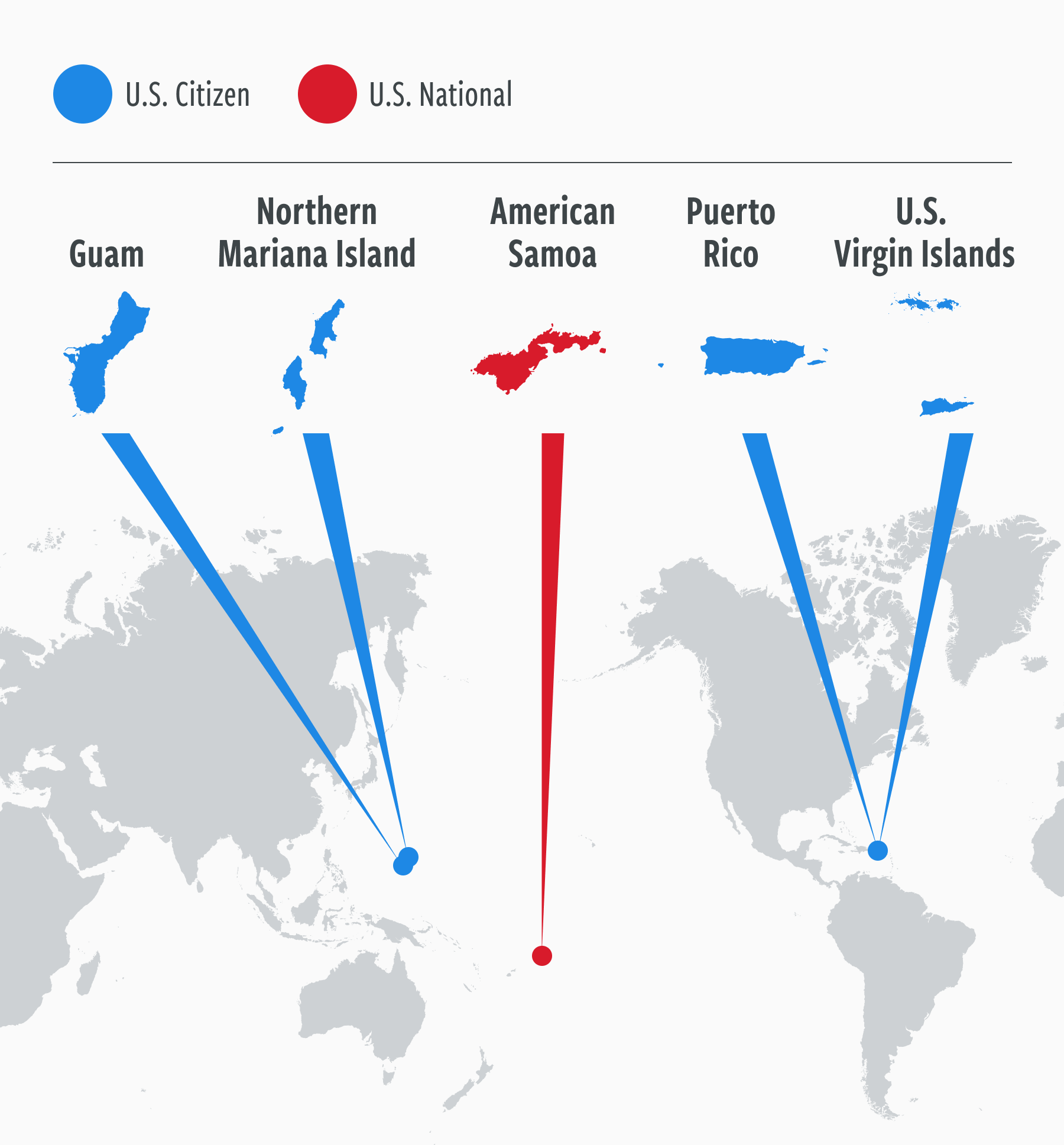
The legal definition of an unincorporated territory is pivotal to comprehending Puerto Rico’s relationship with the United States. Unlike incorporated territories, which are considered on a path to statehood and have a more direct application of U.S. constitutional law, unincorporated territories are those over which the U.S. has sovereignty but are not considered an integral part of the U.S. itself. This distinction, established through Supreme Court rulings like the Insular Cases, means that while U.S. citizens residing in Puerto Rico are indeed U.S. citizens, they do not have full representation in the U.S. Congress and cannot vote in U.S. presidential elections.

Implications for Travelers
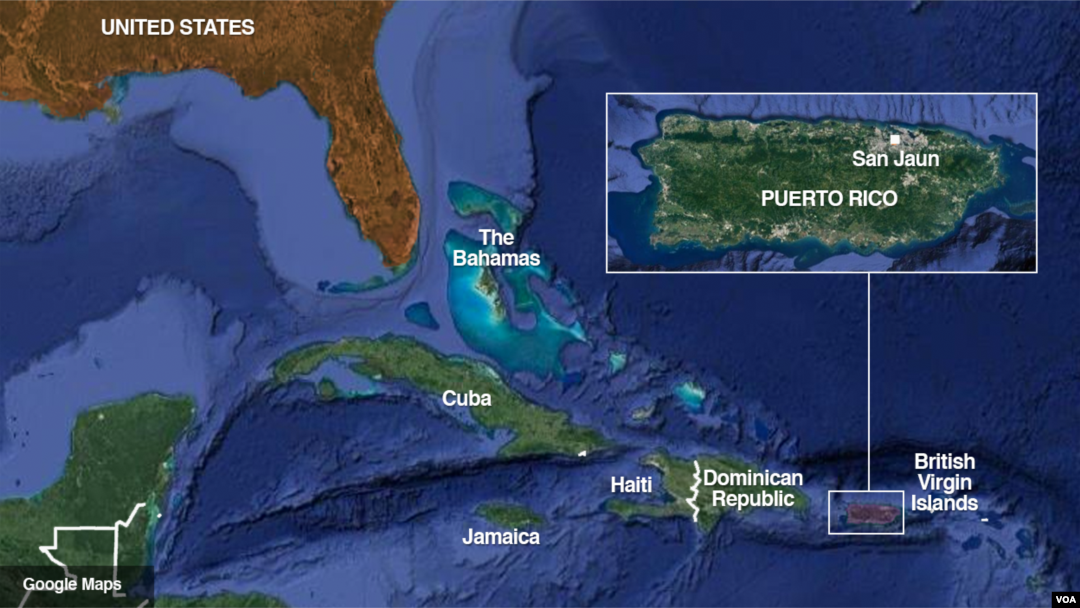
For the average traveler, Puerto Rico’s status as an unincorporated territory simplifies many aspects of visiting. U.S. citizens do not need a passport to travel between the United States and Puerto Rico, as it is treated as a domestic flight. Similarly, U.S. currency is the official currency, and federal laws generally apply, though some may be modified or absent. This ease of travel makes it an attractive option for those seeking a Caribbean experience without the complexities of international travel documentation. However, it is important to note that while the island is a U.S. territory, it has its own distinct government and laws, which can sometimes differ from those in the mainland U.S.
A Rich Tapestry of Culture and History
The unincorporated status has also profoundly shaped Puerto Rico’s unique cultural identity, a fusion of Taíno, Spanish, African, and American influences. This vibrant heritage is palpable throughout the island, from the historic architecture of Old San Juan to the rhythmic beats of bomba and plena music. Understanding this historical context adds a deeper layer to any visit, allowing travelers to appreciate the island’s resilience and the distinctiveness of its people and traditions. The ongoing political discussions surrounding its status also contribute to a dynamic social fabric, a constant dialogue about identity and self-determination.
Exploring Puerto Rico: A Destination of Distinction
Beyond its political classification, Puerto Rico stands out as a premier travel destination, offering an array of experiences that cater to diverse interests. From its lush rainforests to its pristine beaches and bustling urban centers, the island is a microcosm of Caribbean allure, enhanced by its accessible connection to the United States.
Natural Wonders and Outdoor Adventures
The island boasts a breathtaking natural landscape. The El Yunque National Forest, the only tropical rainforest in the U.S. Forest System, is a must-visit for nature enthusiasts. Its verdant trails lead to cascading waterfalls and offer opportunities for birdwatching and appreciating diverse flora and fauna. For those seeking aquatic adventures, the waters surrounding Puerto Rico are renowned for snorkeling and diving, particularly around the islands of Vieques and Culebra. The bioluminescent bays, such as Mosquito Bay on Vieques, offer a truly magical experience, where microorganisms in the water illuminate with movement, creating an ethereal glow.
Historical and Cultural Immersion
Old San Juan, a UNESCO World Heritage site, is a living testament to Puerto Rico’s rich history. Its colorful colonial buildings, cobblestone streets, and imposing fortresses like Castillo San Felipe del Morro and Castillo de San Cristóbal transport visitors back in time. Exploring these historic landmarks not only provides insight into the island’s past as a strategic military outpost but also offers stunning panoramic views of the Atlantic Ocean. Beyond the historical sites, the vibrant arts scene, showcased in numerous galleries and street art installations, reflects the island’s creative spirit. Festivals and local celebrations are frequent, offering immersive experiences into the island’s lively culture.
Culinary Delights
Puerto Rican cuisine is a delicious reflection of its diverse heritage. Influenced by Spanish, African, and Taíno traditions, the food is a flavorful journey. Signature dishes include mofongo (mashed plantains often filled with seafood or meat), lechón (roasted whole pig), and arroz con gandules (rice with pigeon peas). The island’s vibrant food markets and bustling kioskos (food stalls) offer an authentic taste of local life. From humble street food to fine dining establishments, the culinary landscape is as rich and varied as the island itself.
The Evolving Identity of Puerto Rico
The question of Puerto Rico’s political status remains a central theme in its contemporary identity. While the unincorporated territory status provides certain conveniences for U.S. citizens traveling to the island, it also fuels ongoing debates about statehood, independence, and enhanced commonwealth status. These discussions are not merely political but deeply intertwined with the island’s cultural evolution and its aspirations for the future.
A Beacon of Resilience and Self-Determination
Despite the complexities of its political standing, Puerto Rico has demonstrated remarkable resilience. The spirit of its people, known for their warmth and hospitality, is a defining characteristic. This resilience is evident in how the island has navigated natural disasters, economic challenges, and the ongoing quest for greater self-determination. For travelers, this translates into an experience of a place with a strong sense of identity, a unique blend of American influence and deep-rooted traditions.
Beyond the Political Classification: The Experience of Visitors
Ultimately, for most visitors, Puerto Rico’s status as an unincorporated territory simplifies the practicalities of travel, making it an accessible and enchanting Caribbean escape. The ability to use U.S. dollars, fly without a passport (for U.S. citizens), and enjoy a familiar infrastructure, combined with a distinct cultural richness, makes it a compelling destination. It offers a tangible connection to the United States while providing an entirely different, vibrant, and captivating experience. Whether one is drawn by the historical sites of Old San Juan, the natural beauty of El Yunque, the sun-drenched beaches, or the tantalizing flavors of its cuisine, Puerto Rico offers a multifaceted encounter that transcends its political designation. The island’s identity is a dynamic tapestry woven from its history, its culture, its people, and the ongoing conversation about its future, all of which contribute to the unforgettable experiences it offers to every traveler.
LifeOutOfTheBox is a participant in the Amazon Services LLC Associates Program, an affiliate advertising program designed to provide a means for sites to earn advertising fees by advertising and linking to Amazon.com. Amazon, the Amazon logo, AmazonSupply, and the AmazonSupply logo are trademarks of Amazon.com, Inc. or its affiliates. As an Amazon Associate we earn affiliate commissions from qualifying purchases.