
Navigating the Complex Political Status of Puerto Rico
The question of whether Puerto Rico is a commonwealth is a recurring one, particularly for travelers planning a visit or those interested in the island’s unique identity. Understanding Puerto Rico’s political status is crucial not only for its residents but also for visitors seeking to grasp the nuances of their destination. While often referred to as a commonwealth, the reality is more complex, involving a unique relationship with the United States that shapes its governance, economy, and cultural landscape. This article delves into the intricacies of this status, offering clarity for those who engage with the island, whether for tourism, business, or personal interest.

Understanding the Terminology: Commonwealth vs. Territory
To accurately address the question, it’s essential to define what “commonwealth” means in the context of Puerto Rico. The island operates under a “commonwealth” political status, established by the U.S. Congress through Public Law 600 in 1950 and subsequently approved by the Puerto Rican people in a referendum in 1952. This act led to the creation of the Constitution of the Commonwealth of Puerto Rico. However, this designation is not universally agreed upon as a definitive term for its relationship with the United States.
The U.S. Perspective: Unincorporated Territory
From the perspective of the U.S. federal government, Puerto Rico is classified as an “unincorporated territory.” This classification, established through Supreme Court rulings such as the Insular Cases, means that the U.S. Constitution does not apply in full to Puerto Rico. While residents are U.S. citizens, they do not have full voting representation in the U.S. Congress and cannot vote in presidential elections. This distinction is significant, as it places Puerto Rico in a category different from states or fully incorporated territories.
The Puerto Rican Perspective: A Unique Association
Many Puerto Ricans view their relationship with the United States as more than just a territory. The term “commonwealth” implies a degree of self-governance and a distinct, albeit associated, political entity. This perspective often highlights the island’s internal autonomy, with its own elected governor and legislature, and its own legal system. However, the ultimate authority still rests with the U.S. Congress, which has the power to legislate for the island. This dual nature often leads to ongoing debates and aspirations for a change in status, with statehood, independence, and enhanced commonwealth being the primary options discussed.
Implications for Travelers and Visitors
For those planning a trip to Puerto Rico, understanding its political status primarily affects logistical considerations rather than the experience of visiting the island itself.
Entry and Exit Requirements
As Puerto Ricans are U.S. citizens, U.S. citizens do not need a passport to travel to Puerto Rico from the United States. It functions similarly to traveling between states. However, international travelers will still require appropriate documentation based on their country of origin and U.S. visa requirements if applicable.
Currency and Language
The official currency in Puerto Rico is the U.S. dollar. Both English and Spanish are official languages, though Spanish is more widely spoken in daily life. Visitors will find that English is commonly understood in tourist areas, hotels like the Caribe Hilton, and at attractions such as El Morro.
Legal and Administrative Framework
While Puerto Rico has its own legal system and local laws, U.S. federal laws generally apply. This means that certain federal regulations and standards are in effect. For tourists, this typically translates to familiar laws regarding public order, transportation, and commerce.
The Ongoing Debate: Status Plebiscites and Aspirations
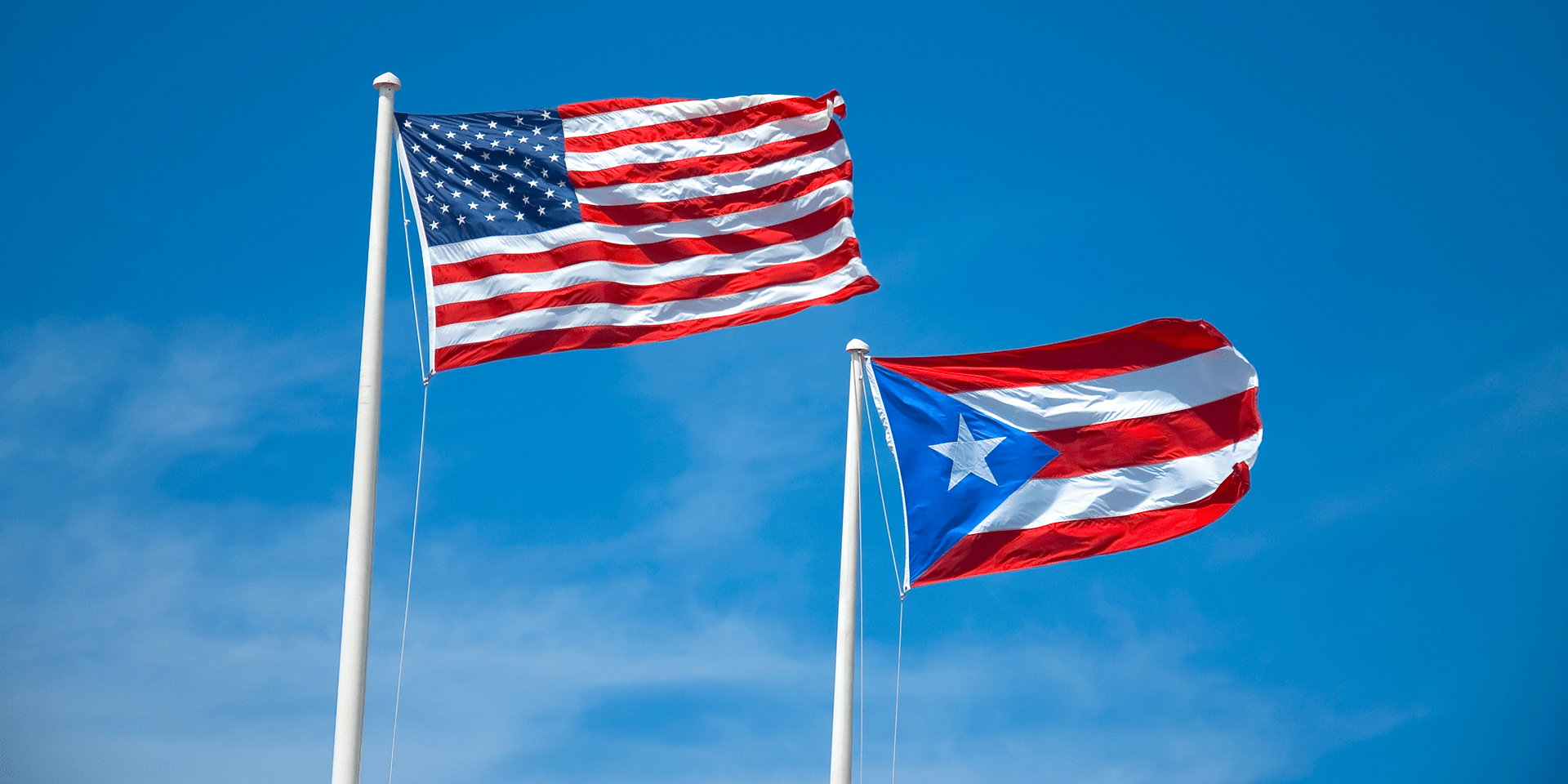
The political status of Puerto Rico has been a subject of intense debate and multiple referendums throughout its modern history. These plebiscites, while non-binding on the U.S. Congress, reflect the evolving aspirations of the Puerto Rican people.
Historical Referendums
Several referendums have been held to gauge public opinion on the island’s future. These have included options such as statehood, independence, and remaining a commonwealth, sometimes with variations like an “associated free state.” The results have varied, with different options gaining majority support at different times, often reflecting the political climate and economic conditions. For instance, in a 2012 plebiscite, a majority voted for statehood, but the U.S. Department of Justice questioned the validity of the ballot. A later 2017 plebiscite saw overwhelming support for statehood, though turnout was low.
The Three Main Options
The discussion for Puerto Rico’s future status typically revolves around three main options:
- Statehood: This would mean Puerto Rico becoming the 51st U.S. state, with full representation in Congress and voting rights for president. Residents would pay federal income taxes, but would also benefit from federal programs at the same level as states.
- Independence: This would grant Puerto Rico full sovereignty, with its own president, flag, and national identity, separate from the United States. This would likely involve establishing new economic and diplomatic ties with other nations.
- Enhanced Commonwealth: This option seeks to maintain the association with the United States but with greater autonomy and self-governance for Puerto Rico. Proponents argue for the ability to negotiate international treaties, control immigration, and potentially retain a unique citizenship status.
The “Commonwealth” Designation: A Point of Contention
The term “commonwealth” itself is a source of debate. While Puerto Rico uses the term, it is not officially recognized as a commonwealth by the U.S. government in the same way that states like Massachusetts, Virginia, Kentucky, and Pennsylvania are. These states are constitutionally recognized as commonwealths, a designation that does not alter their status as states within the Union. Puerto Rico’s situation is distinct, arising from its history as a territory acquired by the U.S. after the Spanish-American War.
Exploring Puerto Rico: A Destination Rich in Culture and Beauty
Regardless of its political status, Puerto Rico remains a captivating destination for travelers. Its vibrant culture, stunning natural beauty, and historical landmarks offer an unforgettable experience.
Historical Sites and Architecture
Visitors can immerse themselves in history by exploring the well-preserved forts in Old San Juan, such as Castillo San Felipe del Morro and Castillo San Cristóbal. The colonial architecture of Old San Juan, with its colorful buildings and cobblestone streets, transports visitors back in time. Walking through these historic districts, one can appreciate the island’s rich past under Spanish and American rule.
Natural Wonders
Beyond its historical significance, Puerto Rico boasts diverse natural attractions. The El Yunque National Forest, the only tropical rainforest in the U.S. National Forest System, offers hiking trails, waterfalls, and a unique biodiversity. The island’s coastline is dotted with pristine beaches, from the lively shores of Condado to the tranquil waters of the western coast, perfect for swimming, snorkeling, and water sports. The bioluminescent bays, such as those in Vieques and Fajardo, offer a magical nighttime experience.
Culinary Delights and Local Culture
The culinary scene in Puerto Rico is a fusion of Taíno, Spanish, and African influences. Travelers can savor traditional dishes like mofongo, lechón, and arroz con gandules. The island’s music and dance, particularly salsa, are integral to its cultural identity, with lively music venues and festivals throughout the year. Engaging with the local culture, from visiting local markets to attending community events, provides a deeper understanding of the island’s spirit.

Conclusion: A Territory with Unique Autonomy
In conclusion, while Puerto Rico is often referred to as a commonwealth, its political status is more accurately described as an unincorporated territory with a significant degree of internal self-governance. The debate over its future status continues, reflecting the complex historical, political, and economic factors at play. For visitors, this nuanced reality does not diminish the appeal of Puerto Rico as a destination. The island offers a rich tapestry of history, culture, and natural beauty, inviting travelers to explore its wonders and experience its unique charm. Understanding its political relationship with the U.S. adds another layer of appreciation for this vibrant Caribbean gem.
LifeOutOfTheBox is a participant in the Amazon Services LLC Associates Program, an affiliate advertising program designed to provide a means for sites to earn advertising fees by advertising and linking to Amazon.com. Amazon, the Amazon logo, AmazonSupply, and the AmazonSupply logo are trademarks of Amazon.com, Inc. or its affiliates. As an Amazon Associate we earn affiliate commissions from qualifying purchases.