
The question “Is Puerto Rico in America?” is a common one, often sparking curiosity among prospective travelers planning their next getaway. While geographically nestled in the Caribbean Sea, east of the Dominican Republic and west of the Virgin Islands, Puerto Rico holds a unique and complex relationship with the United States. It is, in fact, an unincorporated territory of the United States, meaning it is under the sovereignty of the U.S. federal government but is not part of any state. This distinctive status significantly impacts everything from its governance and economy to the ease of travel and the rich cultural tapestry visitors experience.
For travelers, understanding this relationship is key to unlocking the full potential of a Puerto Rican adventure. It means U.S. citizens can visit without a passport, using U.S. currency, and enjoying seamless domestic travel. Yet, the island retains its vibrant Latin American flair, distinct language, and unique heritage, making it feel like an international escape without the usual international travel hurdles for many. This blend of American convenience and Caribbean charm makes Puerto Rico an incredibly appealing destination for a wide range of travel lifestyles, from luxury seekers to budget adventurers, and from family vacationers to business travelers looking for a unique retreat.

A US Territory with a Caribbean Soul: Understanding Puerto Rico’s Identity
To truly appreciate Puerto Rico, one must first grasp its multifaceted identity. It’s a place where the practicality of American systems meets the passionate spirit of Latin America. This duality is reflected in every aspect of island life, from its legal framework to its music, food, and daily rhythms.
The Political Landscape: What “Commonwealth” Really Means
When we say Puerto Rico is an unincorporated territory or a commonwealth of the United States, what does that actually entail for visitors? Firstly, all persons born in Puerto Rico are natural-born citizens of the United States. This means they can freely travel to and from the mainland U.S. without any immigration formalities. For U.S. citizens and permanent residents traveling from the continental United States, a valid government-issued photo ID (like a driver’s license) is sufficient for air travel, just as it would be for a domestic flight to Hawaii or Alaska. Passports are not required, although they are accepted.
The official currency in Puerto Rico is the U.S. dollar, eliminating the need for currency exchange and simplifying financial transactions for American tourists. The postal service is the U.S. Postal Service, and major U.S. telecommunication networks operate seamlessly across the island. These conveniences make traveling to Puerto Rico feel remarkably familiar, reducing potential stress points often associated with international trips. For international visitors, standard U.S. entry requirements apply, meaning a valid passport and any necessary visas for entry into the United States will allow entry into Puerto Rico.
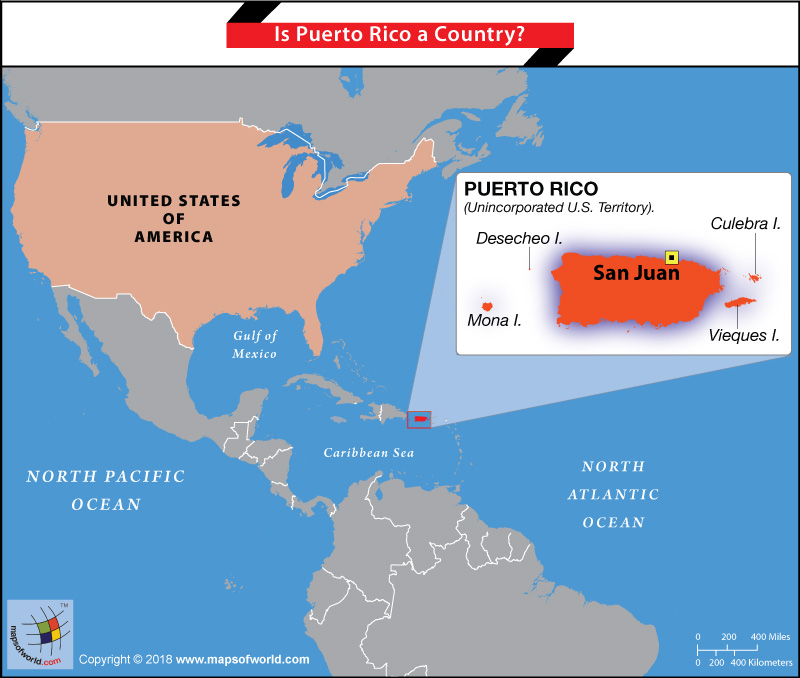
Bridging Continents: Geographical Context and Cultural Fusion
Geographically, Puerto Rico is situated in the northeastern Caribbean, surrounded by the warm waters of the Atlantic Ocean to the north and the Caribbean Sea to the south. This location blesses the island with a consistently tropical climate, characterized by warm temperatures year-round and lush landscapes. While politically tied to North America, its proximity to other Caribbean nations like the Dominican Republic and Cuba, along with centuries of Spanish colonial influence, has forged a distinct Puerto Rican culture.
This cultural fusion is one of Puerto Rico’s greatest assets. It’s a place where Spanish is the dominant language, but English is widely understood and spoken, especially in tourist areas. The vibrant music scene, a mix of salsa, bomba, plena, and reggaeton, pulses through the streets. The cuisine, a delicious blend of indigenous Taíno, Spanish, and African influences, offers a sensory journey unlike any other. This rich cultural heritage, combined with the administrative ease of being a U.S. territory, creates a truly unique travel experience that is both accessible and exotically compelling.
Seamless Travel to a Tropical Paradise: What Visitors Need to Know
One of the primary advantages of Puerto Rico’s status as a U.S. territory is the straightforward travel process, especially for U.S. citizens. This ease of access opens the door to a stunning array of destinations, attractions, and experiences without the common stresses of international travel.
Entry Requirements and Currency: A Breeze for US Citizens
As mentioned, U.S. citizens do not need a passport to enter Puerto Rico. A valid government-issued ID such as a driver’s license or state ID card is sufficient for air travel. This simplifies trip planning considerably, making it an ideal choice for last-minute getaways or for those who don’t have a passport. For non-U.S. citizens, standard U.S. visa and passport requirements apply.
The use of the U.S. dollar means no exchange rate calculations, no worrying about finding currency exchange bureaus, and direct use of credit and debit cards without international transaction fees (depending on your bank). This financial convenience allows travelers to focus more on enjoying their vacation and less on logistical headaches. Many major U.S. banks also have branches on the island, providing familiar services if needed.
Getting There: Major Airports and Accessibility
Getting to Puerto Rico is relatively easy, with numerous direct flights from major U.S. cities. The primary gateway is Luis Muñoz Marín International Airport (SJU), located just outside San Juan. This bustling airport is served by most major U.S. airlines, including American Airlines, Delta, United, Southwest, JetBlue, and others, offering competitive fares and a wide range of flight times. The flight duration from the East Coast of the U.S. is typically around 3-4 hours, making it an accessible long weekend destination. From the West Coast, flights are longer, often with a connection, but still very manageable.
Beyond SJU, smaller airports like Rafael Hernández Airport (BQN) in Aguadilla and Mercedita Airport (PSE) in Ponce serve specific regions of the island, providing convenient access to the west and south coasts, respectively. These airports often cater to budget airlines, potentially offering more affordable options for specific itineraries.

Navigating the Island: Transportation Options
Once you arrive, getting around Puerto Rico is straightforward. Renting a car is highly recommended, especially if you plan to explore beyond San Juan. All major U.S. rental car companies operate at SJU, and the road infrastructure is generally well-maintained, though some rural roads can be winding. Driving offers the most flexibility to discover hidden beaches, visit remote towns, and venture into the rainforest. Note that road signs are in Spanish, but distances are in miles and speed limits in MPH, similar to the U.S.
For those who prefer not to drive, taxis are readily available at the airport and throughout San Juan. Ride-sharing services like Uber also operate in metropolitan areas. Public transportation is limited, primarily serving San Juan and its immediate surroundings. For excursions to nearby islands like Vieques and Culebra, ferries depart regularly from Fajardo or Ceiba, offering scenic journeys across the clear waters.
Experiencing Puerto Rico: A Rich Tapestry of Culture, Nature, and History
Puerto Rico is a land of contrasts and vibrant experiences. Its status as a U.S. territory makes travel simple, but it’s the island’s captivating culture, breathtaking natural beauty, and profound history that truly make it a world-class destination.
San Juan: A Historic Capital with Modern Vibrancy
The capital city of San Juan is often the first stop for visitors, and for good reason. Its jewel, Old San Juan, is a UNESCO World Heritage Site with cobblestone streets, colorful colonial buildings, and impressive fortifications that date back centuries. Walking through Old San Juan is like stepping back in time, where every corner reveals a story.
- Landmarks and History: The imposing fortresses of Castillo San Felipe del Morro and Castillo de San Cristóbal, both maintained by the U.S. National Park Service, offer panoramic ocean views and a fascinating glimpse into military history. The San Juan Cathedral, the second oldest cathedral in the Americas, houses the tomb of Ponce de León.
- Culture and Lifestyle: Beyond the historical sites, Old San Juan is brimming with boutique shops, art galleries, and lively restaurants and bars. The modern districts of Condado and Isla Verde offer a different vibe with high-rise hotels, luxury resorts, casinos, and bustling nightlife, catering to a sophisticated lifestyle.
Beyond the City: Natural Wonders and Coastal Charms
While San Juan provides a dose of urban excitement, Puerto Rico’s natural attractions are equally compelling. The island boasts a remarkable diversity of ecosystems, making it a prime destination for eco-tourism and outdoor enthusiasts.
- El Yunque National Forest: The only tropical rainforest in the U.S. National Forest System, El Yunque is a lush paradise of waterfalls, hiking trails, and unique flora and fauna, including the coquí frog. A day trip here offers a refreshing escape into nature.
- Bioluminescent Bays: Puerto Rico is home to three of the world’s five bioluminescent bays, where microorganisms light up the water at night. Mosquito Bay in Vieques is arguably the brightest, offering an otherworldly kayaking experience. Laguna Grande in Fajardo and La Parguera in Lajas also offer similar tours.
- Stunning Beaches: From the pristine white sands of Flamenco Beach on Culebra (consistently ranked among the world’s best) to the surfing mecca of Rincón on the west coast, Puerto Rico’s coastlines are incredibly diverse. Whether you’re looking for relaxation, water sports, or dramatic sunsets, there’s a beach for every preference.
Savoring the Flavors: A Culinary Journey
Puerto Rican cuisine is a highlight of any visit. It’s a hearty, flavorful fusion known as cocina criolla. Must-try dishes include mofongo (fried plantain mashed with garlic and pork cracklings), lechón (roasted pork), arroz con gandules (rice with pigeon peas), and bacalaítos (cod fritters). The island also offers a thriving fine-dining scene, especially in San Juan and areas like Dorado, showcasing innovative chefs who blend traditional ingredients with contemporary techniques. Don’t forget to sample the world-renowned Puerto Rican rum, often enjoyed as a refreshing piña colada – which was invented here! Culinary tours and cooking classes are popular tourism activities that allow visitors to delve deeper into the island’s gastronomic traditions.
Planning Your Stay: Accommodation and Lifestyle Choices
With its diverse offerings, Puerto Rico caters to every type of traveler and accommodation preference, making it an ideal destination for various travel lifestyles.
From Luxury Resorts to Boutique Stays: Where to Unwind
The island boasts an impressive range of hotels and accommodation options, fitting every budget and style. For those seeking a luxurious escape, resorts like the St. Regis Bahia Beach Resort in Río Grande or the Condado Vanderbilt Hotel in San Juan offer unparalleled amenities, including championship golf courses, world-class spas, and private beach access. These establishments epitomize the luxury travel experience, providing impeccable service and exquisite surroundings.
Mid-range options are plentiful, with reputable hotel chains and charming boutique hotels found in Old San Juan, Ponce, and along the coast. These often provide a more intimate experience, focusing on local charm and personalized service. For budget travelers or those seeking a more authentic experience, guesthouses (paradores), apartments, and vacation rentals (such as those found on Airbnb or VRBO) are excellent choices, offering insights into local life and often including amenities like fully equipped kitchens for longer stays. Whether you’re booking a resort for a family trip or a cozy villa for a romantic getaway, Puerto Rico’s accommodation sector is well-developed to meet diverse needs.
Activities for Every Traveler: Adventure, Relaxation, and Family Fun
Puerto Rico truly excels in offering a breadth of activities.
- Adventure Seekers: Can delve into zip-lining through the rainforest canopy, explore caves at Parque Nacional de las Cavernas del Río Camuy, surf the waves of Rincón, or go snorkeling and diving in the crystal-clear waters of Culebra and Vieques.
- Relaxation Enthusiasts: Will find solace on pristine beaches, indulge in spa treatments at luxury resorts like the Wyndham Grand Rio Mar Puerto Rico Golf & Beach Resort, or simply enjoy the vibrant street life and culinary delights of San Juan.
- Family Trips: Are well-catered with kid-friendly beaches, nature walks in El Yunque, interactive museums in San Juan, and even water parks like Las Cascadas Aquatic Park in Aguadilla. The blend of outdoor activities, cultural immersion, and convenient amenities makes it a fantastic choice for all ages.
- Business Stays: For those on business, San Juan offers modern conference facilities, high-speed internet, and sophisticated dining options, allowing for productive work balanced with cultural exploration.
Budgeting Your Puerto Rican Escape
While Puerto Rico can certainly accommodate a luxury lifestyle, it’s also highly accessible for budget-conscious travelers. By opting for guesthouses, cooking some meals, utilizing public transport where available, and exploring free attractions like beaches and historical sites, a memorable trip can be achieved without breaking the bank. Comparing accommodation options, booking flights in advance, and traveling during the shoulder season can also significantly reduce costs, making Puerto Rico a versatile destination for any financial plan.
The Verdict: Why Puerto Rico is Your Next Must-Visit Destination
So, is Puerto Rico in America? In essence, yes, it is an integral part of the American family as a U.S. territory, providing unique advantages for travelers, particularly those from the United States. This distinct political status translates into a refreshingly simple travel experience – no passport for U.S. citizens, U.S. dollar currency, familiar banking, and easy access from mainland airports.
However, to simply label it “in America” without acknowledging its profound cultural distinction would be to miss the essence of its allure. Puerto Rico offers the best of both worlds: the logistical ease of domestic travel combined with the exotic appeal of a truly foreign land. It’s a vibrant island with a rich Spanish heritage, Afro-Caribbean rhythms, delectable cuisine, and landscapes that range from bustling cityscapes and historic fortresses to lush rainforests, serene beaches, and mesmerizing bioluminescent bays.
Whether you’re seeking a luxurious resort experience, an adventurous eco-tourism trip, a deep dive into history and culture, or a relaxed family vacation, Puerto Rico delivers. It’s a destination that promises ease of access while offering an immersive and unforgettable journey into a unique corner of the world, making it an ideal choice for your next travel adventure.
LifeOutOfTheBox is a participant in the Amazon Services LLC Associates Program, an affiliate advertising program designed to provide a means for sites to earn advertising fees by advertising and linking to Amazon.com. Amazon, the Amazon logo, AmazonSupply, and the AmazonSupply logo are trademarks of Amazon.com, Inc. or its affiliates. As an Amazon Associate we earn affiliate commissions from qualifying purchases.