
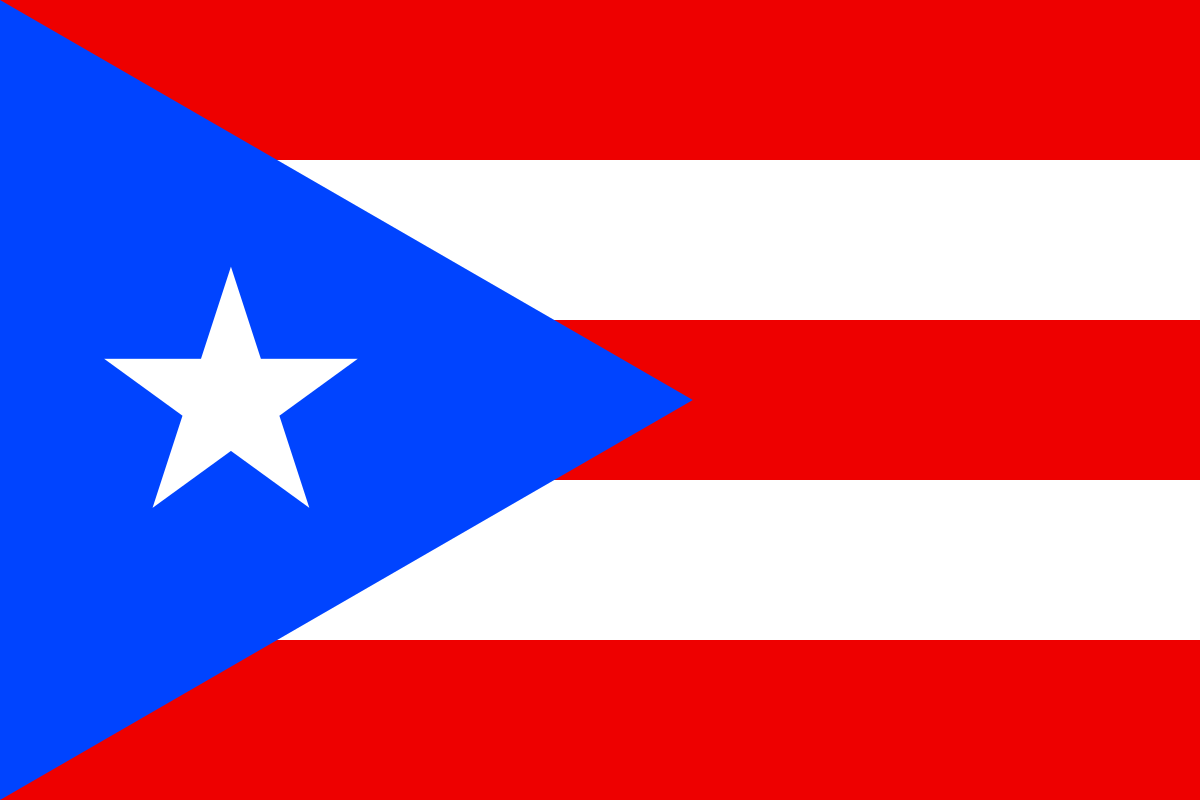
A common geographical query that often surfaces in travel discussions is whether Puerto Rico is located within Mexico. The simple answer is an emphatic no. While both share a rich Spanish colonial heritage and vibrant Latin cultures, they are distinct geographical entities separated by a significant distance and unique identities. Puerto Rico is a captivating island territory of the United States nestled in the heart of the Caribbean Sea, while Mexico is a vast and diverse country situated in southern North America.
This article aims to clarify this geographical misconception, delve into the distinct characteristics of both destinations, and explore what makes each an unparalleled choice for travelers seeking adventure, relaxation, cultural immersion, and unforgettable experiences. From sun-drenched beaches and ancient ruins to bustling cities and serene rainforests, we’ll uncover the unique charm, history, and modern appeal of Puerto Rico and Mexico, guiding you through their myriad attractions, accommodation options, and lifestyle offerings.
Unraveling the Geography: Where Are They Really?
Understanding the precise locations of Puerto Rico and Mexico is the first step in dispelling the misconception. While both fall under the broader umbrella of Latin America due to their linguistic and historical ties, their physical placement on the global map is entirely separate.
Puerto Rico: A Caribbean Jewel
Puerto Rico is an archipelago that includes the main island, Vieques, Culebra, and several smaller islands. It’s strategically located in the northeastern Caribbean Sea, east of the Dominican Republic and west of the Virgin Islands. As an unincorporated territory of the United States, Puerto Rico shares many political and economic characteristics with the mainland U.S., including using the US Dollar as its currency. Its capital and most populous city is San Juan, a historic port city renowned for its colorful colonial architecture and formidable fortresses.
The island boasts incredible geographical diversity. Travelers can explore the lush tropical rainforest of El Yunque National Forest, relax on world-class beaches like Flamenco Beach on Culebra or Luquillo Beach near Fajardo, or marvel at the rare bioluminescent bays found in places like Vieques, Fajardo, and Lajas. The official languages are Spanish and English, making it an accessible destination for many international visitors.
Mexico: A North American Powerhouse
Mexico, in stark contrast, occupies a significant landmass in North America, bordering the United States to the north, Guatemala and Belize to the south and southeast. Its extensive coastlines touch the Pacific Ocean to the west, the Gulf of Mexico to the east, and a small portion of the Caribbean Sea in the Yucatán Peninsula. As a federal republic, Mexico operates with its own distinct government and economy, using the Mexican Peso as its currency. Mexico City is its bustling capital, one of the largest and most vibrant metropolitan areas in the world.
Geographically, Mexico is incredibly diverse, encompassing deserts, mountains, volcanoes, rainforests, and an array of coastal ecosystems. From the arid landscapes of Baja California to the tropical jungles of Chiapas and the pristine beaches of the Riviera Maya, the country offers an unparalleled variety of natural attractions. While Spanish is the dominant language, numerous indigenous languages are also spoken, reflecting its deep cultural roots.
A Tale of Two Cultures: Shared Heritage, Distinct Identities
Despite their geographical separation, the historical threads of Spanish colonialism weave a common narrative for both Puerto Rico and Mexico, contributing to some of the cultural similarities that might lead to confusion. However, beneath these shared layers lie deeply distinct identities, shaped by unique indigenous legacies, subsequent migrations, and political developments.
Echoes of Spain: Language and Religion
Both Puerto Rico and Mexico were colonized by Spain, a historical fact that profoundly impacted their development. The most evident legacy is the pervasive use of the Spanish language, which remains central to their national identities and daily life. Catholicism, also introduced by the Spanish conquistadors, is the predominant religion in both regions, influencing customs, traditions, and the architectural grandeur of their historic churches and cathedrals. The colonial architecture found in places like Old San Juan and Mexico City’s historic center, characterized by cobblestone streets, vibrant facades, and ornate plazas, also speaks to this shared past. This foundational Spanish influence provides a common ground that can sometimes mask their profound differences.
Beyond the Similarities: Unique Cultural Tapestries
While the Spanish language and Catholicism are significant commonalities, the cultural trajectories of Puerto Rico and Mexico diverged dramatically after their respective colonial periods.
Puerto Rico’s Identity: Puerto Rico’s culture is a vibrant blend of indigenous Taino heritage, African influences brought by enslaved people, and a strong contemporary American influence due to its political status. This fusion is evident in its music, cuisine, and festivals. The infectious rhythms of Salsa, Reggaeton, and Bomba y Plena define its soundscape. Culinary delights like Mofongo (a dish made from fried plantains), Lechon (roasted pork), and Arroz con Gandules (rice with pigeon peas) are staples that reflect its diverse historical influences. The blend of Caribbean relaxation with American efficiency creates a unique lifestyle, appealing to travelers seeking both exoticism and familiarity.
Mexico’s Identity: Mexico’s cultural fabric is an intricate mosaic woven from ancient indigenous civilizations—such as the Maya, Aztec, and Olmec—intertwined with its Spanish colonial past. The legacy of these pre-Columbian cultures is deeply embedded in Mexican art, architecture, traditions, and spirituality. The country is famous for its Mariachi music, the lively folk dance of Jarabe Tapatío, and unique festivals like the Day of the Dead, a vibrant celebration honoring deceased loved ones. Mexican cuisine, recognized by UNESCO as an Intangible Cultural Heritage of Humanity, is globally celebrated for its complexity, flavors, and ingredients, featuring iconic dishes like Tacos, Mole, Tamales, and Tequila. The country’s vastness also means significant regional cultural variations, from the vibrant colors of Oaxaca to the resort glamour of Cancun.
Travel & Tourism: Exploring Destinations, Attractions, and Lifestyles
For discerning travelers, both Puerto Rico and Mexico offer an incredible array of experiences, each promising distinct adventures and memories. From luxury stays to budget-friendly excursions, they cater to diverse travel preferences and lifestyles.
Discovering Puerto Rico: Islands of Enchantment
Puerto Rico is a paradise for those seeking a mix of historical charm, natural beauty, and vibrant island life.
- Destinations & Attractions: The historic district of Old San Juan is a must-visit, with its cobblestone streets, colorful Spanish colonial buildings, and imposing fortresses like El Morro and San Cristobal. The San Juan Cathedral, one of the oldest churches in the Americas, is another prominent landmark. Nature lovers will be drawn to El Yunque National Forest, the only tropical rainforest in the U.S. National Forest System, offering stunning hiking trails and waterfalls. The magical bioluminescent bays, particularly in Vieques, Fajardo, and La Parguera (Lajas), provide an ethereal night kayaking experience. For beach enthusiasts, Flamenco Beach on Culebra consistently ranks among the world’s best, while Luquillo Beach offers a more accessible, family-friendly option.
-
Accommodation: Puerto Rico offers a spectrum of accommodation options. Luxury travelers can indulge in high-end resorts such as Dorado Beach, a Ritz-Carlton Reserve or The St. Regis Bahia Beach Resort. In Old San Juan, boutique hotels like Hotel El Convento provide a blend of history and luxury. For those seeking a more local experience or longer stays, apartments and villas are widely available through platforms like Airbnb in cities like San Juan, Dorado, and Carolina.
-
Lifestyle: The lifestyle in Puerto Rico is characteristically Caribbean – relaxed, vibrant, and filled with music and good food. With no passport required for U.S. citizens and the US Dollar as currency, it’s an easily accessible international getaway that feels familiar. It’s perfect for family trips, romantic escapes, and adventure seekers alike.
The Wonders of Mexico: A Land of Endless Exploration
Mexico stands as a colossal tapestry of ancient civilizations, colonial grandeur, and modern luxury, offering an endless array of experiences across its vast landscapes.
-
Destinations & Attractions: Mexico City is a cultural powerhouse, home to world-class museums like the Frida Kahlo Museum and archaeological wonders like the ancient city of Teotihuacan nearby. The Riviera Maya, including popular resort towns like Cancun and Playa del Carmen, is famous for its stunning white-sand beaches, crystal-clear cenotes, and iconic Mayan ruins such as Chichen Itza and Tulum. Further south, the cultural hub of Oaxaca is celebrated for its indigenous heritage, exquisite cuisine, and artisanal crafts, alongside the impressive Monte Alban archaeological site. On the Pacific coast, destinations like Puerto Vallarta and Los Cabos offer luxurious resorts, vibrant nightlife, and opportunities for whale watching and water sports.
-
Accommodation: Mexico’s accommodation scene is incredibly diverse. The Riviera Maya and Los Cabos boast an abundance of all-inclusive luxury resorts, like the Grand Velas Riviera Maya, catering to every whim. Charming boutique hotels in colonial cities like San Miguel de Allende offer unique cultural immersion. Budget travelers will find numerous hostels in major cities, while eco-lodges near ancient sites like Palenque provide sustainable stays.
-
Lifestyle: The lifestyle in Mexico varies widely by region. From the bustling, cosmopolitan energy of Mexico City to the laid-back beach vibes of Tulum or the spiritual tranquility of Oaxaca, there’s a pace for every preference. It’s an ideal destination for adventure travelers, history buffs, foodies, and those seeking luxury travel experiences or budget-conscious explorations.
Choosing Your Next Adventure: Puerto Rico vs. Mexico
Deciding between Puerto Rico and Mexico depends on your specific travel desires.
-
Accessibility & Convenience: For U.S. citizens, Puerto Rico offers unmatched convenience, akin to domestic travel, with no passport required, no currency exchange, and seamless integration with U.S. services. Mexico, while requiring a passport for U.S. citizens, is extremely well-connected globally with numerous direct flights, making it highly accessible for international travelers.
-
Cost: Generally, Mexico can be more budget-friendly, especially outside major tourist hubs, offering excellent value for accommodation, food, and activities. Puerto Rico, due to its U.S. association, can sometimes have prices comparable to the U.S. mainland, though budget options are certainly available.
-
Experience: Puerto Rico provides a unique fusion of Caribbean allure and American ease, ideal for those seeking a vibrant island getaway with a touch of familiarity. Mexico offers an immensely broader and deeper cultural experience, spanning ancient civilizations, diverse landscapes, and a vast array of regional customs and cuisines. It’s perfect for travelers who want to immerse themselves in a rich, complex, and expansive destination.
Accommodation and Travel Tips for Both Destinations
Planning your trip to either Puerto Rico or Mexico involves considering various aspects of accommodation, transportation, and general travel wisdom.
Finding Your Perfect Stay
Both destinations excel in providing a wide array of lodging options to suit every budget and travel style.
-
Puerto Rico: In Old San Juan, historic hotels like the iconic Hotel El Convento offer a glimpse into the past with modern amenities. For those seeking sun and sand, beachfront resorts dominate the coasts of Dorado, Carolina, and Rio Grande, many providing all-inclusive packages. For longer stays or family trips, private apartment rentals and villas are increasingly popular, offering more space and a local feel. Budget travelers can find guesthouses and smaller inns, especially outside the main resort areas.
-
Mexico: The range here is vast. In popular areas like Cancun, the Riviera Maya, and Los Cabos, luxury resorts abound, including ultra-luxury options like the Grand Velas Riviera Maya. Colonial cities such as San Miguel de Allende and Oaxaca are famous for their charming boutique hotels housed in historic buildings, offering unique character. Mexico City provides everything from international hotel chains to trendy hostels. For unique cultural immersion, consider staying in a traditional hacienda in the countryside or an eco-lodge near ancient Mayan ruins in regions like Palenque.

Essential Travel Tips
-
Flights & Airports: Both destinations are well-served by international airports. San Juan Luis Muñoz Marín International Airport (SJU) is the main gateway to Puerto Rico. In Mexico, major international airports include Mexico City International Airport (MEX), Cancun International Airport (CUN), and Puerto Vallarta International Airport (PVR). Booking in advance, especially during peak seasons, is always recommended for better deals.
-
Transportation: In Puerto Rico, renting a car is often the most convenient way to explore beyond San Juan, though ride-sharing services and taxis are available in urban areas. For travel to Vieques or Culebra, ferries or small planes are necessary. In Mexico, intercity bus travel is efficient and affordable, while ride-sharing and taxis are common within cities. Car rentals are available, but driving in some areas can be challenging.
-
Safety & Health: As with any travel, exercising general precautions is advisable. Both destinations are popular tourist spots and generally safe, but staying aware of your surroundings, especially at night, is always smart. For Mexico, it’s wise to be cautious with tap water and stick to bottled water. For Puerto Rico, typical travel vaccinations are recommended, and always ensure you have appropriate travel insurance.
-
Best Time to Visit: For Puerto Rico, the dry season from December to May offers pleasant weather. The hurricane season typically runs from June to November. For Mexico, the dry season also generally spans from November to May, offering sunny days and cooler evenings, perfect for exploring both coasts and inland regions.
In conclusion, while the question “Is Puerto Rico in Mexico?” arises from a common misunderstanding, it paves the way for a fascinating exploration of two incredibly rich and distinct travel destinations. Puerto Rico, with its unique Caribbean-American blend, and Mexico, with its vast cultural depth and geographical diversity, both promise unforgettable journeys. Whether you seek the rhythmic beats of Salsa on a historic island or the ancient whispers of Mayan ruins in a sprawling republic, each country offers a world of discovery, waiting to be explored.