
The question of where Puerto Rico geographically resides often sparks curiosity, particularly among travelers planning their next adventure. With its vibrant culture, stunning landscapes, and rich history, Puerto Rico is undoubtedly a captivating destination. But does its geographical location place it within the continent of North America? This exploration delves into the precise location of Puerto Rico, its political status, and how these factors influence its identity as a travel and tourism hotspot.
Understanding Puerto Rico’s Geographic Identity
To answer the question definitively, we must first understand geographical definitions and Puerto Rico’s specific placement on the map.
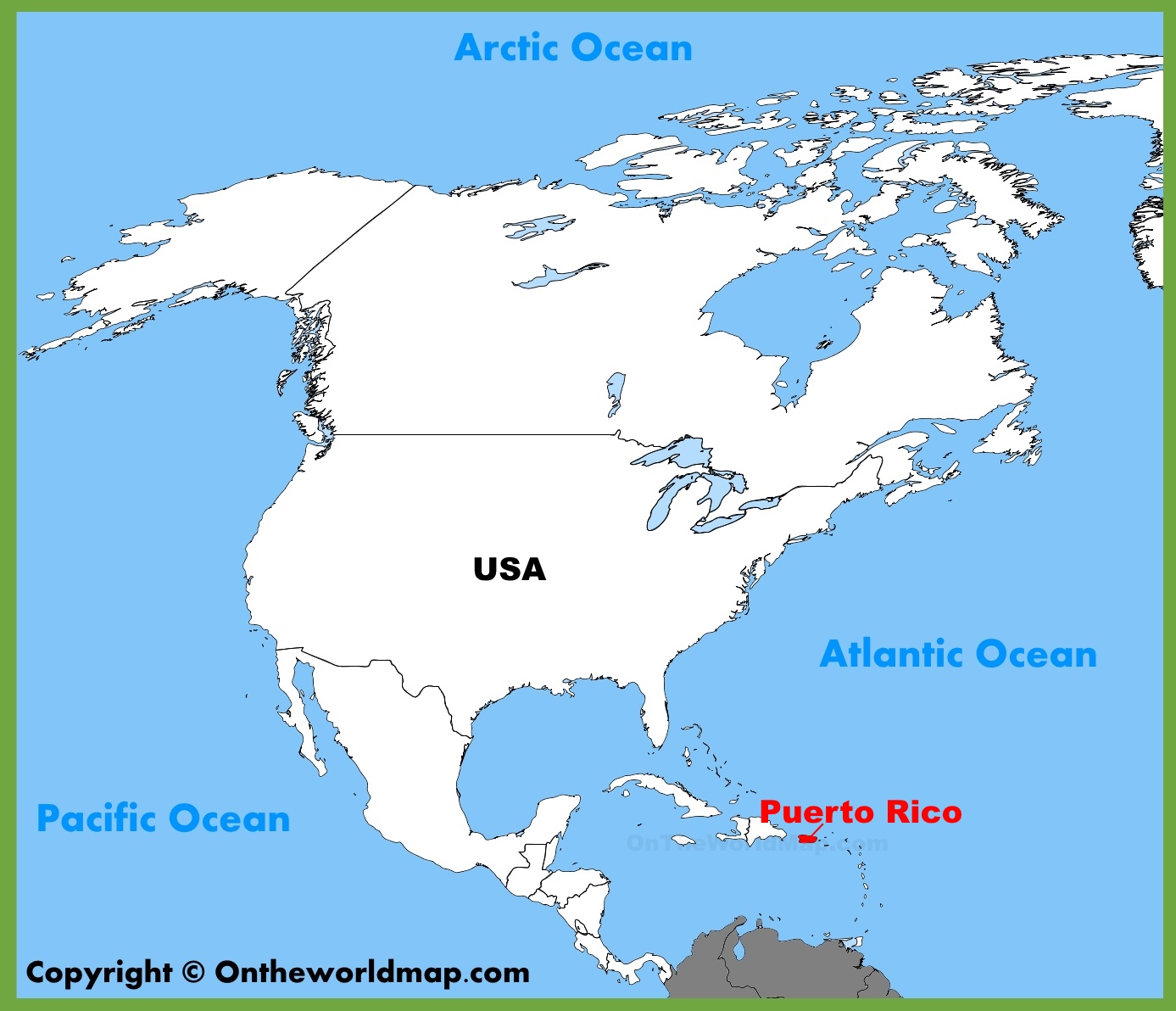
The North American Continent: A Continental Overview
North America is a continent composed of landmasses and associated islands, bordered by the Arctic Ocean to the north, the Atlantic Ocean to the east, the Pacific Ocean to the west, and Central America and the Caribbean Sea to the south. It encompasses three major countries: Canada, the United States, and Mexico, along with numerous smaller nations and territories in Central America and the Caribbean. The definition of a continent can be complex, with some geographers delineating boundaries based on tectonic plates, while others rely on more conventional, cultural, and political definitions.
Puerto Rico’s Place in the Caribbean Archipelago
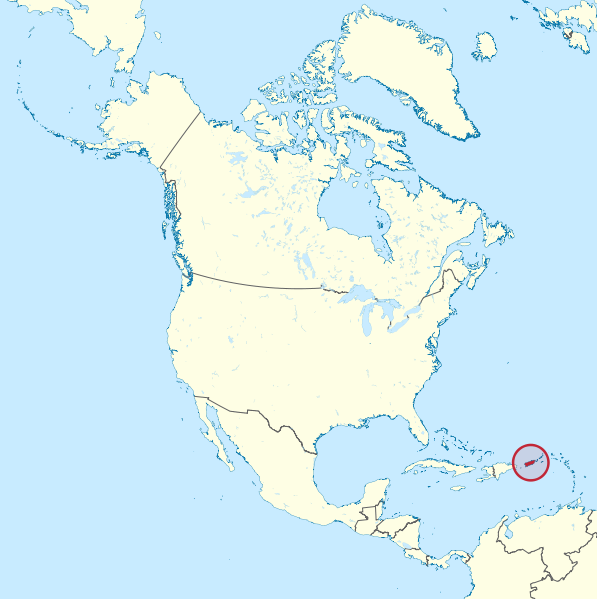
Puerto Rico is an island located in the northeastern Caribbean Sea. It is the easternmost island of the Greater Antilles and lies approximately 1,000 miles (1,600 km) southeast of Florida in the United States. Its immediate neighbors include the Dominican Republic to the west and the U.S. Virgin Islands and the British Virgin Islands to the east. Geographically, the Caribbean Sea is often considered a subdivision of the Atlantic Ocean, which itself is a boundary to the east of the North American mainland.
Therefore, while Puerto Rico is part of the Americas, and more specifically the Caribbean, it is not geographically situated on the mainland continent of North America. Instead, it is part of a vast archipelago that extends southeastward from the Greater Antilles into the Caribbean Sea. This distinction, however, doesn’t diminish its strong ties and connections to the United States, which is a primary characteristic shaping its tourism and travel landscape.
Puerto Rico’s Political Status and its Influence on Travel
The political status of Puerto Rico is a crucial element in understanding its relationship with the United States and how this impacts its accessibility and appeal as a tourist destination.
A U.S. Territory: Navigating Travel and Logistics
Since 1917, Puerto Rico has been an unincorporated territory of the United States, meaning it is subject to U.S. federal law, but its citizens are not fully represented in the U.S. Congress. This status has profound implications for travel. U.S. citizens traveling to Puerto Rico do not require a passport, as it is considered a domestic destination. This ease of access significantly boosts tourism from the mainland United States, making it a popular choice for weekend getaways and longer vacations alike.
The currency used is the U.S. Dollar, and the island operates on the same postal and telecommunications systems as the mainland. This familiarity simplifies logistics for travelers, removing many of the barriers associated with international travel. Furthermore, U.S. federal agencies and regulations, such as those governing flight safety and consumer protection, are in effect, providing a sense of security and predictability for visitors.
Cultural Fusion: A Unique Blend of Influences
Despite its political ties to the United States, Puerto Rico boasts a distinct and vibrant culture that is a captivating blend of Taíno, Spanish, and African influences. This unique heritage is a major draw for tourists seeking authentic cultural experiences.
The Spanish colonial legacy is evident in the architecture of Old San Juan, a UNESCO World Heritage site, with its colorful buildings, cobblestone streets, and historic fortresses like Castillo San Felipe del Morro. The island’s language, Spanish, is widely spoken, alongside English, reflecting its dual identity.
The African heritage is palpable in the music, dance, and cuisine, with rhythms like bomba and plena echoing through the island’s festivals and everyday life. The Taíno indigenous people, the original inhabitants of the island, also left their mark on language, mythology, and culinary traditions, with ingredients like cassava and plantains still central to Puerto Rican gastronomy. This rich cultural tapestry offers travelers an immersive experience that is both familiar due to its U.S. ties and exotic due to its unique island heritage.
Exploring Puerto Rico: A Traveler’s Paradise
Puerto Rico offers an astonishing array of attractions and experiences, catering to every type of traveler, from the adventurous explorer to the luxury seeker.
Destinations and Attractions: From Historic Cities to Natural Wonders
San Juan, the capital city, is a must-visit destination, brimming with history and modern energy. Old San Juan captivates with its colonial charm, offering guided walking tours through its historic streets, visits to museums, and opportunities to savor local delicacies. Beyond the capital, the island unfolds with diverse landscapes.
The El Yunque National Forest, the only tropical rainforest in the U.S. National Forest System, provides hiking trails, waterfalls, and an abundance of biodiversity. For beach lovers, Puerto Rico boasts an incredible coastline. Flamenco Beach on Culebra island is consistently ranked among the world’s most beautiful beaches, renowned for its soft white sand and clear turquoise waters. Other popular beach destinations include Luquillo Beach, known for its calm waters and food kiosks, and the surfing mecca of Rincón.
For those interested in history and archaeology, the ancient Taíno ceremonial grounds at Caguana Indigenous Ceremonial Park offer a glimpse into the island’s pre-Columbian past. The bioluminescent bays, such as those in Mosquito Bay on Vieques, offer a magical nocturnal experience where microorganisms in the water glow when disturbed.
Accommodation and Lifestyle: From Luxury Resorts to Budget Stays
Puerto Rico’s accommodation options are as diverse as its attractions, catering to a wide range of budgets and travel styles. Luxury travelers can indulge in world-class resorts such as the Dorado Beach, a Ritz-Carlton Reserve, or the St. Regis Bahia Beach Resort, offering opulent suites, private villas, and extensive amenities like championship golf courses and serene spas.
For those seeking a more intimate or unique experience, boutique hotels in Old San Juan or charming guesthouses in smaller coastal towns provide a more localized feel. Apartments and villas are also readily available for longer stays or for families and groups seeking more space and self-catering options.
Budget travelers will find a wealth of affordable guesthouses, hostels, and even vacation rentals throughout the island. The island’s robust tourism infrastructure ensures that comfortable and clean accommodations are accessible at various price points. Whether you’re planning a lavish honeymoon, a family vacation, or a solo backpacking adventure, Puerto Rico provides the perfect backdrop with a stay that matches your desires.

Tourism Activities and Local Culture: Engaging with the Island’s Soul
The essence of Puerto Rico truly comes alive through its myriad of activities and its deeply ingrained local culture. Culinary tourism is a significant draw, with visitors flocking to savor authentic Puerto Rican cuisine. From roadside food trucks serving mofongo to upscale restaurants offering modern interpretations of traditional dishes, the island’s gastronomy is a highlight. Key dishes to try include lechon (roasted pig), empanadillas, and the refreshing piragua (shaved ice).
Immersive cultural experiences abound. Visitors can participate in salsa dancing lessons, witness traditional bomba and plena performances, or explore local artisan markets to purchase handmade crafts, jewelry, and artwork. Rum distillery tours, particularly those of Bacardi, offer insights into the production of Puerto Rico‘s famous spirit.
Adventure activities are plentiful, including ziplining through the rainforest canopy, scuba diving or snorkeling in the vibrant coral reefs, kayaking through mangrove forests, or simply enjoying water sports on the numerous beaches. For those interested in history, guided tours of San Juan‘s historic forts and museums provide a deep dive into the island’s past. Local festivals and celebrations, often tied to religious holidays or cultural events, offer an authentic glimpse into the island’s lively spirit and community.
In conclusion, while Puerto Rico is not geographically situated on the mainland continent of North America, its close political and economic ties to the United States make it an integral part of the broader American travel sphere. This unique positioning, combined with its breathtaking natural beauty, rich cultural heritage, and diverse tourism offerings, solidifies its status as a premier destination for travelers seeking unforgettable experiences.
LifeOutOfTheBox is a participant in the Amazon Services LLC Associates Program, an affiliate advertising program designed to provide a means for sites to earn advertising fees by advertising and linking to Amazon.com. Amazon, the Amazon logo, AmazonSupply, and the AmazonSupply logo are trademarks of Amazon.com, Inc. or its affiliates. As an Amazon Associate we earn affiliate commissions from qualifying purchases.