
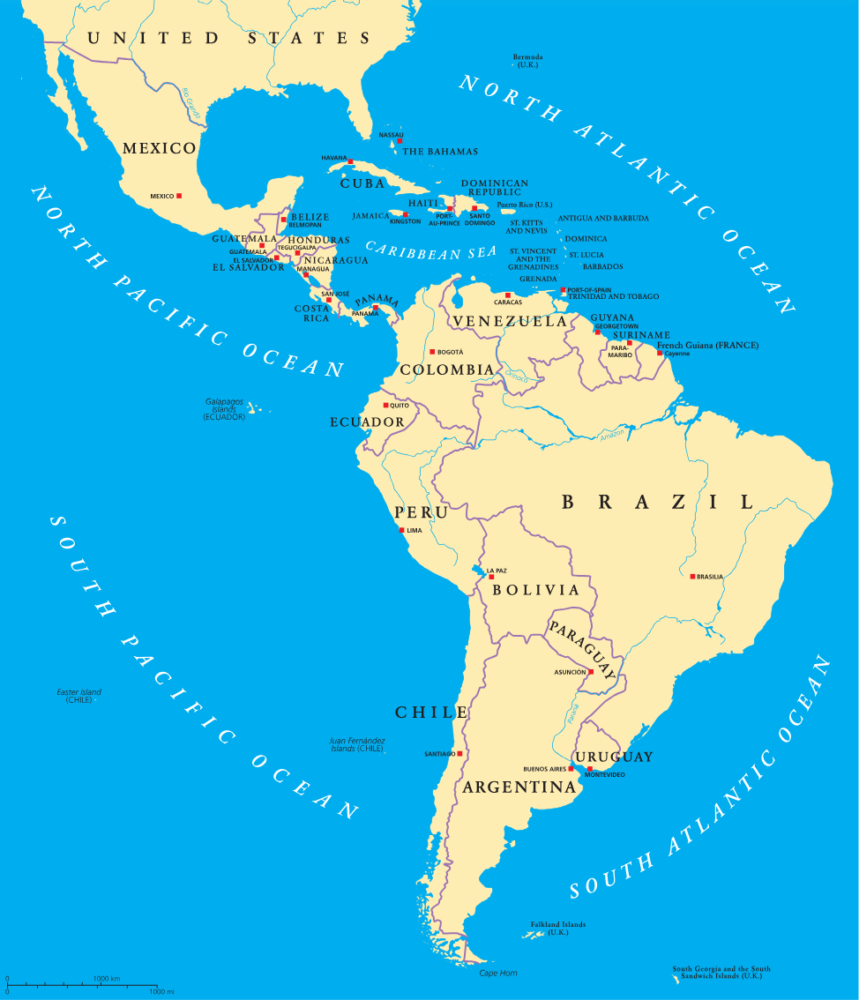
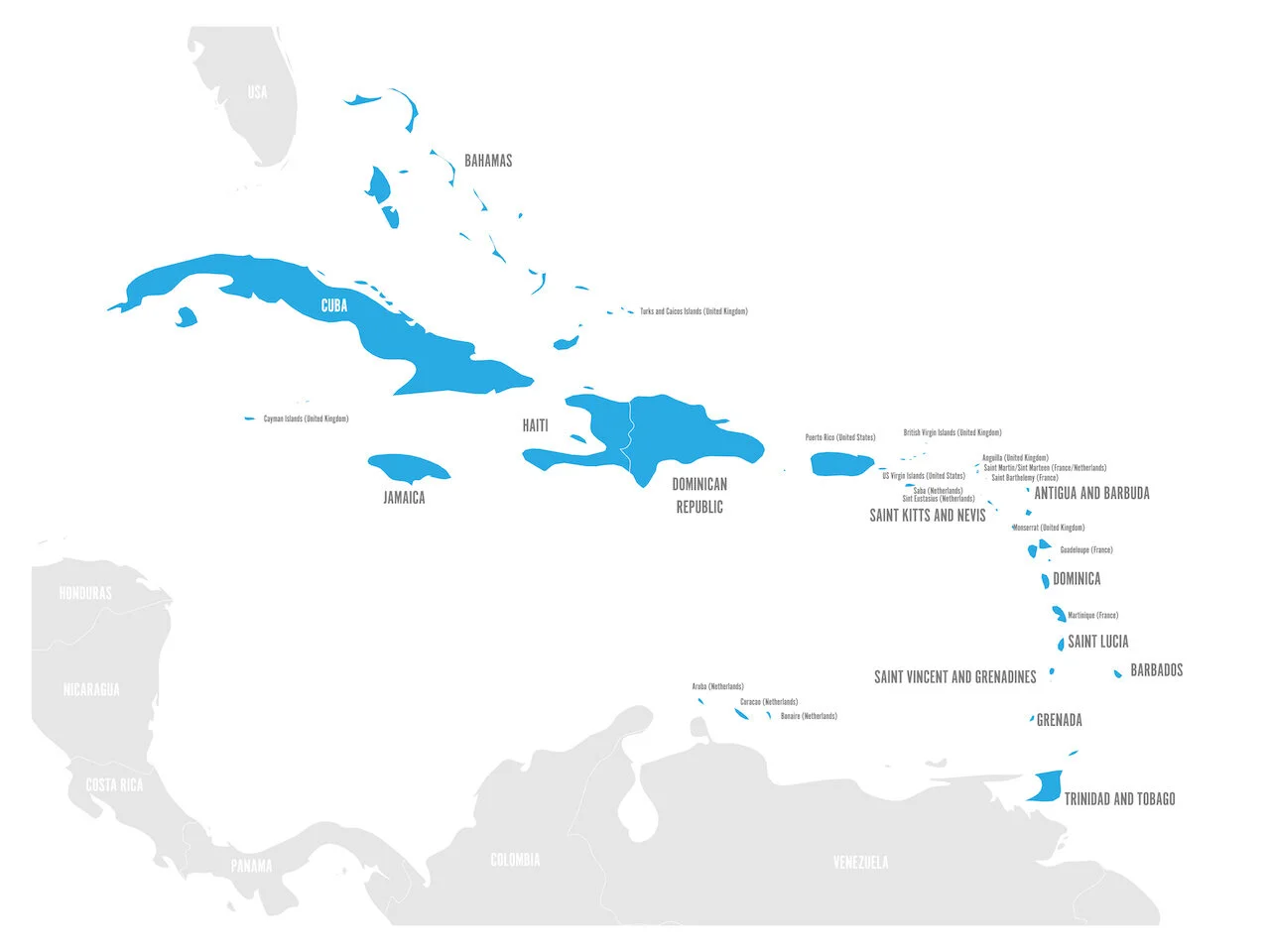
The question “Is Puerto Rico Latin America?” often sparks debate, highlighting the unique and complex identity of this vibrant Caribbean island. Geographically, Puerto Rico is undoubtedly part of the Caribbean, a region frequently included under the broader umbrella of Latin America due to shared historical, linguistic, and cultural ties. However, its political relationship with the United States as an unincorporated territory introduces a distinct layer that differentiates it from independent Latin American nations. To truly understand Puerto Rico, one must explore this fascinating duality, a blend of deep-rooted Hispanic heritage and significant American influence, which shapes its culture, economy, and everyday lifestyle. For travelers seeking to uncover its essence, this intricate identity is precisely what makes Puerto Rico an exceptionally compelling destination, offering an unparalleled range of experiences from its historic cities to its pristine natural wonders.
Defining Latin America and Puerto Rico’s Unique Identity
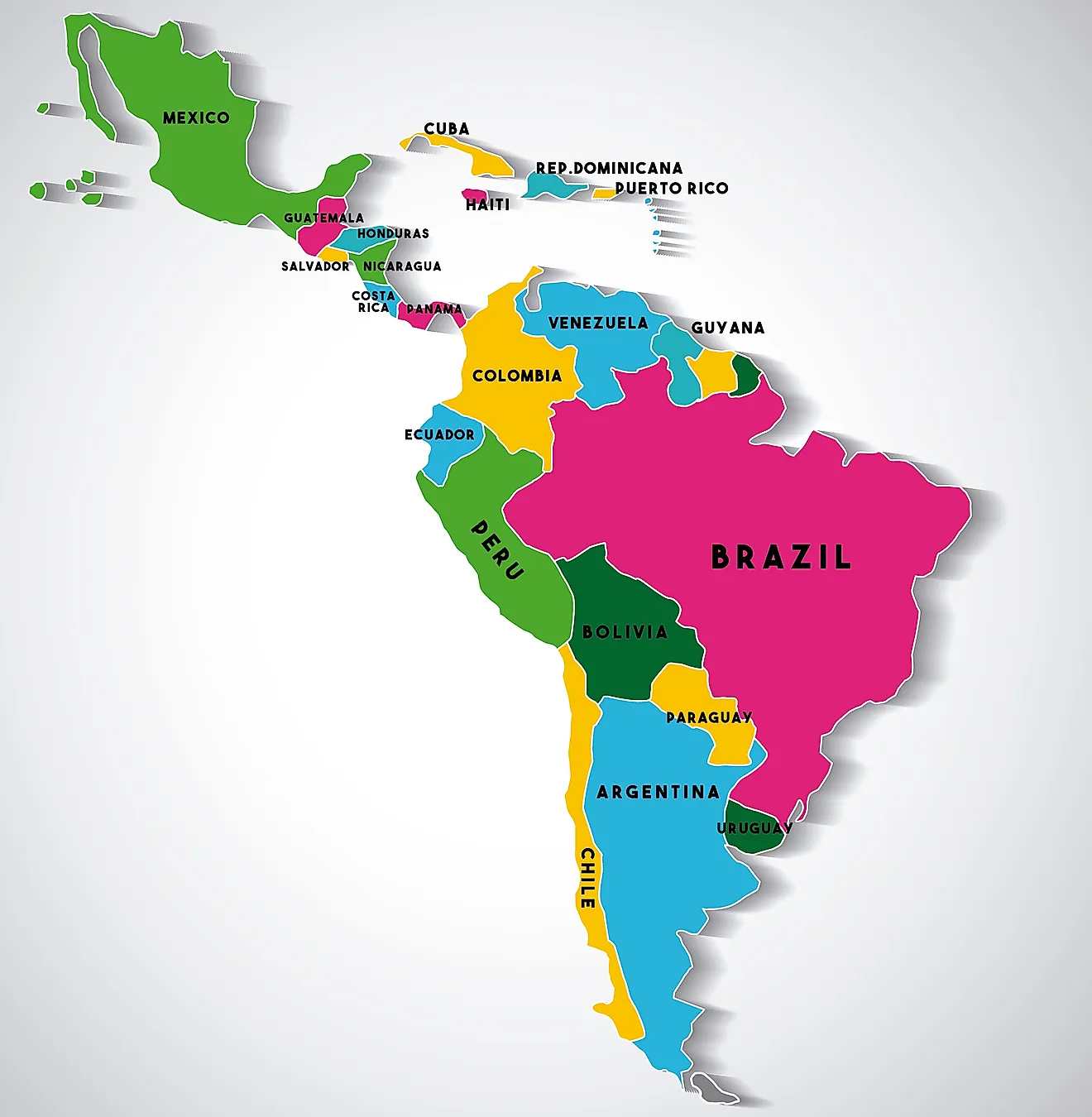
To unpack the question, it’s essential to first establish what constitutes Latin America. Generally, the term refers to countries in the Americas where Romance languages—primarily Spanish and Portuguese, but also French—are spoken. These nations typically share a common colonial history under European powers, leading to similar cultural, religious, and social structures. Puerto Rico fits many of these criteria, yet its status as a U.S. territory adds a layer of complexity that sets it apart.
The Lingua Franca and Historical Roots
The most immediate indicator placing Puerto Rico firmly within the Latin American sphere is its language. Spanish is the predominant language, spoken by the vast majority of the population, a direct legacy of over 400 years of Spanish colonial rule. From 1493, when Christopher Columbus landed, until 1898, when it was ceded to the United States after the Spanish-American War, the island’s institutions, religion, and social customs were deeply rooted in Spanish traditions. This long period of Spanish influence shaped everything from Puerto Rican family values and culinary practices to its vibrant musical genres and artistic expressions. The Catholic Church, introduced by the Spanish, remains a powerful force in many communities, mirroring its strong presence across Latin America. Walking through Old San Juan, with its cobblestone streets, colorful colonial buildings, and grand fortresses like El Morro, visitors immediately sense this profound historical connection to Spain and by extension, to the Latin American world.
A Commonwealth’s Complex Ties
The divergence begins with Puerto Rico’s political status. As a U.S. commonwealth, Puerto Ricans are U.S. citizens, carry U.S. passports, and use the U.S. dollar as their currency. This political and economic integration with the United States is a significant factor that differentiates it from independent Latin American countries. While culturally distinct, the island operates under the U.S. legal system and is subject to federal laws, even though its residents cannot vote in presidential elections and have only non-voting representation in Congress. This unique relationship means that while Puerto Rico shares a rich cultural heritage with its southern neighbors, its governance and economic frameworks are inextricably linked to the United States. This dual identity is a source of both pride and contention for many islanders, shaping their perception of themselves and their place in the world.
A Tapestry of Culture: The Latin American Heartbeat
Despite its political ties, Puerto Rico’s cultural heartbeat undeniably resonates with the rhythms of Latin America. The island is a vibrant mosaic of indigenous Taíno, Spanish, and African influences, a fusion that is characteristic of many Latin American and Caribbean cultures.
Rhythms, Flavors, and Celebrations
Nowhere is the Latin American spirit more evident than in Puerto Rican music and cuisine. The island is the birthplace of salsa music, a genre that has swept across the globe and is intrinsically linked to Latin American identity. Traditional music forms like bomba and plena, with their African roots and vibrant percussion, tell stories of the island’s diverse heritage, much like the folk music traditions found throughout other Latin American countries. Festivals and celebrations are lively, colorful affairs, often centered around religious holidays or historical events, featuring parades, music, dancing, and communal feasts—a scene familiar across the region. The food itself is a journey through Latin American flavors: hearty mofongo, savory lechón asado, and the ubiquitous arroz con gandules. These dishes share common ingredients and preparation methods with other Latin American cuisines, reflecting a shared agricultural history and culinary philosophy. For food enthusiasts, exploring Puerto Rican eateries and street food vendors is an essential part of the tourism experience, offering a genuine taste of the island’s local culture.
Architectural Echoes and Artistic Expressions
The architecture of Puerto Rico, particularly in its older towns, mirrors that of many colonial cities in Latin America. Old San Juan, a UNESCO World Heritage Site, is a prime example, with its narrow streets, brightly painted houses, wrought-iron balconies, and grand plazas. These elements are reminiscent of cities like Cartagena, Havana, or Antigua Guatemala, showcasing a shared architectural language born from Spanish colonial planning. Beyond structures, Puerto Rican art also draws heavily from Latin American and indigenous traditions, with vibrant murals, intricate crafts, and a strong narrative tradition that reflects the island’s history and social consciousness. Art galleries and museums across San Juan display works that resonate with themes found throughout the Latin American artistic landscape.
Social Fabric and Enduring Traditions
The social customs in Puerto Rico also align closely with those found in Latin America. The emphasis on strong family ties, respect for elders, warm hospitality, and a more relaxed pace of life are deeply ingrained. Community plays a central role, and personal relationships often take precedence over strict adherence to schedules. This cultural warmth is something many visitors find incredibly appealing, enhancing their travel experiences. When exploring the island, engaging with locals offers insight into this rich social fabric, providing opportunities to experience genuine Puerto Rican hospitality and understand the nuances of the island’s daily life.
The American Overlay: Modern Influences and Practicalities
While culturally Latin American, the practicalities of Puerto Rico’s existence are heavily shaped by its political and economic relationship with the United States. This American overlay is not merely superficial but impacts everything from infrastructure to common lifestyle choices.
Economic Integration and Infrastructure
The most tangible American influence lies in Puerto Rico’s economy and infrastructure. As part of the U.S. economic system, the island benefits from certain federal programs and regulations. Major U.S. brands are prevalent, shopping centers resemble those on the mainland, and the U.S. dollar facilitates seamless transactions for American tourists. The island’s infrastructure, including its roads, airports, and telecommunications, is generally more developed than in many independent Latin American countries, though it still faces significant challenges. This integration makes travel to Puerto Rico remarkably easy for U.S. citizens, who do not require a passport and can enjoy familiar banking and communication services. For business travelers, the familiarity of the U.S. legal and business frameworks can be a considerable advantage.
Bilingualism and Contemporary Lifestyle
While Spanish dominates, English is widely understood and spoken, especially in urban areas and tourism hubs. This bilingualism is a direct result of its relationship with the United States and is a unique characteristic not commonly found in many other Latin American countries to the same extent. Modern Puerto Rican lifestyle also reflects a blend of influences. While traditional values remain strong, there’s a clear adoption of American consumer culture, popular entertainment, and certain social trends. This blend creates a dynamic and multifaceted society where traditional Caribbean rhythms coexist with contemporary American conveniences and ideas.
A Gateway for Travelers and Tourists
For travelers looking for a taste of Latin America with the ease of U.S. travel, Puerto Rico is an ideal gateway. The straightforward logistics, coupled with a rich and immersive cultural experience, make it a highly accessible destination. Tourist information and guides are readily available in English, making navigation and exploration seamless. Tips for travelers often emphasize embracing the local language for a deeper immersion, but visitors can comfortably get by with English in most tourist-centric areas.
Experiencing Puerto Rico: A Blend for Every Traveler
The island’s dual identity translates into a hugely diverse range of attractions and experiences, catering to every kind of traveler, whether they seek adventure, relaxation, cultural immersion, or a blend of all three.
From Historic San Juan to Natural Wonders
Puerto Rico boasts an impressive array of landmarks. Beyond the historical sites of Old San Juan, such as Castillo San Felipe del Morro and La Fortaleza, the island is home to breathtaking natural beauty. El Yunque National Forest, the only tropical rainforest in the U.S. National Forest System, offers lush hiking trails, stunning waterfalls, and diverse wildlife. The island’s renowned bioluminescent bays in Vieques, Fajardo, and Lajas provide magical night kayaking experiences that are truly unique globally. Miles of pristine beaches, like Flamenco Beach on Culebra and Luquillo Beach, offer opportunities for swimming, sunbathing, and water sports. These natural attractions highlight the island’s incredible biodiversity and provide countless activities for those seeking to connect with nature.
Diverse Accommodation Options
When it comes to accommodation, Puerto Rico offers everything from luxury resorts to boutique hotels and charming guesthouses. San Juan and areas like Dorado feature world-class hotels with premium amenities, suites, and villas, catering to those interested in luxury travel. Options like The Ritz-Carlton, San Juan or the Dorado Beach, a Ritz-Carlton Reserve provide unparalleled comfort and service. For budget travelers or those seeking a more authentic experience, there are numerous apartments for rent, smaller local inns, and eco-lodges that offer comfortable stays without breaking the bank. Booking sites provide extensive reviews and comparison tools to help plan the perfect stay, whether it’s a short vacation or a long-term stay.
Embracing the Island Lifestyle
No matter where one stays or what attractions they visit, embracing the Puerto Rican lifestyle is key to a truly fulfilling trip. This means slowing down, enjoying the local pace, savoring the cuisine, and participating in the island’s vibrant social life. From experiencing a vibrant salsa night in Santurce to enjoying a leisurely afternoon at a roadside stand, the island offers countless ways to immerse oneself. Family trips will find engaging activities for all ages, while couples can enjoy romantic getaways. The genuine warmth and friendliness of the Puerto Rican people are often cited as highlights of any visit, making the cultural exchange a memorable part of the journey.
The Verdict: More Than Just a Label
So, is Puerto Rico Latin America? In a cultural, linguistic, and historical sense, the answer is a resounding yes. Its Spanish legacy, vibrant Afro-Caribbean rhythms, and deep-seated Latin traditions firmly plant it within the broader Latin American family. However, its political and economic association with the United States creates a unique dynamic, a powerful American influence that shapes its daily operations and contemporary lifestyle.
Ultimately, Puerto Rico is not simply one or the other; it is a fascinating synthesis of both. It is an island that proudly celebrates its Hispanic roots while navigating the complexities of its U.S. citizenship. For travelers, this blend offers the best of both worlds: the exotic allure and rich cultural immersion typically sought in Latin American destinations, combined with the convenience and infrastructure often associated with U.S. travel. Whether you visit for the stunning beaches, the historical landmarks, the exhilarating nightlife, or the delicious food, Puerto Rico promises an unforgettable experience that defies simple categorization, inviting every visitor to discover its multifaceted charm.
LifeOutOfTheBox is a participant in the Amazon Services LLC Associates Program, an affiliate advertising program designed to provide a means for sites to earn advertising fees by advertising and linking to Amazon.com. Amazon, the Amazon logo, AmazonSupply, and the AmazonSupply logo are trademarks of Amazon.com, Inc. or its affiliates. As an Amazon Associate we earn affiliate commissions from qualifying purchases.