
A Deep Dive into Identity and Culture
The question of whether Puerto Rico is “Latino” is more complex than a simple yes or no. It delves into the intricate layers of identity, history, politics, and cultural expression that define this Caribbean island and its people. While geographically positioned in the Americas and historically influenced by Spanish colonization, its unique relationship with the United States adds a distinct dimension to its cultural landscape. To understand Puerto Rico’s place within the broader “Latino” identity, we must explore its linguistic heritage, historical trajectory, and the vibrant cultural tapestry that makes it undeniably unique.

Language and Linguistic Heritage
The primary language spoken in Puerto Rico is Spanish. This linguistic link is a cornerstone of its cultural identity and a significant factor in its connection to the broader Latin American diaspora. Spanish was introduced to the island by the Spanish conquistadors in the late 15th century, and it has since evolved into a distinct dialect, often referred to as Puerto Rican Spanish. This dialect is rich with indigenous Taíno words, African influences, and even English loanwords due to historical and political ties.
The prevalence of Spanish as the everyday language spoken by the vast majority of Puerto Ricans is a primary reason why many consider the island and its inhabitants to be definitively Latino. The shared linguistic heritage with countries across Latin America fosters a sense of cultural kinship and understanding, even with variations in accent, vocabulary, and idiomatic expressions. This shared language serves as a powerful unifier, bridging cultural divides and reinforcing a collective identity.
Historical Context and Political Realities
Puerto Rico’s history is marked by a series of colonial influences, beginning with the Spanish and later transitioning to American control following the Spanish-American War in 1898. Today, Puerto Rico is an unincorporated territory of the United States, meaning its residents are U.S. citizens but do not have full voting representation in the U.S. Congress and cannot vote in presidential elections.
This unique political status complicates easy categorization. While Puerto Ricans are U.S. citizens, their experience is distinct from those living in the mainland United States. The ongoing debate about Puerto Rico’s political future – statehood, independence, or enhanced commonwealth status – reflects this complex identity.
However, political status does not negate cultural heritage. The historical impact of Spanish colonization laid the foundation for many cultural traditions and societal structures that align with those found in other Latin American nations. The rhythms of salsa and merengue, the flavors of mofongo and arroz con gandules, the vibrant festivals, and the strong sense of community are all elements that resonate deeply within the broader Latino cultural sphere.
The Taíno Legacy
Before the arrival of Europeans, the island was inhabited by the Taíno people. Their influence, though diminished by colonization and disease, persists in the Puerto Rican language, cuisine, and folklore. Many common Puerto Rican words, such as “hammock” (hamaca) and “hurricane” (huracán), have Taíno origins. This indigenous heritage adds another layer to Puerto Rico’s identity, connecting it to the pre-colonial history of the Americas, a shared element within the broader Latino experience.
African Contributions

The transatlantic slave trade also brought a significant African population to Puerto Rico. The descendants of these enslaved Africans have profoundly shaped Puerto Rican culture, particularly in music, dance, religious practices, and cuisine. The vibrant rhythms of bomba and plena, traditional music genres born from African roots, are central to the island’s cultural expression. This African influence is a common thread that runs through many Latin American cultures, further solidifying Puerto Rico’s position within the Latino spectrum.
Cultural Expression and Shared Identity
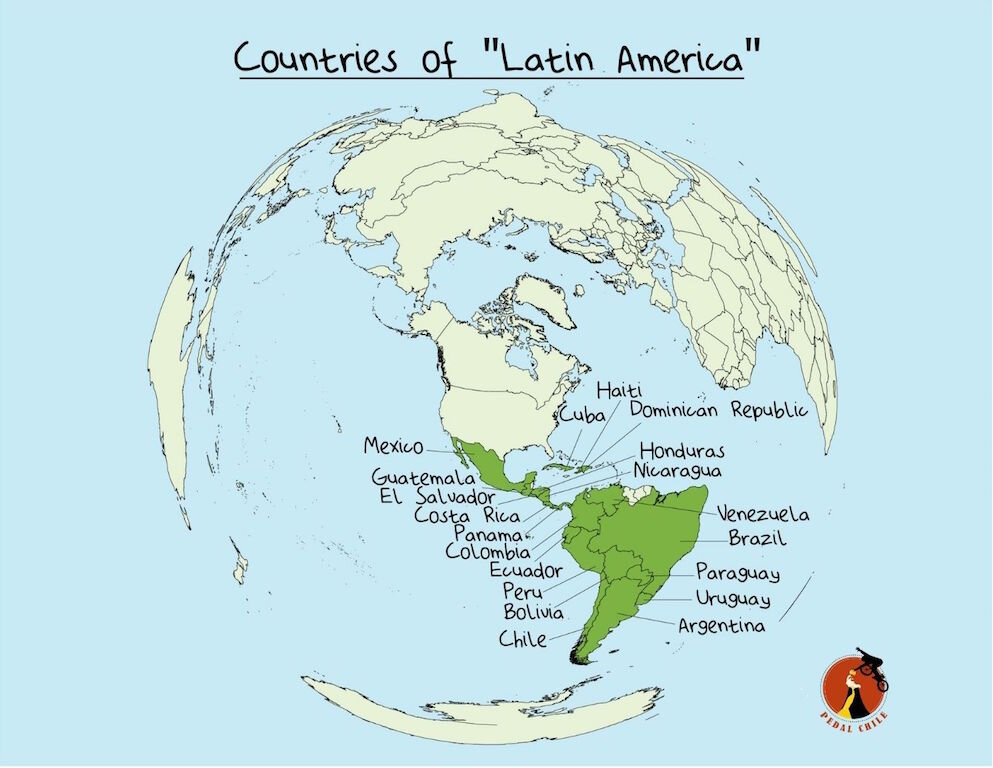
The term “Latino” itself is a broad umbrella, encompassing diverse nationalities, ethnicities, and cultural practices from Latin America and the Iberian Peninsula. It signifies a shared heritage, often rooted in Spanish or Portuguese language, a history of colonization, and a confluence of indigenous, European, and African influences.
Puerto Rico undeniably embodies these characteristics. Its culture is a rich fusion of Taíno, Spanish, and African traditions, expressed through its music, art, literature, and daily life. The island’s vibrant festivals, such as the Loíza Festival celebrating African heritage, and its artistic scene, which draws inspiration from its unique history and environment, are testaments to its strong cultural identity.
When people in the mainland United States refer to “Latinos,” they often include Puerto Ricans as a distinct but integral part of this group. This is due to the shared language, historical ties, and the significant Puerto Rican diaspora that has established communities across the U.S.. These diasporic communities often maintain strong connections to their homeland, participating in cultural events and preserving traditions, which further reinforces their Latino identity.
Culinary Connections
The cuisine of Puerto Rico offers a compelling example of its cultural connections. Staples like rice and beans, plantains, and a variety of flavorful stews and roasted meats are found throughout Latin America. Dishes like mofongo (mashed plantains with garlic and pork cracklings), arroz con gandules (rice with pigeon peas), and lechón (roast pig) are quintessential Puerto Rican culinary experiences that share common roots and preparation styles with cuisines from countries like the Dominican Republic, Cuba, and other Caribbean and Latin American nations. The shared emphasis on fresh ingredients, bold flavors, and communal dining further cements its place within the Latino gastronomic landscape.
Music and Dance
The musical landscape of Puerto Rico is inextricably linked to the broader Latino music scene. Salsa, a genre that originated in New York City but has deep roots in Cuban and Puerto Rican musical traditions, is a prime example. Puerto Ricans have been instrumental in the development and popularization of salsa, just as they have been with reggaeton, a genre that has gained global popularity and has significant influences from reggae and dancehall. The percussive rhythms and infectious energy of Puerto Rican music are universally recognized and celebrated within Latino communities worldwide.
Navigating the Nuances
While the shared language, history, and cultural expressions strongly suggest that Puerto Rico is Latino, it is essential to acknowledge the complexities. The term “Latino” is fluid and can be interpreted differently by individuals and communities. Some Puerto Ricans may identify more strongly with their specific national identity, while others embrace the broader “Latino” label as a way to connect with a larger cultural group.
Furthermore, the influence of American culture is undeniable, especially given Puerto Rico’s political status. English is widely spoken, particularly in business and government, and elements of U.S. pop culture are prevalent. However, this does not erase the foundational elements of Puerto Rican identity that align with the Latino experience.
In conclusion, the question of whether Puerto Rico is Latino is best answered by understanding the multifaceted nature of identity. Linguistically, historically, and culturally, Puerto Rico shares profound connections with the diverse tapestry of Latin America. While its unique political relationship with the United States presents a distinct context, it does not diminish the island’s rich Latino heritage. Puerto Rico is a vibrant and integral part of the Latino world, offering its own unique flavors, rhythms, and stories to this expansive cultural identity.
LifeOutOfTheBox is a participant in the Amazon Services LLC Associates Program, an affiliate advertising program designed to provide a means for sites to earn advertising fees by advertising and linking to Amazon.com. Amazon, the Amazon logo, AmazonSupply, and the AmazonSupply logo are trademarks of Amazon.com, Inc. or its affiliates. As an Amazon Associate we earn affiliate commissions from qualifying purchases.