
The question of whether Puerto Rico belongs to North America is a common one, sparking curiosity among travelers, geographers, and history buffs alike. While its political status and geographical nuances can be complex, understanding its relationship to the North American continent is key to appreciating its unique identity. This exploration will delve into the geographical, cultural, and political facets that shape Puerto Rico’s place in the world, offering insights for anyone planning a visit, considering a long-term stay, or simply eager to learn more about this vibrant island.
Geographical Perspectives: Where Does Puerto Rico Sit?
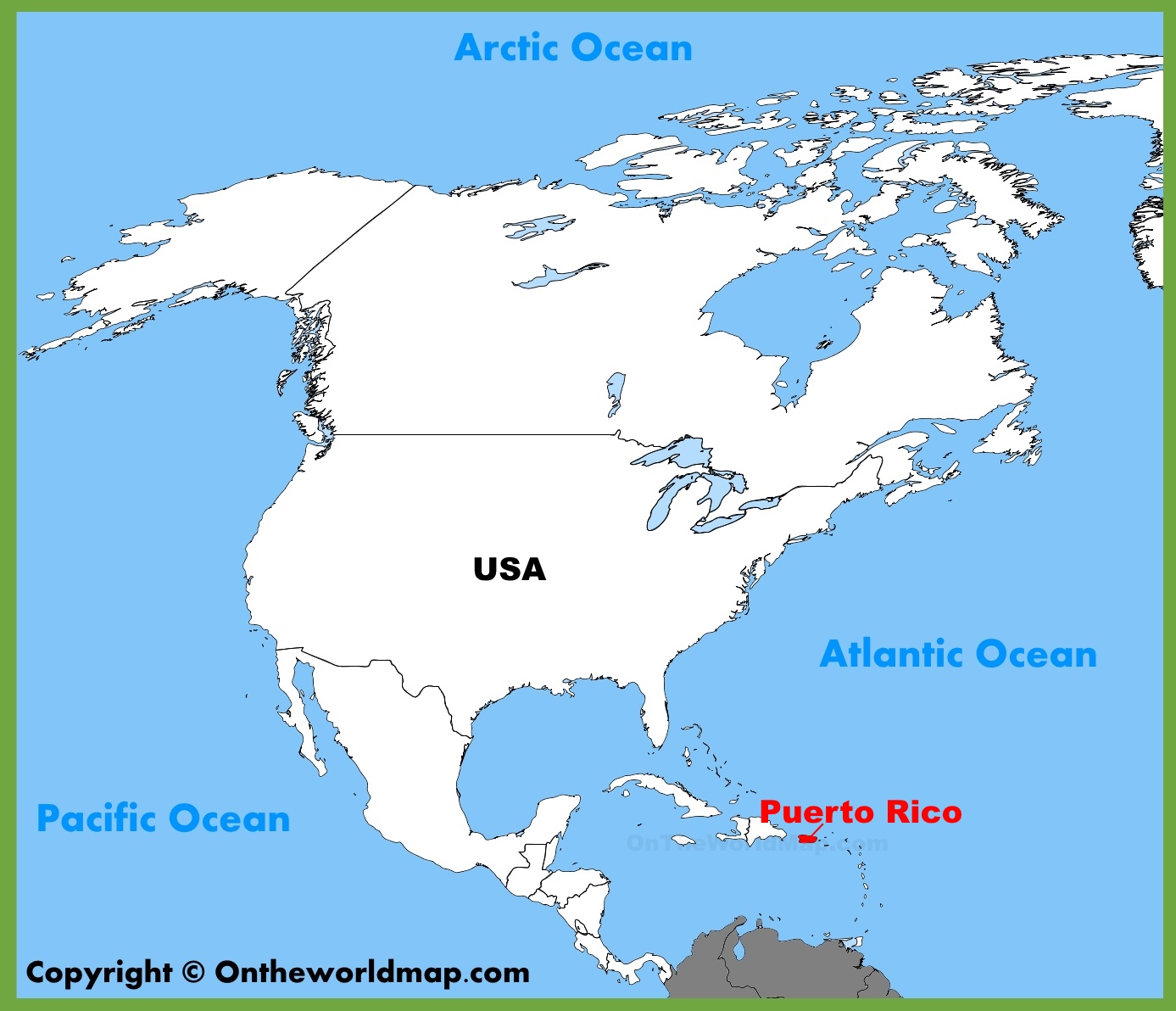
To answer whether Puerto Rico is part of North America, we must first consider its geographical location. Puerto Rico is an island territory of the United States, situated in the Caribbean Sea. This location is crucial to understanding its continental affiliation.

The Caribbean Sea: A Distinct Region
The Caribbean Sea is a body of water bordered by the Greater Antilles to the north and west, the Lesser Antilles to the south and east, and the Yucatán Peninsula and the mainland of Central America to the southwest. This region is geologically and culturally distinct from the mainland continents. While geographically close to North America, the Caribbean is often considered its own distinct region due to its unique geological formation, biodiversity, and cultural tapestry.
Geologically, the Caribbean Plate is a minor tectonic plate located in the Caribbean Sea. This plate is responsible for the volcanic activity and seismic events common in the region. Puerto Rico itself lies on the Puerto Rico Trench, the deepest part of the Atlantic Ocean, a testament to its unique geological setting. This trench is a direct result of the interaction between the North American Plate and the Caribbean Plate.
From a continental perspective, North America typically encompasses Canada, the United States, and Mexico. However, the definition can extend to include the island nations and territories within the Caribbean Sea and the continent of Central America. The ambiguity often arises because the Caribbean islands are not a single, unified landmass but a collection of islands with varying political and cultural affiliations.
Proximity to the United States
Puerto Rico’s political ties to the United States often lead to its inclusion in discussions about North America. As an unincorporated territory, Puerto Ricans are U.S. citizens, and the island follows U.S. federal laws. This close relationship, coupled with its location just southeast of Florida, naturally places it in discussions related to the North American sphere of influence. Many airlines flying from the United States to Puerto Rico list it under North American destinations, further solidifying this perception for travelers.
Cultural Identity: A Blend of Influences
While geography provides one lens through which to view Puerto Rico’s continental affiliation, its rich cultural identity offers another. Puerto Rican culture is a vibrant fusion of Taíno, Spanish, and African influences, with significant contributions from immigrants from the United States and other parts of the world. This unique blend creates a distinct cultural landscape that is neither solely North American nor entirely something else.
Taíno Heritage: The Indigenous Roots
The original inhabitants of Puerto Rico were the Taíno people. Their legacy can be seen in the island’s place names, language, and traditions. While their direct lineage has diminished, their influence is a foundational element of Puerto Rican identity, contributing to a sense of deep historical roots distinct from the more recent colonization patterns in mainland North America.
Spanish Colonization: A Lasting Imprint
Spain’s colonization of Puerto Rico beginning in the 15th century left an indelible mark on the island. The Spanish language, Roman Catholic religion, architecture, and many culinary traditions are direct results of this era. This Iberian influence sets Puerto Rico apart from the predominantly English and French colonial histories of Canada and parts of the United States.
African and Other Influences: A Global Mosaic
The transatlantic slave trade brought African culture and people to the island, enriching its music, dance, and cuisine. Later waves of immigrants from Europe, the Middle East, and other parts of the Americas further diversified the cultural mosaic. This complex interplay of global influences contributes to Puerto Rico’s unique cultural dynamism, a characteristic often associated with the Caribbean region as a whole.
Travel and Tourism: Exploring Puerto Rico
For travelers, understanding Puerto Rico’s place in the world can enhance their experience. Whether you are looking for tropical getaways, cultural immersion, or historical exploration, Puerto Rico offers a wealth of opportunities.
Destinations and Attractions
From the bustling streets of San Juan to the pristine beaches of Vieques and Culebra, Puerto Rico is a diverse travel destination. Old San Juan, a UNESCO World Heritage Site, boasts stunning Spanish colonial architecture, including the iconic Castillo San Felipe del Morro and Castillo San Cristóbal. The El Yunque National Forest, the only tropical rainforest in the U.S. National Forest System, offers hiking trails and breathtaking natural beauty. For those seeking adventure, the bioluminescent bays of Mosquito Bay on Vieques provide a magical nighttime experience.
Hotels and Accommodation
Puerto Rico offers a wide range of accommodation options to suit every budget and travel style. Luxury travelers can find opulent resorts like the Dorado Beach, a Ritz-Carlton Reserve, offering unparalleled service and amenities. For families, a stay at a resort with dedicated kids’ clubs and pools, such as the Wyndham Grand Rio Mar Puerto Rico Golf & Beach Resort, can be ideal. Budget travelers might opt for charming guesthouses or apartments booked through platforms like Airbnb, providing a more local feel. Many hotels, including the Condado Vanderbilt Hotel and The St. Regis Bahia Beach Resort, are situated in prime locations, offering easy access to beaches and attractions. Long-term stays can also be arranged, making Puerto Rico a viable option for digital nomads or those seeking an extended Caribbean escape.
Local Culture, Food, and Experiences
Immersing yourself in Puerto Rican culture is a highlight of any visit. The island’s cuisine is a delicious reflection of its diverse heritage, with dishes like mofongo (mashed plantains with garlic and pork cracklings), arroz con gandules (rice with pigeon peas), and lechón (roast suckling pig) being local favorites. Exploring local markets, attending salsa dancing classes, or visiting a rum distillery like Bacardí are quintessential Puerto Rican experiences. The warmth and hospitality of the Puerto Rican people, known as Boricuas, are renowned, making every visitor feel welcome.
Political Status: An Unincorporated Territory
The political relationship between Puerto Rico and the United States is a critical factor when considering its continental affiliation. Puerto Rico is an unincorporated territory of the United States, meaning that while it belongs to the U.S., the U.S. Constitution does not apply to it fully, unlike states. This status grants Puerto Ricans U.S. citizenship but does not grant them full representation in Congress nor the right to vote in presidential elections.
The U.S. Connection
This territorial status means that Puerto Rico is often grouped with the United States in international contexts, particularly in sports and trade. However, its lack of statehood or independence means it occupies a unique political space. The debate over Puerto Rico’s political future – statehood, independence, or maintaining the current territorial status – is ongoing and significantly shapes how the island is perceived, both domestically and internationally.

Is it North America? The Final Word
So, is Puerto Rico North America? Geographically, it resides in the Caribbean Sea, a region distinct from the mainland continents. However, its close political and cultural ties to the United States, coupled with its proximity, often lead to it being considered within the broader North American sphere.
Ultimately, the answer depends on the definition used. If North America is strictly defined as the United States, Canada, and Mexico, then Puerto Rico, being a territory, doesn’t fit neatly. If North America is understood more broadly to include the Caribbean and its associated islands that share significant cultural and political ties with the United States, then Puerto Rico can be considered part of it.
For travelers and those interested in the island’s unique allure, it’s perhaps more fruitful to appreciate Puerto Rico for its own distinct identity – a vibrant island nation with a rich history, a captivating culture, and breathtaking natural beauty, uniquely positioned at the crossroads of the Caribbean and the North American sphere. Whether you’re planning a trip to San Juan, a serene escape to Culebra, or an adventure through El Yunque, Puerto Rico promises an unforgettable experience.
LifeOutOfTheBox is a participant in the Amazon Services LLC Associates Program, an affiliate advertising program designed to provide a means for sites to earn advertising fees by advertising and linking to Amazon.com. Amazon, the Amazon logo, AmazonSupply, and the AmazonSupply logo are trademarks of Amazon.com, Inc. or its affiliates. As an Amazon Associate we earn affiliate commissions from qualifying purchases.