
The question “Is Puerto Rico part of America?” is a common one, often sparking curiosity and sometimes confusion among travelers and those unfamiliar with its unique political status. The simple answer is yes, but it’s a nuanced “yes” that unlocks a fascinating story of history, culture, and a distinct identity. While Puerto Rico is indeed a territory of the United States, its relationship with the mainland is unlike that of any U.S. state, offering a blend of familiar comforts and vibrant Caribbean charm. This distinctive status profoundly influences every aspect of the island, from its governance and economy to its dynamic culture and, crucially, the experience it offers to visitors seeking unparalleled travel adventures.
For those planning their next escape, understanding Puerto Rico’s ties to the United States is key to appreciating its rich tapestry. It means U.S. citizens can travel without a passport, use the U.S. dollar, and benefit from U.S. postal services, all while immersing themselves in a world that feels wonderfully foreign. This article will delve into the complexities of Puerto Rico’s political landscape, explore its breathtaking destinations, diverse accommodations, and the rich cultural experiences that make it an unforgettable travel hotspot, highlighting why this “Enchanted Isle” truly stands in a league of its own.
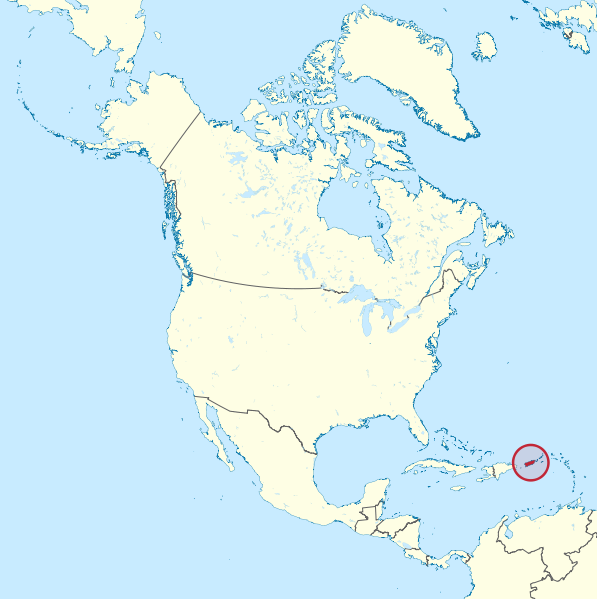
Unpacking Puerto Rico’s Unique Status
To truly grasp Puerto Rico’s place within the American framework, one must look beyond simple geography and into the intricacies of its political definition. It is neither an independent nation nor a fully integrated state, occupying a fascinating space in between.
A Commonwealth, Not a State
Puerto Rico operates as an unincorporated territory of the United States, officially known as the Commonwealth of Puerto Rico. This designation means that while it is under the sovereignty of the United States and its residents are U.S. citizens, it has a significant degree of local self-governance. Puerto Ricans elect their own governor and legislature, craft their own laws, and manage their local affairs. However, certain federal laws apply, and ultimate authority rests with the U.S. Congress.
Unlike states, Puerto Rico does not have voting representation in the U.S. Congress, nor do its residents vote in presidential elections, although they can participate in presidential primaries. This unique arrangement grants the island a level of autonomy that fosters its distinct cultural identity, while simultaneously integrating it into the broader American system in many practical ways. For travelers, this means a reassuring sense of familiarity—driving on the right, using familiar currency and banking systems—coupled with the thrill of exploring a vibrant, unique destination.
Historical Ties and Political Evolution
The relationship between Puerto Rico and the United States began in 1898, following the Spanish-American War, when Spain ceded the island to the U.S. For decades, it was governed directly by the U.S. military. The Jones-Shafroth Act of 1917 marked a pivotal moment, granting statutory U.S. citizenship to Puerto Ricans, allowing them greater rights and the ability to travel freely between the island and the mainland. In 1952, Puerto Rico adopted its own constitution, establishing the commonwealth status that defines it today.
This historical evolution has shaped a complex identity, where Spanish heritage and American influence intertwine. The ongoing debate about Puerto Rico’s future status—whether it should become a U.S. state, gain full independence, or retain its commonwealth arrangement—is a fundamental part of its contemporary political landscape. For visitors, this rich history is palpable in the architecture of Old San Juan, the colonial fortresses, and the blend of languages and traditions that define the island’s unique charm.
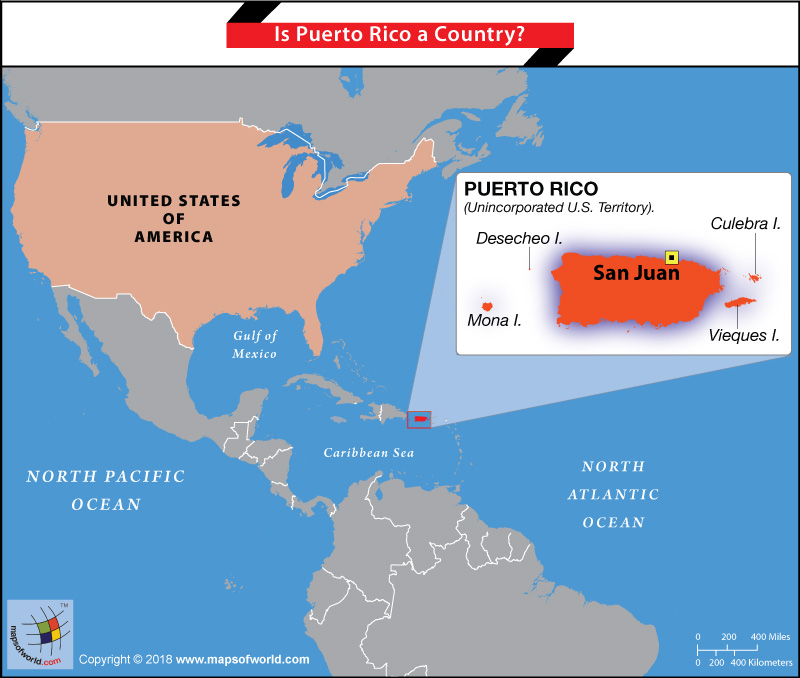
U.S. Citizenship and Shared Currency
One of the most significant aspects of Puerto Rico’s connection to the United States, especially for travelers, is that its residents are U.S. citizens. This means seamless travel for U.S. citizens visiting the island; no passport is required, just a valid government-issued ID. The official currency is the U.S. dollar, simplifying transactions and budgeting. English and Spanish are both official languages, though Spanish is more widely spoken, especially outside major tourist areas. This linguistic duality enriches the cultural experience, allowing travelers to practice their Spanish or rely on English, making the island accessible to a broad range of visitors.
The shared citizenship also impacts practical aspects of life, including banking, communications, and legal frameworks, providing a sense of security and familiarity that can be reassuring for many international travelers. These factors contribute significantly to making Puerto Rico an exceptionally accessible and appealing destination for those seeking an exotic escape without venturing too far from home, literally and figuratively.
Exploring Puerto Rico: An American Caribbean Gem
With its unique political status clarified, it becomes evident that Puerto Rico offers the best of both worlds: the accessibility and protections of a U.S. territory combined with the vibrant culture and stunning natural beauty of the Caribbean. This makes it an unparalleled destination for a wide range of travel experiences.
Travel and Tourism: A World of Discovery
Puerto Rico’s tourism sector thrives on its incredible diversity, catering to every type of traveler. From the historic cobblestone streets of Old San Juan to the lush rainforests and pristine beaches, the island is a treasure trove of attractions.
Historical and Cultural Exploration: Old San Juan is a UNESCO World Heritage site, boasting colorful colonial architecture, centuries-old fortifications like Castillo San Felipe del Morro and Castillo de San Cristóbal, and vibrant plazas. Walking tours offer deep dives into the island’s Spanish legacy, while museums like the Ponce Art Museum showcase local and international artistry.
Adventure and Nature: The island is a paradise for outdoor enthusiasts. El Yunque National Forest, the only tropical rainforest in the U.S. National Forest System, invites visitors to hike to waterfalls, discover unique flora and fauna, and witness breathtaking panoramic views. The mesmerizing Bioluminescent Bays, particularly Mosquito Bay on Vieques, offer an unforgettable kayaking experience under a starry sky as microorganisms light up the water. For cave explorers, the vast underground network of Camuy River Cave Park provides an exhilarating journey.
Beaches and Water Sports: Puerto Rico is synonymous with stunning beaches. Flamenco Beach on the island of Culebra is consistently ranked among the world’s best, renowned for its soft white sand and turquoise waters. Surfers flock to the western town of Rincón, while divers and snorkelers can explore vibrant coral reefs teeming with marine life. Kayaking, paddleboarding, and sailing are also popular activities, especially around the coastal towns like Fajardo.
Gastronomy: Puerto Rican cuisine is a delicious fusion of Spanish, African, and Taíno influences. From street food like pinchos (skewers) and alcapurrias (fritters) to fine dining establishments serving contemporary interpretations of traditional dishes, the food scene is a major draw. Don’t miss trying mofongo, lechon asado, and freshly caught seafood. Culinary tours and cooking classes offer deeper insights into this flavorful culture.

Accommodation: From Historic Stays to Luxury Resorts
The island offers an incredibly diverse range of accommodation options, suitable for every budget and travel style. Whether you’re seeking a lavish retreat, a charming boutique hotel, or a budget-friendly guesthouse, Puerto Rico delivers.
Luxury Resorts and Hotels: For those seeking opulent experiences, coastal areas like Dorado and San Juan boast world-class resorts such as Dorado Beach, a Ritz-Carlton Reserve and the Condado Vanderbilt Hotel. These establishments offer exceptional amenities, including private beaches, gourmet restaurants, spas, and infinity pools, perfect for a luxurious lifestyle vacation. Large-scale resorts like El Conquistador Resort in Fajardo provide extensive facilities, often including water parks and golf courses, ideal for family trips.
Boutique Hotels and Guesthouses: In Old San Juan, charming boutique hotels like Hotel El Convento, housed in a meticulously restored 17th-century convent, offer a blend of history and modern comfort. These smaller properties provide a more intimate experience, often reflecting the local culture and architectural heritage. Guesthouses in towns like Rincón or Vieques cater to those looking for a more laid-back, local vibe.
Vacation Rentals and Apartments: For longer stays, family trips, or budget travelers, vacation rentals such as apartments and villas are widely available through platforms like Airbnb and VRBO. These options often come with kitchens and more living space, offering flexibility and a home-away-from-home feel. This type of accommodation is particularly popular for groups or those desiring an immersive, long-term stay experience.
Eco-lodges and Glamping: Reflecting a growing interest in sustainable tourism, Puerto Rico also offers unique eco-lodges and glamping experiences, particularly in its more rural and natural areas. These options allow visitors to connect with nature while maintaining a comfortable stay, aligning with adventurous or environmentally conscious lifestyles.
Booking accommodations in Puerto Rico is straightforward, with numerous online platforms available for comparison and reviews. Many properties also offer special deals for long-term stays or package deals combining flights and hotels.
Embracing Puerto Rican Culture and Lifestyle
Beyond its political status and stunning landscapes, Puerto Rico’s true magic lies in its vibrant culture and the infectious warmth of its people. This unique lifestyle, shaped by centuries of diverse influences, is what truly captivates visitors.
Culinary Delights and Vibrant Traditions
Puerto Rican cuisine is a celebration of flavors, a testament to the island’s multicultural heritage. It’s often referred to as cocina criolla, blending indigenous Taíno ingredients, Spanish cooking techniques, and African spices. Staples include rice and beans (arroz con habichuelas), plantains (fried as tostones or mashed as mofongo), and slow-roasted pork (lechon asado). Seafood is abundant and fresh, especially along the coast. Don’t forget to try a refreshing piña colada, which was invented in Puerto Rico. The vibrant food scene extends from bustling street food kiosks to upscale restaurants in San Juan and Ponce.
Music and dance are integral to the Puerto Rican lifestyle. Genres like salsa, merengue, and bomba y plena fill the air, especially during festivals and local gatherings. The annual San Sebastián Street Festival in Old San Juan is a testament to this vivacity, transforming the historic district into an explosion of music, dance, and traditional crafts. These cultural experiences provide invaluable insights into the soul of the island, allowing tourists to fully immerse themselves in local life and traditions.
Natural Wonders and Iconic Landmarks
Puerto Rico’s natural beauty is as diverse as its history. From the peaks of El Yunque National Forest to the underwater marvels of its coral reefs, the island is a haven for nature lovers. The Bioluminescent Bays are a true natural phenomenon, offering magical night-time tours that highlight the island’s unique ecosystems. The pristine beaches of Culebra and Vieques, often requiring a ferry ride, feel like hidden paradises, perfect for relaxation and unhurried enjoyment.
Man-made landmarks also tell a compelling story. The fortifications of Old San Juan, such as Castillo San Felipe del Morro and Castillo de San Cristóbal, are iconic symbols of the island’s strategic importance throughout history. These sites not only offer breathtaking views of the ocean but also provide a tangible connection to centuries of military and colonial legacy. Further inland, the Arecibo Observatory, despite recent damage, stands as a testament to scientific endeavor and a fascinating landmark of modern history. Exploring these landmarks is essential for any itinerary, offering a blend of education, awe, and photographic opportunities.
Planning Your Journey to the Enchanted Isle
Visiting Puerto Rico is an experience that combines the ease of domestic travel with the allure of an international destination. Planning your trip efficiently will ensure you make the most of this incredible island.
Essential Tips for Travelers
For U.S. citizens, travel to Puerto Rico is incredibly simple: no passport is required, just a valid government-issued ID. The official currency is the U.S. dollar, and major credit cards are widely accepted. While Spanish is the primary language, English is commonly understood in tourist areas, hotels, and major cities like San Juan. It’s always appreciated, however, if visitors make an effort to use a few basic Spanish phrases.
Transportation on the island can range from taxis and ride-sharing services in urban areas to rental cars, which are highly recommended for exploring more remote attractions like El Yunque National Forest or the beaches of Rincón. The roads are generally well-maintained, but some rural routes can be winding. Public transportation is limited outside of San Juan. When it comes to connectivity, cell phone service is reliable, and Wi-Fi is readily available in most accommodations and cafes, making it easy to share your experiences and stay connected.
A Destination for Every Lifestyle
Puerto Rico’s diverse offerings make it an ideal destination for various travel lifestyles.
Luxury Travel: Indulge in five-star resorts, private villas, and exclusive experiences such as yacht charters and personalized culinary tours. The amenities at places like Dorado Beach, a Ritz-Carlton Reserve offer unparalleled comfort and service.
Budget Travel: With numerous guesthouses, hostels, and vacation rentals, it’s possible to experience Puerto Rico without breaking the bank. Enjoy affordable local food, utilize public beaches, and explore free attractions like the historic streets of Old San Juan.
Family Trips: The island is incredibly family-friendly, offering everything from calm beaches perfect for young children to adventurous activities like rainforest hikes and bioluminescent bay tours for older kids. Many resorts cater specifically to families with kids’ clubs and dedicated activity programs.
Business Stays: San Juan serves as a significant hub for business and conferences, with modern hotels equipped with meeting facilities and convenient access to the airport. The blend of business and leisure opportunities makes it an attractive location for corporate travel.
Adventure Seekers: Kayaking through a bioluminescent bay, zip-lining through the forest, surfing in Rincón, or exploring vast cave systems provides an adrenaline rush for the adventurous soul.
Conclusion
So, is Puerto Rico part of America? The answer is an resounding “yes,” but one that comes with a rich, historical, and cultural narrative. It is a United States territory, a Commonwealth of Puerto Rico, where U.S. laws apply, citizens enjoy freedom of movement, and the U.S. dollar is the official currency. Yet, it proudly maintains its distinct Puerto Rican identity, characterized by its Spanish language, vibrant Caribbean culture, and unique traditions.
For travelers, this dual identity makes Puerto Rico an extraordinary destination. It offers the ease and familiarity of domestic travel for U.S. citizens, removing the need for passports and currency exchange, while simultaneously delivering an exotic and immersive cultural experience. From the historic fortifications of Old San Juan and the lush trails of El Yunque National Forest to the luxurious resorts and authentic local eateries, Puerto Rico truly is an enchanted isle. It is a destination that invites discovery, promising memorable experiences whether you’re seeking adventure, relaxation, cultural immersion, or simply a taste of island paradise. It is, undeniably, a remarkable part of the American mosaic, offering a world of exploration just a flight away.
LifeOutOfTheBox is a participant in the Amazon Services LLC Associates Program, an affiliate advertising program designed to provide a means for sites to earn advertising fees by advertising and linking to Amazon.com. Amazon, the Amazon logo, AmazonSupply, and the AmazonSupply logo are trademarks of Amazon.com, Inc. or its affiliates. As an Amazon Associate we earn affiliate commissions from qualifying purchases.