
The question “Is Puerto Rico part of the United States?” is one that sparks curiosity for many travelers and often leads to a fascinating journey through history, politics, and culture. While it might appear as a simple yes or no query, the reality is far more nuanced, reflecting a unique and complex relationship. Located in the Caribbean Sea, Puerto Rico is indeed a territory of the United States, holding the official designation of an unincorporated commonwealth. This status means that while its residents are U.S. citizens and utilize the U.S. Dollar, the island maintains a distinct cultural identity and a degree of local self-governance.
For travelers, this unique political tapestry translates into a seamless and incredibly accessible experience, combining the conveniences of domestic U.S. travel with the allure of an exotic international destination. Imagine exploring ancient fortresses, hiking through lush rainforests, and relaxing on world-class beaches, all without the need for a passport (for U.S. citizens) or currency exchange. Puerto Rico is a vibrant mosaic of Spanish, Taíno, and African influences, woven into a modern American context, offering a rich blend of history, breathtaking natural beauty, and a lively local culture that is truly unforgettable. This guide delves into the specifics of Puerto Rico’s relationship with the U.S. and explores why it should be at the top of your travel list.
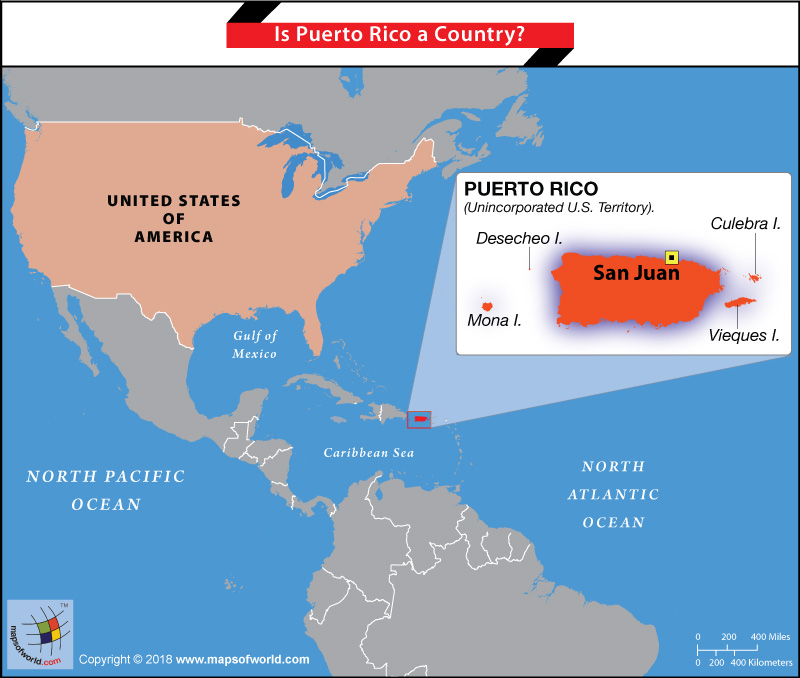
A Unique Political Tapestry: Unpacking Puerto Rico’s Status
Understanding Puerto Rico’s political status is crucial to appreciating its identity and the experience it offers. It’s a story rooted deeply in history, shaped by centuries of colonial rule and modern geopolitical shifts.
The Historical Journey to Commonwealth Status
The island now known as Puerto Rico was originally inhabited by the indigenous Taíno people before the arrival of Christopher Columbus in 1493, marking the beginning of over 400 years of Spanish colonial rule. During this extensive period, the island’s culture, language, and architectural heritage were profoundly shaped by Spain, evident in the cobblestone streets and colorful buildings of Old San Juan.
The pivotal shift in Puerto Rico’s sovereignty occurred at the end of the 19th century. In 1898, following the Spanish-American War, Spain ceded Puerto Rico to the United States under the Treaty of Paris. This marked the end of Spanish dominion and the beginning of U.S. territorial governance. Initially, residents of Puerto Rico were considered citizens of Puerto Rico, not the U.S.. The Foraker Act of 1900 established a civilian government and classified Puerto Rico as an “unincorporated territory,” meaning the full U.S. Constitution does not automatically apply.

A significant change came with the Jones-Shafroth Act in 1917, which granted U.S. citizenship to Puerto Ricans. This meant they could serve in the U.S. military and travel freely to the mainland U.S.. In 1952, Puerto Rico adopted its own constitution, establishing itself as a commonwealth – a self-governing entity “in union with” the United States. This status grants Puerto Rico its own legislative, executive, and judicial branches, with a degree of fiscal autonomy, while remaining subject to U.S. federal law.
What it Means for Visitors and Residents
For U.S. citizens, visiting Puerto Rico is remarkably similar to domestic travel. No passport is required, making spontaneous getaways incredibly easy. The official currency is the U.S. Dollar, and English is widely spoken, especially in tourist areas, though Spanish remains the primary language and is essential for deeper cultural immersion. The U.S. Postal Service operates on the island, and standard U.S. electrical outlets are used, removing many of the typical international travel hurdles. Cell phone service is generally reliable, with major U.S. carriers providing coverage at domestic rates.
Residents of Puerto Rico enjoy many benefits of U.S. citizenship, including the freedom to travel, work, and reside anywhere in the United States. They pay federal taxes like Social Security and Medicare but are generally exempt from federal income tax on income earned within Puerto Rico. However, they cannot vote in federal elections for president and have a non-voting representative in the U.S. Congress. This “best of both worlds” scenario, combining U.S. convenience with a distinct Caribbean identity, makes Puerto Rico an enticing destination for both short visits and extended stays.
Discovering Puerto Rico: A Traveler’s Paradise
Beyond its political status, Puerto Rico shines as a premier travel destination, offering an incredible diversity of landscapes, rich cultural experiences, and an abundance of activities that cater to every type of traveler. From historic cityscapes to pristine natural wonders, the island truly has it all.
Diverse Landscapes and Attractions
Puerto Rico’s geography is remarkably varied for its size. In the northeast lies the magnificent El Yunque National Forest, the only tropical rainforest in the U.S. National Forest System. Here, visitors can hike through verdant trails, discover hidden waterfalls like La Mina Falls, and marvel at its unique biodiversity, including the tiny coquí frog, an iconic symbol of the island.
For beach lovers, Puerto Rico boasts some of the world’s most stunning coastlines. The island of Culebra is home to Flamenco Beach, frequently ranked among the top beaches globally, famous for its white sands, turquoise waters, and unique tank remnants from its past as a naval gunnery range. Other notable beaches include Luquillo Beach near El Yunque and the surfer’s paradise of Rincón on the west coast.
A truly magical experience awaits at Puerto Rico’s bioluminescent bays, particularly Mosquito Bay on Vieques Island. These rare natural phenomena allow visitors to kayak through waters that glow with millions of microscopic organisms, creating an ethereal, otherworldly spectacle, best observed on a moonless night.
History buffs will be captivated by the cobblestone streets and colorful colonial architecture of Old San Juan. This historic district is a UNESCO World Heritage Site and home to iconic landmarks such as the imposing fortress of El Morro, the smaller but equally significant Castillo de San Cristóbal, and La Fortaleza, the governor’s mansion. Walking tours reveal hidden plazas, vibrant street art, and charming boutiques, making it an endless source of exploration. Beyond San Juan, cities like Ponce, known as the “Pearl of the South,” offer elegant neoclassical architecture and a distinct regional charm, exemplified by the iconic Parque de Bombas.
Cultural Immersion and Local Flavors
Puerto Rico’s culture is a dynamic fusion, primarily influenced by its Spanish, Taíno, and African roots, with a modern American overlay. This rich heritage is palpable in its music, art, and most notably, its cuisine. Puerto Rican food, known as comida criolla, is a flavorful blend of sweet and savory, often featuring plantains, pork, and seafood. Staples like mofongo (fried plantain mashed with garlic and pork cracklings), lechón (spit-roasted pig), and arroz con gandules (rice with pigeon peas) are must-try dishes. Don’t forget to sample local favorites like pasteles, alcapurrias, and of course, a refreshing piña colada, rumored to have been invented in Puerto Rico.
Music is the heartbeat of the island, with rhythms ranging from the lively sounds of salsa and merengue to the contemporary beats of reggaeton. Visitors can experience live music in local plazas, dance clubs, and during numerous festivals held throughout the year, such as the San Sebastián Street Festival in Old San Juan, which transforms the city into a vibrant street party. Engaging with locals, whether at a roadside kiosko or a bustling market, provides invaluable insights into the friendly and passionate spirit of the Puerto Rican people. For a taste of local craftsmanship, explore the artisan markets for handmade jewelry, carved wooden figures (santos), and vibrant paintings.

Planning Your Puerto Rico Getaway: Accommodation & Lifestyle
With its status as a U.S. territory, planning a trip to Puerto Rico offers both ease and a wealth of options, whether you’re seeking a luxurious escape, a budget-friendly adventure, or a perfect family vacation.
Where to Stay: From Luxury Resorts to Boutique Stays
Puerto Rico caters to every preference and budget when it comes to accommodation. In the capital city of San Juan, you’ll find a wide array of choices. The upscale neighborhood of Condado is home to prestigious hotels like the historic Condado Vanderbilt Hotel, renowned for its opulent suites, oceanfront views, and world-class amenities including fine dining and spa services. Nearby, the iconic Caribe Hilton offers a resort experience with beautiful pools, private beaches, and family-friendly activities. For those seeking modern luxury, properties such as The St. Regis Bahia Beach Resort or Dorado Beach, a Ritz-Carlton Reserve provide unparalleled privacy and indulgence, featuring championship golf courses, exclusive villas, and bespoke services.
If you prefer a more boutique experience, Old San Juan offers charming guesthouses and historic inns nestled within its colorful colonial buildings, like Hotel El Convento, a former convent transformed into a luxurious hotel. Outside of San Juan, destinations like Rincón on the west coast attract surfers and bohemian travelers with its laid-back vibe and a selection of beachfront apartments, eco-lodges, and intimate villas perfect for a long-term stay. The smaller islands of Vieques and Culebra offer tranquil escapes with charming boutique hotels and vacation rentals, ideal for those seeking seclusion and natural beauty.
For budget travelers, hostels and guesthouses can be found in popular areas, especially in San Juan and Rincón, providing affordable accommodation without sacrificing access to attractions. Many resorts also cater to family trips, offering kids’ clubs, multiple pools, and spacious suites, ensuring a comfortable stay for all ages. Regardless of your preference, advance booking is always recommended, especially during peak travel seasons, and comparing reviews across different booking platforms can help you find the perfect fit.
Lifestyle and Travel Tips
When considering your Puerto Rican lifestyle experience, think about the pace you desire. A luxury travel itinerary might involve private yacht charters to secluded coves, gourmet dining experiences in San Juan’s finest restaurants, and stays at five-star resorts with spa treatments. For budget travel, focus on local comida criolla at roadside kioskos, utilize public transportation or ride-sharing apps, and explore free attractions like public beaches and parks.
Family trips are easily accommodated, with many resorts offering kid-friendly amenities and attractions like water parks or organized activities. Beyond the resorts, excursions to El Yunque or the Camuy River Cave Park offer educational and adventurous outings for all ages. For business stays, San Juan provides convention centers, reliable internet access, and upscale hotels equipped with meeting facilities, blending work with the allure of a tropical destination.
Practical tips for your visit include:
- Language: While Spanish is the official language, English is widely spoken in tourist areas. Learning a few basic Spanish phrases will enhance your experience and is often appreciated by locals.
- Transportation: Renting a car is recommended for exploring outside San Juan, offering flexibility to visit remote beaches and natural landmarks. Within San Juan, taxis and ride-sharing services are readily available.
- Weather: Puerto Rico enjoys a tropical climate year-round. Pack light clothing, swimwear, and rain gear, especially if visiting during the rainy season (June to November), which also coincides with hurricane season.
- Safety: Like any travel destination, exercise common sense. Be aware of your surroundings, especially in crowded areas or at night, and safeguard your valuables.
- Local Etiquette: Puerto Ricans are known for their warmth and hospitality. A friendly hola (hello) and gracias (thank you) go a long way. Punctuality can be more flexible than in mainland U.S. culture, so embrace the relaxed pace.
In conclusion, the answer to “Is Puerto Rico part of the United States?” is a resounding yes, albeit with its own unique commonwealth status. This makes it an incredibly appealing destination for U.S. citizens seeking an international feel without the logistical complexities. It offers an intoxicating blend of convenient travel, rich history, vibrant culture, and stunning natural beauty. Whether you’re planning a luxurious resort escape, an adventurous trek through a rainforest, or a deep dive into Caribbean flavors, Puerto Rico promises an enriching and unforgettable experience, truly offering a world out of the box right on your doorstep.
LifeOutOfTheBox is a participant in the Amazon Services LLC Associates Program, an affiliate advertising program designed to provide a means for sites to earn advertising fees by advertising and linking to Amazon.com. Amazon, the Amazon logo, AmazonSupply, and the AmazonSupply logo are trademarks of Amazon.com, Inc. or its affiliates. As an Amazon Associate we earn affiliate commissions from qualifying purchases.