
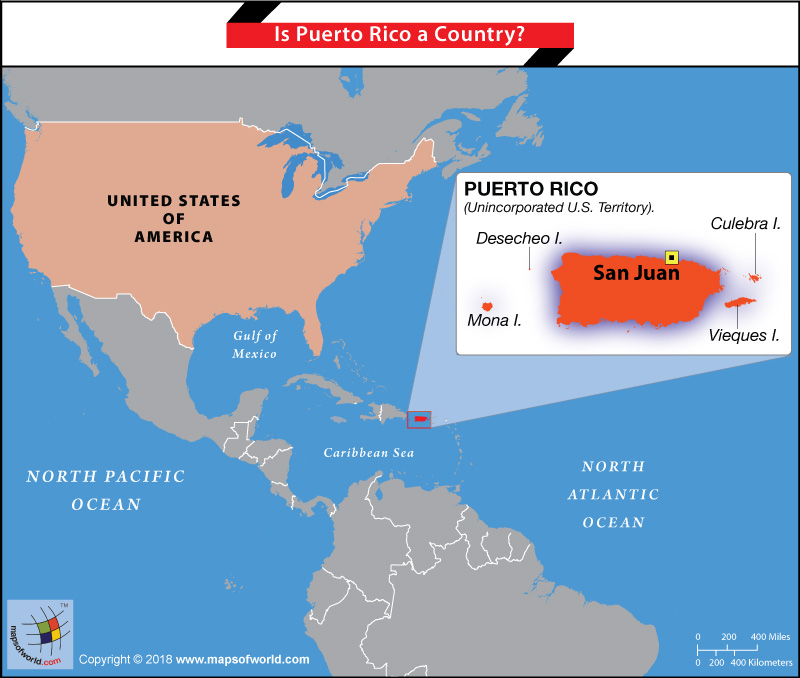
The question of whether Puerto Rico is part of the United States is a common one, frequently asked by prospective travelers and those curious about this vibrant Caribbean island. The simple answer is yes, but the full explanation reveals a unique and fascinating relationship that significantly impacts travel, tourism, and daily life on the island. Puerto Rico is an unincorporated territory of the United States, meaning it is subject to the authority of the U.S. Congress, but it is not a state and operates under its own constitution. This distinct status provides American citizens with seamless travel, while offering visitors a rich cultural experience that blends U.S. influences with a deeply rooted Latin American and Caribbean identity.
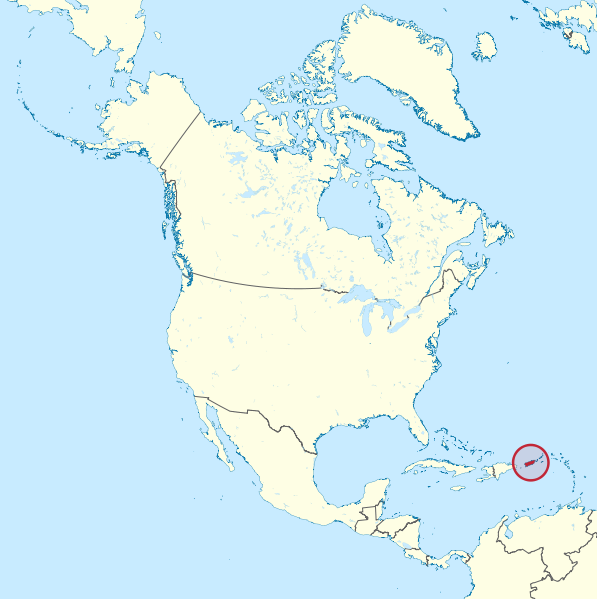
For travelers, this means a hassle-free journey. U.S. citizens do not need a passport to visit Puerto Rico, and the official currency is the U.S. dollar. English and Spanish are both official languages, though Spanish is more widely spoken, adding to the immersive cultural experience. This unique political standing lays the foundation for an island that is both comfortably familiar and exhilaratingly exotic, making it an ideal destination for various travel styles, from luxury escapes to budget-friendly adventures, family trips, and even business stays.
A Unique Political Tapestry: Understanding Puerto Rico’s Status
To truly appreciate Puerto Rico, understanding its political landscape is key. Its relationship with the United States is a complex and evolving narrative that has shaped its identity, infrastructure, and cultural fabric.
The Commonwealth Relationship: What it Means for Visitors
Since 1952, Puerto Rico has been a Commonwealth of the United States, granted self-governing authority over local matters, much like a U.S. state. However, it remains under federal jurisdiction for areas such as defense, trade, and immigration. This translates into several advantages for visitors from the mainland U.S. and beyond.
Firstly, as mentioned, no passport is required for U.S. citizens, simplifying travel logistics significantly. Flights from major U.S. cities are treated as domestic, meaning a smoother boarding process and no customs declarations upon return. Secondly, the widespread use of the U.S. dollar eliminates currency exchange hassles, making budgeting and transactions straightforward. Banking systems, credit card acceptance, and familiar retail chains are readily available, creating a comfortable environment.
However, the island’s distinct identity remains strong. While federal laws apply, Puerto Rico has its own legal system and regulations, particularly in areas like traffic laws and local governance. This blend means you can expect robust infrastructure, reliable services, and familiar amenities (like U.S. postal services and cell phone coverage) alongside a distinctly different cultural rhythm. For those seeking destinations that offer both ease of travel and profound cultural immersion, Puerto Rico presents an unparalleled opportunity.
A Rich History: From Taíno Roots to American Influence
Puerto Rico’s history is a vibrant tapestry woven from indigenous Taíno heritage, centuries of Spanish colonial rule, and over a hundred years of American influence. This layered past is evident everywhere, from ancient archaeological sites to colonial architecture and contemporary art.
The island was originally inhabited by the Taíno people, whose legacy can still be found in place names, cuisine, and certain cultural practices. In 1493, Christopher Columbus claimed the island for Spain, ushering in over 400 years of Spanish rule. This era left an indelible mark, most notably in the language, religion, and the stunning colonial architecture of cities like San Juan and Ponce. Fortifications like Castillo San Felipe del Morro and Castillo San Cristóbal, built to protect Spanish trade routes, stand as testaments to this period.
In 1898, following the Spanish-American War, Puerto Rico was ceded to the United States. In 1917, the Jones-Shafroth Act granted Puerto Ricans U.S. citizenship, though they do not have voting representation in the federal government. This blend of histories results in a culture that is distinctively Puerto Rican – a captivating fusion that makes exploring the island an enriching journey through time and cultural cross-pollination.
Puerto Rico Unveiled: A Caribbean Gem for Every Traveler
Beyond its political status, Puerto Rico shines as a premier travel destination, offering an incredible array of experiences for every type of visitor. From bustling urban centers to serene natural wonders and pristine beaches, the island truly has something for everyone.
Discovering Old San Juan: History, Charm, and Urban Exploration
The capital city, San Juan, is a must-visit, particularly its historic heart, Old San Juan. This UNESCO World Heritage site is a kaleidoscope of vibrant pastel buildings, cobblestone streets, and grand colonial architecture. Walking through its narrow lanes feels like stepping back in time, with the impressive fortresses of El Morro and Castillo San Cristóbal guarding the city from the sea. These landmarks offer breathtaking views and a deep dive into military history.
Beyond the forts, Old San Juan is a hub of activity, brimming with charming boutiques, art galleries, lively plazas, and world-class restaurants. Visitors can explore La Fortaleza, the official residence of the Governor of Puerto Rico and a stunning example of 16th-century architecture. The area is perfect for urban explorers who appreciate history, photography, and simply soaking in the ambiance. Many boutique hotels like Hotel El Convento are nestled within these historic walls, offering an authentic and luxurious accommodation experience amidst centuries-old charm.
Natural Wonders: From Rainforests to Bioluminescent Bays
Puerto Rico’s natural beauty is as diverse as its history. The island boasts the only tropical rainforest in the U.S. National Forest System, El Yunque National Forest. Here, lush trails lead to cascading waterfalls, natural swimming pools, and incredible biodiversity. Hiking through El Yunque is an exhilarating experience, perfect for adventure seekers and nature lovers.
Another unparalleled natural phenomenon is the island’s Bioluminescent Bays. Puerto Rico is home to three of the world’s few remaining bioluminescent bays: Mosquito Bay in Vieques, Laguna Grande in Fajardo, and La Parguera in Lajas. Kayaking or boating through these waters at night, witnessing the water glow with every paddle stroke, is a magical and unforgettable experience. The Camuy River Cave Park, with its vast underground river system and impressive sinkholes, offers another unique adventure for those looking to explore below the surface.

Beach Bliss and Island Escapes: Vieques, Culebra, and Beyond
For those seeking sun, sand, and surf, Puerto Rico delivers with some of the Caribbean’s most stunning beaches. The main island offers popular stretches like Luquillo Beach near El Yunque and the bustling shores of Condado in San Juan. Surfers flock to the western coast, particularly around Rincón, part of the scenic Porta del Sol region, known for its consistent waves and laid-back vibe.
For a true island escape, a short ferry or plane ride takes you to the smaller islands of Vieques and Culebra. Culebra is renowned for Flamenco Beach, consistently ranked among the world’s best beaches, with its powdery white sand and turquoise waters. Vieques, while home to Mosquito Bay, also offers pristine, undeveloped beaches perfect for snorkeling, swimming, and simply unwinding away from the crowds. Day trips to uninhabited cays like Cayo Icacos from Fajardo provide opportunities for spectacular snorkeling and secluded beach experiences. These smaller islands exemplify the tranquil, unspoiled side of Puerto Rico, perfect for those seeking ultimate relaxation and natural beauty.
Experiencing Puerto Rican Culture: Food, Music, and Festivities
Beyond its picturesque landscapes and historical sites, Puerto Rico’s heart beats in its vibrant culture. Engaging with local traditions, savoring unique flavors, and immersing oneself in the rhythmic sounds of the island is an essential part of any visit.
A Culinary Journey: Savoring Local Flavors
Puerto Rican cuisine is a delicious fusion of Taíno, Spanish, and African influences, often referred to as “cocina criolla.” A trip to the island is incomplete without indulging in its culinary delights.
The undisputed king of Puerto Rican dishes is Mofongo, a savory dish made from fried plantains mashed with garlic, olive oil, and pork cracklings (chicharrón), often served with various fillings like shrimp, chicken, or steak. Other must-try street foods include crispy Bacalaítos (cod fritters), Alcapurrias (fried plantain or yuca fritters filled with meat), and Piononos (sweet plantain and meat patties).
For meat lovers, a visit to a “lechonería” in the central mountainous region, such as Guavate, is an experience in itself. Here, you can feast on succulent Lechón (whole roasted pig), slow-cooked to perfection over an open fire. And, of course, no mention of Puerto Rican drinks is complete without the famous Piña Colada, which was invented here. From fine dining establishments in Condado to bustling food kiosks in Luquillo, the island offers a gastronomic adventure for every palate and budget.
Rhythms of the Island: Music and Dance
Music is the soul of Puerto Rico, an omnipresent force that defines its rhythm and energy. The island is the birthplace of global phenomena like Reggaeton, but its musical heritage is much deeper and more diverse. Traditional genres like plena and bomba, with their vibrant drums and call-and-response vocals, offer a glimpse into the island’s African roots. Salsa clubs pulse with energy well into the night, inviting locals and visitors alike to dance.
Live music can be found in casual beachside bars in Isabela to sophisticated venues in San Juan. Festivals celebrating music, dance, and art are common throughout the year, providing opportunities to witness traditional performances and experience the infectious joy of Puerto Rican life. Whether you’re a fan of high-energy beats or soulful melodies, the island’s musical landscape will undoubtedly captivate you.
Vibrant Traditions and Community Spirit
Puerto Ricans are known for their warmth, hospitality, and strong sense of community. This is evident in the numerous festivals and celebrations that take place throughout the year, from religious processions to patron saint festivals (fiestas patronales) in every town. These events are a fantastic way to experience local culture firsthand, witnessing colorful parades, traditional crafts, and communal feasting.
The strong family values and friendly demeanor of the locals make for a welcoming environment for visitors. Engaging with street vendors, striking up conversations in local eateries, or participating in a spontaneous dance in a town square are all common occurrences that add to the authentic travel experience.
Planning Your Puerto Rican Adventure: Accommodation and Lifestyle Choices
With its diverse offerings, planning a trip to Puerto Rico is an exciting endeavor. The island caters to a wide spectrum of travel preferences, ensuring that every visitor finds their ideal accommodation and lifestyle experience.
Where to Stay: From Luxury Resorts to Boutique Hotels
Puerto Rico’s accommodation options are as varied as its landscapes. For those seeking opulence and world-class amenities, the island boasts an impressive selection of luxury resorts. Areas like Dorado and Carolina are home to exclusive properties such as the Ritz-Carlton Reserve Dorado Beach and the St. Regis Bahia Beach Resort, offering private villas, championship golf courses, and exquisite dining.
In San Juan, the upscale Condado district features iconic hotels like the Condado Vanderbilt Hotel and the historic Caribe Hilton, offering beachfront access, luxurious pools, and proximity to urban attractions. For a more intimate and culturally immersive stay, the charming boutique hotels in Old San Juan, such as the aforementioned Hotel El Convento, provide unique character within historic settings.
Travelers on a budget or those preferring more independence can find numerous guesthouses, vacation rentals, and apartment-style accommodations across the island, particularly in popular tourist towns and surfing hubs like Rincón. These options allow for longer stays and a more local lifestyle experience.
Travel Styles: Luxury, Budget, Family, and Business Trips
Puerto Rico effortlessly accommodates various travel styles:
- Luxury Travel: The island excels in luxury, with high-end resorts, private yacht charters, gourmet dining, and exclusive experiences like private tours of coffee plantations or bespoke rum tastings.
- Budget Travel: Despite its luxury offerings, Puerto Rico can be very budget-friendly. Affordable guesthouses, delicious street food, free natural attractions (beaches, hiking trails), and efficient public transportation (in urban areas) make it accessible for cost-conscious travelers.
- Family Trips: With no passport requirement for U.S. citizens, family-friendly resorts, calm beaches, and educational historical sites, Puerto Rico is an excellent choice for families. Activities like exploring El Yunque, kayaking in a bioluminescent bay, or simply building sandcastles provide memorable experiences for all ages.
- Business Stays: San Juan has a robust infrastructure for business travel, including convention centers, major hotels with conference facilities, and excellent connectivity. Its proximity to the mainland U.S. and familiar business practices make it a convenient location for conferences and corporate retreats.
Navigating the Island: Tips for a Seamless Stay
To maximize your Puerto Rican adventure, consider these tips:
- Transportation: Renting a car is highly recommended for exploring beyond San Juan, offering the flexibility to discover hidden gems. Ride-sharing services are available in metropolitan areas.
- Language: While English is spoken in tourist areas, learning a few basic Spanish phrases will greatly enhance your experience and endear you to locals.
- Best Time to Visit: The dry season, from December to May, offers pleasant weather, though the shoulder months (late spring/early summer) can provide good deals and fewer crowds.
- Connectivity: U.S. cell phone carriers generally work seamlessly in Puerto Rico without roaming charges.
In conclusion, Puerto Rico is indeed part of the United States as a commonwealth, offering the convenience of domestic travel combined with the allure of an international escape. This unique status, coupled with its breathtaking natural beauty, rich history, vibrant culture, and diverse accommodation options, makes Puerto Rico an unparalleled destination for any traveler seeking an unforgettable journey. From exploring ancient forts in Old San Juan to hiking through a rainforest or dancing the night away to salsa rhythms, the island promises an experience that truly is life out of the box.
LifeOutOfTheBox is a participant in the Amazon Services LLC Associates Program, an affiliate advertising program designed to provide a means for sites to earn advertising fees by advertising and linking to Amazon.com. Amazon, the Amazon logo, AmazonSupply, and the AmazonSupply logo are trademarks of Amazon.com, Inc. or its affiliates. As an Amazon Associate we earn affiliate commissions from qualifying purchases.