
The question of Puerto Rico’s political status is a complex one, steeped in history and subject to ongoing debate. While the island is undeniably linked to the United States, its precise relationship is unique and often misunderstood. For travelers and those interested in visiting this vibrant Caribbean destination, understanding this relationship is key to appreciating its culture, governance, and the freedoms and restrictions it entails.
The Unincorporated Territory Status
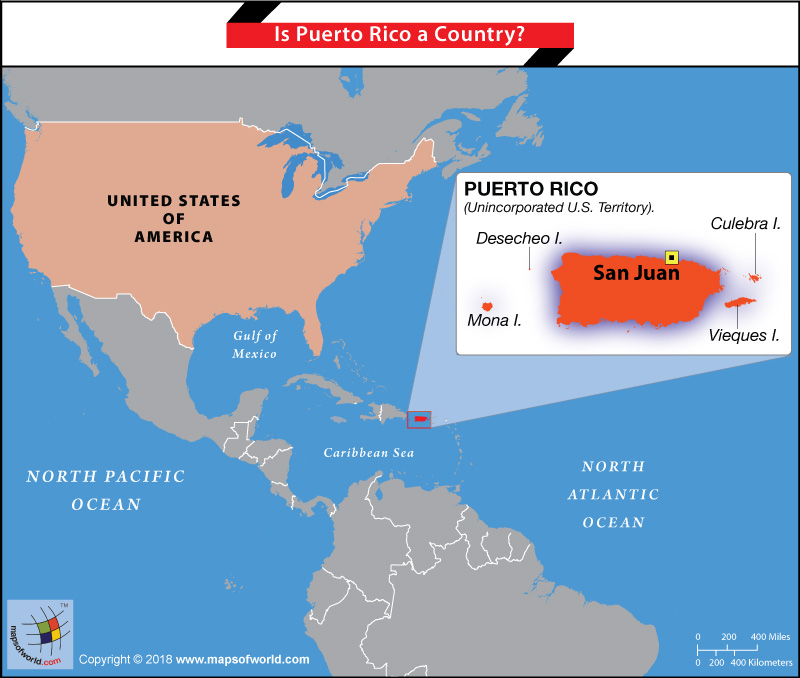
Puerto Rico’s current political status as an unincorporated territory of the United States is the crux of its unique relationship. This designation, established by the U.S. Congress, means that while Puerto Rico belongs to the United States, the island is not considered an integral part of the nation in the same way that a state is.

Historical Roots of the Relationship
The journey to this status began in 1898 with the Spanish-American War, which resulted in Spain ceding Puerto Rico, along with other territories, to the United States. Initially, the island was governed by military rule, but soon, civilian government was established. The Foraker Act of 1900, also known as the Organic Act of 1900, formally established a civilian government and defined Puerto Rico as an “unincorporated territory.” This meant that the U.S. Constitution, while largely applicable, did not automatically extend in full to the island, and its inhabitants were not granted full U.S. citizenship at that time.
In 1917, the Jones-Shafroth Act was passed, granting statutory U.S. citizenship to Puerto Ricans. This was a significant development, allowing individuals born in Puerto Rico to be U.S. citizens. However, it did not alter the island’s territorial status. Subsequent legislative acts and Supreme Court rulings, particularly the Insular Cases, have further defined and refined the legal relationship, solidifying the concept that the U.S. Constitution applies to unincorporated territories only as Congress determines.
Implications for Residents and Visitors
The unincorporated territory status has profound implications. For residents, it means they are U.S. citizens but cannot vote in U.S. presidential elections unless they reside in one of the 50 states. They are subject to federal laws but do not have full representation in Congress; they elect a Resident Commissioner who can vote in committee but not on the House floor. Furthermore, residents pay U.S. federal income tax only on income earned from U.S. sources. This differs significantly from state residents who pay federal income tax on all income.
For visitors, this status translates into a seamless travel experience for U.S. citizens. There are no passport requirements for U.S. citizens traveling between the mainland United States and Puerto Rico. The currency used is the U.S. dollar, and the official languages are Spanish and English. This ease of access and familiarity makes Puerto Rico an attractive destination for American tourists seeking a tropical getaway without the complexities of international travel.
Governance and Political Landscape
Understanding the governance of Puerto Rico provides further insight into its relationship with the United States and its unique position in the world.
Local Government Structure
Puerto Rico has its own constitution, adopted in 1952, which establishes a democratic government with executive, legislative, and judicial branches, mirroring the structure of the U.S. federal government. The executive branch is headed by a Governor, elected by the people of Puerto Rico. The legislative branch is bicameral, consisting of a Senate and a House of Representatives. The judicial branch is headed by the Supreme Court of Puerto Rico. This autonomous local governance allows for self-determination in many internal affairs.
Federal Oversight and Representation
Despite its local autonomy, Puerto Rico remains under the ultimate authority of the U.S. Congress. Congress has the power to pass laws that apply to Puerto Rico, and the U.S. President appoints the federal judges who serve on the U.S. District Court for the District of Puerto Rico, the federal court of first instance on the island. As mentioned earlier, Puerto Rico has a non-voting Resident Commissioner in the U.S. House of Representatives who serves as the island’s voice in federal legislative matters. This federal presence signifies the overarching connection to the United States.
The Statehood vs. Independence Debate
The question of Puerto Rico’s future political status is a persistent and significant issue within the island and in the United States. Three main options are consistently debated: statehood, independence, or maintaining the current territorial status (or perhaps enhanced commonwealth status). Each option has passionate advocates and significant implications for the island’s economy, culture, and relationship with the U.S.
- Statehood: Proponents of statehood envision Puerto Rico becoming the 51st state, which would grant its residents full voting rights in presidential elections, equal representation in Congress, and full application of federal laws and funding. This would likely lead to increased federal funding and economic integration but also to full U.S. federal income tax obligations for all residents.
- Independence: Advocates for independence believe that Puerto Rico should be a sovereign nation, free from U.S. oversight. This would grant complete self-determination but would likely necessitate significant changes to trade relations, currency, and national security.
- Current Status/Commonwealth: Some favor maintaining the current territorial status, perhaps with modifications to enhance autonomy and self-governance while retaining the benefits of U.S. citizenship and economic ties.
Referendums have been held periodically on the island to gauge public opinion, with varying results and interpretations, reflecting the deep divisions on this issue.
Economic and Cultural Connections
The political status of Puerto Rico directly influences its economic and cultural landscape, shaping its interactions with the United States and the wider world.
Economic Ties and Federal Funding
Puerto Rico’s economy is intrinsically linked to that of the United States. The U.S. dollar is the official currency, and trade between Puerto Rico and the mainland is considered domestic. This open economic relationship has facilitated significant investment and trade. However, certain federal laws, like the Jones Act, which mandates that goods shipped between U.S. ports must be carried on U.S.-flagged, U.S.-built, and U.S.-crewed vessels, have been a point of contention, with some arguing it drives up costs for goods in Puerto Rico.
Federal funding plays a crucial role in Puerto Rico’s economy, particularly in areas such as healthcare, education, and infrastructure. However, the level and nature of this funding often differ from that provided to states, reflecting the unincorporated territory status. The island has also grappled with significant debt challenges, further complicating its economic trajectory.
Cultural Identity and U.S. Influence
Puerto Rico boasts a rich and distinct cultural heritage, a vibrant tapestry woven from Taíno, Spanish, African, and American influences. Spanish and English are both widely spoken, reflecting the historical colonial past and the current U.S. affiliation. Music, dance, cuisine, and art are integral to the Puerto Rican identity, with genres like salsa and reggaeton achieving global fame.
Despite these strong cultural roots, the ongoing relationship with the United States has also led to a significant American cultural presence on the island, evident in language, media, and consumer goods. This blend of traditions creates a dynamic and unique cultural environment that attracts many visitors. The sense of “Nuyorican” identity, particularly for Puerto Ricans who have migrated to and from New York City, is a testament to this evolving cultural landscape.
Navigating Travel to Puerto Rico
For those considering a visit, understanding Puerto Rico’s relationship with the United States simplifies the travel planning process.
Entry Requirements for U.S. Citizens
As mentioned, U.S. citizens traveling from the mainland United States to Puerto Rico do not need a passport. They can travel with just a valid government-issued photo ID, such as a driver’s license or state ID card. This ease of entry makes Puerto Rico a convenient destination for spontaneous trips or short getaways. The same applies to travel from Puerto Rico back to the mainland.
Currency and Communication
The currency used in Puerto Rico is the U.S. dollar, eliminating the need for currency exchange for U.S. travelers. Mobile phone services and internet access generally work seamlessly, similar to traveling within the continental United States, although international roaming charges might apply for non-U.S. carriers. This familiarity with U.S. systems enhances the comfort and ease of travel for American visitors.

Embracing the Unique Experience
While Puerto Rico is part of the United States, it is essential to approach your visit with an appreciation for its distinct identity, rich history, and the complexities of its political status. Exploring its natural beauty, from the lush El Yunque National Forest to the bioluminescent bays of Vieques, engaging with its vibrant local culture in Old San Juan, and savoring its unique cuisine are all part of the immersive experience that Puerto Rico offers. Recognizing its unique position as an unincorporated territory allows for a deeper understanding and a more meaningful journey.
LifeOutOfTheBox is a participant in the Amazon Services LLC Associates Program, an affiliate advertising program designed to provide a means for sites to earn advertising fees by advertising and linking to Amazon.com. Amazon, the Amazon logo, AmazonSupply, and the AmazonSupply logo are trademarks of Amazon.com, Inc. or its affiliates. As an Amazon Associate we earn affiliate commissions from qualifying purchases.