
For many travelers, the allure of a Caribbean getaway conjures images of sun-drenched beaches, vibrant culture, and delectable cuisine. Puerto Rico consistently ranks high on such wishlists, offering a captivating blend of natural beauty, historical richness, and lively atmosphere. However, as with any travel destination, a crucial question often arises: “Is Puerto Rico safe to travel to?” This article aims to provide a comprehensive and nuanced answer, moving beyond sensationalized headlines to offer practical insights and reassuring guidance for prospective visitors.
The island has faced its share of challenges, including natural disasters like hurricanes and economic fluctuations. Yet, the spirit of Puerto Rico remains undeterred, and its tourism infrastructure has largely recovered and continues to thrive. Understanding the current landscape, potential risks, and responsible travel practices will empower you to plan a safe and unforgettable experience.
Understanding the Safety Landscape
When assessing the safety of Puerto Rico, it’s important to consider a multi-faceted approach, encompassing general safety, health considerations, and environmental factors. The U.S. State Department, which advises U.S. citizens traveling abroad, generally categorizes Puerto Rico as a safe destination, comparable to many mainland U.S. cities. This means that while common sense precautions are always recommended, there are no unique, overarching threats that should deter a well-prepared traveler.
Crime and Personal Safety
Like most popular tourist destinations worldwide, Puerto Rico experiences petty crime, such as pickpocketing and car break-ins, particularly in crowded tourist areas and at night. Violent crime against tourists is rare, but it’s prudent to remain aware of your surroundings, especially in less-trafficked areas or after dark.
- Common Sense Precautions: Avoid displaying expensive jewelry or large amounts of cash. Be mindful of your belongings in crowded places like [Old San Juan](https://lifeoutofthebox.com/old-san- Ruan). When using taxis or ride-sharing services, ensure they are reputable. It’s advisable to stick to well-lit and populated areas when venturing out at night.
- Driving and Vehicle Safety: If you rent a car, never leave valuables visible inside. Always lock your doors and windows, even when briefly stopped. Parking in secure, well-lit garages is recommended, especially in urban centers like San Juan.
- Remote Areas: While exploring natural attractions such as the El Yunque National Forest or the bioluminescent bays, it’s wise to travel with a companion and inform someone of your itinerary.
Health and Medical Considerations
Puerto Rico has a well-developed healthcare system, with numerous hospitals and clinics, particularly in urban areas. U.S. citizens do not require a passport to enter Puerto Rico, and Medicare and Medicaid are generally accepted. However, it is always advisable to have travel insurance that covers medical emergencies.
- Vaccinations and Health Advisories: As a tropical destination, it’s essential to protect yourself from mosquito-borne illnesses. While the risk is generally low for most travelers, consulting your doctor about recommended vaccinations or preventative measures before your trip is a wise step. This may include protection against Dengue fever or Zika virus, though outbreaks can vary. Staying hydrated and using insect repellent are key personal precautions.
- Food and Water Safety: Tap water in most tourist areas and major hotels is safe to drink. However, if you have a sensitive stomach or are venturing into more rural regions, bottled water is readily available and a safe alternative. The culinary scene in Puerto Rico is a major draw, and food safety standards in reputable restaurants and eateries are generally high. Exercise caution with street food if you are unsure of its preparation.
- Emergency Services: Emergency services are responsive. In case of an emergency, dial 911, which connects to the local emergency dispatch.
Natural Disasters and Environmental Factors
Puerto Rico is situated in a hurricane-prone region. While major storms are infrequent, it’s essential to be aware of the hurricane season, which runs from June 1st to November 30th. Travel insurance that covers cancellations due to severe weather is highly recommended if you plan to visit during this period.
- Hurricane Preparedness: If a hurricane is forecast during your stay, follow the guidance of local authorities and your accommodation provider. Many hotels have robust emergency plans in place.
- Coastal Safety: When enjoying Puerto Rico’s stunning beaches, always be aware of ocean conditions. Rip currents can be a hazard, and it’s advisable to swim in designated areas with lifeguards present. Heed any warning flags or advice from local beach patrols.
- Earthquakes: Like much of the Caribbean, Puerto Rico is located in an seismically active zone. While significant earthquakes are rare, it’s good practice to be aware of basic earthquake safety procedures, such as dropping, covering, and holding on.

Navigating Popular Destinations Safely
The safety considerations can vary slightly depending on where you choose to explore within Puerto Rico. Major tourist hubs are generally well-patrolled and have a strong tourism infrastructure, while more remote areas might require a bit more vigilance.
San Juan and its Environs
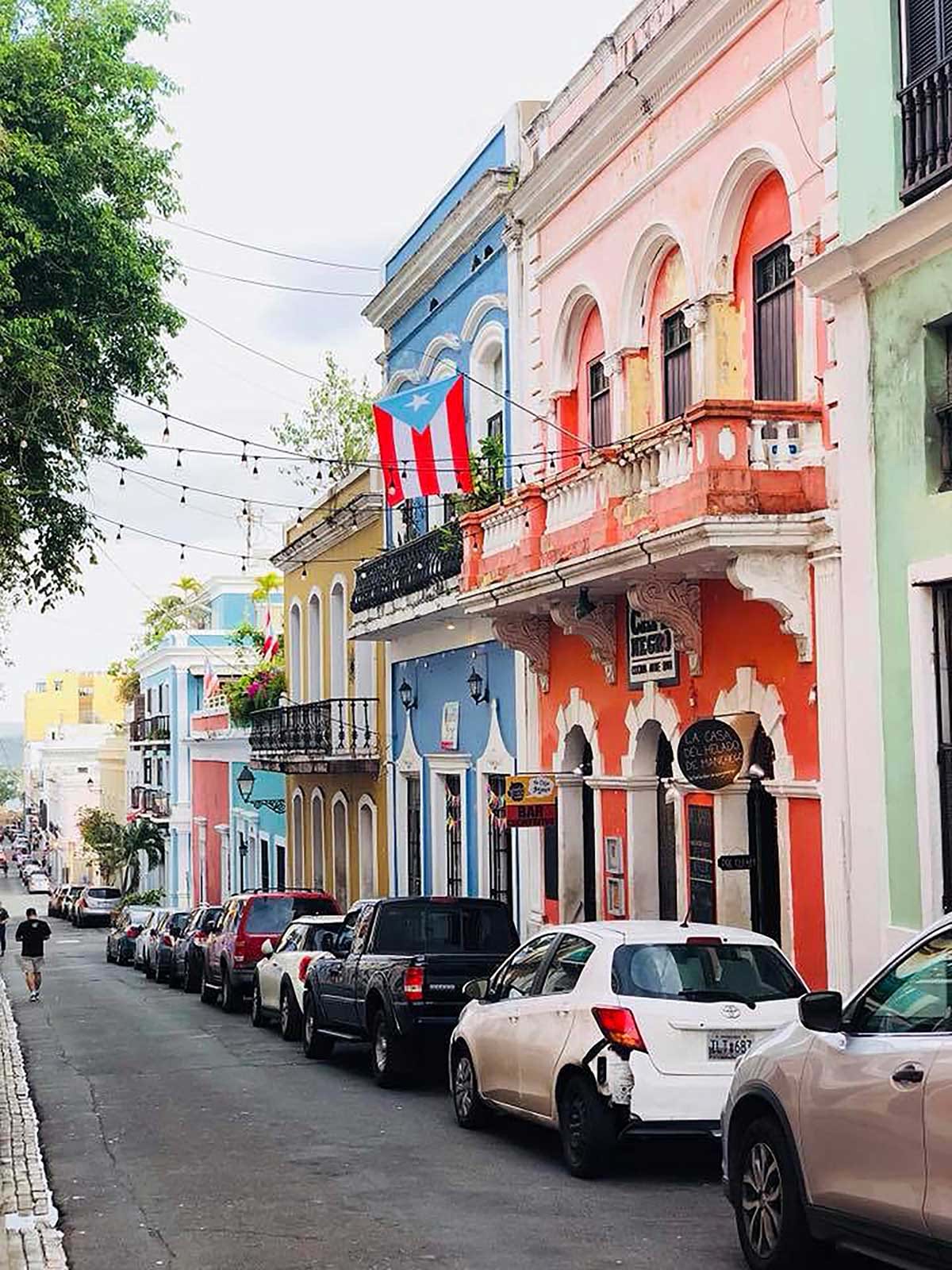
San Juan, the capital city, is a vibrant metropolis that attracts the majority of visitors. Its historic heart, Old San Juan, with its cobblestone streets and colonial architecture, is a UNESCO World Heritage site and generally very safe for walking during the day.
- Old San Juan: This charming district is best explored on foot. Be mindful of uneven surfaces due to the historic cobblestones. It’s recommended to wear comfortable shoes. During peak tourist hours, be aware of your surroundings for petty theft. After dark, stick to main streets and well-lit areas.
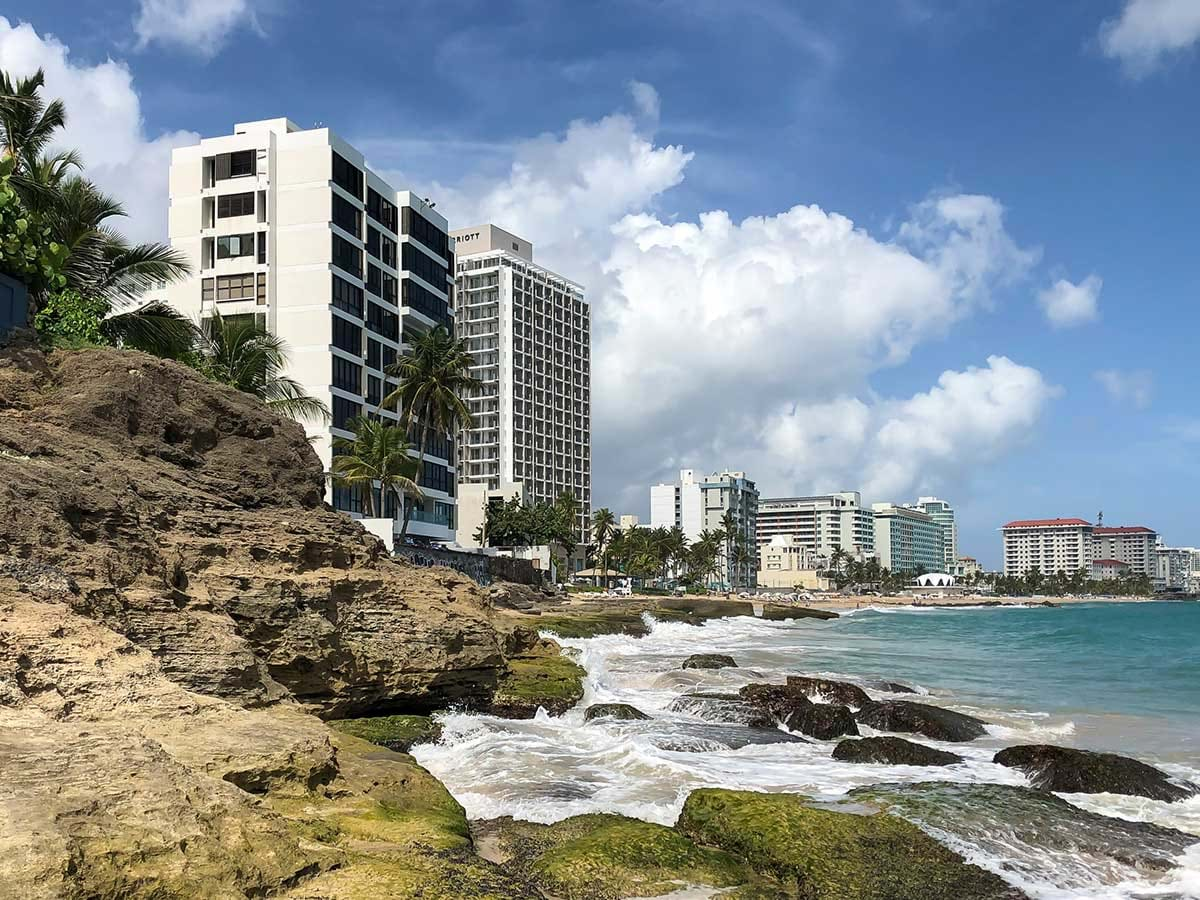
- Condado and Isla Verde: These beachfront areas are known for their hotels, restaurants, and nightlife. They are generally safe, but as with any urban beach resort area, standard precautions against opportunistic crime apply.
- Beyond the Tourist Zones: While venturing into less tourist-centric neighborhoods of San Juan, exercise an increased level of caution and perhaps stick to daytime visits. Research your intended areas beforehand.
Beyond San Juan: Exploring the Island
The rest of Puerto Rico offers a wealth of natural beauty and cultural experiences, from lush rainforests to pristine beaches.
- El Yunque National Forest: This is the only tropical rainforest in the U.S. National Forest System. It is well-maintained and popular with hikers. Stick to marked trails, especially in inclement weather, as trails can become slippery. Inform someone of your hiking plans and estimated return time.
- Beaches: Puerto Rico boasts an incredible array of beaches. Popular spots like Flamenco Beach on Culebra or those on the south coast are generally safe for swimming, but always check local conditions and heed any advisories.
- Remote Villages and Rural Areas: When exploring smaller towns or rural parts of the island, be respectful of local customs and communities. While generally welcoming, it’s wise to be more discreet with valuables and avoid traveling alone at night in isolated areas.
Tips for a Safe and Enjoyable Trip
Proactive planning and informed decision-making are your best tools for ensuring a safe and enjoyable trip to Puerto Rico.
Pre-Trip Preparations
- Travel Insurance: This is non-negotiable. Ensure your policy covers medical emergencies, trip cancellations, and lost luggage.
- Inform Yourself: Stay updated on any current travel advisories issued by your home country’s government.
- Learn Basic Spanish Phrases: While English is widely spoken in tourist areas, knowing a few basic Spanish phrases can be helpful and is often appreciated by locals.
- Pack Appropriately: Comfortable walking shoes, light clothing, swimwear, sunscreen, a hat, and insect repellent are essential.
- Emergency Contacts: Save local emergency numbers and the contact information for your country’s embassy or consulate in Puerto Rico in your phone.
During Your Stay
- Stay Connected: Keep your mobile phone charged and consider purchasing a local SIM card for better connectivity and data access if your provider has high international roaming charges.
- Trust Your Instincts: If a situation or an area feels unsafe, trust your gut and leave.
- Be Culturally Sensitive: Respect local customs and traditions. Avoid excessive public intoxication, which can make you a target.
- Be Mindful of the Sun: The Caribbean sun can be intense. Stay hydrated and protect your skin to avoid heatstroke and sunburn.
In conclusion, Puerto Rico is a vibrant and welcoming destination that offers an incredible travel experience. By taking standard travel precautions, staying informed, and exercising common sense, travelers can confidently explore the island’s rich offerings and create lasting memories in this beautiful Caribbean gem. The vast majority of visitors have safe and fulfilling trips, enjoying the warmth of the people, the beauty of the landscapes, and the richness of the culture.
LifeOutOfTheBox is a participant in the Amazon Services LLC Associates Program, an affiliate advertising program designed to provide a means for sites to earn advertising fees by advertising and linking to Amazon.com. Amazon, the Amazon logo, AmazonSupply, and the AmazonSupply logo are trademarks of Amazon.com, Inc. or its affiliates. As an Amazon Associate we earn affiliate commissions from qualifying purchases.