
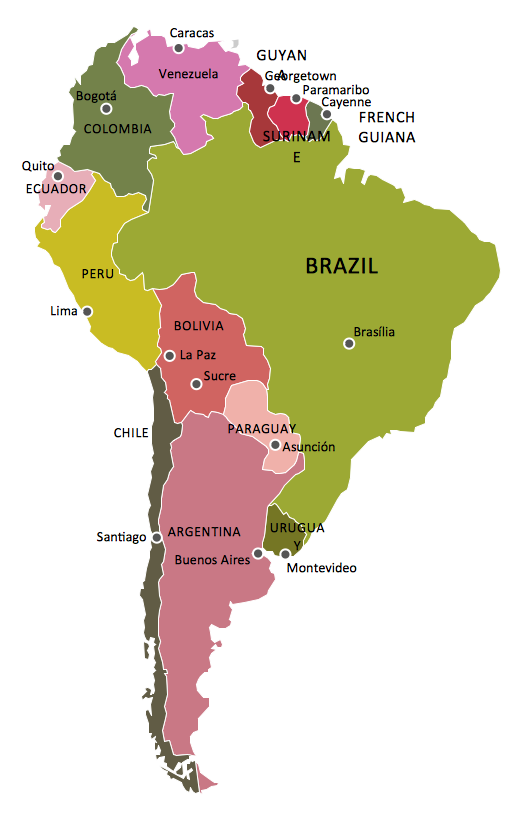
The question “Is Puerto Rico South America?” is a common one, often stemming from geographical misconceptions or cultural similarities. To put it simply, no, Puerto Rico is not in South America. This vibrant Caribbean island commonwealth holds a distinct geographical position and a unique political status as an unincorporated territory of the United States. Its rich history, captivating culture, and stunning natural beauty make it a premier destination for travelers worldwide, offering an experience that is distinctly Puerto Rican and unlike any other.
This article will delve into Puerto Rico’s true location, explore the reasons behind the common confusion, and highlight why this Caribbean gem is an unmissable destination for those seeking adventure, relaxation, or cultural immersion.
Unveiling Puerto Rico’s True Location and Identity
To understand where Puerto Rico truly lies, we must first establish its geographical context and delve into the fascinating layers of its identity. It’s a place where diverse influences converge to create a truly unique experience for every visitor.
A Jewel of the Caribbean: Geography and Neighbors
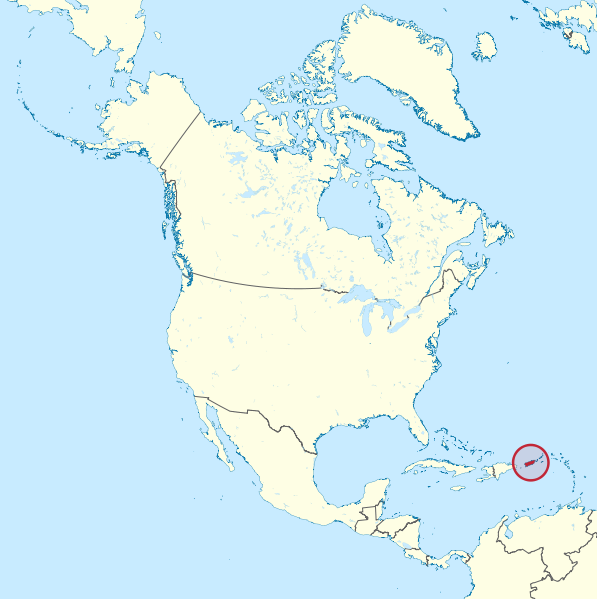
Puerto Rico is situated in the northeastern Caribbean Sea, specifically as the easternmost island of the Greater Antilles archipelago. This puts it squarely in North America, nestled between the Dominican Republic to the west and the Virgin Islands to the east. Its coordinates place it far north of the South American continent, with a significant expanse of ocean separating the two.
The Greater Antilles chain also includes larger islands like Cuba, Hispaniola (shared by Haiti and the Dominican Republic), and Jamaica. Puerto Rico’s strategic location has played a pivotal role in its history, making it a crossroads of cultures and a significant point of maritime passage for centuries. Its tropical climate, characterized by warm temperatures year-round and lush vegetation, is a hallmark of the Caribbean region, attracting travelers seeking sun-drenched beaches and vibrant ecosystems. The island boasts diverse landscapes, from dense rainforests to dry forests and stunning coral reefs, each offering unique opportunities for exploration and adventure.
A Tapestry of Cultures: Spanish, Taíno, and American Influences
The identity of Puerto Rico is a vibrant mosaic, woven from indigenous Taíno roots, centuries of Spanish colonial rule, and its current relationship with the United States. This cultural blend is palpable in every aspect of island life, from its architecture and cuisine to its music and language.
The Spanish influence is perhaps the most visible, evident in the widespread use of the Spanish language, the Catholic faith, and the charming colonial architecture of cities like Old San Juan. The sounds of salsa, bomba y plena echo through its streets, a testament to its rich musical heritage. The indigenous Taíno culture, though largely assimilated, lives on in place names, certain foods, and an enduring respect for nature.
As a territory of the United States, Puerto Ricans are U.S. citizens and use the United States dollar as their currency. This connection brings with it a unique blend of American cultural elements, particularly in modern amenities, infrastructure, and a dual identity that allows visitors to experience a slice of America with a distinctly Latin American flavor. This fusion creates an unparalleled cultural experience, where old-world charm meets modern convenience, making it an incredibly diverse and fascinating travel destination.
Why the Confusion? Debunking Geographical Misconceptions
The persistent confusion about Puerto Rico’s location often stems from a simplified understanding of geographical continents and the broader term “Latin America.” Addressing these misconceptions is crucial to properly place Puerto Rico on the global map.
The Americas: A Broad Definition
The term “The Americas” refers to the entire landmasses of North America and South America, including the Caribbean islands that bridge the two continents. Geographically, these are distinct regions. North America extends from Canada and the United States down through Mexico and Central America. South America encompasses countries like Brazil, Argentina, and Colombia, characterized by vast rainforests like the Amazon Rainforest and mountain ranges like the Andes Mountains.
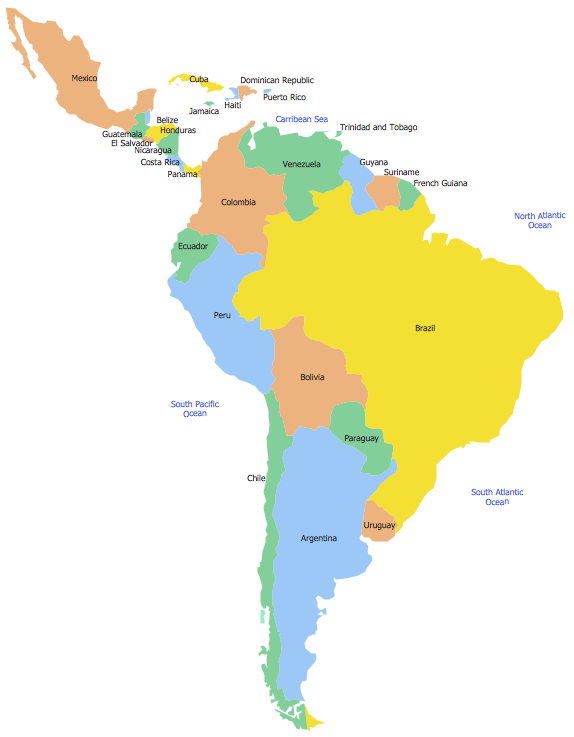
The Caribbean region, where Puerto Rico is located, is often considered part of North America due to its proximity and geological connection to the North American plate. While distinct from the mainland United States and Mexico, it shares the same continental designation. The cultural grouping “Latin America,” however, refers to countries in the Americas where Romance languages (primarily Spanish and Portuguese) are spoken. This is where the confusion often arises. Many Caribbean nations, including Puerto Rico, are culturally part of Latin America due to their colonial history with Spain or Portugal. This cultural overlap does not, however, alter their geographical placement.
Common Misconceptions and Clarifications
The primary reason for associating Puerto Rico with South America is often its vibrant Spanish-speaking culture and its identification within the broader “Latin America” concept. Travelers might mistakenly group all Spanish-speaking countries south of the United States into a single “South American” category.
However, geographically speaking, the Caribbean islands, including Puerto Rico, the Bahamas, and the Greater and Lesser Antilles, form a distinct region that is unequivocally part of North America. While sharing a common linguistic and historical thread with many South American nations, Puerto Rico’s insular geography and position north of the Equator firmly place it within the Caribbean basin, a vital component of the North American continent. Understanding this distinction enriches the appreciation of Puerto Rico as a unique destination with its own identity, rather than lumping it in with a continent it doesn’t belong to.
Discovering Puerto Rico: A Traveler’s Paradise
Now that we’ve firmly established Puerto Rico’s true place on the map, it’s time to explore why this Caribbean island is an extraordinary destination, appealing to a wide array of travel preferences. From ancient fortresses to bioluminescent bays, Puerto Rico offers an unforgettable journey.
Top Destinations and Landmarks
Puerto Rico is a treasure trove of iconic landmarks and captivating destinations. The capital city, San Juan, is often the starting point for any Puerto Rican adventure.
- Old San Juan: A UNESCO World Heritage Site, Old San Juan is a colorful labyrinth of cobblestone streets, colonial architecture, and historic plazas. Here, visitors can explore two magnificent fortresses: El Morro Fortress (Castillo San Felipe del Morro) and Castillo San Cristóbal. These imposing structures offer a glimpse into the island’s strategic past and provide breathtaking views of the Atlantic Ocean. Beyond history, Old San Juan is vibrant with boutiques, art galleries, and restaurants serving authentic Puerto Rican cuisine.
- El Yunque National Forest: The only tropical rainforest in the U.S. National Forest System, El Yunque is a natural wonderland. Lush trails lead to hidden waterfalls like La Mina Falls, diverse flora and fauna, and panoramic vistas from observation towers. It’s a must-visit for nature lovers and hiking enthusiasts, offering a refreshing contrast to the island’s coastal attractions.
- Bioluminescent Bays: Puerto Rico is home to three of the world’s five bioluminescent bays, offering a magical nighttime experience. Mosquito Bay on Vieques island is often cited as the brightest, followed by Laguna Grande in Fajardo and La Parguera in Lajas. Kayaking or boat tours through these glowing waters are truly unforgettable experiences.
- Ponce: Known as the “Pearl of the South,” Ponce boasts a distinctive architectural style, with the iconic Parque de Bombas (old firehouse) as its centerpiece. Its historic town center is filled with neoclassical buildings, museums, and vibrant plazas, offering a different perspective on Puerto Rican heritage.
- Culebra and Vieques: These smaller island municipalities off the east coast are renowned for their pristine beaches. Flamenco Beach on Culebra consistently ranks among the world’s best, famous for its calm, turquoise waters and white sand.
- Rio Camuy Cave Park: Explore one of the largest cave systems in the world, featuring immense caverns and underground rivers. Nearby, the Arecibo Observatory (though damaged) remains a significant landmark for its scientific history.
Accommodation and Hospitality
Puerto Rico’s hospitality sector is as diverse as its landscapes, offering a wide range of accommodation options to suit every traveler and lifestyle.
- Luxury Resorts and Hotels: For those seeking luxury travel, areas like Condado and Dorado feature world-class resorts with stunning beachfronts, gourmet dining, and top-tier amenities like spas and golf courses. Many international hotel chains have a strong presence, providing comfort and familiar standards.
- Boutique Hotels and Guesthouses: In Old San Juan and towns like Rincón, charming boutique hotels and guesthouses offer a more intimate and culturally immersive stay. These properties often boast unique architecture and personalized service, reflecting the local character.
- Vacation Rentals and Villas: For families or longer stays, apartments and villas are popular choices, especially in coastal towns like Luquillo, Aguadilla, or Mayagüez. These options provide flexibility, privacy, and often self-catering facilities, making them ideal for a family trip or group travel.
- Budget-Friendly Options: Puerto Rico also caters to budget travelers with numerous hostels and more affordable guesthouses, particularly outside the main tourist hubs. Booking in advance and reading reviews can help secure the best deals.
Immersive Tourism and Lifestyle
Tourism in Puerto Rico is not just about sightseeing; it’s about engaging with the local culture and embracing the island’s laid-back yet vibrant lifestyle.
- Local Culture and Food: Puerto Rican cuisine is a highlight, blending Spanish, African, and Taíno flavors. Must-try dishes include mofongo (mashed plantains), lechón (roast pig), and fresh seafood. The island is also the birthplace of the Piña Colada. Engaging with locals at a chinchorro (roadside eatery) or attending a local festival provides authentic insights into the island’s heart and soul.
- Activities and Experiences: Beyond its historical sites and natural wonders, Puerto Rico offers a plethora of activities. Surfing is popular on the west coast, especially around Rincón. Snorkeling and diving reveal vibrant underwater worlds. Zip-lining through the rainforest, exploring coffee plantations, or taking a salsa dancing class are just a few ways to experience the island actively. Travel guides and local operators can help curate personalized adventures.
- Lifestyle and Travel Tips: Whether you’re planning a business stay, a romantic getaway, or an adventurous solo trip, Puerto Rico caters to various lifestyles. English is widely spoken, especially in tourist areas, but learning a few Spanish phrases can enhance local interactions. The island’s accessibility (no passport required for U.S. citizens) makes it an easy and appealing choice for a hassle-free international-feeling vacation.
In conclusion, Puerto Rico is definitively not South America. It is a vibrant Caribbean island and a U.S. territory that offers a compelling blend of North American convenience and distinct Latin American culture. Its rich tapestry of history, stunning natural beauty, and welcoming people make it a unique and unforgettable destination for every type of traveler. From the historic charm of Old San Juan to the mystical glow of its bioluminescent bays and the lush trails of El Yunque National Forest, Puerto Rico invites you to explore, discover, and immerse yourself in its unparalleled charm.
LifeOutOfTheBox is a participant in the Amazon Services LLC Associates Program, an affiliate advertising program designed to provide a means for sites to earn advertising fees by advertising and linking to Amazon.com. Amazon, the Amazon logo, AmazonSupply, and the AmazonSupply logo are trademarks of Amazon.com, Inc. or its affiliates. As an Amazon Associate we earn affiliate commissions from qualifying purchases.