
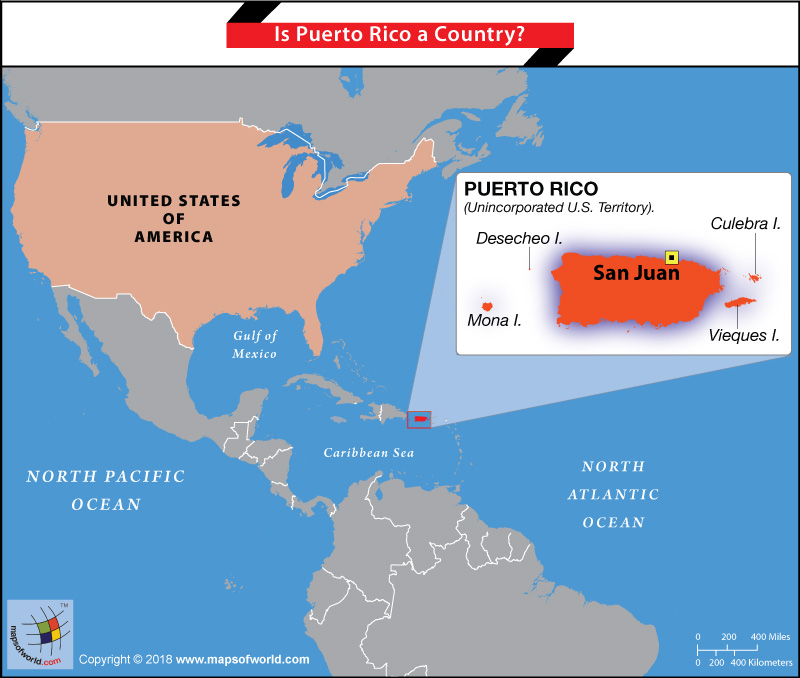
The question “Is Puerto Rico USA?” is far more complex than a simple yes or no, revealing a fascinating story of history, identity, and the nuanced relationship between a Caribbean island and the United States. While not a state, Puerto Rico is undeniably a territory of the United States, a distinction that shapes its political, economic, and cultural landscape, while also offering a truly unique and accessible travel experience for visitors from around the globe. For those seeking an enriching adventure, understanding this dynamic relationship only adds to the depth of their journey to this captivating island. From its sun-drenched beaches and lush rainforests to its vibrant cities and historic landmarks, Puerto Rico presents itself as an alluring destination, seamlessly blending aspects of American convenience with a rich, distinct Caribbean identity. This article delves into the intricacies of Puerto Rico’s status, its profound cultural heritage, and why it stands out as an exceptional choice for travelers exploring the many facets of global lifestyle and tourism.
The Complex Relationship: A Territory, Not a State
To truly grasp Puerto Rico’s place on the world stage, one must first navigate its unique political standing. It is an unincorporated territory of the United States, meaning it belongs to the U.S. but is not an integral part of it. This status has been the subject of ongoing debate and referendums on the island, with options ranging from statehood to independence or continued territorial status. Understanding this fundamental aspect is key to appreciating the island’s distinct character.
A Legacy of Sovereignty: From Spain to the U.S.
The narrative of Puerto Rico’s relationship with the United States begins with its colonial past under Spain. For over 400 years, Puerto Rico was a Spanish colony, developing a profound Latin American cultural identity. This era came to an end in 1898 with the Spanish-American War. As a result of the Treaty of Paris signed that year, Spain ceded Puerto Rico, along with Cuba and Guam, to the United States. This marked a pivotal shift in the island’s sovereignty.
Initially governed under military rule, the U.S. Congress established a civilian government for Puerto Rico through the Foraker Act of 1900. This act established a governor and executive council appointed by the U.S. President, along with a locally elected House of Delegates. However, it explicitly stated that Puerto Rico was an “unorganized” territory, not yet intended for statehood. The next significant milestone was the Jones-Shafroth Act of 1917, which granted U.S. citizenship to Puerto Ricans. While this was a monumental step, it did not grant them the full range of rights enjoyed by citizens in the 50 states, particularly the right to vote in presidential elections while residing on the island or having full representation in Congress. This historical progression underpins the ongoing debate regarding the island’s ultimate political destiny.
Understanding U.S. Citizenship and Political Rights
A core aspect of Puerto Rico’s relationship with the U.S. is the status of its residents as U.S. citizens. Since 1917, Puerto Ricans have held U.S. citizenship, meaning they carry U.S. passports, can travel freely to and from the mainland, and are subject to federal laws. This is a significant convenience for travelers from the United States planning a trip to the island, as no passport is required for U.S. citizens, simplifying travel logistics considerably.
However, this citizenship comes with certain limitations. Residents of Puerto Rico cannot vote in federal presidential elections while living on the island. They are represented in Congress by a Resident Commissioner who can vote in committee but not on the House floor. They also do not pay federal income tax on income earned within [Puerto Rico](https://lifeoutofthebox.com/puerto-rico], contributing to a distinct fiscal environment. This unique blend of rights and restrictions means Puerto Ricans live under the umbrella of the U.S. Constitution and federal protections, yet maintain a degree of self-governance and a separate fiscal system. This setup creates a vibrant local political landscape with strong ties to both Latin American heritage and American democratic principles.
A Tapestry of Culture and Commerce: Puerto Rico’s Unique Identity
Beyond the political intricacies, Puerto Rico thrives as a distinctive cultural entity, enriched by its blend of Taino indigenous heritage, Spanish colonial influences, African traditions, and contemporary American elements. This cultural mosaic is palpable in every aspect of island life, from its music and cuisine to its art and festivals, offering an immersive tourism experience unlike any other.
Economic Integration and Distinct Fiscal Policies
Economically, Puerto Rico is deeply intertwined with the United States economy. The official currency is the U.S. dollar, making financial transactions seamless for American visitors. Major U.S. banks and businesses operate on the island, and trade between Puerto Rico and the mainland is significant. However, its territorial status also allows for unique fiscal policies designed to attract investment. As mentioned, residents of [Puerto Rico](https://lifeoutofthebox.com/puerto-rico] are generally exempt from federal income taxes on income sourced within the island, although they pay other federal taxes such as Social Security and Medicare. This distinct tax structure, particularly laws like Act 20 and Act 22 (now Act 60), has drawn entrepreneurs and investors seeking to relocate and benefit from tax incentives, contributing to a specific niche in luxury travel and long-term accommodation for those seeking a unique lifestyle.
For travelers, this economic integration means a familiar and convenient environment. Credit cards are widely accepted, ATMs are plentiful, and many services operate similarly to those on the mainland. Yet, the local economy also celebrates its distinctiveness, with bustling local markets offering handmade crafts and traditional produce, and small businesses showcasing the entrepreneurial spirit of the islanders. The cost of living and travel expenses can vary, offering options for both budget travel and luxury experiences, depending on the chosen lifestyle and accommodation.
Linguistic and Cultural Vibrancy
One of the most captivating aspects of Puerto Rico is its vibrant culture, which remains distinctly Caribbean and Latin American despite decades of U.S. association. While English is an official language and widely understood, especially in tourist areas and business circles, Spanish is the predominant language spoken by the majority of the population. This linguistic duality adds to the island’s charm and offers an enriching experience for those interested in language and cultural immersion. Visitors often find that knowing a few basic Spanish phrases can enhance their interactions and experiences with locals, but it is by no means a barrier to enjoying the island.
The cultural fabric is a rich tapestry woven from diverse threads. Music is central to Puerto Rican life, with rhythms of salsa, bomba, plena, and reggaeton filling the air. Dance is an integral part of social gatherings and festivals, reflecting the island’s passionate spirit. Cuisine is another highlight, a tantalizing fusion of Spanish, African, and Taino flavors. Signature dishes like mofongo (fried plantain mash), lechón (roasted pork), and bacalaitos (codfish fritters) are culinary experiences that are central to tourism and local culture. The island’s art scene, from colorful murals in Old San Juan to contemporary galleries, tells stories of its history, resilience, and identity. This deep cultural foundation, while influenced by U.S. media and trends, steadfastly maintains its unique Boricua flavor, inviting travelers to truly experience a destination rich in heritage and life.

Puerto Rico for the Traveler: An Unforgettable Island Escape
For anyone planning a trip, the political status of Puerto Rico often translates into a seamless and advantageous travel experience. As a U.S. territory, there are no customs or immigration procedures for U.S. citizens, making it as easy to visit as any state on the mainland. This convenience, coupled with the island’s stunning natural beauty, vibrant culture, and diverse attractions, makes Puerto Rico an ideal destination for a wide range of travelers, from families seeking adventure to couples on a luxury getaway.
Iconic Landmarks and Natural Wonders
Puerto Rico is a treasure trove of landmarks, offering a mix of history, architecture, and breathtaking natural beauty. In San Juan, the capital city, the historic district of Old San Juan is a UNESCO World Heritage site, famous for its colorful colonial buildings, cobblestone streets, and formidable fortresses. Walking through Old San Juan is like stepping back in time, with every corner revealing centuries of history. The most iconic landmarks include El Morro (Castillo San Felipe del Morro) and La Fortaleza, imposing fortifications that once guarded the island’s shores and now stand as magnificent testaments to Spanish colonial power.
Beyond the urban charm, Puerto Rico boasts extraordinary natural wonders. The El Yunque National Forest is the only tropical rainforest in the U.S. National Forest System, teeming with unique flora and fauna, refreshing waterfalls, and scenic hiking trails. It’s a must-visit for nature lovers and a fantastic destination for family trips. The island is also renowned for its stunning beaches. Flamenco Beach on the island of Culebra is consistently ranked among the world’s best, famous for its pristine white sand and turquoise waters. Not far away, Vieques hosts Mosquito Bay, one of the brightest bioluminescent bays on Earth, offering a magical nighttime kayaking experience. Other natural attractions include the vast cave systems of Camuy River Cave Park and the lush landscape surrounding the Arecibo Observatory. Whether you seek historical sites, thrilling outdoor adventures, or serene natural escapes, Puerto Rico’s landmarks and natural beauty offer endless opportunities for exploration and memorable experiences.
Diverse Accommodation: From Luxury Resorts to Boutique Stays
Accommodation options in Puerto Rico cater to every preference and budget, reflecting the island’s broad appeal for various types of travel. For those seeking a luxurious escape, world-class resorts dot the coastline, particularly in areas like Dorado, Rio Grande, and Condado. Properties such as the St. Regis Bahia Beach Resort or Dorado Beach, a Ritz-Carlton Reserve, offer unparalleled amenities, including private beaches, championship golf courses, exquisite dining, and rejuvenating spas, perfect for luxury travel or a sophisticated business stay. These resorts provide a lifestyle of indulgence and comfort, ensuring every need is met.
In contrast, Old San Juan is home to charming boutique hotels like Hotel El Convento, a beautifully restored former convent that offers a blend of historical ambiance and modern comforts. These unique stays provide an intimate glimpse into the island’s colonial past and are ideal for travelers who appreciate character and local charm. For family trips or longer stays, a wide array of apartments, villas, and vacation rentals are available across the island, particularly popular in coastal towns like Rincón (known for surfing) or Fajardo (gateway to the eastern islands). These options often come with kitchens and multiple bedrooms, offering flexibility and a home-away-from-home feel. Budget travelers will find plenty of hostels and guesthouses, especially in popular backpacker areas, providing affordable yet comfortable choices. Online booking platforms make it easy to compare options, read reviews, and secure the perfect place, whether you’re looking for a sprawling suite with ocean views or a cozy room in a vibrant neighborhood.
Immersive Tourism and Local Lifestyles
Puerto Rico excels at offering immersive tourism experiences that allow visitors to delve deep into the local culture and lifestyle. Beyond the beaches and historic sites, the island encourages engagement with its traditions, food, and people. Food tourism is a significant draw, with opportunities to take cooking classes, visit local markets, or embark on gastronomic tours that explore the fusion of flavors. From high-end restaurants in San Juan to roadside kioskos serving authentic street food in Luquillo, culinary adventures abound.
Active travelers can indulge in a variety of activities: surfing lessons in Rincón, zip-lining through rainforest canopies, kayaking through mangroves at the Caño Tiburones Nature Reserve, or horseback riding along the beach. Eco-tourism is thriving, with guided tours of coffee plantations, nature reserves, and sustainable farms offering insights into the island’s natural bounty and agricultural heritage. Festivals, from the vibrant San Sebastián Street Festival in Old San Juan to regional celebrations of music and dance, provide authentic glimpses into the spirited Boricua lifestyle. Tips from locals, found in many travel guides and online resources, often point to hidden gems and authentic experiences that go beyond the typical tourist trails. Whether it’s learning to dance salsa in a local bar, exploring the art scene in Santurce, or simply relaxing with a cup of locally grown coffee while watching the world go by in Ponce’s main plaza, Puerto Rico offers a chance to live, not just visit, an island lifestyle.
Planning Your Puerto Rican Adventure
Considering [Puerto Rico](https://lifeoutofthebox.com/puerto-rico] for your next destination means anticipating a journey filled with ease and excitement. Its status as a U.S. territory greatly simplifies travel for U.S. citizens, eliminating the need for currency exchange, international phone plans (most U.S. carriers operate there), and complex customs procedures. The island is accessible via numerous direct flights from major U.S. cities, landing at Luis Muñoz Marín International Airport (SJU) in Carolina, just outside San Juan. This convenience makes it an attractive option for short getaways, family vacations, or even spontaneous trips.
Essential Travel Tips and Considerations
When planning your trip to Puerto Rico, a few practical tips can enhance your experience. Firstly, while Spanish is dominant, English is widely spoken in tourist areas, hotels, and major attractions, so communication is rarely an issue. However, learning a few basic Spanish phrases is always appreciated by locals. Tipping customs are similar to those in the mainland U.S.. The weather is tropical year-round, with a hurricane season from June to November, so travelers might consider visiting outside these months for optimal conditions, although many resorts are well-prepared for any weather. Renting a car is often recommended for exploring beyond San Juan and reaching some of the more secluded natural attractions, though ride-sharing apps and taxis are readily available in urban centers. Safety is comparable to many major U.S. cities; exercising general caution, especially in unfamiliar areas or at night, is always wise. Comprehensive travel insurance is a good idea, as with any trip, to cover unforeseen circumstances related to health or travel disruptions. Detailed guides and online resources can provide further insights into specific areas like Isla Verde for nightlife or La Parguera for marine activities, helping you tailor your itinerary perfectly.

Embracing the Boricua Spirit
Ultimately, visiting Puerto Rico is an invitation to embrace the vibrant “Boricua” spirit – a term proudly used by Puerto Ricans to refer to themselves and their culture, derived from the island’s indigenous Taino name, Borikén. It’s a spirit of resilience, joy, hospitality, and a deep appreciation for life. This unique blend of American affiliation and staunchly Caribbean identity is what makes Puerto Rico such a captivating and enriching destination.
While the answer to “Is Puerto Rico USA?” is politically complex, the practical reality for travelers from the United States is one of convenience and familiarity, coupled with the exotic allure of a distinct culture. It offers the best of both worlds: the ease of domestic travel combined with the excitement of an international adventure. Whether you are drawn by its pristine beaches, historic cities, lush rainforests, delicious food, or vibrant music, Puerto Rico promises an unforgettable experience that celebrates its heritage and embraces its future. It is a destination that truly embodies a lifestyle of exploration and cultural immersion, proving to be a must-visit for any discerning traveler.
LifeOutOfTheBox is a participant in the Amazon Services LLC Associates Program, an affiliate advertising program designed to provide a means for sites to earn advertising fees by advertising and linking to Amazon.com. Amazon, the Amazon logo, AmazonSupply, and the AmazonSupply logo are trademarks of Amazon.com, Inc. or its affiliates. As an Amazon Associate we earn affiliate commissions from qualifying purchases.