
Unveiling the Identity of a Borough
The question, “Is Queens part of New York City?” might seem elementary to seasoned New Yorkers or those with a basic understanding of American geography. However, for many visitors, or even residents of other parts of the country, the intricate administrative and cultural landscape of New York City can be a source of confusion. The answer, unequivocally, is yes. Queens is not merely adjacent to New York City; it is one of its five integral boroughs, each with its own distinct character, history, and contribution to the vibrant tapestry of the metropolis. Understanding this relationship is key to appreciating the full scope of what New York City offers, from its iconic skyline to its diverse neighborhoods.

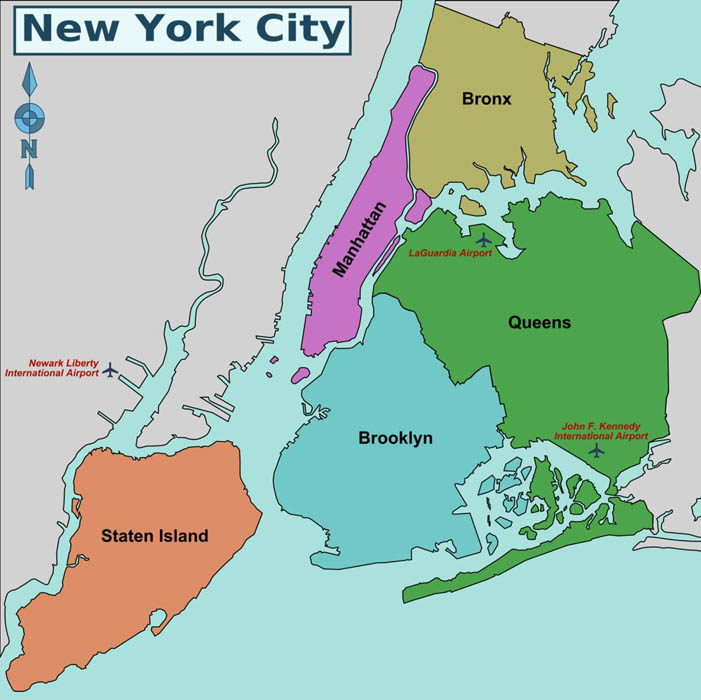
New York City, often referred to as the “Big Apple,” is a consolidated city-county, meaning its political boundaries encompass multiple counties. Specifically, New York City comprises five boroughs: Manhattan, Brooklyn, Queens, The Bronx, and Staten Island. Each borough is also a county within the state of New York:
- Manhattan is New York County.
- Brooklyn is Kings County.
- Queens is Queens County.
- The Bronx is Bronx County.
- Staten Island is Richmond County.
This structure means that when one speaks of New York City, they are encompassing all five of these distinct geographical and administrative units. Queens, therefore, is not an independent city or a suburban area surrounding New York City. It is an intrinsic component, contributing significantly to the city’s population, cultural diversity, and economic vitality. Its inclusion is fundamental to the very definition of New York City.
A Deep Dive into Borough Identity
The concept of boroughs in New York City emerged from a historical consolidation effort in 1898. Prior to this, the present-day areas of Brooklyn, Queens, and The Bronx were separate municipalities or towns. The consolidation aimed to create a more unified and powerful urban entity. While Manhattan and Staten Island were already incorporated into New York City, the integration of Brooklyn (which had been a separate city), much of Queens, and The Bronx (then part of Westchester County) was a monumental undertaking that shaped the city into the sprawling metropolis we know today.
Queens, in particular, underwent significant changes during this period. While the western part of Queens, which roughly corresponds to the area west of the western boundary of the Town of Newtown and the eastern boundary of the Town of Flushing, was incorporated into New York City in 1898, the eastern portions of Queens County were not fully consolidated until much later. This historical nuance is sometimes a source of confusion, but the contemporary reality is that Queens County is entirely contained within the boundaries of New York City.
Exploring the Unique Offerings of Queens
Beyond its administrative status, Queens offers a travel experience unlike any other, brimming with cultural richness, culinary delights, and historical significance. It is a borough that often surprises visitors with its sheer diversity, a microcosm of the world within a single urban expanse.
A World of Flavors: Culinary Adventures
Queens is globally renowned as a culinary capital, a melting pot where almost every culture on Earth is represented through its food. This diversity is not limited to high-end restaurants; it extends to bustling street food vendors, humble neighborhood eateries, and vibrant food markets.
- Jackson Heights: This neighborhood is a prime example of Queens’ gastronomic prowess. Here, one can embark on a culinary journey through South Asia, sampling authentic Indian, Nepalese, Tibetan, and Bangladeshi cuisine. From fragrant curries and tandoori specialties to momos and flavorful chaats, Jackson Heights offers an unparalleled experience for food enthusiasts.
- Flushing: Known for its sizable Chinese population, Flushing is a haven for lovers of authentic Chinese food. From the dim sum parlors and noodle shops to regional specialties from Sichuan, Cantonese, and Fujian provinces, the culinary landscape is vast and exciting. The historic Flushing Main Street is particularly vibrant, offering a sensory overload of sights, sounds, and, most importantly, delicious smells.
- Astoria: With a significant Greek population, Astoria boasts some of the best Greek food outside of Greece. Tavernas line the streets, serving up souvlaki, moussaka, and fresh seafood in a lively atmosphere. Beyond Greek influences, Astoria also offers a diverse array of Middle Eastern, Italian, and Albanian culinary options.
- Rego Park and Forest Hills: These neighborhoods showcase a blend of Eastern European, Russian, and Israeli influences, offering a taste of diverse cuisines from these regions.
The accessibility and affordability of these culinary experiences make Queens an indispensable destination for anyone seeking to explore the global palate without leaving the city.
Cultural Tapestry and Artistic Expressions
The cultural fabric of Queens is as rich and varied as its culinary scene. The borough is home to a remarkable array of museums, art galleries, performance spaces, and community centers that celebrate its diverse heritage.
- Museums: The Museum of the Moving Image in Astoria is a world-class institution dedicated to the art, technology, and social impact of filmmaking, television, and digital media. The Noguchi Museum, also in Astoria, showcases the work of Japanese-American sculptor Isamu Noguchi, offering a serene space to appreciate his profound artistic contributions. For those interested in local history and art, the Queens Museum in Flushing Meadows Corona Park is a must-visit, particularly for its iconic Panorama of the City of New York.
- Festivals and Events: Throughout the year, Queens hosts numerous cultural festivals, celebrating the traditions of its many ethnic communities. From the vibrant Indo-Caribean Carnival to the Greek Independence Day Parade and various Lunar New Year celebrations, these events offer a glimpse into the borough’s rich cultural mosaic.
- Public Art: Beyond its institutions, Queens is dotted with public art installations that reflect its diverse communities and history. From murals to sculptures, art can be found in parks, plazas, and along transit routes, adding to the borough’s unique aesthetic.

Iconic Landmarks and Green Spaces in Queens
While Manhattan often dominates the conversation about New York City landmarks, Queens possesses its own set of historically significant sites and expansive green spaces that are integral to the city’s appeal.
Flushing Meadows Corona Park: The City’s Backyard
Perhaps the most recognizable landmark within Queens is Flushing Meadows Corona Park. This sprawling urban park, the second-largest park in New York City, has a rich history, having hosted two World’s Fairs in 1939 and 1964.
- The Unisphere: A symbol of the 1964-65 World’s Fair, the Unisphere is an iconic 12-story stainless steel globe that remains a beloved landmark and a testament to mid-century optimism and the dawn of the Space Age. It stands as a prominent feature of the park and a must-see for any visitor.
- Queens Museum: As mentioned earlier, the Queens Museum within the park is home to the aforementioned Panorama, a breathtaking 1:1200 scale model of all five boroughs. This intricate model provides an unparalleled understanding of the city’s urban planning and development.
- Citi Field: The home of the New York Mets, Citi Field offers a modern architectural marvel and a chance for sports enthusiasts to catch a baseball game during the season.
- Arthur Ashe Stadium: This is the main stadium for the US Open Tennis Championships, one of the four Grand Slam tennis tournaments, drawing international attention and athletes to Queens every year.
The park itself offers vast open spaces for recreation, including walking paths, playgrounds, picnic areas, and the Queens Zoo.
Other Notable Landmarks and Attractions
Beyond Flushing Meadows Corona Park, Queens boasts a variety of other attractions that contribute to its identity as a vital part of New York City.
- Rockaway Beach and Boardwalk: Stretching for miles along the Atlantic Ocean, Rockaway Beach offers a welcome escape from the urban hustle. The revitalized boardwalk provides a vibrant promenade with eateries, shops, and stunning ocean views. It’s a popular spot for sunbathing, surfing, and enjoying a classic New York beach experience.
- The Socrates Sculpture Park: Located in Astoria, this outdoor art venue is a vibrant space for contemporary public art, performance, and community engagement. It offers a unique perspective on art in an urban setting, with rotating exhibitions and stunning waterfront views of the Manhattan skyline.
- Louis Armstrong House Museum: In Corona, the Louis Armstrong House Museum preserves the former home of the legendary jazz musician. Visitors can tour the house and learn about Armstrong’s life and legacy, offering a poignant glimpse into the history of American music.
- Fort Totten: This historic former military installation on the northeastern tip of Queens offers a glimpse into the city’s military past with its well-preserved fortifications and parkland.
The Essential Role of Queens in New York City’s Identity
To truly understand New York City is to acknowledge and explore its diverse boroughs. Queens, far from being an afterthought or a peripheral entity, is an indispensable component of the city’s identity, its culture, and its dynamism. Its vastness, its unparalleled diversity, and its rich tapestry of experiences make it a destination in its own right, and a crucial part of the metropolitan puzzle.
A Global Hub of Connectivity
Queens plays a vital role in New York City’s global connectivity. It is home to the city’s two major airports: John F. Kennedy International Airport (JFK) and LaGuardia Airport (LGA). These airports serve as major international gateways, facilitating travel for millions of passengers each year and underscoring Queens’ position as a critical point of entry and departure for the entire metropolitan area. The presence of these transportation hubs directly links Queens to the global stage.
A Borough of Neighborhoods, Each with a Unique Soul
What makes Queens truly special is the sheer number and diversity of its neighborhoods, each possessing its own distinct character, history, and community.
- Long Island City: Situated across the East River from Midtown Manhattan, Long Island City has transformed from an industrial area into a thriving hub of residential development, art galleries, and restaurants. It offers stunning views of the Manhattan skyline and easy access to Manhattan via multiple subway lines.
- Jamaica: A major transportation hub with its own downtown area, Jamaica serves as a commercial and cultural center for southeastern Queens. It is also home to St. John’s University.
- Bayside, Douglaston, and Little Neck: These northeastern neighborhoods offer a more suburban feel with tree-lined streets, parks, and a strong sense of community, providing a tranquil contrast to the more bustling areas of the borough.
The existence of these varied neighborhoods, each with its own micro-culture and identity, is precisely what makes Queens a dynamic and endlessly fascinating borough. It is this internal diversity, coupled with its integral place within the larger entity of New York City, that defines Queens. So, to reiterate: Yes, Queens is absolutely and undeniably part of New York City, a vital and vibrant constituent that enriches the city immeasurably. Its exploration is essential for any comprehensive understanding of what makes New York City one of the greatest cities in the world.
LifeOutOfTheBox is a participant in the Amazon Services LLC Associates Program, an affiliate advertising program designed to provide a means for sites to earn advertising fees by advertising and linking to Amazon.com. Amazon, the Amazon logo, AmazonSupply, and the AmazonSupply logo are trademarks of Amazon.com, Inc. or its affiliates. As an Amazon Associate we earn affiliate commissions from qualifying purchases.