
The Lone Star State, with its vast landscapes, vibrant cities, and rich cultural heritage, is a perennial favorite for travelers. From the bustling streets of Austin to the historic charm of San Antonio and the sprawling ranches, Texas offers a diverse range of experiences for every kind of adventurer. Whether you’re seeking luxury stays in opulent resorts, budget-friendly apartments, or unique villas, the state’s accommodation options are as varied as its geography. For those interested in local culture, exploring the culinary delights, from Tex-Mex to barbecue, and discovering hidden gems is paramount. The state boasts iconic landmarks that draw visitors from across the globe, each telling a story of Texas’s unique past and present.

In recent years, discussions surrounding marijuana legalization have become a prominent topic in many US states, impacting travel plans, local regulations, and the general lifestyle of residents and visitors alike. For many planning a trip to Texas, or considering a longer stay for business or pleasure, understanding the legal landscape surrounding cannabis is crucial. This article delves into the current legal status of recreational marijuana in Texas, offering clarity for those seeking to navigate this evolving aspect of the state’s regulations.
Understanding Texas’s Stance on Marijuana
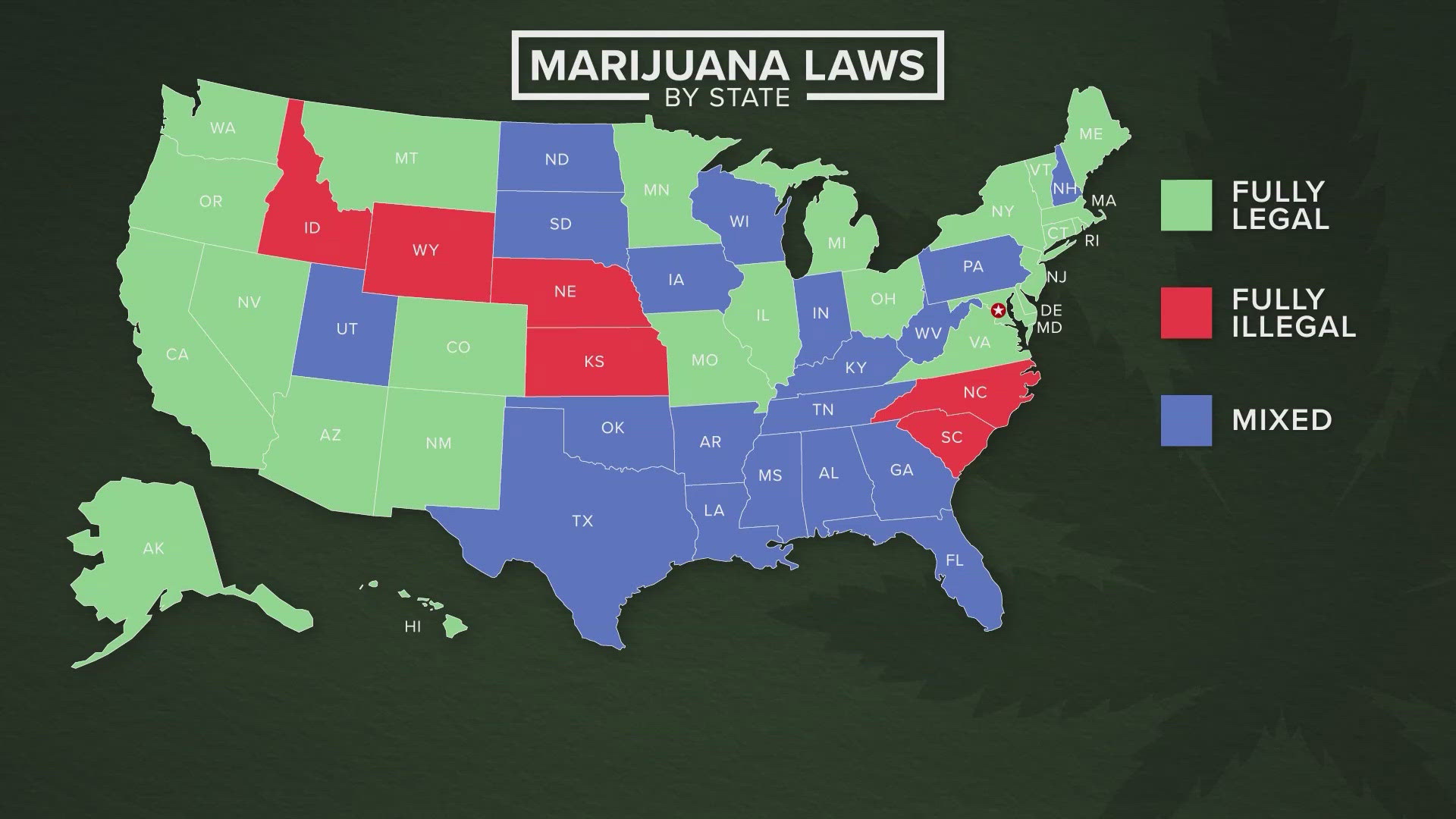
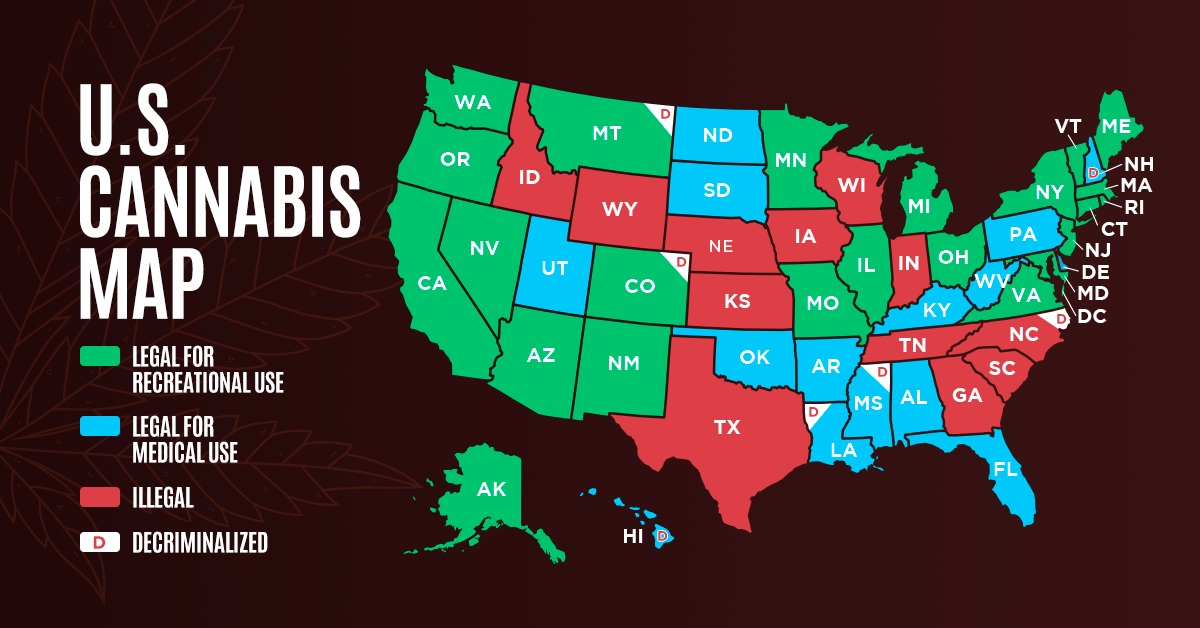
Texas has historically maintained a firm stance against the legalization of recreational marijuana. Unlike many other states that have moved towards decriminalization or full legalization, Texas has been more conservative in its approach. This difference in policy significantly impacts the experience of travelers and residents, especially when considering the vast array of attractions and activities the state has to offer.
The Compassionate Use Program: A Limited Exception
While recreational marijuana remains illegal, Texas does permit the use of low-THC cannabis for medical purposes under the Texas Compassionate Use Program (TCUP). This program, established in 2015, allows registered patients with specific qualifying medical conditions to obtain a prescription for cannabis products containing no more than 0.5% tetrahydrocannabinol (THC) by weight. It is important to note that this program is strictly for medical use and does not extend to recreational consumption.
The qualifying conditions for TCUP have been expanded over the years, but it remains a carefully regulated medical program. Patients must consult with a physician registered with the Compassionate Use Registry of Texas (CURT) and meet the specific criteria to be eligible for low-THC cannabis. Possession of marijuana outside of this program, even for medical reasons without proper registration, can lead to legal repercussions.
For travelers visiting Texas, understanding the nuances of TCUP is important. If you are a registered medical marijuana patient from another state, your medical marijuana card or prescription from your home state is generally not recognized in Texas under the Compassionate Use Program. This means that even if you are legally permitted to use marijuana in your home state, you may not be able to do so while visiting Texas without complying with Texas state laws. This can be a significant consideration for individuals with chronic conditions who rely on cannabis for symptom management, impacting their ability to plan family trips or luxury travel experiences without potential legal concerns.
Penalties for Possession and Use
The penalties for possessing or using marijuana in Texas are determined by the amount of cannabis involved and the jurisdiction. Even small amounts of marijuana can result in significant legal consequences.
- Small Amounts (2 ounces or less): Possession of 2 ounces or less of marijuana is typically classified as a Class B misdemeanor. This can result in a fine of up to $2,000 and a jail sentence of up to 180 days. A conviction may also lead to a driver’s license suspension.
- Larger Amounts: As the quantity of marijuana increases, so do the penalties. Possession of larger amounts can lead to felony charges, carrying more severe fines and longer prison sentences, potentially impacting long-term stays or even affecting future travel plans to other countries.
- Possession with Intent to Distribute: This is a much more serious offense and carries significantly harsher penalties, often leading to lengthy prison sentences and substantial fines.
It is crucial for anyone traveling to or residing in Texas to be aware of these laws. Ignorance of the law is not a valid defense. Law enforcement officers in Texas are vigilant in enforcing marijuana laws, and being found in possession of illegal substances can have immediate and far-reaching consequences. This is particularly relevant for visitors who may be accustomed to different legal frameworks in their home states or countries.
The Evolving Legislative Landscape
While recreational marijuana remains illegal in Texas, the state legislature has seen increasing debate and proposals regarding marijuana reform. Each legislative session brings renewed discussions about potential changes, including bills that aim to decriminalize small amounts of marijuana or expand the Compassionate Use Program. However, to date, no comprehensive recreational marijuana legalization bill has successfully passed through the Texas Legislature.
The political climate in Texas is complex, with a variety of viewpoints on drug policy. While there is a growing segment of the population and some lawmakers who advocate for reform, there remains significant opposition. This ongoing debate means that the legal status of marijuana in Texas is subject to change, though major shifts towards legalization are not currently on the immediate horizon.
For those interested in the details of legislative proposals, tracking bills related to marijuana reform can provide insights into the direction of potential future changes. However, for the present, travelers and residents must operate under the existing laws.
Impact on Tourism and Accommodation
The strict stance on recreational marijuana in Texas can influence travel decisions and the overall visitor experience. While Texas is celebrated for its diverse destinations, from the natural beauty of the Big Bend National Park to the vibrant arts scene in Dallas, the legal restrictions around cannabis may be a factor for some potential visitors.
For travelers who utilize marijuana for medical or recreational purposes in states where it is legal, the lack of similar access in Texas can be a deterrent. This might lead them to choose alternative destinations for their vacations. Conversely, for many who do not use marijuana, these laws have little to no impact on their travel plans.
When it comes to hotels and accommodation providers across Texas, including those offering luxury suites or budget-friendly options, their policies generally align with state laws. This means that smoking or possessing marijuana is typically prohibited on hotel premises. Visitors should always check the specific policies of their chosen hotel or resort and be mindful of local ordinances.
The tourism industry in Texas is robust, encompassing a wide range of experiences, from exploring historical landmarks like the Alamo to enjoying live music in Austin. The legal status of marijuana does not fundamentally alter the appeal of these attractions, but it remains a legal consideration for individuals.
Navigating Texas with Current Laws
For anyone planning a trip to Texas, or considering a move, it is essential to understand and respect the current laws regarding marijuana. This includes:
- Zero Tolerance for Recreational Use: Recreational marijuana is illegal in Texas. Possession, sale, or use of marijuana outside of the strict guidelines of the Compassionate Use Program can lead to arrest and prosecution.
- Medical Use Restrictions: If you are a registered medical marijuana patient from another state, your medical cannabis is not legally recognized in Texas. You must adhere to Texas laws while within the state.
- Awareness of Local Ordinances: While state law is the primary guide, local municipalities may also have specific ordinances related to drug offenses.
- Be Informed: Stay updated on any legislative changes by following news and official government sources.
Texas continues to be a state that offers incredible travel opportunities, from its vibrant cities like Houston and Fort Worth to its natural wonders and unique lifestyle offerings. By understanding and respecting its current cannabis laws, travelers and residents can ensure a smooth and enjoyable experience in the Lone Star State. The focus remains on the state’s renowned hospitality, rich history, diverse food scene, and breathtaking nature, all of which contribute to making Texas a remarkable place to visit and explore.
LifeOutOfTheBox is a participant in the Amazon Services LLC Associates Program, an affiliate advertising program designed to provide a means for sites to earn advertising fees by advertising and linking to Amazon.com. Amazon, the Amazon logo, AmazonSupply, and the AmazonSupply logo are trademarks of Amazon.com, Inc. or its affiliates. As an Amazon Associate we earn affiliate commissions from qualifying purchases.