
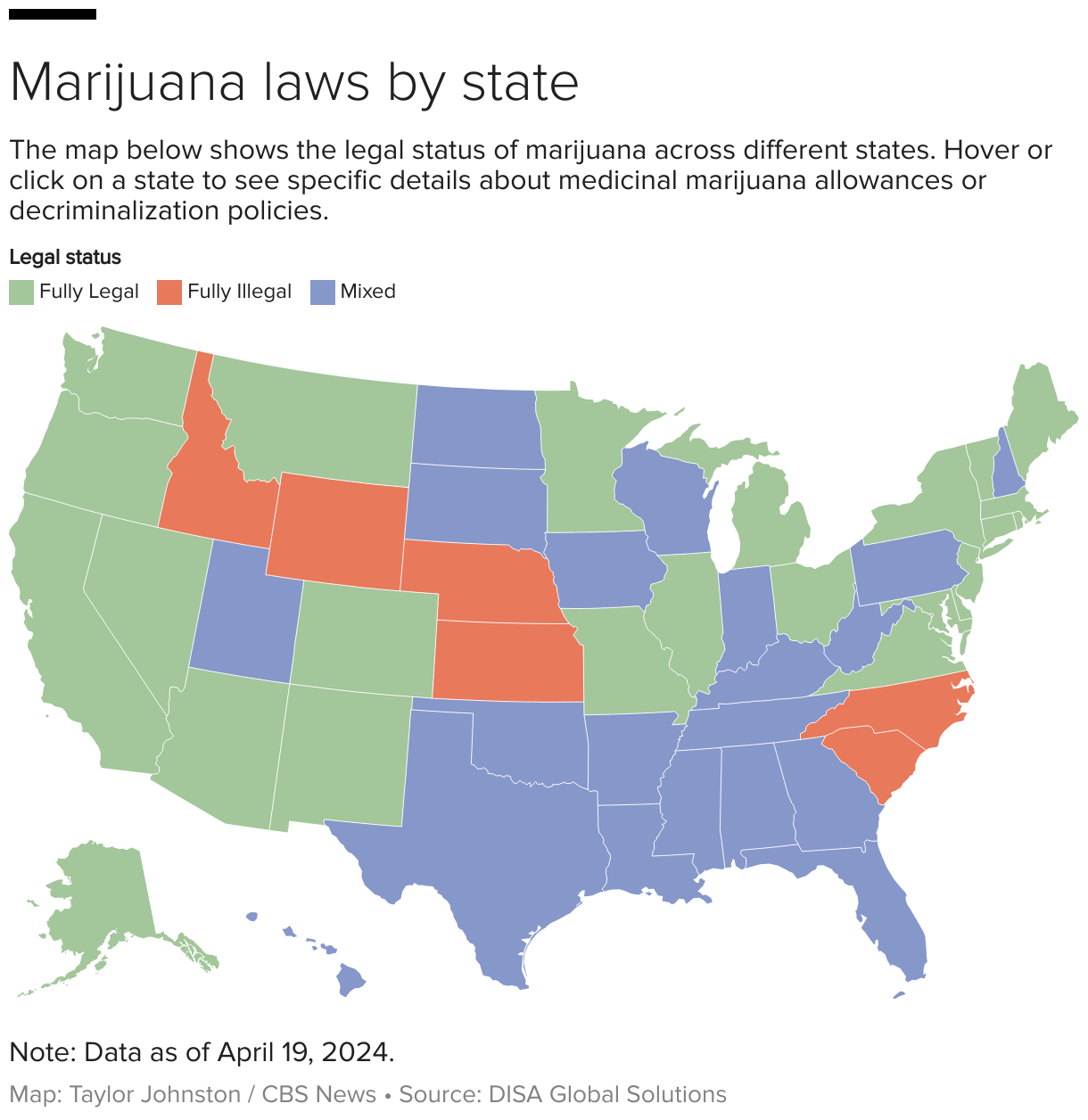
For travelers exploring the diverse landscapes and vibrant culture of the Sooner State, understanding local laws is paramount for a smooth and enjoyable journey. Among the most frequently asked questions for visitors planning a trip to the United States today, especially given the evolving legal landscape across various states, is the legality of recreational cannabis. So, let’s get straight to the point: as of late 2023 and early 2024, recreational weed is not legal in Oklahoma. While the state boasts one of the most accessible and robust medical marijuana programs in the nation, adult-use cannabis remains prohibited.

This nuanced legal status has significant implications for tourism, lifestyle choices, and the overall experience for those visiting Oklahoma. Whether you’re planning to immerse yourself in the rich history of Oklahoma City, enjoy the thriving arts scene in Tulsa, or explore the natural beauty of the Wichita Mountains Wildlife Refuge, knowing the boundaries of the law regarding cannabis is essential. This article will delve into Oklahoma’s current cannabis landscape, what it means for travelers, the potential future of recreational legalization, and how it fits into the broader picture of tourism and accommodation in this fascinating state.
Understanding Oklahoma’s Cannabis Landscape
The journey of cannabis legalization in Oklahoma has been a dynamic one, particularly since 2018. Unlike many states that have taken a more cautious, phased approach, Oklahoma rapidly developed a medical marijuana program that has surprised many with its breadth and accessibility.
Medical Marijuana: The Current Reality
In June 2018, Oklahoma voters passed State Question 788 (SQ 788), a citizen-led initiative that legalized medical marijuana. The approval margin was significant, demonstrating a strong public desire for access to cannabis for therapeutic purposes. What followed was the swift establishment of the Oklahoma Medical Marijuana Authority (OMMA), an agency under the Oklahoma State Department of Health, tasked with regulating the industry.
Oklahoma’s medical marijuana program quickly gained a reputation as one of the most liberal in the nation. Unlike states with highly restrictive lists of qualifying conditions, Oklahoma allows physicians to recommend medical marijuana for any condition they deem debilitating. This broad interpretation, coupled with a relatively straightforward application process for patient licenses, led to an explosion of dispensaries, cultivators, and processors across the state. In fact, Oklahoma quickly surpassed many larger states in terms of the number of licensed cannabis businesses per capita, earning it the moniker “the Wild West of weed” in some circles.
For residents, obtaining a medical marijuana card (or “patient license”) is a relatively simple process involving a doctor’s recommendation and an application to the OMMA. Once approved, patients can purchase cannabis products from any of the thousands of licensed dispensaries. The range of products available is extensive, including flower, edibles, concentrates, vapes, and topicals, catering to various preferences and medical needs. This robust market means that medical cannabis is widely available, often at competitive prices, making Oklahoma a significant hub for medical cannabis patients and businesses.
The Road Not Taken (Yet): Recreational Cannabis Initiatives
Despite the success of its medical program, attempts to legalize recreational cannabis in Oklahoma have faced hurdles. The most prominent effort came with State Question 820 (SQ 820). This ballot initiative aimed to legalize recreational marijuana for adults 21 and older, allowing for personal possession, home cultivation, and the establishment of a regulated adult-use market. It also proposed specific tax revenues to fund state services, education, and local governments.
However, SQ 820 ultimately failed at the ballot box in March 2023. The reasons for its defeat are complex, ranging from timing (it was a standalone special election rather than part of a larger general election), to a well-funded opposition campaign, and voter fatigue after the intense debates surrounding other ballot initiatives. Had SQ 820 passed, it would have fundamentally reshaped Oklahoma’s tourism landscape, potentially paving the way for cannabis-friendly resorts, unique lifestyle experiences, and a new dimension to the state’s travel appeal.
The failure of SQ 820 means that while medical cannabis remains widely available, adults without a medical card cannot legally purchase, possess, or consume marijuana in Oklahoma. This distinction is crucial for both residents and visitors alike and underscores the importance of understanding the law before engaging with cannabis in the state.
Navigating Cannabis Laws for Travelers and Tourists
For visitors to Oklahoma, the distinction between medical and recreational cannabis is not just a legal technicality; it’s a critical piece of information that can impact your travel experience. Adhering to the state’s regulations is essential to avoid legal trouble and ensure a hassle-free trip, whether you’re staying in a charming boutique hotel or exploring rural destinations.
What Visitors Need to Know About Medical Marijuana
One of the most accommodating aspects of Oklahoma’s medical marijuana program for tourists is its provision for temporary patient licenses. If you hold a valid medical marijuana card from another U.S. state, you may be eligible to apply for a temporary patient license in Oklahoma.
- Temporary License Eligibility: Visitors must be 18 years or older and hold a valid medical marijuana license from their home state.
- Application Process: Applications are submitted online through the OMMA website. You’ll need to provide your out-of-state medical marijuana license, proof of identity, and pay an application fee.
- Validity: If approved, a temporary license is typically valid for 30 days and can be renewed. This allows out-of-state patients to legally purchase, possess, and consume medical marijuana within Oklahoma’s limits during their stay.
- Purchase Limits: Temporary license holders are subject to the same purchase and possession limits as Oklahoma residents with a patient license. These generally include up to 3 ounces of cannabis flower, 1 ounce of cannabis concentrates, 72 ounces of edible cannabis, and up to 6 mature plants and 6 seedling plants.
It is vital for any visitor considering this option to complete the application process before attempting to purchase cannabis. Attempting to buy medical marijuana without a valid Oklahoma patient license (whether permanent or temporary) is illegal. For those without an out-of-state medical card or who do not wish to obtain a temporary license, any purchase, possession, or consumption of cannabis remains strictly prohibited.
Public Consumption and Possession Rules
Even for those with a valid Oklahoma medical marijuana license, certain restrictions apply, especially concerning consumption and possession in public spaces.
- Private Consumption Only: Cannabis consumption, in any form, is illegal in public places. This includes parks, sidewalks, restaurants, bars, and even within the common areas of hotels or other accommodations that are not explicitly cannabis-friendly. Violation of this rule can lead to fines and legal penalties.
- No Smoking in Prohibited Areas: Smoking medical marijuana is also prohibited anywhere tobacco smoking is forbidden, including most indoor public spaces and workplaces.
- Accommodation Policies: While some private accommodations, such as certain vacation rentals or specific rooms in hotels, might permit cannabis consumption (often vaping, not smoking), it is crucial to clarify these policies directly with the property before booking or consuming. Most standard hotels, even in destinations like Oklahoma City or Tulsa, will have strict no-smoking policies that extend to cannabis. Travelers seeking cannabis-friendly stays might need to look for specialized boutique hotels or specific categories of rentals advertised for this purpose, though these are rare in a medical-only state.
- Possession Limits: Medical marijuana patients must adhere to specific possession limits. Carrying amounts exceeding these limits, even with a license, can lead to legal issues.
- Driving Under the Influence: Driving while impaired by cannabis is illegal and carries severe penalties, akin to driving under the influence of alcohol. This is a zero-tolerance policy that all visitors must respect.

Interstate Travel and Transportation
This is perhaps the most critical rule for all travelers: cannabis remains federally illegal. This means that transporting cannabis across state lines, even between states where it is legal (medical or recreational), is a federal offense.
- No Flying with Cannabis: It is strictly forbidden to bring cannabis onto an airplane, even for medical patients. Airports fall under federal jurisdiction.
- No Driving Across State Lines: Do not attempt to drive cannabis from Oklahoma into neighboring states like Arkansas, Missouri, Texas, or Kansas, or vice versa. This applies even if you have an Oklahoma medical card. Federal law enforcement agencies patrol state borders, and penalties for drug trafficking across state lines can be severe.
- Postal Service: Mailing cannabis is also illegal and constitutes a federal crime.
For travelers, this means that any cannabis legally purchased in Oklahoma must be consumed within the state’s borders and disposed of responsibly before departing. It’s a key aspect of responsible tourism that must not be overlooked.
The Future of Cannabis Tourism in Oklahoma
While recreational legalization in Oklahoma remains an unrealized goal for now, the conversation about its potential economic impact and the future of cannabis tourism continues to evolve.
Economic Impact and Potential for Growth
If Oklahoma were to legalize recreational cannabis, the economic benefits could be substantial. States that have transitioned to adult-use markets have seen significant tax revenues, which are often earmarked for public services, infrastructure, and education. For Oklahoma, this could mean:
- Increased Tax Revenue: A regulated recreational market would generate substantial sales and excise taxes, providing a new stream of funding for the state.
- Job Creation: The expansion from medical-only to recreational would create thousands of new jobs in cultivation, processing, retail, and ancillary services, including specialized cannabis tourism roles.
- Tourism Boost: Recreational legalization often draws “cannabis tourists” from neighboring states where cannabis is illegal or more restricted. This influx of visitors would benefit hotels, restaurants, attractions, and local businesses in popular destinations like Oklahoma City and Tulsa. It could lead to the development of unique cannabis-centric experiences, such as consumption lounges, guided tours of cultivation facilities, and wellness retreats incorporating cannabis.
- New Lifestyle and Accommodation Options: The emergence of cannabis-friendly hotels, villas, and vacation rentals could cater to a niche market, similar to what’s seen in states like Colorado or California. This would add a new dimension to Oklahoma’s accommodation sector, offering different types of experiences for discerning travelers.
The current medical market already demonstrates the significant economic activity cannabis can generate. Expanding this to recreational sales would only amplify these effects, making Oklahoma a more comprehensive destination for various types of lifestyle travel.
Comparing Oklahoma to Other States
Oklahoma’s current stance places it in an interesting position compared to its neighbors and other states across the U.S.
- Medical-Only Neighbors: Arkansas also has a medical marijuana program, but it is generally more restrictive than Oklahoma’s in terms of qualifying conditions and dispensary access. Texas has a very limited low-THC medical cannabis program, while Kansas has no comprehensive medical or recreational cannabis laws.
- Recreational States: Further afield, states like Colorado, Nevada, and California have fully legalized recreational cannabis, offering a mature adult-use market and an established cannabis tourism industry. Visitors to these states can often find cannabis-friendly hotels, tours, and events. Even Missouri, to Oklahoma’s northeast, has legalized adult-use cannabis, potentially drawing some of Oklahoma’s residents for recreational purchases.
This comparison highlights a potential missed opportunity for Oklahoma in the realm of recreational cannabis tourism. While its medical market is thriving, without adult-use legalization, it cannot fully capitalize on the broader appeal of cannabis for leisure and lifestyle travel that states like Colorado have successfully cultivated. However, the possibility of future ballot initiatives means the landscape could always change.
Beyond Cannabis: Exploring Oklahoma’s Diverse Attractions
While the cannabis laws are a key consideration for some travelers, Oklahoma offers a wealth of attractions and experiences that appeal to a wide range of interests, far beyond its medical marijuana program. The state’s rich history, vibrant cities, and stunning natural beauty make it a captivating destination for any traveler.
In Oklahoma City, visitors can immerse themselves in the poignant history of the Oklahoma City National Memorial & Museum, enjoy a leisurely stroll through the lush Myriad Botanical Gardens, or catch a baseball game and explore the lively entertainment district of Bricktown with its scenic canal rides. For those interested in the American West, the National Cowboy & Western Heritage Museum offers an unparalleled collection of art and artifacts. Families will find joy at Frontier City, an amusement park offering classic rides and entertainment.
Tulsa, on the other hand, boasts a thriving arts and culture scene, epitomized by the world-class Philbrook Museum of Art and the thought-provoking Woody Guthrie Center. The Gathering Place, an extraordinary riverfront park, offers attractions for all ages, from playgrounds and skate parks to beautiful gardens and walking trails, making it a landmark destination for outdoor enthusiasts. The Oklahoma Aquarium provides an immersive experience into aquatic life.
Nature lovers will find endless opportunities for adventure across the state. The Wichita Mountains Wildlife Refuge is home to bison, elk, and longhorn cattle, alongside rugged hiking trails. Lake Eufaula offers excellent fishing and boating, while Robbers Cave State Park provides stunning scenery for hiking, climbing, and rappelling within the beautiful Ozark Mountains. Historic Route 66 winds through Oklahoma, offering nostalgic stops and roadside attractions that connect travelers to a bygone era of American road trips.
Oklahoma’s rich Native American heritage is also a cornerstone of its cultural tourism. Visitors can explore the Chickasaw Cultural Center to learn about the history and traditions of the Chickasaw Nation, or visit areas significant to the Cherokee Nation and other tribes. The Oklahoma History Center in Oklahoma City offers a comprehensive look at the state’s diverse past, from its Native American roots to its frontier days and beyond. Further east, the Will Rogers Memorial Museum in Claremore celebrates the life and legacy of Oklahoma’s favorite son.
Whether your travel interests lie in historical landmarks, outdoor adventures, vibrant city life, or unique cultural experiences, Oklahoma provides a diverse array of options that promise a memorable trip.
In conclusion, while Oklahoma stands out for its remarkably accessible medical marijuana program, recreational weed is not yet legal. Travelers with out-of-state medical cards can apply for temporary licenses, but all visitors must strictly adhere to rules regarding public consumption, possession limits, and most importantly, the federal prohibition on transporting cannabis across state lines. As the legislative landscape continues to evolve, the possibility of recreational legalization remains a topic of discussion, potentially reshaping Oklahoma’s future as a travel and lifestyle destination. For now, enjoy Oklahoma’s many attractions responsibly, keeping local laws in mind.
LifeOutOfTheBox is a participant in the Amazon Services LLC Associates Program, an affiliate advertising program designed to provide a means for sites to earn advertising fees by advertising and linking to Amazon.com. Amazon, the Amazon logo, AmazonSupply, and the AmazonSupply logo are trademarks of Amazon.com, Inc. or its affiliates. As an Amazon Associate we earn affiliate commissions from qualifying purchases.