
For many professionals considering a relocation from the bustling urban environment of New York City to the serene, coastal charm of Westchester County, the question of taxation is often the primary driver of their lifestyle decision. Rye is frequently viewed as a premier destination for those seeking a high quality of life, excellent schools, and a tight-knit community. However, transitioning from a city resident to a suburbanite involves a significant change in how one interacts with the state and local tax authorities. Understanding whether Rye is considered part of New York City for tax purposes is essential for anyone looking to optimize their personal finances while enjoying the benefits of living in the United States.
The Fundamental Distinction: City vs. Suburb
The most critical takeaway for any taxpayer is that Rye is unequivocally not part of New York City. Geographically and politically, they are entirely distinct entities. New York City operates as a collection of five boroughs, each functioning under a specific municipal government that levies its own local income tax.
Rye, located in Westchester County, falls under the jurisdiction of New York State but maintains its own local municipal governance. When you reside in Rye, you are subject to state income taxes and, depending on your specific property location, local school district and municipal taxes, but you are effectively “outside” the New York City tax umbrella.
The New York City Resident Income Tax
For those who live within the five boroughs, the New York City resident income tax is a significant budgetary consideration. This tax is levied in addition to New York State income taxes. The rates are graduated and can add several percentage points to a resident’s total tax burden.
Because Rye is situated outside these five boroughs, residents of this New York suburb are not liable for the additional New York City resident income tax. For high-earning professionals, this represents a substantial, immediate difference in net take-home pay, often offsetting the higher property tax rates typically found in affluent Westchester County towns.
Tax Implications for Commuters
While the residency status is clear, the complexity often arises for individuals who choose to live in Rye while working in New York City. Many people believe that by working in the city, they must pay city taxes. However, the rule is based on residency, not the location of the employer.
Residency vs. Workplace Taxation
If you live in Rye and commute to a job in Manhattan, you generally do not pay the New York City resident income tax. Since you are not a legal resident of the five boroughs, you are not subject to that specific municipal tax.

However, it is important to note that you are still liable for New York State income tax. Furthermore, if you are a non-resident of New York State entirely—for example, if you reside in Connecticut—the tax situation changes significantly. But for residents of Rye, the state tax obligation remains consistent regardless of whether you commute to New York City or work remotely from a home office near the Long Island Sound.
The “Convenience of the Employer” Rule
There is one caveat that frequently impacts professionals: the “convenience of the employer” rule. If you work for a New York State employer, even if you are working remotely from Rye, the state may still consider that income to be earned within the state. This does not trigger a New York City tax, but it does ensure that the income remains taxable at the state level. It is a common point of confusion, but the distinction remains clear: Rye residents remain protected from the city-specific tax, regardless of where their employer is headquartered.
Navigating Property and School Taxes
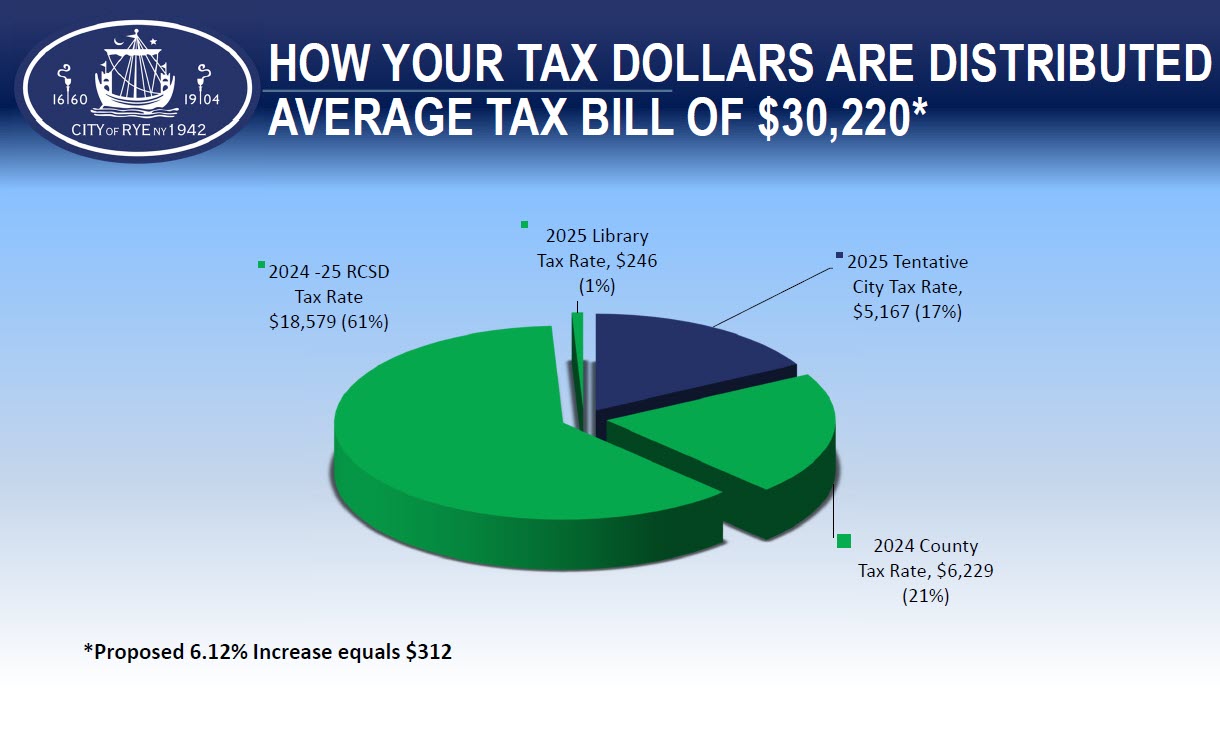
While Rye residents avoid the New York City income tax, they must contend with the unique structure of property taxes in Westchester County. Unlike the New York City system, where property taxes are somewhat mitigated by the density of the tax base, suburban property taxes in places like Rye are often driven primarily by school district funding.
The Cost of Excellence
Rye is renowned for its high-performing schools and beautiful coastal landscape. The property taxes here fund a significant portion of these local services. When considering the “tax-wise” comparison between a New York City apartment and a house in Rye, one must look at the total tax burden—income tax plus property tax—to understand the true economic impact.
- State Income Tax: Paid by all residents in New York State.
- Local Property Tax: Varies significantly by town and school district within Westchester County.
- Absence of Local Income Tax: This is the primary Rye benefit compared to the New York City resident tax.
Making the Financial Decision
When evaluating a move, the “tax-wise” perspective is only one piece of the puzzle. Residents of Rye gain access to a different lifestyle compared to those living in New York City. The lack of a municipal income tax allows families to redirect those funds toward property investment or private education, which are common priorities for Rye residents.

Evaluating Your Specific Situation
Before finalizing any relocation plans, it is recommended to consult with a tax professional who specializes in the New York tri-state area. Because tax laws, particularly those concerning remote work and out-of-state employment, are subject to change, having a clear understanding of your specific financial picture is vital.
The bottom line remains: if you move to Rye, you are officially moving out of the New York City tax jurisdiction. You will no longer be subject to the city resident income tax, though you will remain a New York State taxpayer. For many, this shift represents a logical step in personal financial growth, allowing them to enjoy the scenic beauty of Westchester County while maintaining access to the global hub of New York City via the Metro-North Railroad.
Whether the move is motivated by the desire for more space, a better school district, or simply a shift in lifestyle, understanding the geographic and jurisdictional boundaries of Rye is the first step toward a well-informed financial transition. The peace of mind that comes with knowing exactly where you stand with the tax authorities allows you to better appreciate the coastal tranquility that makes Rye such a desirable destination.
LifeOutOfTheBox is a participant in the Amazon Services LLC Associates Program, an affiliate advertising program designed to provide a means for sites to earn advertising fees by advertising and linking to Amazon.com. Amazon, the Amazon logo, AmazonSupply, and the AmazonSupply logo are trademarks of Amazon.com, Inc. or its affiliates. As an Amazon Associate we earn affiliate commissions from qualifying purchases.