
The question of whether Salvia is legal in Texas is a complex one, often leading to confusion for both residents and travelers considering the Lone Star State. While the plant itself, scientifically known as Salvia divinorum, has a rich ethnobotanical history, its legal status has undergone significant shifts, particularly in recent years. Understanding these nuances is crucial for anyone interested in its cultivation, possession, or use, especially within the context of travel and local culture in Texas.
The Shifting Legal Landscape of Salvia in Texas
The legal status of substances often reflects evolving societal attitudes and scientific understanding. For Salvia, this has been particularly true. For a period, it existed in a legal gray area in many parts of the United States, including Texas. This ambiguity allowed for its sale and possession, leading to its presence in certain specialty shops and online markets. However, this changed with legislative action aimed at controlling substances perceived as having psychoactive properties.

Federal Classification and its Impact
While many laws surrounding controlled substances are state-specific, federal legislation can also play a significant role. In 2010, the U.S. Drug Enforcement Administration (DEA) placed Salvia divinorum and its active compound, salvinorin A, into Schedule I of the Controlled Substances Act. Schedule I drugs are defined as having a high potential for abuse, no currently accepted medical use in treatment in the United States, and a lack of accepted safety for use under medical supervision. This federal designation has a cascading effect, influencing state-level laws and enforcement priorities across the country.
Texas State Legislation
In response to federal action and growing concerns, Texas enacted its own legislation to specifically address Salvia. In 2011, the Texas Legislature passed House Bill 1511, which classified Salvia divinorum and salvinorin A as a Schedule I controlled substance under the Texas Controlled Substances Act. This means that in Texas, the manufacture, delivery, possession, or cultivation of Salvia with the intent to sell or distribute is a criminal offense.
- Possession: Simple possession of Salvia in Texas can lead to misdemeanor charges, depending on the amount. Larger quantities can result in felony charges.
- Cultivation and Distribution: Growing or selling Salvia in Texas carries more severe penalties, reflecting the state’s intent to prevent its wider dissemination.
- Travelers: For individuals traveling through or visiting Texas, it is imperative to be aware of these laws. Possessing Salvia within the state borders, even if legal in one’s home jurisdiction, can lead to arrest and prosecution. This is a critical consideration for any traveler interested in experiencing Texas while adhering to local regulations.
Understanding Salvia: Beyond its Legal Status
To fully appreciate the context of its legal status, it’s helpful to understand what Salvia is. It is a plant in the mint family, native to Oaxaca, Mexico. Indigenous communities in Oaxaca have historically used the plant in shamanic rituals and for spiritual healing purposes. The leaves are typically chewed or steeped into a tea, and its effects are known to be short-lived but intense, often involving altered perception, vivid hallucinations, and a sense of detachment.
Ethnobotanical Significance
The ethnobotanical use of Salvia highlights its cultural importance in certain regions. However, its introduction to Western markets and subsequent widespread availability led to increased scrutiny and regulatory action. While its traditional uses are deeply rooted in specific cultural practices, its modern recreational use has placed it under a different lens, leading to its classification as a controlled substance in places like Texas.
Active Compounds and Effects
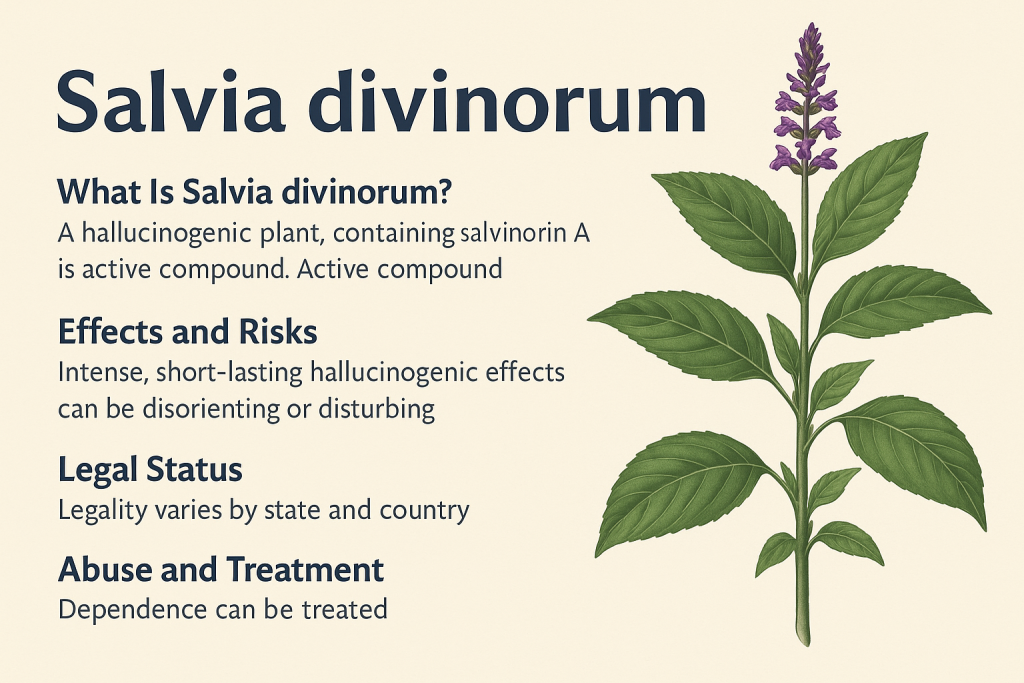
The primary psychoactive compound in Salvia is salvinorin A. This potent kappa-opioid receptor agonist is responsible for the plant’s unique effects, which differ significantly from other psychoactive substances. These effects can include:
- Visual and auditory hallucinations: Users often report seeing and hearing things that are not present.
- Distorted sense of reality: Perceptions of time, space, and self can be dramatically altered.
- Intense emotional experiences: A range of emotions, from euphoria to anxiety, can be experienced.
- Loss of motor control: In some cases, users may experience a temporary inability to move.
- Out-of-body experiences: A common report among Salvia users.
It is these potent and unpredictable effects that have contributed to its classification as a controlled substance in Texas and other jurisdictions, prioritizing public safety and harm reduction.
Implications for Travelers and Tourists in Texas
For individuals planning a trip to Texas, understanding the legal status of Salvia is paramount to avoiding legal trouble. Texas is a vast state with diverse attractions, from the vibrant city life of Austin and Dallas to the historical sites of San Antonio and the natural beauty of the Texas Hill Country. However, the laws regarding controlled substances are strictly enforced throughout the state.
Navigating Legal Restrictions
When visiting Texas, it is essential to be aware of and comply with all state laws, including those related to controlled substances. This means that:
- Do not bring Salvia into Texas: If you possess Salvia in your home state or country, do not transport it into Texas.
- Do not purchase Salvia in Texas: Due to its illegal status, you will not find Salvia legally available for sale within the state. Attempting to purchase it could lead to criminal charges.
- Be mindful of substances you consume: Ensure that any substances you consume in Texas are legal and obtained through legitimate means. This is a general principle for responsible travel but particularly important when crossing state lines with differing legal frameworks.
Focusing on Texas’s Legal Attractions
Texas offers an abundance of legal and engaging activities and attractions for tourists. Visitors can explore the rich history of the Alamo, enjoy world-class museums in Houston, experience the live music scene in Austin, or venture out to national and state parks for outdoor adventures. The state’s culinary scene, from barbecue to Tex-Mex, is also a major draw for visitors.
- Cultural Experiences: Immerse yourself in the unique blend of cultures that define Texas. Visit historical missions, art galleries, and local festivals.
- Outdoor Adventures: Explore the vast landscapes, from the Big Bend National Park to the beaches of the Gulf Coast.
- Culinary Delights: Indulge in the diverse and celebrated food scene that Texas has to offer.
By focusing on these legal and enriching experiences, travelers can have a safe and enjoyable time in Texas without encountering legal complications.

Conclusion: A Clear Legal Stand in Texas
In summary, the answer to “Is Salvia Illegal In Texas?” is a definitive yes. Since 2011, Salvia divinorum and its active compound have been classified as Schedule I controlled substances under Texas state law. This classification carries significant penalties for possession, cultivation, and distribution.
For anyone planning to visit or reside in Texas, it is crucial to be aware of and adhere to these laws. The state offers a wealth of legal and exciting travel opportunities, from its vibrant cities and rich history to its stunning natural landscapes and diverse culture. By understanding and respecting the legal framework, particularly regarding controlled substances, visitors can ensure a safe, legal, and memorable experience in the Lone Star State. Prioritizing legal activities and being informed about local regulations are key components of responsible tourism and a positive travel experience in Texas.
LifeOutOfTheBox is a participant in the Amazon Services LLC Associates Program, an affiliate advertising program designed to provide a means for sites to earn advertising fees by advertising and linking to Amazon.com. Amazon, the Amazon logo, AmazonSupply, and the AmazonSupply logo are trademarks of Amazon.com, Inc. or its affiliates. As an Amazon Associate we earn affiliate commissions from qualifying purchases.