
When planning a trip to the Lone Star State, travelers often research local laws and regulations to ensure a smooth and enjoyable experience. While many focus on common concerns like alcohol laws or driving regulations, an equally important aspect of responsible travel involves understanding the legality of certain substances, including those that might be found in natural or synthesized forms. This article delves into the question of salvia legality in Texas, exploring its status and providing context for travelers.
Salvia, also known as Salvia divinorum, is a psychoactive plant native to Oaxaca, Mexico. It has gained attention for its potent hallucinogenic properties when consumed, typically through smoking or chewing its leaves. Its use dates back centuries among indigenous peoples in Mexico for spiritual and shamanic rituals. However, in recent decades, its recreational use has spread globally, leading to varying legal responses across different jurisdictions.

For individuals planning a visit to Texas and curious about what they can or cannot bring or use, understanding the legal landscape surrounding substances like salvia is paramount. This exploration will not only address the direct question of its legality in Texas but also touch upon the broader context of drug laws, their enforcement, and how they might impact a traveler’s journey, from booking accommodations at a luxury resort to exploring the vibrant local culture.
Understanding Salvia and its Legal Status
What is Salvia?
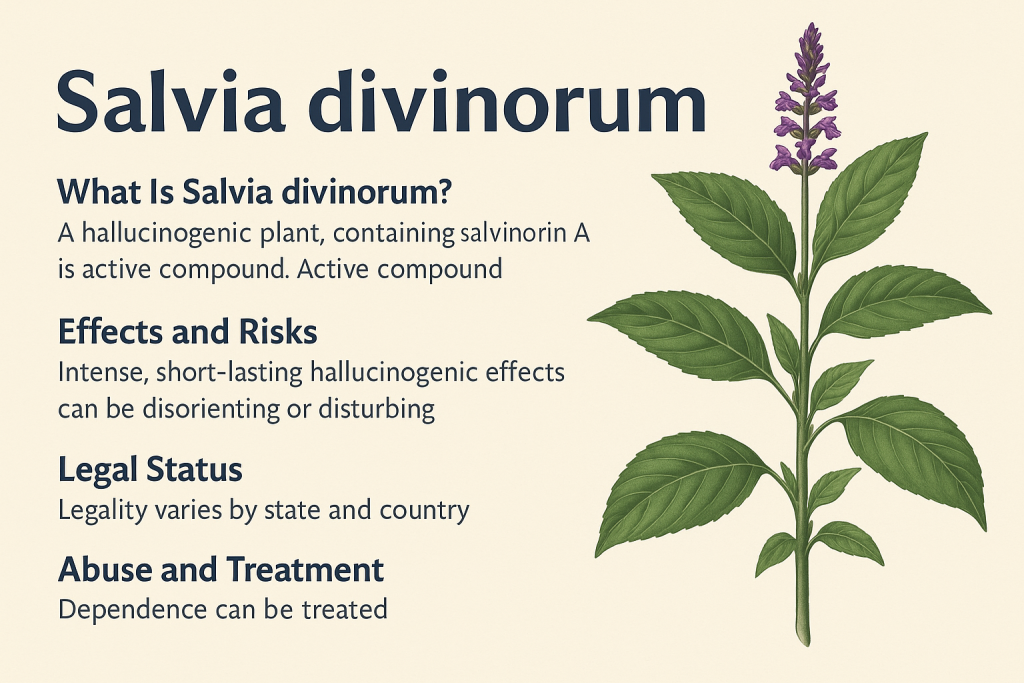
Salvia divinorum is a perennial herb belonging to the mint family, Lamiaceae. Its active compound, salvinorin A, is a powerful kappa-opioid receptor agonist, responsible for its distinctive psychoactive effects. These effects can include vivid hallucinations, altered perception of reality, changes in mood, and a sense of dissociation. The intensity and duration of these effects can vary significantly depending on the method of consumption, the dosage, and individual sensitivity.
Historically, the Mazatec people of Oaxaca, Mexico have used Salvia divinorum in traditional healing practices and shamanic ceremonies. It was typically consumed by chewing the fresh leaves or brewing them into a tea. The plant itself is relatively easy to grow and propagate, contributing to its wider availability and subsequent legal scrutiny.
The Legal Landscape in Texas
The question of whether salvia is legal in Texas requires a clear understanding of state and federal drug control laws. In the United States, the Controlled Substances Act (CSA) categorizes drugs based on their potential for abuse and accepted medical use. However, individual states also have the authority to enact their own drug laws, which may be stricter or more lenient than federal statutes.
For salvia, its legal status has been a subject of debate and legislative action. As of current information, Texas has classified salvia as a controlled substance. This classification places it under strict legal regulation, meaning its possession, sale, manufacture, and distribution are prohibited and subject to penalties.
Texas Controlled Substances Act and Salvia
Texas law, specifically the Texas Controlled Substances Act, lists Salvia divinorum as a Schedule I controlled substance. This designation is significant because Schedule I substances are defined as having a high potential for abuse, no currently accepted medical use in treatment in the United States, and a lack of accepted safety for use under medical supervision.
This classification means that engaging in any activity related to salvia within the borders of Texas – whether it’s possessing it, attempting to sell it, or even cultivating it – is a criminal offense. The penalties for violating these laws can range from fines to imprisonment, depending on the quantity of the substance involved and the specific nature of the offense. For travelers, this means that bringing salvia into Texas, even for personal use, is illegal and could lead to serious legal repercussions.
Impact on Travelers and Tourism in Texas
Understanding the legal status of salvia in Texas is not just a matter of abstract legal knowledge; it has practical implications for anyone visiting the state. Travelers who are accustomed to different legal frameworks in their home countries or states might be unaware of Texas’s stringent laws regarding controlled substances.
What Travelers Should Know
For individuals planning a trip to Texas, whether for a relaxing stay at a beach resort in Galveston or an adventurous exploration of the Big Bend National Park, it is crucial to adhere to all local laws. This includes laws pertaining to controlled substances. Possessing salvia in Texas is a criminal offense, and ignorance of the law is generally not a valid defense.
Travelers are strongly advised to avoid bringing any substances into Texas that are classified as controlled substances within the state. This applies not only to salvia but also to other substances that might have varying legal statuses elsewhere. Law enforcement in Texas is known for its diligence, and any violation can lead to arrest, detention, and significant legal challenges that could disrupt travel plans and have long-lasting consequences.
Exploring Texas Responsibly
The focus on salvia’s legality underscores a broader principle for responsible tourism: being informed about and respecting the laws of the destination. Texas offers a wealth of experiences for travelers, from the historic missions in San Antonio to the bustling culinary scene in Austin. Understanding local regulations ensures that these experiences are enjoyable and free from legal entanglements.
When visiting Texas, travelers can immerse themselves in the rich local culture, savor the diverse food, and discover exciting activities and attractions. By prioritizing legal compliance, visitors can fully appreciate the state’s offerings, whether they are staying in a charming boutique hotel or exploring the natural beauty of the Texas Hill Country. The state’s commitment to enforcing its controlled substances act means that adherence to these laws is essential for a safe and lawful visit.
Alternatives for Relaxation and Exploration
While salvia is illegal in Texas, the state offers a myriad of legal and enriching ways for travelers to relax, explore, and experience its unique spirit. The focus of tourism in Texas is on its natural landscapes, vibrant cities, rich history, and diverse cultural experiences, all of which can be enjoyed without engaging in illegal activities.
Experiencing Texas’s Natural and Cultural Wonders
Texas boasts an incredible diversity of natural environments, from the piney woods of East Texas to the deserts of West Texas and the Gulf Coast. Exploring Big Bend National Park offers stunning vistas and hiking opportunities, while the Texas Hill Country is known for its rolling hills, vineyards, and charming small towns like Fredericksburg. Visitors can enjoy camping, hiking, birdwatching, and scenic drives, all within the bounds of the law.
Culturally, Texas is a melting pot. Cities like Houston offer world-class museums, a thriving arts scene, and diverse culinary delights. Dallas provides a blend of modern attractions and historical sites, while San Antonio is steeped in history with its iconic Alamo and Spanish missions. Austin, the state capital, is renowned for its live music scene, outdoor recreation, and quirky lifestyle. Each of these destinations provides ample opportunities for authentic and legal exploration.

Accommodation and Travel Tips for a Legal Stay
When planning a trip to Texas, travelers have a vast array of accommodation options to suit every preference and budget. From luxurious suites in major cities like Houston or Dallas to family-friendly resorts along the coast or rustic villas in the countryside, Texas caters to all. Websites offering booking, reviews, and comparison can help find the perfect place to stay. Whether it’s a short getaway or a long-term stay, ensuring compliance with all local laws, including those concerning controlled substances, is a fundamental part of a positive travel experience.
Travelers are encouraged to research Texas laws prior to their visit. This includes understanding regulations related to alcohol consumption, driving, and prohibited substances. By focusing on legal and enriching activities, visitors can truly experience the best that Texas has to offer, creating lasting memories without encountering legal difficulties. Exploring the state’s famous places, admiring its architecture, delving into its history, and enjoying its diverse nature are all fantastic and entirely legal ways to engage with the Lone Star State. From enjoying a budget travel experience to indulging in luxury travel, a lawful approach ensures a truly rewarding visit.
LifeOutOfTheBox is a participant in the Amazon Services LLC Associates Program, an affiliate advertising program designed to provide a means for sites to earn advertising fees by advertising and linking to Amazon.com. Amazon, the Amazon logo, AmazonSupply, and the AmazonSupply logo are trademarks of Amazon.com, Inc. or its affiliates. As an Amazon Associate we earn affiliate commissions from qualifying purchases.