
The question of whether San Diego, California is a sanctuary city is a complex one, often steeped in political debate and varying interpretations of local policies. When visitors, potential residents, or even those simply interested in the nuances of urban governance ponder this, they are usually looking for clarity on how a city treats its immigrant population, particularly those who are undocumented. Understanding San Diego’s approach requires delving into its legislative history, current practices, and the broader context of immigration policy in the United States. This article aims to unravel this multifaceted issue, exploring the city’s stance and how it aligns with the typical definition of a sanctuary city, while also considering the practical implications for the vibrant tapestry of tourism, accommodation, and lifestyle that San Diego offers.
Defining “Sanctuary City”
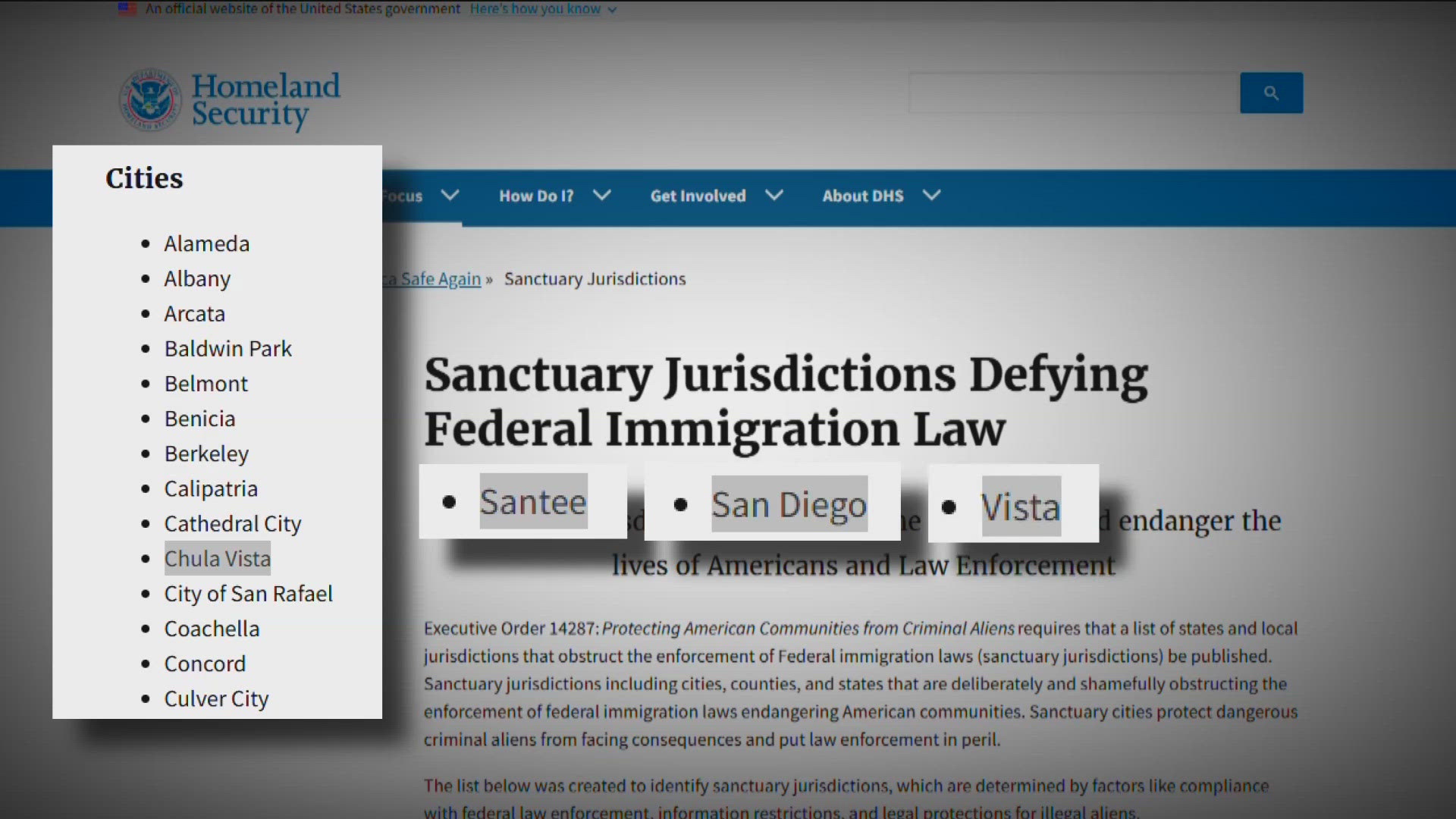
The term “sanctuary city” itself is not a legally defined term in the United States. Instead, it’s a colloquialism used to describe a city or jurisdiction that has adopted policies to limit its cooperation with federal immigration enforcement agents, particularly in the context of apprehending and detaining individuals who are in the country without authorization. These policies often involve directing local law enforcement not to stop, question, or detain individuals solely on the basis of their immigration status, and to refrain from honoring certain federal detainer requests unless accompanied by a judicial warrant.
The motivations behind adopting such policies are diverse. For some cities, it stems from a belief in protecting vulnerable immigrant communities, fostering trust between law enforcement and all residents, and preventing the separation of families. For others, it’s about resource allocation, arguing that local police resources are best utilized for local crime, not for enforcing federal immigration laws. It’s crucial to understand that these policies do not grant immunity from federal immigration laws, nor do they typically prevent federal authorities from conducting their own enforcement actions within the city limits. Instead, they primarily concern the extent to which local government entities and their employees will actively participate in or support federal immigration enforcement efforts.
The Spectrum of Sanctuary Policies
It’s important to recognize that “sanctuary” exists on a spectrum. Not all cities that are labeled as sanctuary cities have the same policies. Some may have explicit ordinances or resolutions defining their stance, while others might have less formal directives or interpretations of existing laws. This means that the label can sometimes be applied broadly, encompassing a range of practices rather than a single, uniform set of rules.
For example, a city might refuse to honor U.S. Immigration and Customs Enforcement (ICE) detainers without a judicial warrant. Another might prohibit its police officers from asking about a person’s immigration status during routine encounters. Still others might provide legal aid or resources to immigrants facing deportation. The absence of a federal definition means that the interpretation and implementation of sanctuary policies are largely left to individual cities and states, leading to a patchwork of approaches across the country. This can create confusion, especially for travelers and those seeking accommodation, who may wonder how local policies might impact their experiences or the safety of immigrant communities they wish to support.
San Diego’s Stance: Policies and Practices
When examining San Diego, California’s position, it’s essential to look at its actions and official statements rather than relying solely on the broad label of “sanctuary city.” Historically, San Diego has not adopted policies that align with the most stringent definitions of a sanctuary city, particularly in its direct opposition to federal immigration enforcement. However, the city has taken steps to protect its residents and foster a more inclusive environment.
Cooperation with Federal Authorities
San Diego has generally maintained a cooperative relationship with federal immigration authorities, differentiating it from cities that have enacted outright bans on such cooperation. The San Diego Police Department, like many other law enforcement agencies in the United States, operates under legal obligations to comply with certain federal laws and court orders. This means that while local police may not actively seek out individuals based on immigration status, they are typically required to honor lawful warrants and detainers issued by federal agencies when presented.

The city’s approach has often been characterized by a balancing act: seeking to uphold the law while also acknowledging the importance of community trust and the well-being of all its residents, including immigrant populations. This nuanced stance means that while you won’t find explicit policies that would prevent federal immigration officers from carrying out their duties in San Diego, there are also efforts to ensure that local law enforcement’s primary focus remains on local public safety and crime prevention.
Local Ordinances and Initiatives
While San Diego may not fit the strictest definition of a sanctuary city, it has implemented policies aimed at supporting its diverse population. For instance, the city has been a leader in advocating for comprehensive immigration reform at the federal level. Furthermore, local non-profit organizations, often supported by city initiatives or grants, provide valuable resources to immigrant communities, including legal assistance, educational programs, and social services. These efforts, while not directly making San Diego a sanctuary city in the restrictive sense, contribute to a more welcoming and supportive environment for immigrants.
These initiatives often focus on ensuring that all residents, regardless of immigration status, have access to essential services and feel safe in their communities. This can include efforts to build trust between law enforcement and immigrant communities, encouraging reporting of crimes without fear of reprisal related to immigration status. Such programs are vital for the social fabric of a city that thrives on its multiculturalism and the contributions of its diverse residents.
Implications for Travel, Tourism, and Accommodation
The nuanced approach of San Diego, California to immigration policies has several implications for its vibrant tourism sector and the diverse range of accommodation options available. For travelers, whether planning a luxury resort stay, a family trip, or a budget-friendly getaway, understanding the city’s general climate can be reassuring.
A Welcoming Destination for All
San Diego has long been celebrated for its laid-back atmosphere, beautiful beaches, and world-class attractions like the San Diego Zoo and Balboa Park. The city’s commitment to public safety and community well-being extends to its visitors. The operational policies in place aim to ensure that San Diego remains a safe and welcoming destination for people from all walks of life and from around the globe.
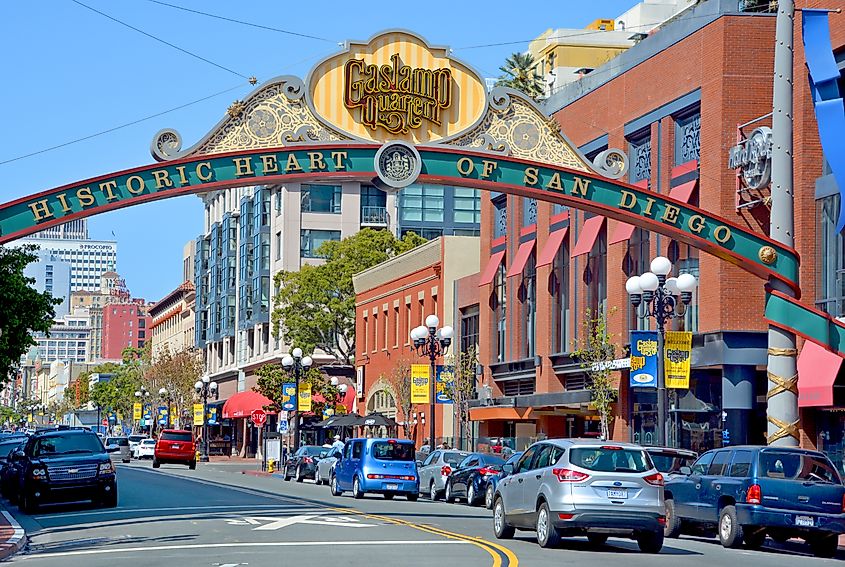
This welcoming ethos is crucial for the tourism industry. Visitors seeking experiences in local culture, exploring historic landmarks like the Gaslamp Quarter, or enjoying outdoor activities are unlikely to encounter any direct impact from the city’s immigration policies. The focus remains on providing exceptional tourist experiences, from booking accommodation in charming boutique hotels to enjoying the culinary delights of its diverse neighborhoods. The emphasis is on creating a positive and memorable visit, regardless of a traveler’s background.
Accommodation and Lifestyle Choices
When it comes to accommodation, San Diego offers a wide array of choices to suit every lifestyle and budget. From lavish resorts along the coast in La Jolla to comfortable hotels in the bustling downtown area, and from private villas for long-term stays to affordable apartments, the city caters to a broad spectrum of needs. The policies in place do not typically affect the booking or availability of these accommodations.
Hotels and rental properties operate under standard business regulations, and their services are available to all guests. The city’s commitment to being an inclusive destination ensures that the focus for hospitality providers remains on excellent customer service and providing a comfortable stay. Whether you’re looking for a suite with ocean views, a family-friendly resort with pools and amenities, or a conveniently located apartment for a business stay, San Diego’s accommodation sector is robust and welcoming to all. The city’s lifestyle, often associated with outdoor activities, arts, and a relaxed pace, is designed to be enjoyed by everyone, reinforcing its reputation as a desirable place to visit, live, and explore.
In conclusion, while San Diego, California may not officially identify as a “sanctuary city” in the strictest political sense, its policies and practices reflect a commitment to community well-being and inclusivity. This nuanced approach ensures that San Diego remains a vibrant and welcoming destination for travelers, offering a rich tapestry of experiences, accommodations, and lifestyle opportunities for all its visitors and residents alike.
LifeOutOfTheBox is a participant in the Amazon Services LLC Associates Program, an affiliate advertising program designed to provide a means for sites to earn advertising fees by advertising and linking to Amazon.com. Amazon, the Amazon logo, AmazonSupply, and the AmazonSupply logo are trademarks of Amazon.com, Inc. or its affiliates. As an Amazon Associate we earn affiliate commissions from qualifying purchases.