
The question of whether San Francisco is part of Northern or Southern California is a common one, particularly for those planning a visit to the Golden State or seeking to understand its diverse geography. While the answer might seem straightforward to locals, the sheer size and varied landscapes of California can make regional distinctions feel ambiguous to outsiders. To put it succinctly and without delay, San Francisco is unequivocally located in Northern California. This definitive geographical placement is not merely a point on a compass; it profoundly influences the city’s climate, culture, economy, and the overall travel experience it offers. Understanding this distinction is crucial for travelers aiming to craft a coherent itinerary, explore specific regional characteristics, or simply gain a deeper appreciation for California’s immense diversity.
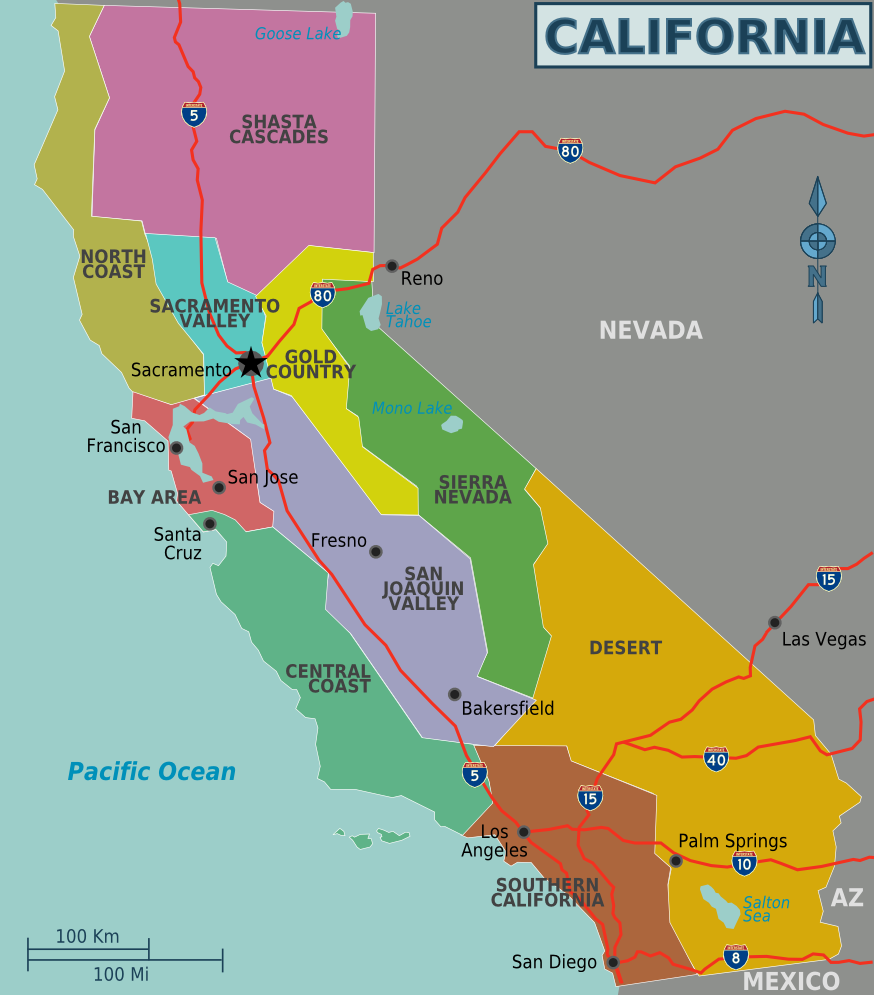
The state of California, stretching over 800 miles from its northern border with Oregon to its southern border with Mexico, is a land of dramatic contrasts. From towering redwood forests and rugged coastlines to sun-drenched beaches and arid deserts, its geography is as varied as its population. This vastness necessitates regional classifications, and the North/South divide is arguably the most significant. For travelers, recognizing San Francisco’s northern identity is the first step in unlocking the unique adventures and cultural nuances that define this vibrant metropolis and its surrounding areas.
Pinpointing San Francisco’s Geographic Identity
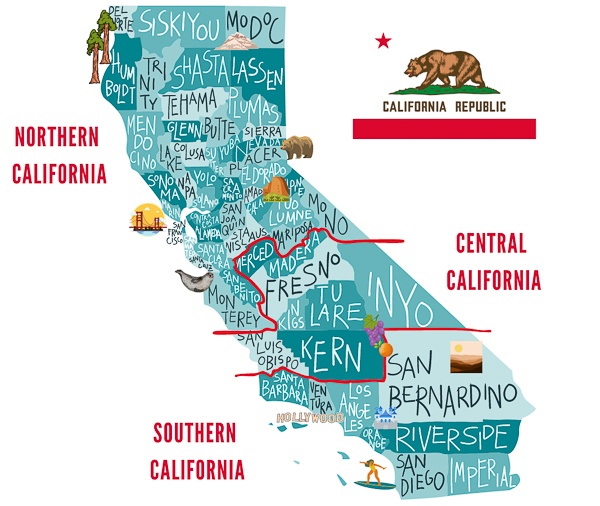
The notion of a clear dividing line between Northern and Southern California can sometimes be fuzzy, often debated among residents. However, for a major metropolitan area like San Francisco, its placement is beyond dispute, forming a cornerstone of its identity.
The Definitive Answer: Northern California
San Francisco sits proudly on the northern half of California’s coastline, specifically near the tip of the San Francisco Peninsula, where the Pacific Ocean meets the San Francisco Bay. This strategic location, about 380 miles north of Los Angeles and 450 miles south of the Oregon border, firmly anchors it within the Northern California region. Geographically, most definitions place the dividing line somewhere south of the Bay Area, often around Monterey Bay or even further south near the Tehachapi Mountains, which act as a significant natural barrier and cultural watershed separating the two halves of the state.
From a practical travel perspective, anything north of a rough line extending from just below Santa Cruz eastward through the Central Valley is generally considered Northern California. San Francisco, with its iconic Golden Gate Bridge guarding the entrance to its namesake bay, is not just in Northern California; it is often considered its cultural, economic, and historical heart.
Beyond the Bay: Understanding California’s Regions
To truly grasp San Francisco’s place, it helps to understand California’s broader regional breakdown. Beyond the simple North/South dichotomy, the state can be broken down into several distinct areas, each with its own character:
- North Coast: The rugged, misty coastline north of San Francisco, known for redwood forests and pristine wilderness.
- Bay Area: The expansive metropolitan region surrounding San Francisco Bay, including Oakland, San Jose, and the Silicon Valley tech hub. San Francisco is the crown jewel of this region.
- Central Valley: The fertile agricultural heartland running down the middle of the state.
- Sierra Nevada: The majestic mountain range to the east, home to national parks like Yosemite and Lake Tahoe.
- Central Coast: The scenic stretch of coastline between the Bay Area and Southern California, featuring places like Monterey and Big Sur.
- Southern California: Encompassing the mega-regions of Los Angeles and San Diego, stretching eastward to desert landscapes.
San Francisco, as the primary urban center of the Bay Area, acts as a gateway to many of Northern California’s most celebrated attractions and epitomizes many of its unique characteristics.
Why the North/South Distinction Matters for Travelers
For visitors planning a trip to California, understanding the geographic divide is more than an academic exercise; it’s a practical necessity that shapes expectations and guides itinerary choices. The differences between North and South California are profound, affecting everything from weather patterns to cultural ambiance and the types of activities available.
Climate and Landscape Variations
One of the most immediate impacts of San Francisco’s northern location is its climate. Northern California generally experiences a cooler, foggier, and wetter climate, particularly along the coast. San Francisco itself is famous for its characteristic fog, especially during summer months, which provides a dramatic backdrop to landmarks like the Golden Gate Bridge but also necessitates packing layers. Inland, regions like Napa Valley and Sonoma Valley offer warmer, sunnier conditions ideal for viticulture, but still distinct from the consistent sunshine of the south. The landscape is dominated by towering redwood forests, such as those found at Muir Woods National Monument, rugged coastlines, and verdant rolling hills.
In contrast, Southern California is renowned for its much warmer, sunnier weather, extensive sandy beaches, and a landscape that transitions from coastal plains to arid deserts further inland. The iconic palm trees, endless summer vibe, and sprawling urban centers of Los Angeles and San Diego paint a very different picture. Travelers seeking consistent warmth and beach days might prioritize Southern California, while those drawn to dramatic natural beauty, cooler temperatures, and a more intimate urban experience will find Northern California, with San Francisco at its heart, more appealing.
Distinct Cultural and Lifestyle Experiences
Beyond geography and climate, the North/South divide manifests in distinct cultural and lifestyle experiences. Northern California, particularly the Bay Area, is often associated with innovation, technology (thanks to Silicon Valley), environmental consciousness, and a progressive, often bohemian, spirit. The culinary scene in San Francisco is heavily influenced by the farm-to-table movement, with an emphasis on fresh, local ingredients. Outdoor activities like hiking, cycling, and exploring natural parks are deeply ingrained in the lifestyle.
Southern California, conversely, is globally recognized for its entertainment industry (Hollywood), celebrity culture, car-centric lifestyle, and a more laid-back, beach-oriented vibe. Theme parks like Disneyland Resort are major draws, and the region’s cultural tapestry is characterized by a blend of diverse influences spread across vast urban sprawl. While both regions are incredibly diverse, their dominant cultural narratives offer different flavors of the Californian dream.
Strategic Itinerary Planning
Knowing San Francisco’s northern location is paramount for efficient itinerary planning. A traveler hoping to experience both San Francisco’s charm and San Diego’s beaches in a short trip might underestimate the significant travel time involved. The roughly 5-6 hour drive (without traffic) between San Francisco and Los Angeles, or the 8-hour drive to San Diego, means that combining major North and South California destinations typically requires a dedicated long road trip, domestic flights, or a selective focus on one region per visit.
For those focusing on Northern California, San Francisco serves as an ideal base for exploring nearby attractions. Day trips or short excursions can easily include the wine regions of Napa and Sonoma, the ancient redwoods of Muir Woods, the dramatic coastline of Point Reyes National Seashore, or the natural wonders of Yosemite National Park (a longer but feasible trip). Combining San Francisco with other Northern California gems allows for a cohesive travel experience, minimizing travel time and maximizing exploration of a specific regional character.
Exploring San Francisco: A Northern California Gem
San Francisco’s identity as a Northern California city is inextricably linked to its unique appeal as a travel destination. Its character, attractions, and surrounding landscapes perfectly embody the essence of the northern part of the state.
Iconic Attractions and Experiences
The city itself is a testament to Northern California’s allure, offering a dense concentration of world-famous landmarks and experiences. The Golden Gate Bridge, shrouded in its iconic fog, stands as a symbol not just of San Francisco but of the entire region’s natural beauty and engineering prowess. Alcatraz Island, with its chilling history, offers a glimpse into a darker chapter, accessible via ferry across the chilly waters of the bay. The bustling energy of Fisherman’s Wharf, the winding turns of Lombard Street, and the serene expanses of Golden Gate Park all contribute to a distinctly Northern Californian urban experience.
The city’s hilly terrain, vibrant Victorian architecture, and diverse neighborhoods like Chinatown, the Mission District, and the Castro all tell a story of innovation, cultural fusion, and a progressive spirit that is often associated with Northern California. The culinary scene, from Michelin-starred restaurants to bustling food markets, emphasizes fresh, local, and often organic ingredients, reflecting the region’s agricultural bounty and commitment to sustainability.
Day Trips and Excursions from San Francisco
One of the great advantages of San Francisco’s location is its proximity to a wealth of other Northern California attractions, making it an excellent hub for regional exploration.
- Wine Country: Just an hour’s drive north, the world-renowned Napa Valley and Sonoma Valley offer exquisite wine tasting experiences amidst picturesque vineyards.
- Redwood Forests: The ancient groves of Muir Woods National Monument are a short drive away, offering a profound connection to nature and a sense of timeless wonder.
- Coastal Drives: Journeys up the coast to Point Reyes National Seashore reveal dramatic cliffs, lighthouses, and abundant wildlife, showcasing Northern California’s rugged beauty.
- National Parks: While a longer drive, Yosemite National Park is accessible for multi-day trips from San Francisco, providing access to unparalleled mountain landscapes, giant sequoias, and iconic valleys.
These excursions reinforce San Francisco’s identity as an integral part of a larger, distinct northern region, offering travelers a rich tapestry of experiences that are uniquely Californian.
The Broader California Travel Landscape
Ultimately, California is a state of immense beauty and incredible diversity, and both its northern and southern halves offer unforgettable travel experiences. Understanding where San Francisco fits into this larger picture is the key to unlocking the right adventure for you.
Connecting North and South
While distinct, Northern and Southern California are connected by major arteries like the Pacific Coast Highway (Highway 1) and Interstate 5, offering scenic drives for those with ample time. Travelers often choose to focus on one region per trip to fully immerse themselves, or plan a longer journey that traverses the entire state, experiencing the dramatic shift in landscapes and cultures. Whether flying between Los Angeles and San Francisco or embarking on an epic road trip, the journey itself becomes part of the California adventure.

Making the Most of Your California Adventure
For anyone planning a trip to the Golden State, the initial question, “Is San Francisco North or South California?”, is more than just a trivial geographical query. It’s a fundamental starting point for understanding the vast and varied tapestry that is California. San Francisco, with its iconic landmarks, unique climate, and progressive culture, firmly anchors itself as a quintessential Northern California destination. For travelers, this means anticipating cooler weather, embracing a vibrant urban environment, and having immediate access to redwood forests, world-class wine regions, and dramatic coastlines. By recognizing and appreciating this distinction, visitors can tailor their travel plans to align with their interests, ensuring an informed and ultimately more rewarding exploration of one of the world’s most captivating states.
LifeOutOfTheBox is a participant in the Amazon Services LLC Associates Program, an affiliate advertising program designed to provide a means for sites to earn advertising fees by advertising and linking to Amazon.com. Amazon, the Amazon logo, AmazonSupply, and the AmazonSupply logo are trademarks of Amazon.com, Inc. or its affiliates. As an Amazon Associate we earn affiliate commissions from qualifying purchases.