
As a beacon of innovation and culture, San Francisco draws millions of visitors each year, eager to explore its iconic landmarks, vibrant neighborhoods, and breathtaking vistas. While the city’s charm is undeniable, a perennial question hovers, particularly for those planning a visit or considering a stay: how safe is San Francisco from the threat of fires? This inquiry extends beyond mere personal safety, touching upon the preservation of its historic architecture, the resilience of its tourism infrastructure, and the continuity of its unique visitor experiences. Understanding the city’s fire preparedness, historical context, and ongoing mitigation efforts is crucial for anyone engaging with this remarkable destination.
A History of Flames: The Lingering Shadow of the Past
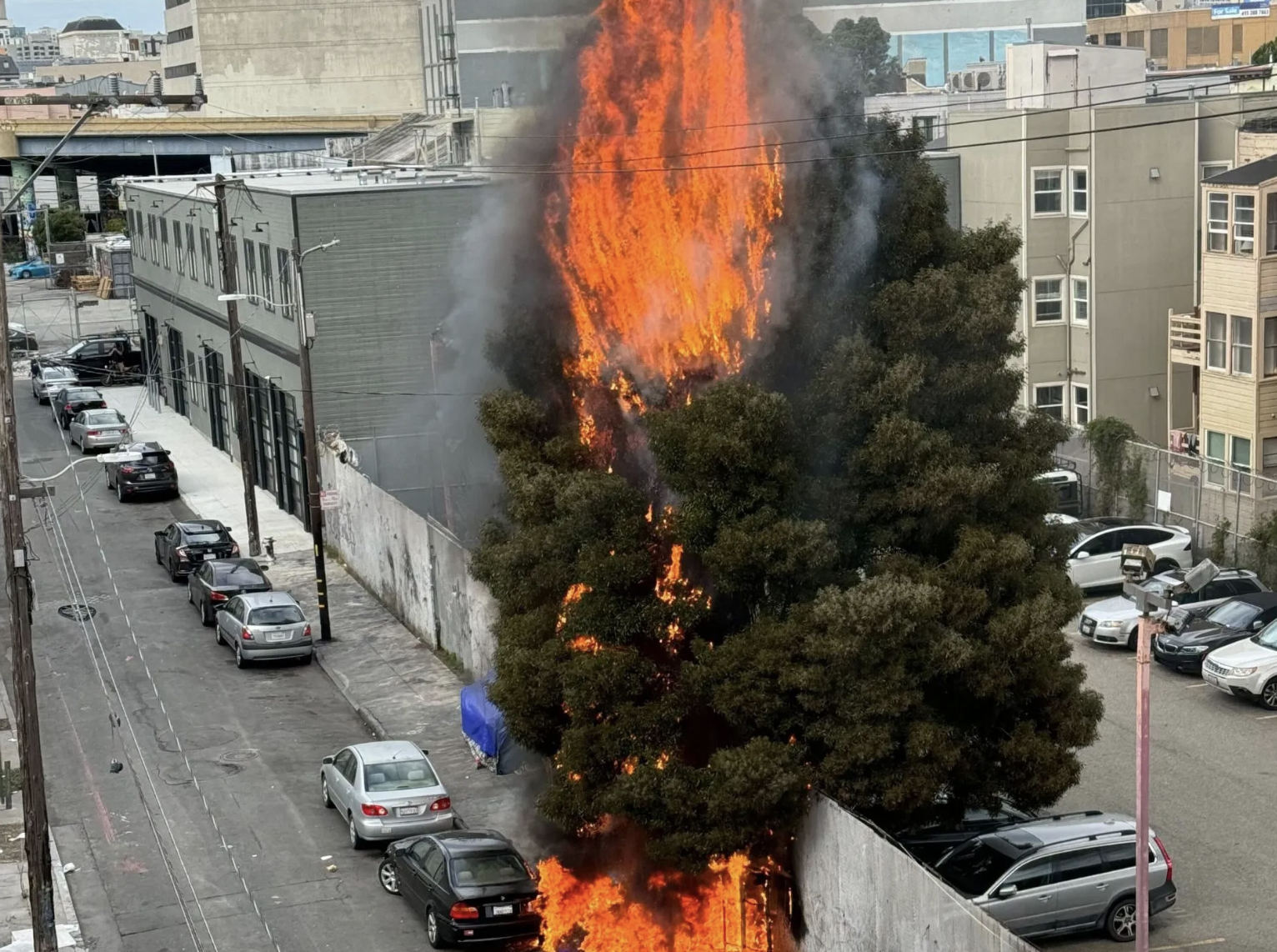
The specter of fire has long been woven into the fabric of San Francisco’s history. The city’s most infamous conflagration, the Great San Francisco Earthquake and Fire of 1906, serves as a stark reminder of the city’s vulnerability. The earthquake, registering an estimated 7.9 magnitude, devastated the infrastructure, and the subsequent fires, fueled by broken gas lines, ruptured water mains, and strong winds, raged for three days, consuming over 4.7 square miles of the city and leaving more than 225,000 people homeless. This catastrophic event irrevocably shaped the city’s development and instilled a deep awareness of fire risk.
The 1906 Cataclysm: Lessons Learned
The 1906 event wasn’t just a single incident; it was a confluence of seismic activity and urban vulnerability. The wooden construction prevalent at the time, coupled with an inadequate firefighting response due to damaged water systems, created a perfect storm for disaster. The rebuilding efforts that followed saw a shift towards more fire-resistant materials and improved urban planning. However, the sheer scale of destruction cemented the narrative of San Francisco as a city susceptible to fire, a perception that, while rooted in historical fact, requires nuanced examination in the context of modern preparedness.
Evolution of Firefighting and Building Codes
In the century since the great fire, San Francisco has made significant strides in its capacity to combat fires. The San Francisco Fire Department (SFFD) is a highly trained and well-equipped agency, continuously investing in advanced technology and robust emergency response protocols. Building codes have been progressively strengthened, mandating the use of non-combustible materials in new constructions and requiring retrofitting of older buildings to enhance their fire resistance. The city’s emergency management agencies also play a critical role, coordinating preparedness efforts across various departments and with community stakeholders.
Modern Fire Risks and Prevention Strategies
While historical events cast a long shadow, modern San Francisco faces a different set of fire risks, many of which are common to urban environments worldwide. These include fires originating from electrical malfunctions, cooking incidents, and, increasingly, concerns related to urban wildfires that can encroach on city peripheries, especially during dry seasons.
Urban Wildfire Interface
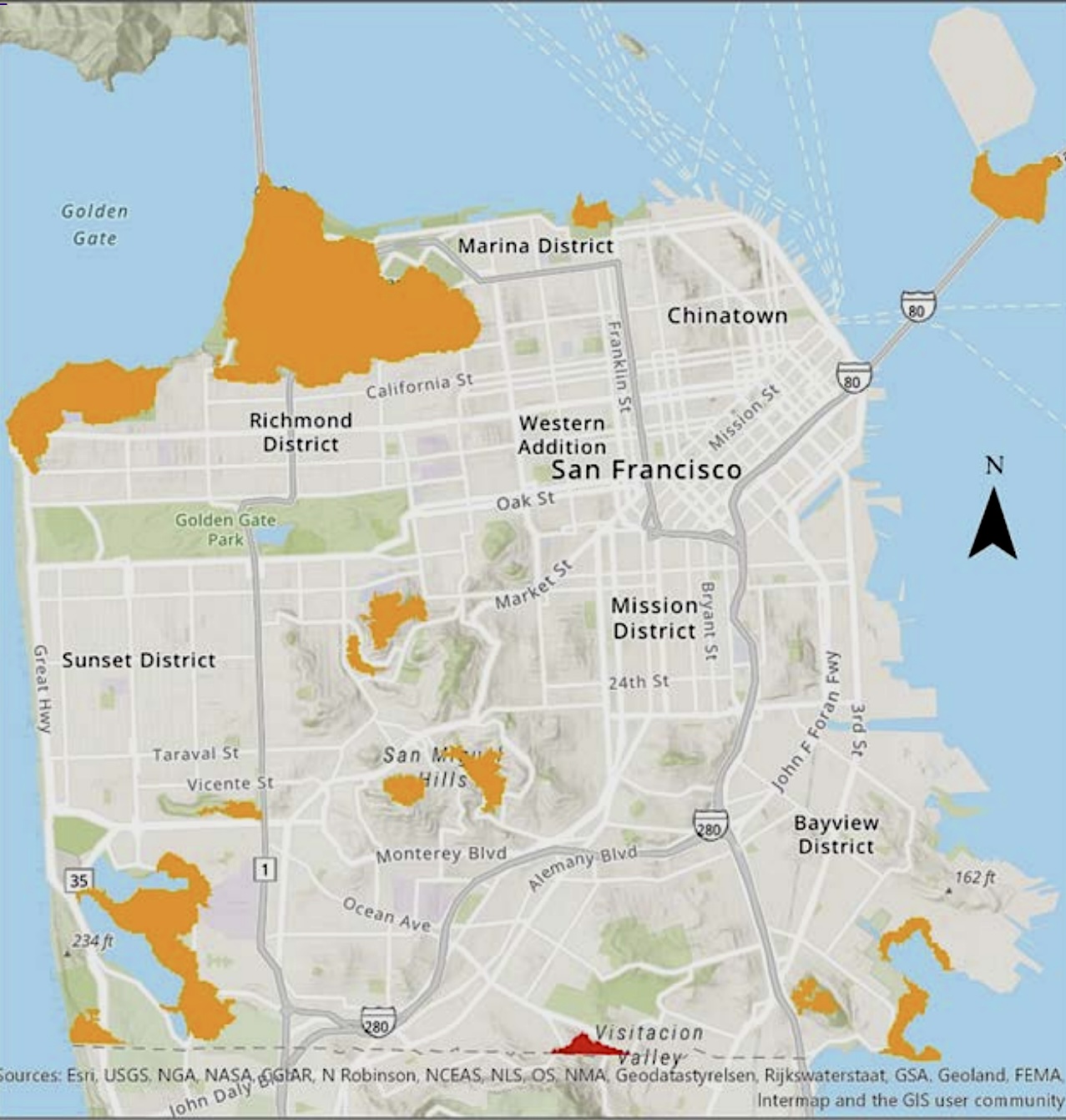
The proximity of San Francisco to natural landscapes, particularly in areas bordering the Golden Gate National Recreation Area and the Marin Headlands, introduces the risk of urban wildfire interface. Periods of drought, coupled with strong winds, can create conditions where dry vegetation ignites and spreads rapidly. The city’s Fire Department actively monitors these conditions and implements strategies such as vegetation management and public awareness campaigns to mitigate these risks.
Electrical and Structural Integrity
Many of San Francisco’s most charming neighborhoods are characterized by older, Victorian-era buildings. While these structures contribute to the city’s unique character, they can also present fire hazards if not properly maintained. Aging electrical systems are a common concern. The city has initiatives and regulations aimed at ensuring these historical buildings meet modern safety standards, including regular inspections and encouraging retrofitting to improve fire safety. For tourists staying in hotels or vacation rentals, understanding the building’s fire safety features is always a prudent step.
Emergency Preparedness for Visitors
For travelers, being informed about a destination’s safety measures is part of responsible tourism. San Francisco hotels and accommodations are generally subject to stringent fire safety regulations. Look for hotels that clearly display their fire escape routes and familiarise yourself with the location of fire alarms and extinguishers. Familiarize yourself with evacuation plans, especially if staying in high-rise buildings. While the likelihood of a major fire incident impacting tourist areas is low, knowing these basics can provide peace of mind.
Infrastructure and Resilience: A City Built to Withstand
Beyond immediate firefighting capabilities, San Francisco’s resilience against fires is also dependent on its critical infrastructure and ongoing efforts to harden it against potential disasters. This includes the robustness of its water supply, communication networks, and emergency services.
Water Supply and Distribution
The 1906 earthquake exposed the fragility of the city’s water system. Since then, extensive investments have been made to create a more redundant and resilient water supply network. This includes multiple reservoirs, advanced pumping stations, and underground pipelines designed to withstand seismic activity and maintain water pressure for firefighting. The San Francisco Public Utilities Commission (SFPUC) oversees these critical systems, continuously upgrading them to ensure they can support emergency response efforts.
Communication and Early Warning Systems
Effective communication is paramount during any emergency. San Francisco utilizes a sophisticated network of communication systems, including redundant fiber optic lines and radio communication for emergency services. Early warning systems, such as those used for seismic activity and potential fire alerts, are also integrated into the city’s emergency management framework. For tourists, staying connected through mobile devices and being aware of local emergency alert channels can be beneficial.
Public Transportation and Evacuation Routes
In the event of an emergency, the ability to safely evacuate large numbers of people is crucial. San Francisco’s public transportation network, including the Muni bus and rail system, plays a vital role in emergency planning. Designated evacuation routes are established, and transit agencies are integrated into disaster response protocols to facilitate the movement of residents and visitors away from danger. Planning your travel routes and knowing alternative transportation options is a sensible precaution.
Staying Safe and Enjoying San Francisco
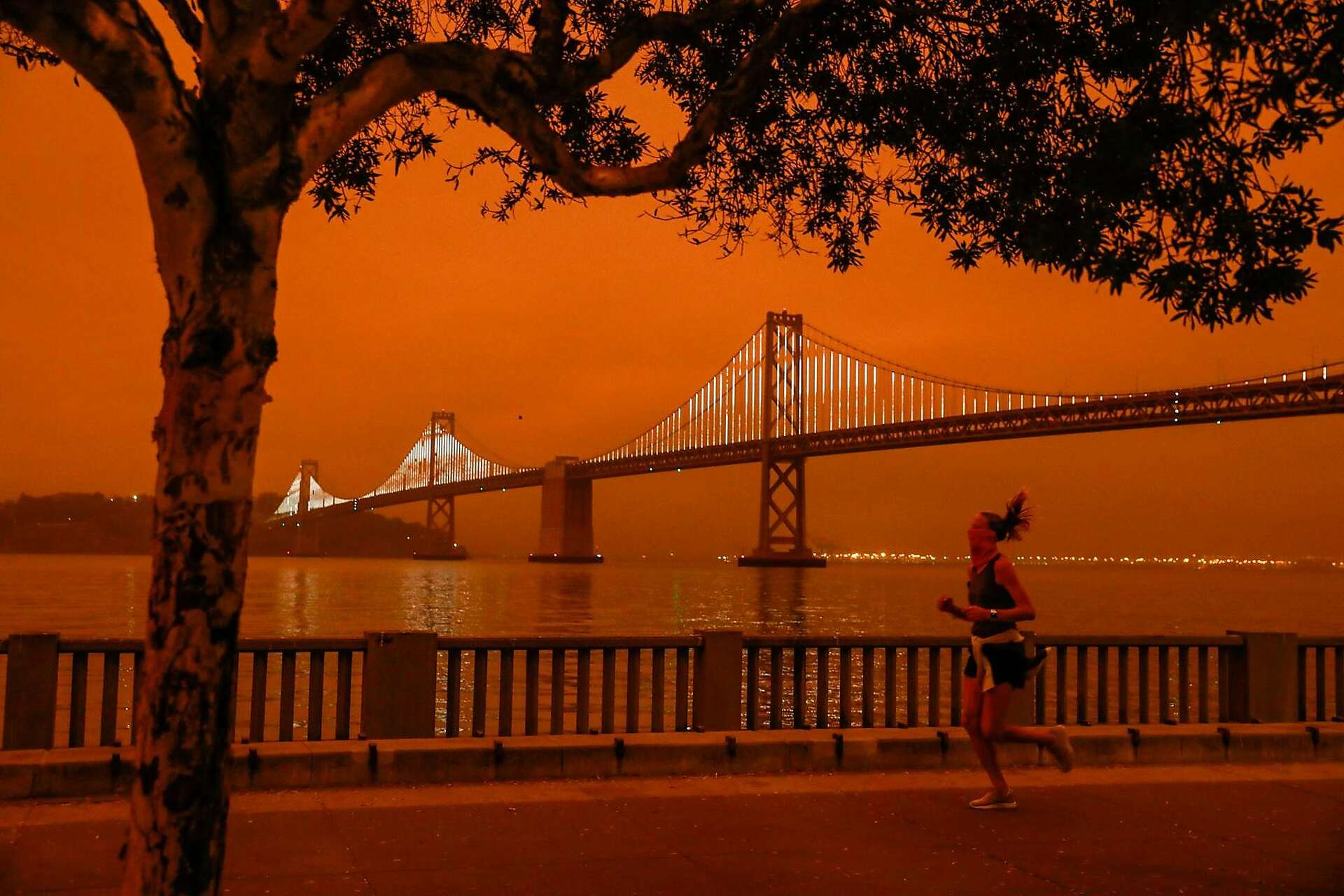
The question of San Francisco’s safety from fires is multifaceted, acknowledging a challenging past while highlighting a present characterized by robust preparedness and ongoing vigilance. The city has learned invaluable lessons from its history and has invested heavily in modern firefighting capabilities, stringent building codes, and resilient infrastructure.
For the discerning traveler, San Francisco remains a safe and welcoming destination. The historical narrative of fire is balanced by a proactive approach to safety that prioritizes the well-being of its residents and visitors. By understanding the city’s history, appreciating its modern safety measures, and practicing personal vigilance—such as being aware of your surroundings and familiarizing yourself with emergency protocols in your accommodation—you can confidently explore all that this iconic city has to offer. The vibrant culture, the stunning Golden Gate Bridge, the historic streets of North Beach, and the culinary delights of The Mission District await, all within a city committed to safeguarding its future.
LifeOutOfTheBox is a participant in the Amazon Services LLC Associates Program, an affiliate advertising program designed to provide a means for sites to earn advertising fees by advertising and linking to Amazon.com. Amazon, the Amazon logo, AmazonSupply, and the AmazonSupply logo are trademarks of Amazon.com, Inc. or its affiliates. As an Amazon Associate we earn affiliate commissions from qualifying purchases.