
San Francisco, a city renowned globally for its stunning vistas, iconic landmarks, vibrant culture, and pioneering spirit, often beckons travelers with the promise of unforgettable experiences. From the misty expanse of the Golden Gate Bridge to the bustling energy of Fisherman’s Wharf and the historic charm of its cable cars, the city has long been a dream destination for many. However, like any major urban center, it also faces challenges, and potential visitors frequently inquire about its safety. The question, “Is San Francisco safe?”, is a complex one, deeply influenced by media narratives, personal perceptions, and the ever-evolving dynamics of a metropolitan environment. This comprehensive guide aims to provide a nuanced perspective for travelers, delving into various aspects of safety to ensure you can plan an informed and enjoyable trip to this unique Californian gem.
Our exploration will consider the broader context of travel and tourism, offering insights into how safety considerations intersect with choosing accommodation, exploring landmarks, and enjoying the local lifestyle. Whether you’re planning a luxury travel escape, a budget travel adventure, a family trip, or a business stay, understanding the safety landscape is paramount to maximizing your experience in the City by the Bay.
Understanding San Francisco’s Safety Landscape
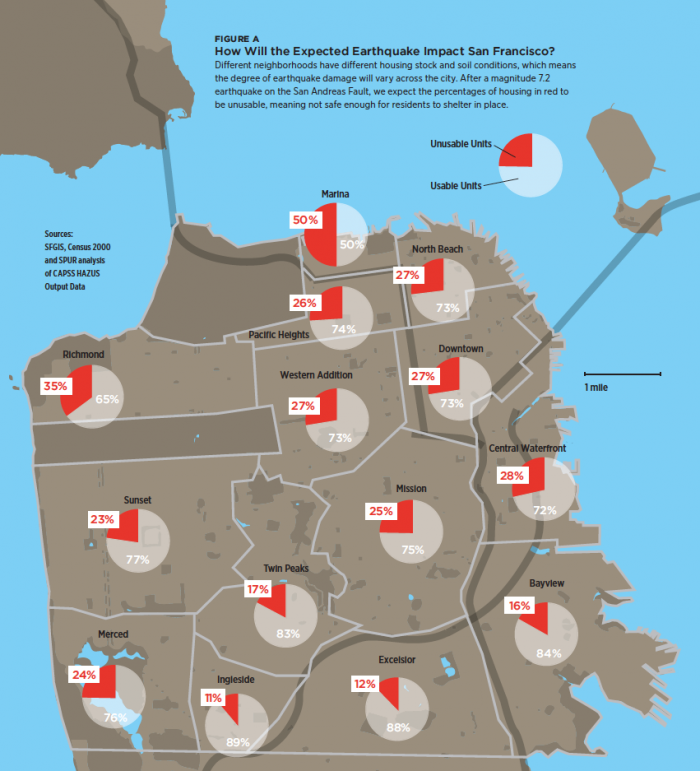
When evaluating the safety of any major city, it’s crucial to differentiate between general crime statistics and the specific risks travelers might encounter. San Francisco, like many large cities in the United States, has seen fluctuations in its crime rates. While serious violent crime is statistically lower in tourist-heavy areas, property crime, particularly car break-ins and petty theft, is a more common concern that travelers should be aware of.
Crime Statistics and Perceptions
Public perception of safety in San Francisco has been heavily influenced by media reports often highlighting issues such as homelessness, drug use, and property crime. While these are visible challenges in certain areas, it’s important to contextualize them from a tourist’s perspective. For the vast majority of visitors, experiences are overwhelmingly positive, especially when staying within well-trafficked tourist zones and exercising basic urban awareness.
The city’s crime data often indicates high rates of larceny-theft, driven significantly by vehicle break-ins. This phenomenon disproportionately affects both residents and visitors who leave valuables visible in their parked cars. Violent crime, while present, is typically concentrated in specific neighborhoods not commonly frequented by tourists. The key takeaway for travelers is not to be complacent, but also not to let exaggerated fears overshadow the incredible experiences San Francisco offers. Staying informed and adopting preventative measures are far more effective than succumbing to undue anxiety.
Neighborhood-Specific Safety
San Francisco is a city of distinct neighborhoods, each with its own character and, at times, differing safety profiles. Understanding these distinctions is vital for planning your itinerary and choosing suitable accommodation.
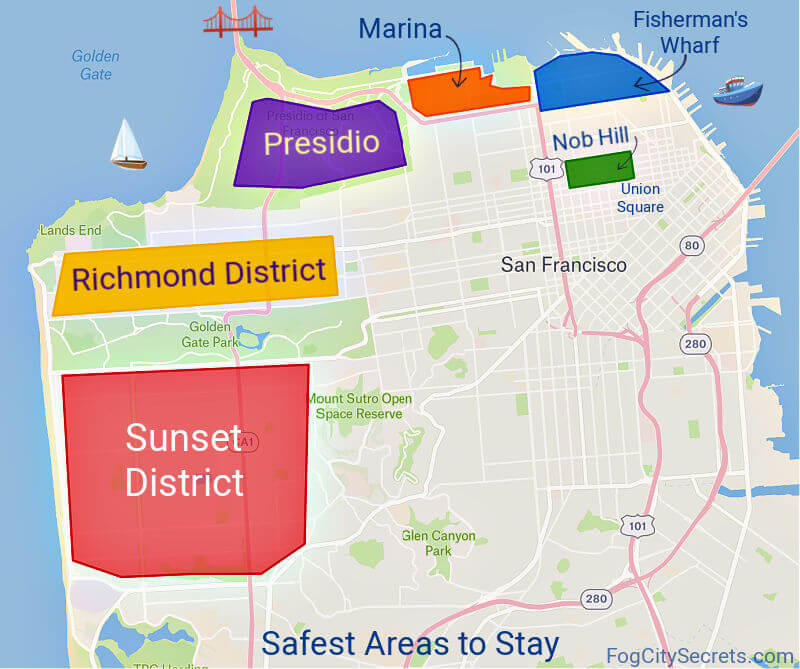
Areas Generally Considered Safe and Tourist-Friendly:
- Fisherman’s Wharf and Pier 39: These bustling areas are heavily policed and full of tourists, making them very safe during the day and into the evening.
- Union Square: A prime shopping and hotel district, Union Square is generally safe, especially with a strong presence of luxury hotels like the Four Seasons Hotel San Francisco and The Ritz-Carlton, San Francisco. Evening activity is common.
- Marina District and Pacific Heights: Upscale residential areas known for beautiful homes, boutiques, and scenic views. These neighborhoods are generally very safe and pleasant for walking.
- North Beach: Known for its Italian heritage, nightlife, and literary history, North Beach is lively and generally safe, though common sense applies late at night.
- Presidio and Golden Gate Park: Vast parklands that are safe during daylight hours, but caution is advised after dark, as with any large park.
- Chinatown: A vibrant cultural hub that is generally safe, especially during the day.
Areas Where Extra Caution is Advised:
- Tenderloin: Located close to Union Square, the Tenderloin is known for higher crime rates, homelessness, and drug activity. Travelers should generally avoid walking through this area, especially at night.
- Civic Center: While home to important government buildings and cultural institutions like the Asian Art Museum, parts of the Civic Center can feel less safe, particularly after business hours due to concentrated homelessness.
- SoMa (South of Market): A large, diverse district with both vibrant tech offices and industrial zones. Some parts, particularly those near highway underpasses or less developed areas, can be less active and feel less safe at night.
- Parts of the Mission District: While famous for its murals and food, certain blocks can have higher gang activity. It’s best to stick to the main commercial corridors like Valencia and Mission Streets.
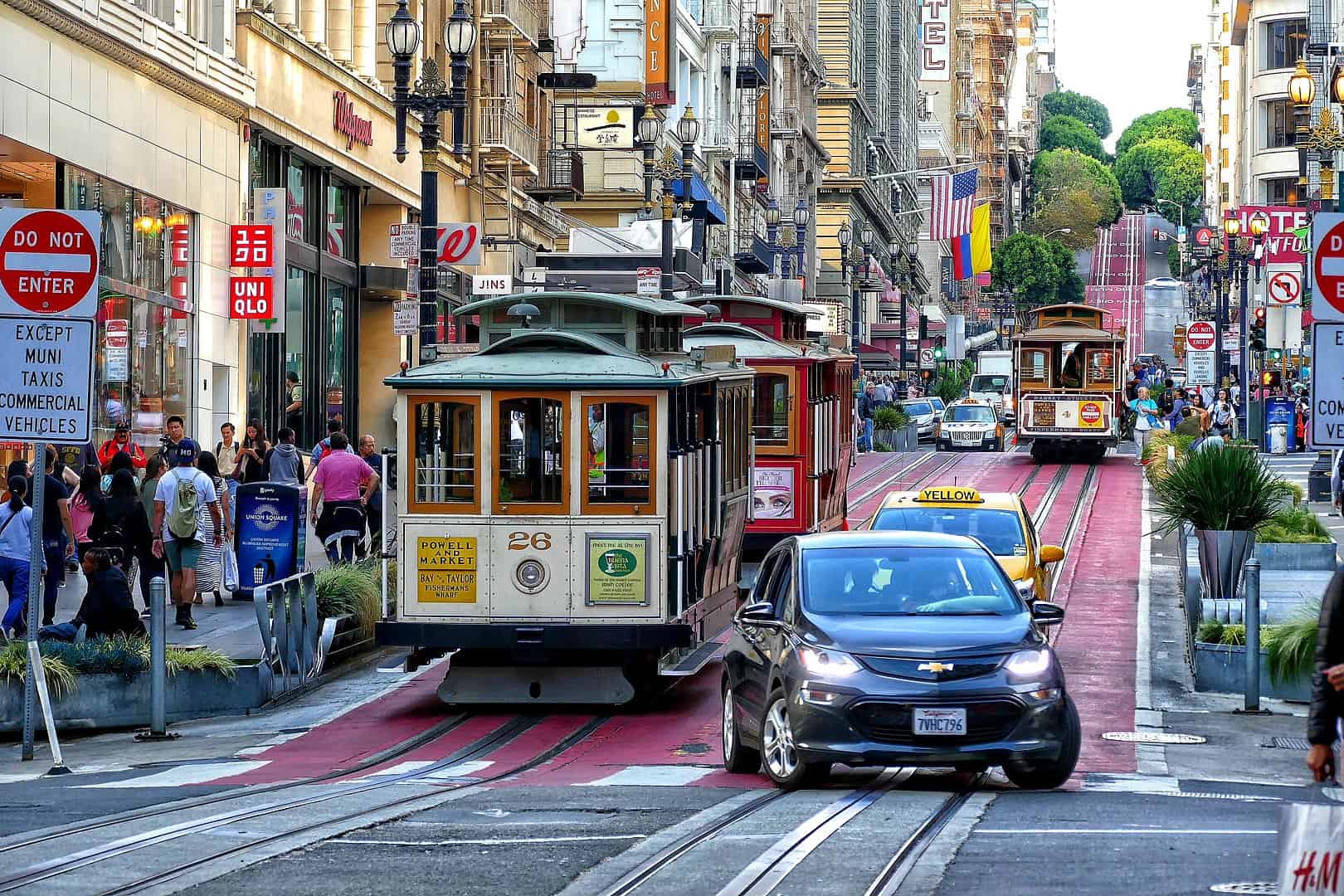
A note on homelessness: Homelessness is a visible issue in San Francisco, particularly in specific neighborhoods. While most interactions are harmless, it can be unsettling for some visitors. It’s generally advised to avoid direct engagement if you feel uncomfortable and to be mindful of your surroundings.
Practical Safety Tips for Visitors
Being prepared and aware is the best defense against potential issues. Adopting a few simple safety practices can significantly enhance your experience and peace of mind when visiting San Francisco.
Protecting Valuables
- Car Break-ins: This is arguably the most prevalent property crime affecting tourists. Never leave anything visible in your car, even seemingly valueless items. This includes charging cables, shopping bags (even empty ones), and jackets. If possible, avoid parking on the street overnight, or choose well-lit, secure parking garages. When renting a car, opt for one that doesn’t scream “rental car” if possible, and always secure your luggage out of sight in the trunk before arriving at your destination, not after.
- Pickpocketing: In crowded areas like Pier 39, on popular Cable Cars, or at busy attractions, be mindful of your belongings. Use bags with secure closures, carry your wallet in a front pocket, and avoid carrying large amounts of cash.
- Personal Belongings: Keep an eye on your phone, camera, and other electronics. Don’t leave them unattended on café tables or benches.
Navigating the City Safely
- Public Transportation: San Francisco has an extensive public transportation system, including Muni (buses, streetcars, Cable Cars) and BART (Bay Area Rapid Transit). These are generally safe during the day. Late at night, especially on less crowded routes or in certain areas, ride-sharing services like Uber or Lyft might be a safer option. Always be aware of your surroundings on public transport.
- Walking at Night: Stick to well-lit, busy streets when walking at night. If you’re unsure about a route or neighborhood, opt for a taxi or ride-share. Travel with a companion if possible.
- Use Maps and GPS Discreetly: While using your phone for navigation is essential, try not to walk around with your face buried in your screen. Be aware of who is around you and hold your phone securely. Consider having directions pre-loaded or using an earbud for directions to reduce the visible use of your device.
- Trust Your Instincts: If a situation or area feels unsafe, remove yourself from it. It’s always better to be cautious than to regret it.
Choosing Safe Accommodation
Your choice of accommodation can significantly impact your sense of safety and overall experience. When booking hotels, apartments, or villas, consider the following:
- Location: Prioritize neighborhoods known for their safety and tourist-friendliness, as discussed above. Look at hotel reviews for specific feedback on the surrounding area’s safety, especially for evening walks.
- Reviews: Pay close attention to recent reviews on safety, neighborhood conditions, and the general atmosphere around the hotel or resort. Sites often have sections discussing the “neighborhood” or “area.”
- Amenities: Look for hotels that offer secure access, 24-hour reception, and well-lit entrances.
- Valuables: Utilize in-room safes for passports, extra cash, and other important documents.
- Example Hotels: Reputable hotels in safe areas often include those near Union Square (e.g., Grand Hyatt San Francisco), Embarcadero (e.g., Hotel Vitale), or the Marina District.
Experiencing San Francisco Safely and Fully
With awareness and a few precautions, you can fully immerse yourself in the vibrant culture and breathtaking beauty of San Francisco, transforming your trip into an incredible adventure rather than a source of concern.
Enjoying Landmarks and Attractions
San Francisco’s landmarks and attractions are highlights for any visitor.
- Golden Gate Bridge: Enjoy walks or bike rides, but be mindful of your belongings, especially at crowded viewpoints. The area is generally very safe.
- Alcatraz Island: Access is via ferry from Pier 33, a well-regulated and safe environment. Book tickets well in advance.
- Lombard Street: The famous “crookedest street” is in a residential area. Be aware of your surroundings as you navigate crowds taking photos.
- Coit Tower: Offers panoramic views from Telegraph Hill. The area is generally safe, but paths can be steep.
- Museums and Cultural Sites: Institutions like the California Academy of Sciences in Golden Gate Park are typically secure and excellent choices for family outings.
These iconic sites are frequented by millions of tourists annually and benefit from a visible security presence. Your main concern should be navigating crowds and protecting against petty theft, not violent crime.
Responsible Tourism and Local Interactions
Engaging with local culture and people is a rewarding part of tourism.
- Food and Dining: Explore the city’s diverse culinary scene, from fine dining to vibrant street food. Most dining establishments are in safe, active areas.
- Haight-Ashbury: Immerse yourself in the history of counterculture, but be prepared for a mix of residents, street performers, and some individuals experiencing homelessness. This area is generally safe during the day.
- Support Local Businesses: Patronizing local shops and eateries contributes positively to the community and often means interacting in safer, more active parts of the city.
Different Lifestyle Approaches and Safety
Your travel lifestyle also influences safety considerations.
- Luxury Travel: Guests at luxury hotels in prime locations often have the added benefit of enhanced security, concierge services for safe transportation, and a more curated experience that naturally guides them to safer areas. However, flaunting expensive possessions still warrants caution.
- Budget Travel: Those on a tighter budget might opt for hostels or more affordable accommodation in less central areas. It’s even more crucial for budget travelers to research neighborhoods thoroughly, read reviews carefully, and be extra vigilant, especially when using public transport or walking after dark.
- Family Trips: Families should prioritize areas with family-friendly attractions and parks, and choose accommodations in quiet, well-regarded neighborhoods. Planning activities during daylight hours is often preferred.
- Business Stays: Business travelers often stay in hotels near convention centers or corporate offices, such as those in SoMa or Financial District. While these areas are generally safe during business hours, they can become quiet and less active at night, necessitating ride-shares for evening outings.
Conclusion: A Balanced Perspective for Your San Francisco Trip
So, is San Francisco safe? The answer is a resounding “yes” for the vast majority of visitors who exercise common sense and adhere to practical safety measures. Like any major global city, it presents its unique challenges, but these should not overshadow the incredible opportunity to explore its world-class attractions, diverse culture, and unparalleled beauty.
By understanding the city’s neighborhood dynamics, being aware of common property crimes like car break-ins, and adopting smart travel habits, you can confidently navigate San Francisco. Choose your accommodation wisely, plan your excursions thoughtfully, and stay observant of your surroundings. With a little preparation, your trip to San Francisco will undoubtedly be a safe, memorable, and enriching experience, allowing you to focus on creating cherished memories in one of California’s most enchanting cities.
LifeOutOfTheBox is a participant in the Amazon Services LLC Associates Program, an affiliate advertising program designed to provide a means for sites to earn advertising fees by advertising and linking to Amazon.com. Amazon, the Amazon logo, AmazonSupply, and the AmazonSupply logo are trademarks of Amazon.com, Inc. or its affiliates. As an Amazon Associate we earn affiliate commissions from qualifying purchases.