
The Pedestrian Pulse of the Golden Gate City
San Francisco, a city synonymous with iconic vistas and a vibrant cultural tapestry, presents a unique proposition for the pedestrian explorer. Its famed hills, while undeniably challenging, are often a prelude to breathtaking panoramas and charming, neighborhood-centric experiences. The question of its walkability isn’t a simple yes or no; it’s a nuanced exploration of the city’s topography, its urban planning, and the diverse ways in which locals and visitors navigate its distinctive terrain. For those who believe that the best way to truly understand a city is on foot, San Francisco offers a rewarding, albeit occasionally strenuous, journey.
The city’s compact geography, a peninsula jutting into the Pacific Ocean, inherently lends itself to pedestrian exploration. Unlike sprawling metropolises that necessitate extensive driving, many of San Francisco’s most celebrated attractions are clustered within relatively accessible distances. From the bustling Fisherman’s Wharf to the serene Golden Gate Park, and the historic streets of Chinatown, a determined walker can cover significant ground and immerse themselves in the city’s distinct microclimates and architectural styles. However, it is crucial to acknowledge the elephant in the room: the hills. San Francisco is famously built upon seven hills, and while this contributes to its dramatic beauty, it also means that many routes involve significant inclines. This can transform what might appear as a short distance on a map into a considerable aerobic feat.
Navigating the Topographical Challenges
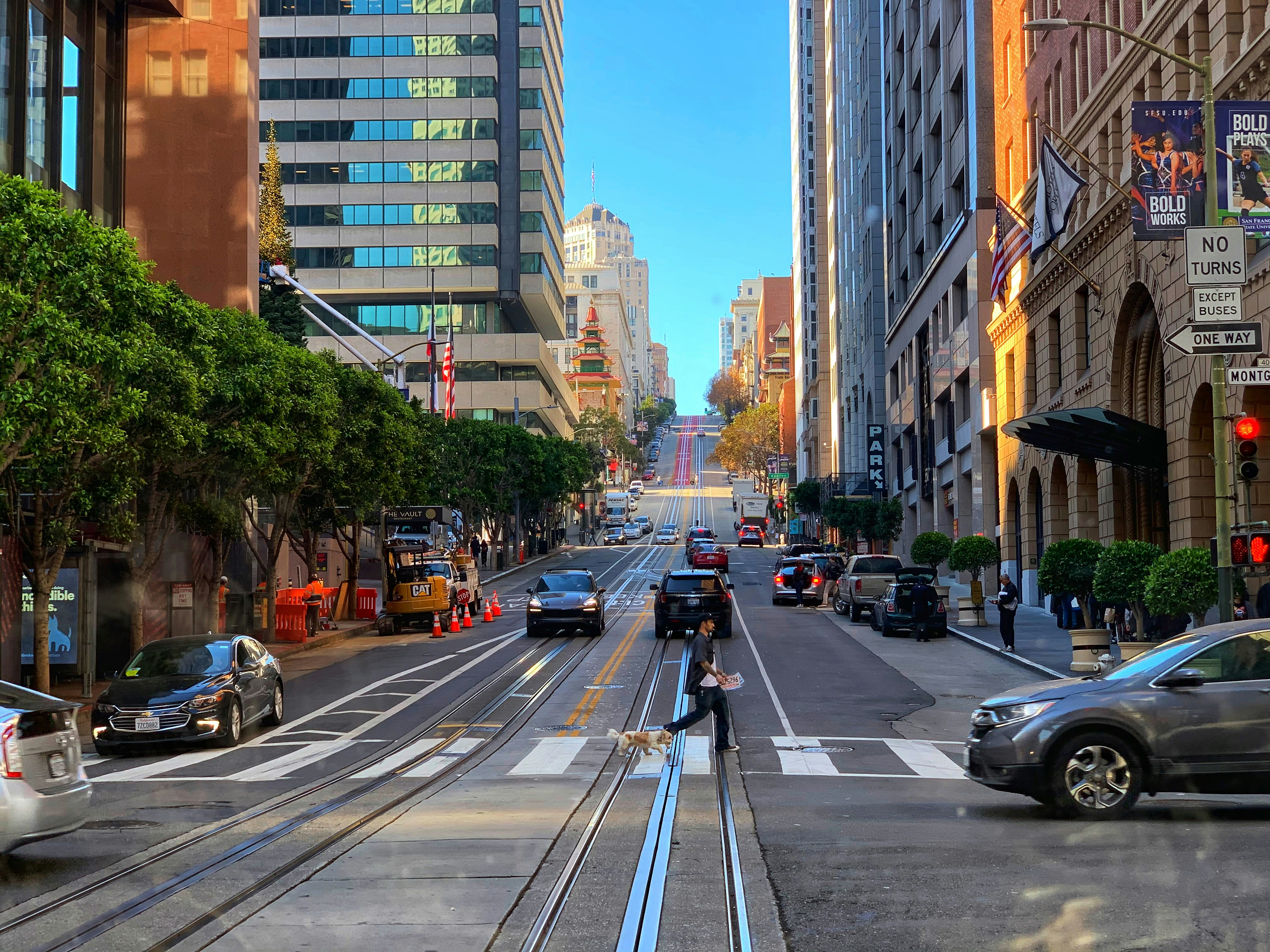
The city’s topography is not merely a geographical feature; it’s an integral part of its character and, consequently, its walkability. Neighborhoods like Nob Hill and Telegraph Hill are renowned for their steep ascents, offering stunning views but demanding a certain level of fitness from walkers. This can be a deterrent for some, particularly those with mobility issues or who are unaccustomed to such gradients.
However, the urban planners and residents have developed strategies to mitigate these challenges. Cable cars, a quintessential San Francisco experience, are not just a tourist attraction but a practical mode of transport that conquers the steepest inclines. Many sidewalks are equipped with sturdy handrails, and the city has invested in pedestrian-friendly infrastructure, including well-maintained pavements and clear signage. Furthermore, the very act of climbing a hill often leads to unexpected discoveries – hidden staircases adorned with mosaics, quiet residential streets with charming Victorians, or small, independent shops tucked away from the main thoroughfares. The reward for the effort is often an unparalleled perspective of the city and the bay.
Beyond the physical exertion, walkability in San Francisco is also influenced by its distinct neighborhoods, each possessing its own unique charm and pedestrian-friendly attributes.
Neighborhoods: A Pedestrian’s Paradise and Peril
San Francisco is a city of distinct neighborhoods, each with its own personality and walkability quotient. Some are inherently more conducive to foot travel than others, offering a rich tapestry of experiences for those who choose to explore them on foot.
The Quintessential Walking Districts
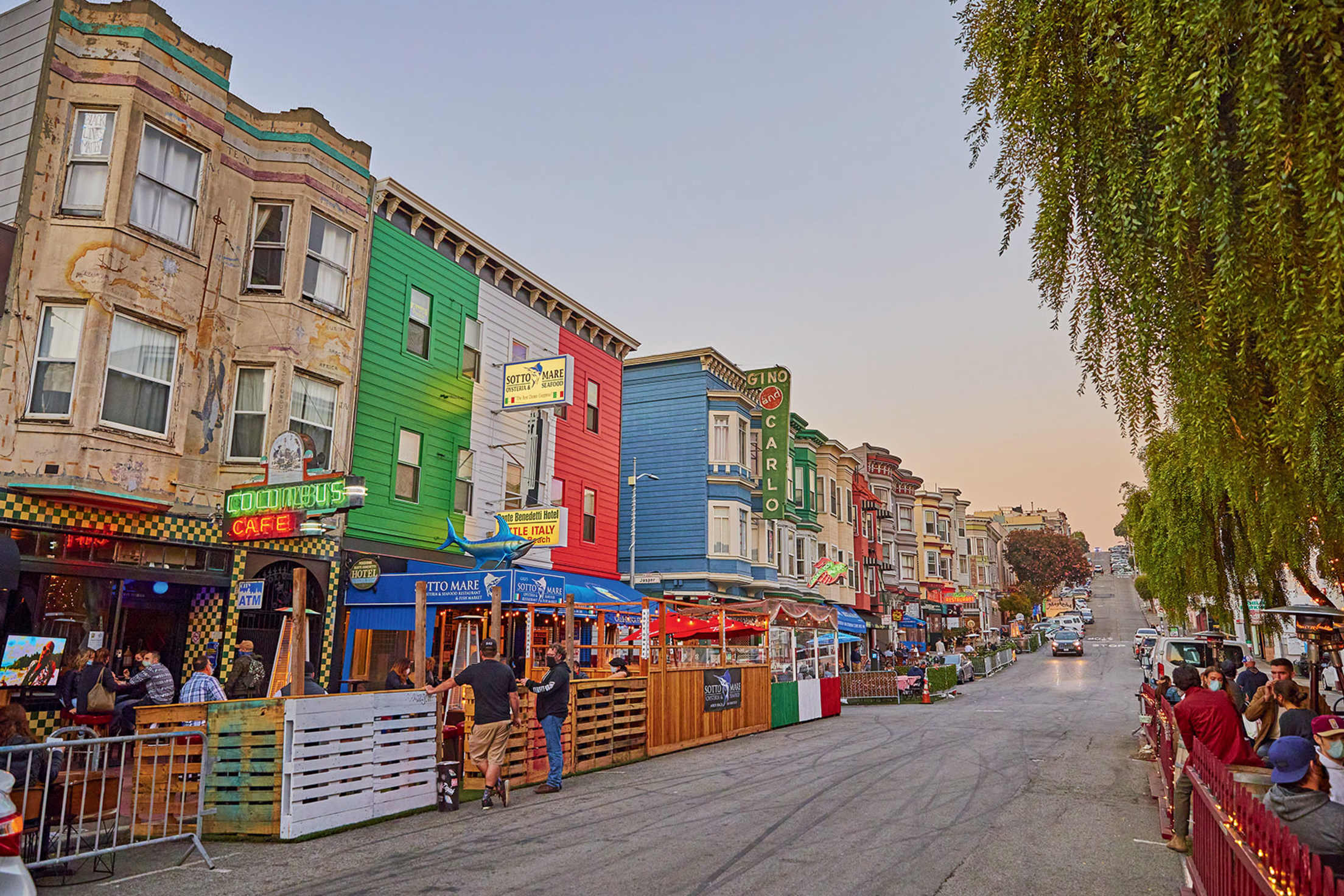
- North Beach: This historic Italian and Beat Generation enclave is a pedestrian’s dream. Its relatively flat terrain, combined with a dense concentration of cafes, bookstores, restaurants, and live music venues, makes it ideal for leisurely strolls. The vibrant atmosphere, buzzing with activity day and night, encourages exploration. Wandering through its streets, one can easily stumble upon literary landmarks, iconic eateries, and charming squares.
- The Mission District: Known for its rich Latin American culture, street art, and diverse culinary scene, the Mission is another highly walkable neighborhood. The main commercial corridors, like Mission Street and Valencia Street, are lined with an eclectic mix of shops, taquerias, and vibrant murals. The energetic atmosphere and the abundance of street life create an engaging environment for walkers.
- Hayes Valley: This trendy district has transformed into a hub for boutique shopping, innovative dining, and cultural attractions. Its compact layout and pedestrian-focused streetscape make it a pleasure to explore on foot, allowing visitors to easily hop between designer boutiques, art galleries, and acclaimed restaurants.
- Japantown: One of the few remaining Japantowns in the United States, this cultural center offers a unique pedestrian experience. The Japan Center Malls provide a contained environment with shops selling Japanese goods, restaurants, and cultural centers. Exploring the surrounding streets reveals a quieter side of the neighborhood, with residential areas and smaller businesses.
The Challenging Yet Rewarding Terrain
- Nob Hill: As mentioned, Nob Hill presents a significant vertical challenge. While the views from its summit, particularly near hotels like the Fairmont San Francisco and The Mark Hopkins San Francisco, are spectacular, traversing its steep streets requires stamina. The presence of cable car lines, however, offers a viable alternative for those seeking to ascend without a strenuous climb.
- Pacific Heights: This affluent neighborhood is known for its stunning Victorian mansions and panoramic views of the Golden Gate Bridge and Alcatraz. While the architecture is a major draw for pedestrians, the neighborhood is characterized by its rolling hills, making extensive walking here a physically demanding activity.
Tourist Hubs and Their Pedestrian Access
- Fisherman’s Wharf: This popular tourist destination is designed for pedestrian traffic. The area around Pier 39, with its sea lions, souvenir shops, and seafood restaurants, is best explored on foot. However, it can become exceptionally crowded, particularly during peak tourist seasons, which can impede a smooth walking experience.
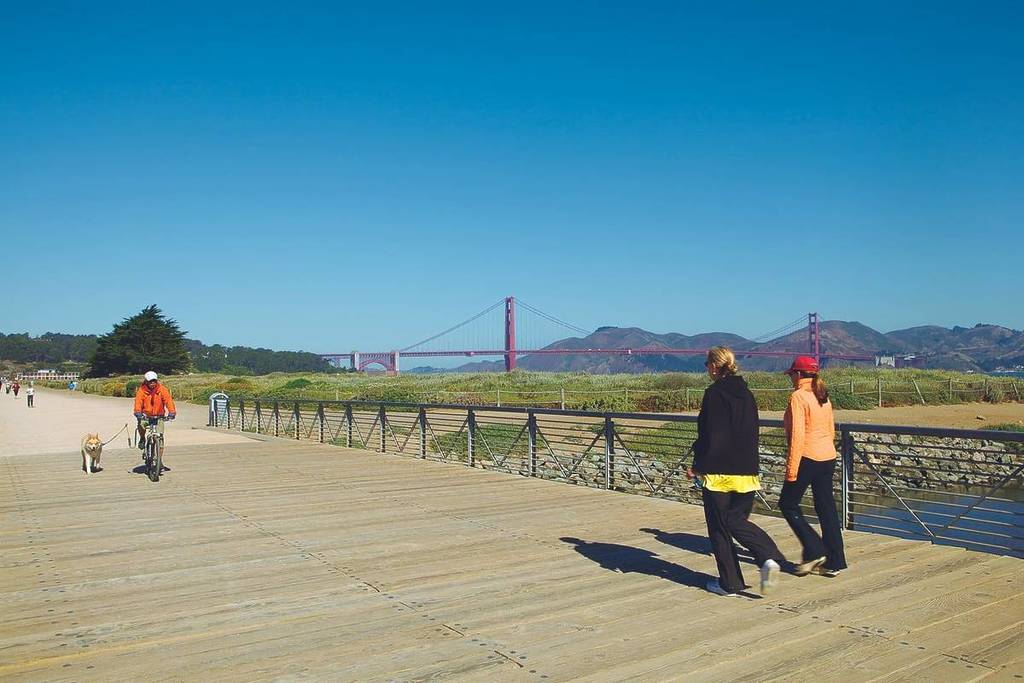
- Golden Gate Park: While vast, Golden Gate Park itself is a pedestrian and cyclist’s paradise. With numerous trails, gardens, museums, and open spaces, it offers miles of dedicated paths for walking and exploring. The challenge here isn’t the incline, but the sheer size of the park, requiring planning to see specific attractions.
Beyond the Sidewalk: Integrated Mobility
The walkability of San Francisco is not solely defined by its sidewalks and inclines; it is intricately linked to its integrated public transportation system, which complements and enhances pedestrian exploration. The city has made considerable efforts to ensure that walking is not an isolated experience but part of a larger mobility network.
Public Transportation as a Walking Enhancer
The San Francisco Municipal Transportation Agency (Muni) operates a comprehensive network of buses, light rail (Muni Metro), and the iconic cable cars. These services are strategically designed to connect various neighborhoods, tourist attractions, and transit hubs. For a visitor, this means that a challenging uphill walk can be seamlessly combined with a bus ride or a cable car journey, allowing them to cover more ground without succumbing to fatigue. For instance, one might walk through the charming streets of North Beach and then catch a bus to explore Golden Gate Park.
The efficiency of these public transport options can significantly influence the perception of walkability. When one can easily access different parts of the city via public transit, the need for extensive walking between disparate locations is reduced, allowing for more focused exploration of individual neighborhoods on foot. This creates a more balanced and enjoyable experience for visitors who wish to see a variety of attractions without being solely reliant on their own two feet.
Pedestrian Safety and Infrastructure
San Francisco has placed a growing emphasis on pedestrian safety, recognizing its importance in fostering a walkable city. Initiatives like the “Vision Zero” program aim to eliminate traffic fatalities and severe injuries. This translates into improvements in crosswalks, pedestrian signals, and traffic calming measures in various areas. While challenges remain, particularly in high-traffic areas, the city is actively working to create a safer environment for pedestrians.
The presence of well-maintained sidewalks, ample lighting, and clear pedestrian signage further contributes to the overall walkability. In many popular tourist areas and residential neighborhoods, the infrastructure is robust, making it comfortable and safe to navigate on foot.
The Verdict: A City Worth Exploring on Foot
So, is San Francisco walkable? The answer is a resounding, albeit qualified, yes. It is a city that rewards the intrepid walker, offering a sensory-rich experience that cannot be replicated from the window of a car. While the hills present a physical challenge, they also define the city’s unique character and offer stunning vistas that are worth the effort.
The true walkability of San Francisco lies in its vibrant neighborhoods, each offering a distinct urban tapestry to explore on foot. Combined with an efficient public transportation system that acts as a complementary extension of the walking experience, and a growing commitment to pedestrian safety, the city provides ample opportunities for immersive exploration.
For the traveler who appreciates the discovery that comes with traversing a city’s streets, San Francisco offers an unforgettable journey. It encourages a slower pace, a deeper engagement with the urban environment, and the serendipitous encounters that are the hallmark of true travel. So lace up your most comfortable shoes, embrace the inclines, and prepare to fall in love with the pedestrian pulse of this magnificent city.
LifeOutOfTheBox is a participant in the Amazon Services LLC Associates Program, an affiliate advertising program designed to provide a means for sites to earn advertising fees by advertising and linking to Amazon.com. Amazon, the Amazon logo, AmazonSupply, and the AmazonSupply logo are trademarks of Amazon.com, Inc. or its affiliates. As an Amazon Associate we earn affiliate commissions from qualifying purchases.