
The Golden Gate City, a jewel on the Pacific coast, is renowned for its iconic landmarks, vibrant culture, and, of course, its breathtaking views. But for any traveler venturing to San Francisco, a fundamental question often arises: “Is the tap water safe to drink?” This concern, while common, touches upon the broader landscape of public health infrastructure and the quality of potable water in major urban centers. The answer, unequivocally, is yes. The water supply in San Francisco is rigorously monitored and treated to meet stringent federal and state standards, making it a safe and reliable source for hydration during your visit.
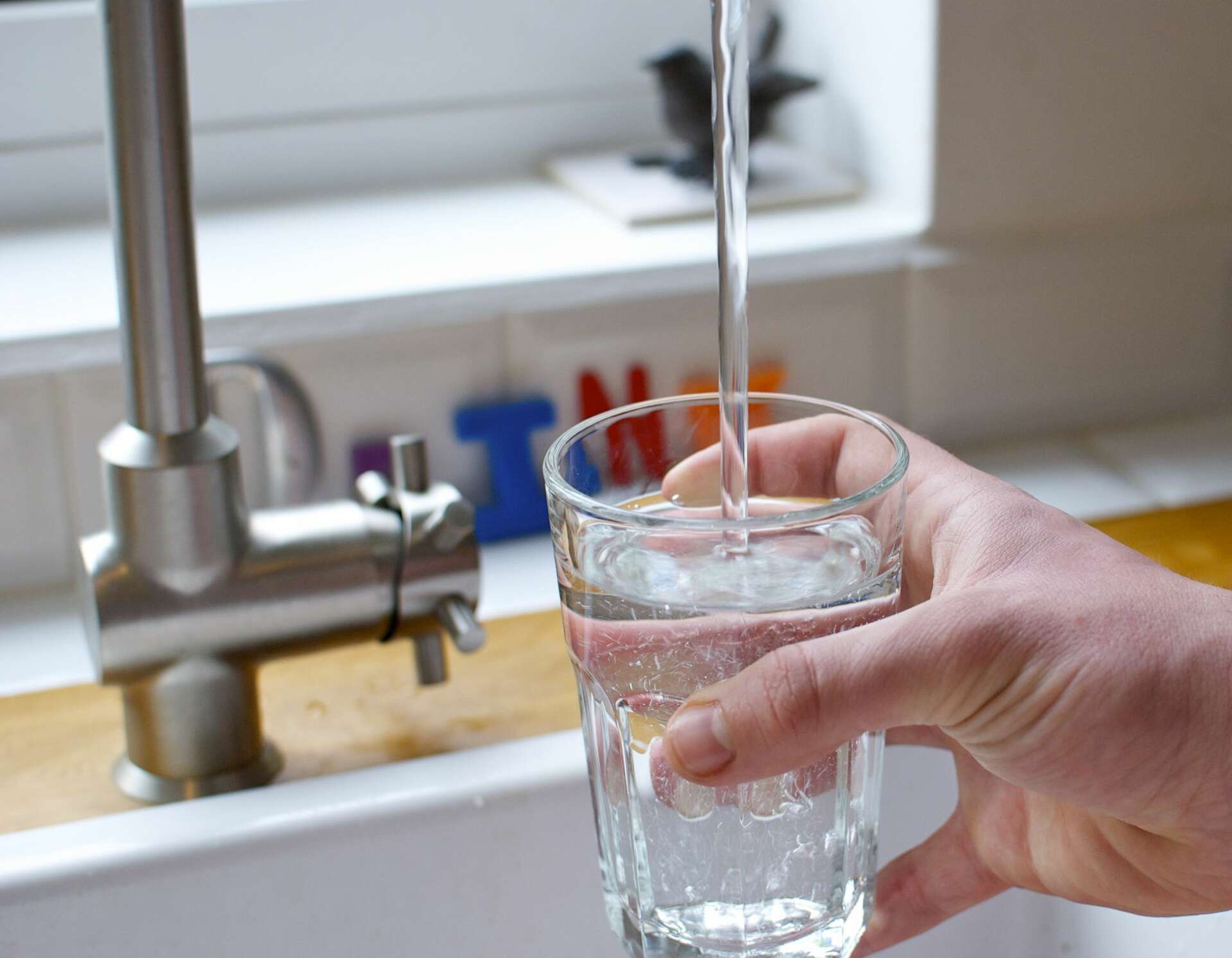
The Source of San Francisco’s Water
The lifeblood of San Francisco originates from a vast and intricate system of reservoirs and aqueducts, primarily drawing from the pristine high-country watersheds of the Sierra Nevada mountains. The San Francisco Public Utilities Commission (SFPUC) is responsible for managing this complex operation, ensuring a consistent and high-quality supply for millions of residents and visitors.
Hetch Hetchy Reservoir: A Majestic Source
The cornerstone of the city’s water system is the Hetch Hetchy Reservoir, a colossal body of water nestled within the boundaries of Yosemite National Park. This reservoir, filled by snowmelt and rainfall from an expansive watershed, provides a significant portion of San Francisco’s drinking water. The remoteness and protected nature of the Hetch Hetchy watershed contribute to the exceptional purity of the raw water, minimizing the need for extensive chemical treatment. The water travels over 160 miles through a series of tunnels and aqueducts to reach the city, a testament to remarkable engineering.
Local Watersheds and Supplemental Supplies
While Hetch Hetchy is the primary source, San Francisco also utilizes water from local watersheds in the Alameda and Santa Clara counties. These local sources, including the San Antonio Reservoir and the Uvas Reservoir, play a crucial role in supplementing the supply, especially during periods of high demand or potential disruptions to the Hetch Hetchy system. The SFPUC employs a sophisticated water management strategy, blending water from various sources to maintain optimal quality and quantity.
Rigorous Treatment and Monitoring Processes
The journey of water from the mountains to your hotel tap in San Francisco involves a multi-stage treatment and purification process, designed to eliminate any potential contaminants and ensure its potability. The SFPUC adheres to the strictest guidelines set by the U.S. Environmental Protection Agency (EPA) and the California State Water Resources Control Board.
Filtration and Disinfection
Upon arrival at the treatment plants, the water undergoes rigorous filtration to remove suspended particles, sediment, and other physical impurities. Following filtration, a disinfection process is employed to neutralize any remaining harmful microorganisms. The SFPUC primarily uses a combination of ultraviolet (UV) light treatment and chloramination for disinfection. UV treatment is a physical process that inactivates bacteria and viruses, while chloramination, a gentler form of chlorination, provides residual disinfection throughout the distribution system, safeguarding the water until it reaches consumers. The use of chloramination is favored for its effectiveness in maintaining water quality over long distances and its ability to reduce the formation of disinfection byproducts compared to free chlorination.
Ongoing Quality Testing
The commitment to safe drinking water extends beyond the treatment plants. The SFPUC conducts thousands of water quality tests each year at various points throughout its vast distribution network. These tests analyze for a comprehensive range of parameters, including chemical constituents, microbial contamination, and physical characteristics. Regular reports on water quality are made publicly available, demonstrating the transparency and dedication of the SFPUC to public health. These results consistently show that San Francisco’s tap water meets or exceeds all federal and state drinking water standards.
Understanding Water Quality Reports and Standards
For the discerning traveler, understanding how water quality is measured and regulated can offer further peace of mind. The SFPUC’s adherence to national and state standards is a critical indicator of its commitment to providing safe drinking water.
Regulatory Frameworks
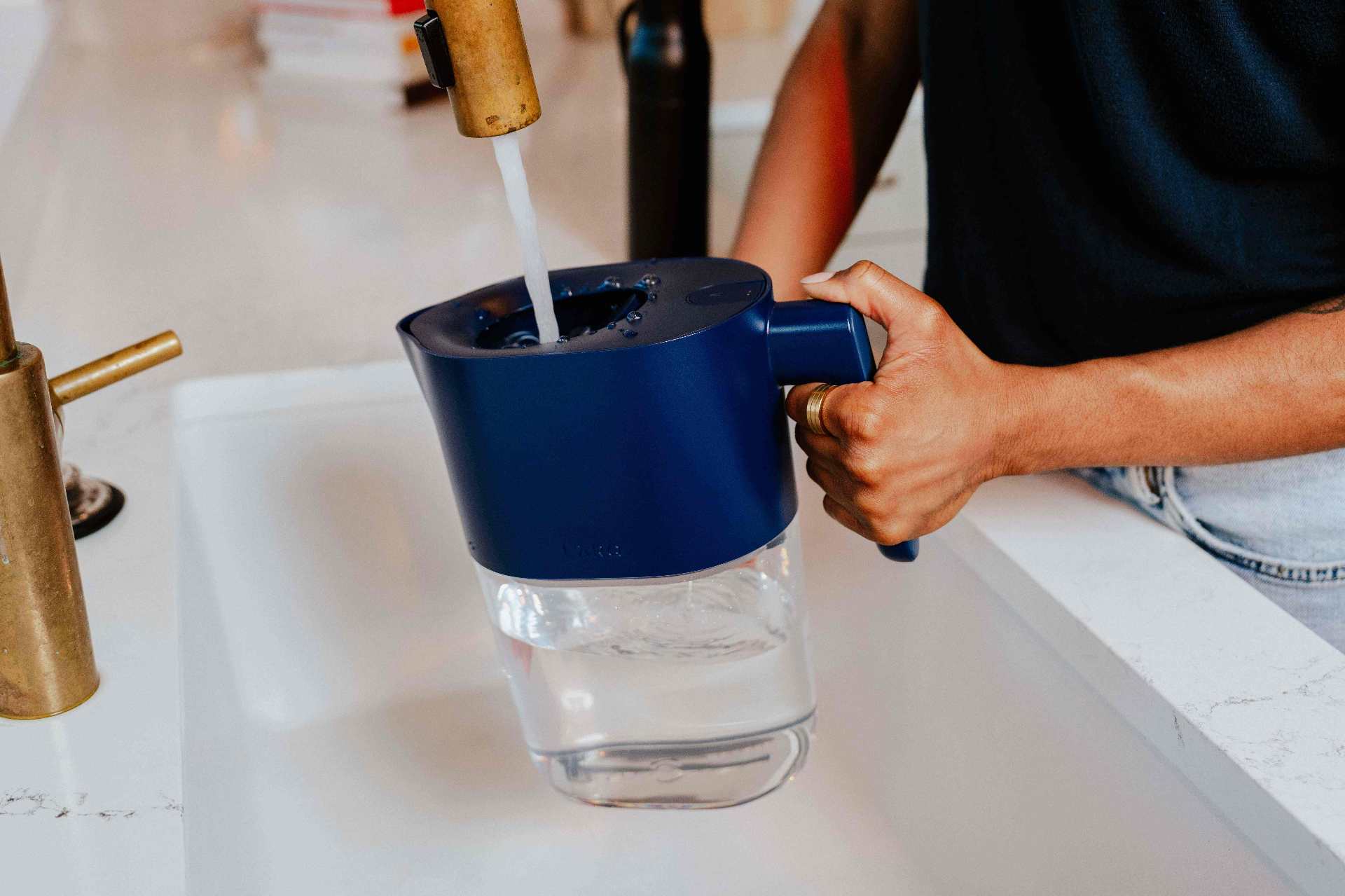
The Safe Drinking Water Act (SDWA) is the principal federal law that protects public health by regulating the nation’s public drinking water supply. Under the SDWA, the EPA sets national standards for drinking water quality and oversees the states, localities, and water suppliers who implement these standards. In California, the State Water Resources Control Board, Division of Drinking Water (DDW) sets and enforces additional, often more stringent, regulations. The SFPUC actively participates in these regulatory processes, ensuring its operations are compliant and its water quality is superior.
Consumer Confidence Reports
Each year, water utilities are required to provide their customers with a Consumer Confidence Report (CCR). These reports detail the source of the water, any detected contaminants, and the health implications, if any, of those contaminants. The SFPUC’s CCRs are readily accessible and consistently affirm the high quality and safety of the city’s tap water. Travelers can often find these reports on the SFPUC’s official website for detailed information.
Environmental Considerations and Sustainability
The SFPUC’s water management strategy also encompasses a strong focus on environmental stewardship and sustainable practices, which indirectly contribute to the purity and reliability of the water supply.
Protecting Watersheds
The health of the watersheds that feed San Francisco’s reservoirs is paramount. The SFPUC actively works to protect these areas from pollution and degradation through land acquisition, conservation easements, and collaborative efforts with land managers and local communities. By preserving the natural ecosystems of the Hetch Hetchy and local watersheds, the SFPUC ensures a cleaner, more sustainable source of water for generations to come. This proactive approach minimizes the need for extensive and costly chemical treatments.
Water Conservation Initiatives
In a region that understands the value of water, conservation is a key priority. The SFPUC implements various programs and educational initiatives to encourage water conservation among its customers. These efforts not only help to preserve this precious resource but also reduce the strain on the water supply system, ensuring its long-term viability. For visitors, embracing water-saving habits during their stay is a small but meaningful way to contribute to this important goal.
Traveler’s Guide to Hydration in San Francisco
Now that we’ve established the safety and quality of San Francisco’s tap water, let’s consider how travelers can best enjoy it.
Refilling Your Water Bottle
One of the most convenient and environmentally friendly ways to stay hydrated in San Francisco is to carry a reusable water bottle. Most hotels, restaurants, and public facilities offer access to tap water or have water fountains available. This not only saves money but also significantly reduces the consumption of single-use plastic bottles, aligning with the city’s commitment to sustainability. Many tourist attractions, such as those around Fisherman’s Wharf or within Golden Gate Park, provide water refill stations.
Taste Preferences and Alternatives
While San Francisco’s tap water is safe, some individuals may have a preference for bottled water. If you choose to purchase bottled water, be mindful of the environmental impact. For those seeking a different taste experience, numerous cafes and restaurants in areas like the Mission District or North Beach offer a variety of artisanal beverages and locally sourced drinks. However, for everyday hydration, the tap water is an excellent and readily available choice.

Staying Hydrated During Your Adventures
Whether you’re exploring the vibrant streets of Chinatown, cycling across the Golden Gate Bridge, or enjoying a cable car ride, staying hydrated is essential. The readily available and safe tap water in San Francisco makes this an easy task. Embrace the opportunity to drink local, stay refreshed, and fully immerse yourself in the experience of this magnificent city. The quality and safety of its water supply are integral to the overall health and well-being of its inhabitants and visitors alike.
LifeOutOfTheBox is a participant in the Amazon Services LLC Associates Program, an affiliate advertising program designed to provide a means for sites to earn advertising fees by advertising and linking to Amazon.com. Amazon, the Amazon logo, AmazonSupply, and the AmazonSupply logo are trademarks of Amazon.com, Inc. or its affiliates. As an Amazon Associate we earn affiliate commissions from qualifying purchases.