
The open road, the allure of spontaneous adventure, and the promise of breathtaking landscapes – California is a dream destination for road trippers, adventurers, and those embracing the “van life” lifestyle. From its sun-drenched beaches and iconic cities to its majestic national parks and serene deserts, the Golden State offers an unparalleled backdrop for exploration. For many budget-conscious travelers, or those simply seeking a unique experience, the idea of sleeping in their car becomes an appealing option. It offers flexibility, saves on accommodation costs, and provides a sense of freedom that traditional hotels often can’t match. However, the prospect immediately raises a critical question: “Is sleeping in your car illegal in California?”
The answer, like much of California’s diverse landscape, is not a simple yes or no. Instead, it’s a complex tapestry woven from statewide regulations, city-specific ordinances, private property rules, and common-sense considerations. While there’s no blanket statewide ban, the legality of spending the night in your vehicle varies dramatically depending on your exact location, the type of property you’re on, and even the time of day. This article aims to unravel these complexities, providing a comprehensive guide to understanding the legalities, identifying safe and legal overnight spots, offering practical tips for a comfortable car-sleeping experience, and exploring viable alternatives to ensure your California adventure is both memorable and compliant. Whether you’re planning a cross-state road trip, exploring national parks, or simply looking to save on accommodation, understanding these nuances is crucial for a hassle-free journey.
Understanding California’s Laws on Vehicle Habitation
Navigating the legal landscape of vehicle habitation in California requires a keen understanding of various jurisdictional levels. It’s not as straightforward as a single state law, but rather a mosaic of regulations.
The Statewide Perspective: No Blanket Ban (Mostly)
At a fundamental level, California does not have a comprehensive statewide law that universally prohibits sleeping in your car. This means that, unlike some states, there isn’t a single statute across the entire state making the practice illegal in all circumstances. However, this absence of a statewide ban doesn’t grant carte blanche for vehicle habitation anywhere and everywhere. Instead, the regulation of sleeping in vehicles is largely decentralized, falling primarily to individual cities, counties, and specific land management agencies.
Often, when individuals are cited or moved for sleeping in their cars, it’s not under a direct “no sleeping in car” law, but rather related ordinances. These can include “no overnight parking” restrictions, prohibitions against “loitering,” or even “vagrancy” laws, although the latter are less common and more problematic for enforcement against travelers. The underlying principle is often related to public health, safety, and nuisance control, particularly in urban areas where homelessness is a significant issue. For travelers, it’s essential to distinguish between these general parking or public conduct laws and specific anti-vehicle habitation ordinances.
City-Specific Ordinances: A Patchwork of Regulations
This is where the real complexity lies. Nearly every major city and many smaller municipalities in California have their own specific ordinances regarding vehicle habitation. These can vary wildly from one city limit to another, creating a truly fragmented regulatory environment.
For instance, cities like Los Angeles have historically had strict ordinances against living in vehicles, particularly on public streets, although these have faced legal challenges and revisions over time. The rules often specify “no overnight parking” signs in residential areas, along beaches, or near parks. In San Francisco, similar restrictions exist, often targeting larger vehicles like RVs but extending to cars in certain zones. San Diego has also seen a back-and-forth on its vehicle habitation laws, with specific zones designated where it’s prohibited.
These ordinances are usually driven by concerns over public safety, sanitation, parking scarcity, and the impact on local communities. They often prohibit vehicles from being used for habitation between specific hours (e.g., 9 PM to 6 AM) or on certain types of streets (e.g., residential streets). The best practice for any traveler considering sleeping in their car in a specific city is to consult that city’s official municipal code or website. A quick search for “vehicle habitation ordinance [city name]” can often provide the most up-to-date and accurate information. Ignoring these local laws can lead to fines, citations, or being asked to move by law enforcement.
The Role of Property Owners and Private Land
Beyond public streets and municipal laws, the rules change entirely on private property. Regardless of city or state laws, private property owners always retain the right to prohibit overnight parking or vehicle habitation on their land. This applies to a wide range of locations, including:
- Shopping Center Parking Lots: While some may tolerate it for a few hours, most do not permit overnight stays.
- Retail Store Parking Lots: Famous for sometimes allowing overnight parking for RVs and vans, major retailers like Walmart have varying policies by individual store. It is absolutely crucial to ask a store manager for permission before settling in for the night.
- Restaurant Parking Lots: Generally not allowed unless explicitly permitted by management.
- Business Parks and Office Complex Lots: Almost universally prohibited.
- Residential Driveways/Private Lots: Unless you have explicit permission from the property owner, this is not an option.
The key takeaway is that without explicit permission from the private property owner or manager, you should assume that sleeping in your car is not allowed. Trespassing laws would apply in such cases, carrying more severe penalties than a simple parking infraction.
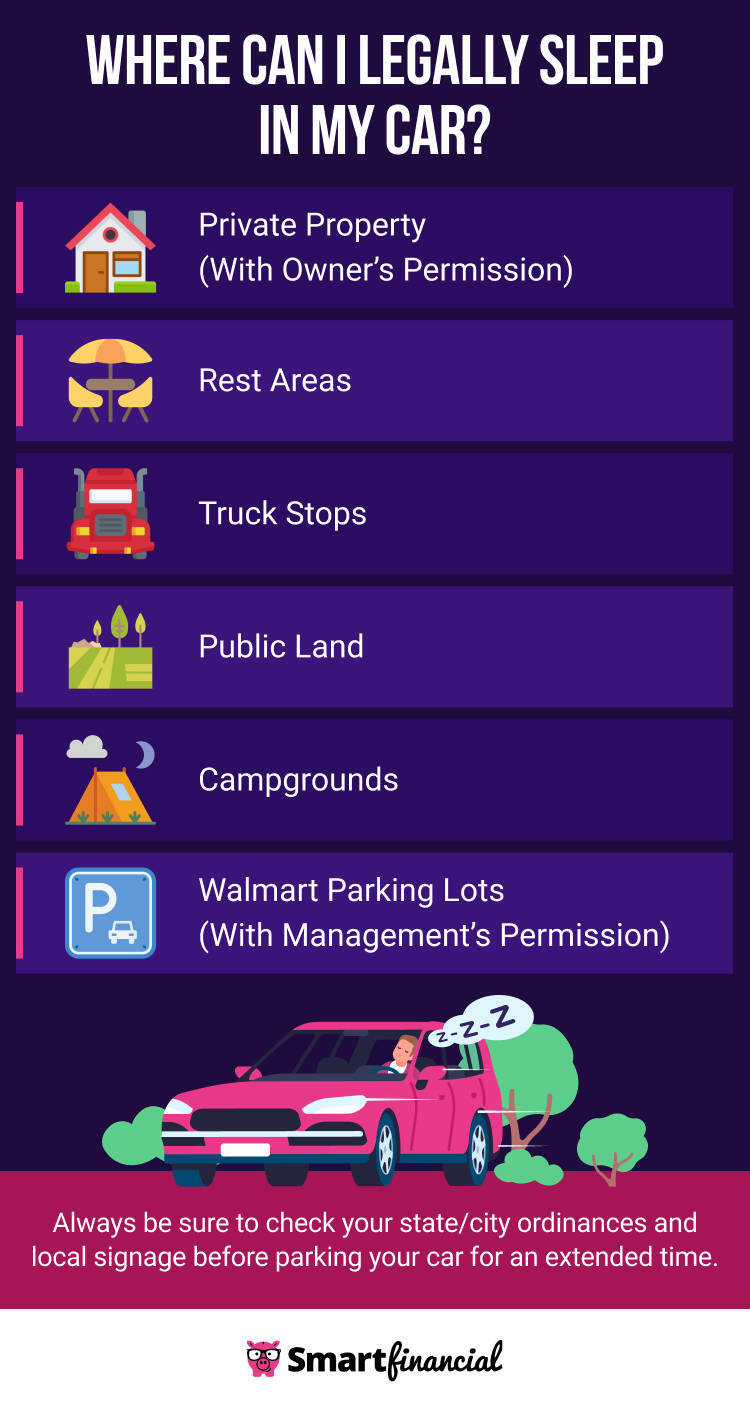
Safe and Legal Spots for Overnight Stays
Despite the complexities, there are indeed legal and relatively safe places to spend the night in your vehicle across California. Knowing where to look can make all the difference for a peaceful night’s rest.
National Forests and Bureau of Land Management (BLM) Land
For those seeking solitude and a true outdoor experience, federal lands often present the best legal options for dispersed camping (i.e., camping outside of designated campgrounds).
- Bureau of Land Management (BLM): Vast tracts of BLM land throughout California often permit “dispersed camping” for up to 14 days in a 28-day period, free of charge. This means you can often park your vehicle off a designated road and sleep there. Always check the specific field office’s rules for the area you plan to visit, as some areas may have restrictions (e.g., fire bans, seasonal closures). These lands are typically undeveloped, meaning no facilities, so come prepared with all your necessities and practice Leave No Trace principles.
- National Forests: Similar to BLM lands, California’s many National Forests (e.g., Sequoia National Forest) usually allow dispersed camping. Again, research the specific forest or ranger district, as rules can vary. Some areas might require a free “Adventure Pass” for parking or a California Campfire Permit, even if you don’t plan on having a fire.
Note: While National Parks (like Death Valley National Park) are federal lands, their rules are generally much stricter, typically requiring you to stay in designated campgrounds. Dispersed camping for vehicles is rarely allowed directly within National Park Service (NPS) boundaries outside of specific, usually primitive, backcountry sites that might require a permit and a hike, not vehicle access for sleeping.
Designated Campgrounds and RV Parks
This is undoubtedly the most secure and fully legal option for overnight vehicle stays. California boasts an extensive network of campgrounds and RV parks, ranging from rustic sites in state and national parks to full-service private resorts.
- State Parks and National Parks: These offer stunning locations and basic amenities (restrooms, water, sometimes showers). Sites usually need to be reserved well in advance, especially during peak season. Fees apply.
- Private RV Parks: These are purpose-built for vehicle overnighters, offering a wide array of amenities from hookups (electricity, water, sewer) to laundry facilities, showers, and even swimming pools. They are a reliable and comfortable choice, though they come with a higher price tag.
- County and Municipal Campgrounds: Many local governments operate their own campgrounds, which can be less crowded and more affordable than state or national options.
Truck Stops and Rest Areas (with caution)
Truck stops and designated highway rest areas are designed for travelers to take a break, and often permit short-term overnight parking.
- Truck Stops: Chains like Pilot Flying J and TravelCenters of America are generally accommodating to weary travelers. They offer food, restrooms, and often showers, making them a relatively comfortable option. However, they can be noisy and busy, and extended stays are usually prohibited. Always be mindful of the large trucks and their drivers who rely on these spaces.
- Rest Areas: California’s highway rest areas allow parking for a limited duration, typically 8 hours. They are meant for resting, not extended habitation. While it’s generally tolerated to sleep in your car for a few hours, remember they are public spaces and don’t offer security beyond passing patrols.
Casino Parking Lots and Retailer Hospitality
A less conventional, but sometimes viable, option for overnight stays involves businesses that are amenable to vehicle campers.
- Casinos: Some casinos, especially those in more rural parts of California (often tribal casinos), have large parking lots and may permit overnight stays for RVs and even cars, hoping you’ll patronize their establishment. Always ask for permission inside at the security desk or guest services before parking.
- Walmart: As mentioned earlier, Walmart has a reputation for allowing overnight parking. However, this policy is determined by individual store managers. It is imperative to call ahead or ask a manager in person. Never assume it’s allowed, as policies change frequently, and some stores are in cities with specific anti-vehicle habitation ordinances that override Walmart’s general guideline.
Practical Tips for Car Sleeping in California
Opting to sleep in your car in California can be a rewarding experience, offering unparalleled freedom and flexibility. To make it comfortable, safe, and legal, preparation is key.
Prioritize Safety and Security
Your safety should always be the top concern when car camping.
- Lock All Doors and Windows: This seems obvious, but it’s the first line of defense.
- Choose Well-Lit and Populated Areas (When Applicable): If in an urban or semi-urban setting (like a truck stop or Walmart lot), park where there are other people and good lighting. Avoid isolated, dark areas in unfamiliar surroundings.
- Trust Your Instincts: If a spot feels off, move on. It’s better to be overly cautious.
- Have an Emergency Kit: Include a first-aid kit, flashlight, fully charged phone, jumper cables, and essential tools.
- Blend In: Avoid drawing attention to yourself. Keep your sleeping setup discreet, and avoid making your car look like a permanent residence.
- Know Your Escape Route: Always be aware of how you can quickly and safely exit your parking spot if needed.
Maximizing Comfort and Convenience
A good night’s sleep in your vehicle is achievable with a few thoughtful preparations.
- Sleeping Setup: Invest in a comfortable sleeping pad or inflatable mattress specifically designed for car camping. A good pillow and sleeping bag or blankets are essential for varying California temperatures.
- Ventilation: Crack windows slightly (and consider screens to keep bugs out) to prevent condensation and improve airflow. A small battery-powered fan can be a lifesaver in warmer climates.
- Privacy and Light Control: Window covers (either store-bought or DIY using Reflectix, fabric, or cardboard) are crucial for privacy and blocking out light, allowing for better sleep and discreetness.
- Basic Hygiene: Keep a supply of water, wet wipes, hand sanitizer, and a small towel for basic cleanliness. Many truck stops and some campgrounds offer showers.
- Food and Water Storage: Have a cooler for perishable items and a good supply of non-perishable snacks and water. Remember to secure food to avoid attracting wildlife, especially in rural areas.
- Power Management: Consider a portable power bank for charging devices. If you plan to use car power, be mindful of draining your battery.
Navigating the Legal Landscape
Staying informed and prepared will help you avoid legal issues.
- Use Resource Apps: Apps like iOverlander are invaluable. They provide crowdsourced information on legal and recommended overnight spots, including user reviews, amenities, and warnings about restricted areas.
- Check Local Ordinances: Before heading into a city, take a few minutes to research its specific vehicle habitation or overnight parking laws. Most cities publish their municipal codes online.
- Be Prepared to Move: If approached by law enforcement or property owners, be polite, cooperative, and prepared to move. Having a backup plan (like a nearby campground or an emergency motel budget) is always wise.
- Respect the Environment: Especially when dispersed camping, adhere strictly to Leave No Trace principles. Pack out everything you pack in, minimize your impact, and respect wildlife.
Alternatives to Sleeping in Your Car
While car camping offers a unique brand of adventure, it’s not always feasible or desirable. California provides a vast array of other accommodation options to suit every budget and travel style.
Budget-Friendly Accommodation Options
When car sleeping isn’t an option, or you simply need a break from it, several affordable alternatives exist.
- Hostels: Ideal for solo travelers or those on a shoestring budget, hostels offer dormitory-style lodging at significantly lower prices than hotels. Many, like HI Hostels located in popular cities like San Diego and San Francisco, also provide private rooms, communal kitchens, and a social atmosphere.
- Motels: Basic motels, such as Motel 6 or Super 8, are prevalent along major highways and often offer competitive rates for a private room with essential amenities. They’re a reliable choice for a quick, comfortable overnight stay.
- Airbnb/VRBO: These platforms can offer unique and often more affordable stays, especially for groups or longer durations. From spare rooms to entire apartments or cabins, you can often find better value and a more local experience than traditional hotels.
Embracing Traditional Camping
If you love the outdoors but prefer a more structured experience than car sleeping, traditional camping is a fantastic choice.
- Tent Camping: California’s state parks, national parks, national forests, and private campgrounds offer countless tent sites. These provide designated spaces, often with picnic tables, fire rings, and access to restrooms and water, offering a comfortable blend of nature and convenience.
- Backcountry Camping: For the more adventurous, wilderness permits allow for multi-day backpacking trips and camping in remote areas, providing an unparalleled immersion in California’s pristine wilderness.
Exploring Unique Stays
For those looking for something truly memorable, California is rich with unique accommodation experiences that blend local culture and distinct environments.
- Glamping Resorts: Combining the glamour of a hotel with the adventure of camping, glamping sites offer luxurious tents, yurts, or cabins with amenities like real beds, private bathrooms, and often stunning views.
- Eco-Lodges and Boutique Hotels: From sustainable treehouses to historic inns and chic boutique hotels, California has a wealth of accommodations that offer distinct character and an unforgettable stay, often reflecting the local culture and environment.
- Farm Stays and Ranch Stays: Experience rural California by staying on a working farm or ranch, offering insights into local agriculture and a peaceful retreat from city life.
Conclusion
The question “Is sleeping in your car illegal in California?” elicits a nuanced answer, underscoring the importance of diligent research and responsible travel. While not universally prohibited by a single statewide law, the legality is a dynamic interplay of municipal ordinances, private property rules, and federal land regulations. It’s a journey that demands awareness, adaptability, and respect for local communities and the environment.
From the expansive, permissive lands of the Bureau of Land Management (BLM) and National Forests to the stringent “no overnight parking” zones in bustling cities like Los Angeles and San Francisco, the rules vary considerably. The savvy traveler understands that success lies in planning, knowing where to look for legal spots like designated campgrounds or accommodating businesses (with prior permission), and always having a backup plan. Prioritizing safety, maximizing comfort with smart gear choices, and leveraging resources like iOverlander are paramount for a positive experience.
Ultimately, whether you choose the rugged freedom of car camping or opt for the comfort of a hostel, motel, or a unique glamping experience, California beckons with endless possibilities. The key is to embrace the adventure responsibly, respecting both the law and the breathtaking natural beauty of the Golden State. By doing so, your California road trip will not only be legal and safe but also an unforgettable journey tailored to your unique travel style and spirit of exploration.
LifeOutOfTheBox is a participant in the Amazon Services LLC Associates Program, an affiliate advertising program designed to provide a means for sites to earn advertising fees by advertising and linking to Amazon.com. Amazon, the Amazon logo, AmazonSupply, and the AmazonSupply logo are trademarks of Amazon.com, Inc. or its affiliates. As an Amazon Associate we earn affiliate commissions from qualifying purchases.