
Navigating the nuances of safety in any major urban environment is a critical aspect of responsible travel planning. The South Shore Chicago neighborhood, a vibrant and historically rich community on Chicago’s far South Side, often prompts questions regarding visitor safety. To truly understand its suitability as a travel destination, it’s essential to move beyond broad generalizations and delve into its specific characteristics, community efforts, and practical considerations for travelers.
Understanding the South Shore Chicago Landscape
South Shore is more than just a place on a map; it’s a community with a deep-seated identity, evolving history, and distinct character. Bordered by Lake Michigan to the east, South Shore offers unique lakefront access and historical architecture, providing a stark contrast to the frequently portrayed narratives.

A Community Rich in History and Culture
The neighborhood boasts a legacy shaped by early 20th-century development, marked by grand residential buildings, spacious parks, and a thriving commercial district. It has been a significant hub for African American culture and socio-political movements, particularly during the Great Migration. This rich history is visibly manifested in its architecture and institutions, like the iconic South Shore Cultural Center, a former private country club now a public park and cultural venue. Understanding this historical context helps travelers appreciate the resilience and vibrancy of the community.
Geographical Context and Accessibility
Geographically, South Shore is situated to the south of more widely recognized tourist areas like Hyde Park, home to the University of Chicago and the Museum of Science and Industry. Its proximity to these areas, as well as major transportation arteries, makes it reasonably accessible. Public transportation, including Metra commuter rail lines and CTA buses, connects South Shore to Downtown Chicago and other parts of the city. For travelers, understanding these connections is crucial for planning safe and efficient movement within and around the neighborhood.
Dissecting Safety Concerns and Realities for Travelers
The question of safety often arises from media portrayals that tend to generalize complex urban environments. For travelers considering South Shore, a nuanced understanding of safety is essential.
Perception vs. Reality: Media Narratives
Like many historically African American neighborhoods in major U.S. cities, South Shore has sometimes been subject to negative media narratives focusing predominantly on crime statistics. While it’s true that some parts of Chicago, including certain sections of the South Side, experience higher crime rates than others, it’s vital to differentiate between localized issues and the overall experience for a thoughtful visitor. These narratives often fail to capture the everyday life, community strengths, and specific areas that are perfectly safe for exploration. The perception of danger can be far more pervasive than the actual risk faced by informed travelers.
Crime Statistics in Context
When evaluating safety, it’s important to remember that crime, particularly violent crime, is often concentrated in specific blocks or hotspots and frequently involves individuals known to one another. Tourist-oriented areas, even within neighborhoods that have higher overall crime rates, tend to experience significantly lower levels of stranger-on-stranger crime. For travelers, the key is to be aware, informed, and to practice general urban safety precautions. Data often shows that property crime (theft, robbery) can be more of a concern for visitors in any urban setting, rather than violent crime, which is usually not random. Focusing on specific areas and times, rather than broad neighborhood boundaries, provides a more accurate safety assessment.
Safety by Zone: Key Areas for Visitors
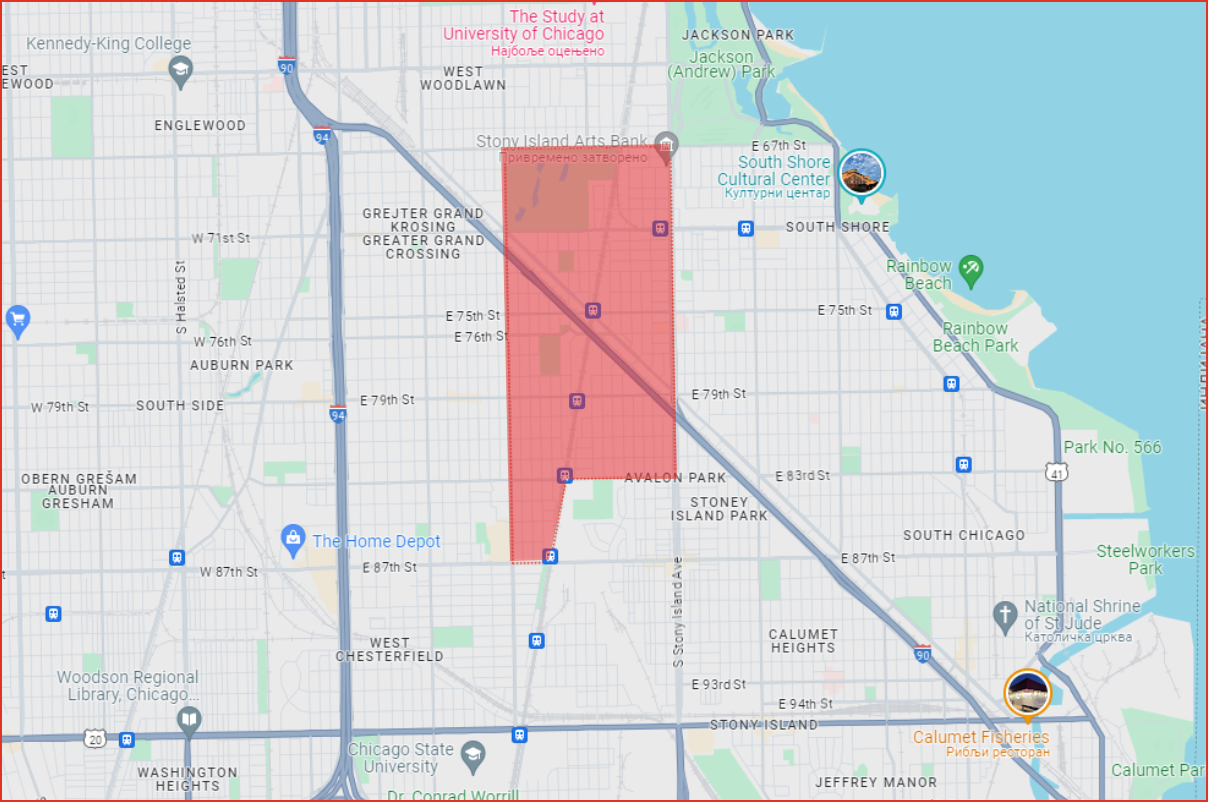
South Shore is not monolithic. Certain parts are more residential and quiet, while others have more commercial activity.
- Lakefront Parks and South Shore Cultural Center: These areas, including Jackson Park (just north of South Shore and hosting the future Obama Presidential Center), are generally considered safe during daylight hours and when events are taking place. They are popular for recreation, picnics, and cultural activities. The South Shore Cultural Center itself is a well-maintained, beautiful destination.
- Commercial Corridors: Areas around 71st Street and Stony Island Avenue, which serve as commercial hubs for the community, are typically busy during the day. While these areas can attract petty crime like anywhere else, they are generally active and well-lit.
- Residential Streets: Many residential blocks are quiet and tight-knit. Travelers venturing into residential areas, particularly after dark, should exercise the same caution they would in unfamiliar parts of any large city.
Traveler Tips for a Safe and Enjoyable South Shore Experience
Visiting South Shore can be a rewarding experience, offering unique insights into Chicago’s diverse fabric. With practical safety measures, travelers can confidently explore its offerings.
General Urban Safety Practices
- Situational Awareness: Always be aware of your surroundings. Avoid walking while distracted by your phone, especially at night.
- Travel in Groups: When possible, especially during evening hours, explore with companions.
- Secure Valuables: Keep wallets, phones, and other valuables out of sight and secure. Avoid displaying expensive jewelry or electronics.
- Trust Your Instincts: If a situation or area feels unsafe, remove yourself from it.
- Emergency Contacts: Know how to contact local emergency services (911 in the U.S.) and have a fully charged phone.
Engaging with the Local Community Respectfully
South Shore is a community of proud residents. Engaging respectfully can enhance your visit and contribute to your safety.
- Be Polite and Approachable: A friendly demeanor can go a long way.
- Support Local Businesses: Patronizing local shops and restaurants helps the community and allows you to interact positively with residents.
- Respect Local Customs: Observe and respect the local way of life.
Transportation and Navigation
- Plan Your Routes: Before heading out, know your destination and how you’ll get there. Use reliable navigation apps.
- Public Transportation: The Metra Electric Line is a convenient and generally safe way to access South Shore from Downtown Chicago. Buses are also widely used. Be aware of schedules, especially late at night.
- Rideshares/Taxis: For late-night travel or when venturing to less familiar areas, rideshares (like Uber or Lyft) or taxis are a good option. Confirm your driver and vehicle before getting in.
- Avoid Isolated Areas at Night: Stick to well-lit, populated streets, especially after dark.
Exploring South Shore’s Gems: Attractions and Experiences
Beyond the safety discussion, it’s crucial to highlight why South Shore is a compelling destination, offering experiences unique to Chicago’s South Side.
Cultural Institutions and Historical Sites
- South Shore Cultural Center: This magnificent complex, a designated Chicago Landmark, features a stunning Spanish-style building, golf course, beach, nature sanctuary, and hosts various community events, concerts, and art exhibitions. It’s a beautiful spot for a leisurely stroll or a picnic.
- Future Obama Presidential Center: While technically in neighboring Jackson Park, its development is a significant draw that will undoubtedly impact and benefit South Shore, making the area an increasingly important historical and cultural destination.
- Historic Architecture: Many streets feature beautiful examples of early 20th-century residential architecture, offering a glimpse into Chicago’s past.
Natural Beauty and Lakefront Access
- Lake Michigan Shoreline: South Shore boasts extensive lakefront access, including beaches and the Lakefront Trail, perfect for walking, jogging, or cycling with stunning views of the city skyline and the vast lake.
- Jackson Park: Designed by Frederick Law Olmsted, this vast park offers lagoons, Japanese gardens, and open spaces, ideal for nature lovers. It was also the site of the 1893 World’s Columbian Exposition.
- Promontory Point: Located just north of South Shore but easily accessible, this man-made peninsula offers unparalleled skyline views and is a popular spot for outdoor activities.

Local Eateries and Community Events
South Shore offers a taste of authentic Chicago life with a variety of local restaurants, cafes, and shops. Exploring these establishments provides an opportunity to savor local flavors and connect with the community. Keep an eye out for local festivals and events, especially during warmer months, which showcase the neighborhood’s vibrant community spirit and cultural richness.
In conclusion, “Is South Shore Chicago safe?” is a question best answered with context and practical advice. While no urban area is entirely without risk, informed travelers who exercise common sense and engage thoughtfully with the community can certainly find South Shore to be a rewarding and safe destination, rich in history, culture, and natural beauty. It offers a distinct Chicago experience away from the more conventional tourist paths, providing a deeper understanding of the city’s diverse character.
LifeOutOfTheBox is a participant in the Amazon Services LLC Associates Program, an affiliate advertising program designed to provide a means for sites to earn advertising fees by advertising and linking to Amazon.com. Amazon, the Amazon logo, AmazonSupply, and the AmazonSupply logo are trademarks of Amazon.com, Inc. or its affiliates. As an Amazon Associate we earn affiliate commissions from qualifying purchases.