
Texas, the Lone Star State, is a land of vast landscapes, rich history, and vibrant culture, drawing millions of travelers each year to its bustling cities, serene natural parks, and iconic landmarks. From the cosmopolitan allure of Dallas and Houston to the live music capital Austin and the historic charm of San Antonio, Texas offers an unparalleled array of experiences for every kind of traveler. Whether you’re planning a luxury getaway, a budget-friendly family trip, or an immersive cultural exploration, the state boasts a diverse range of accommodation options, from opulent resorts and boutique hotels to cozy apartments and sprawling villas. Travelers flock to Texas for its world-class attractions, unforgettable dining, and, of course, its fervent passion for sports. With legendary teams like the Dallas Cowboys dominating the NFL, the Houston Rockets and San Antonio Spurs in the NBA, and a powerhouse collegiate sports scene, Texas is a true sports mecca.
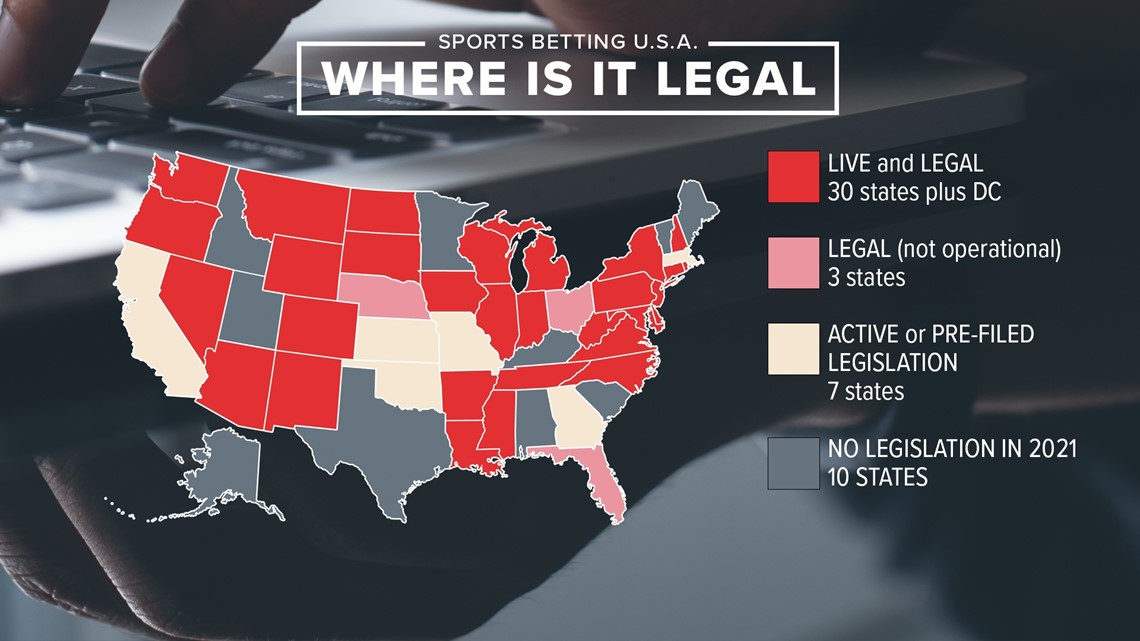
This deep-seated love for sports naturally leads many visitors and residents alike to ponder the legality of sports betting within the state. As more and more U.S. states embrace legalized sports wagering, the question, “Is sports betting legal in Texas?” becomes increasingly relevant, especially for those who enjoy integrating a bit of thrilling entertainment into their travel and lifestyle pursuits. Understanding the current legal landscape is crucial for anyone considering placing a wager while visiting or residing in the state, ensuring a hassle-free and enjoyable experience. This article delves into the nuances of sports betting legality in Texas, exploring its potential impact on tourism, accommodation, and the overall lifestyle of the state.
The Current Landscape of Sports Betting in Texas
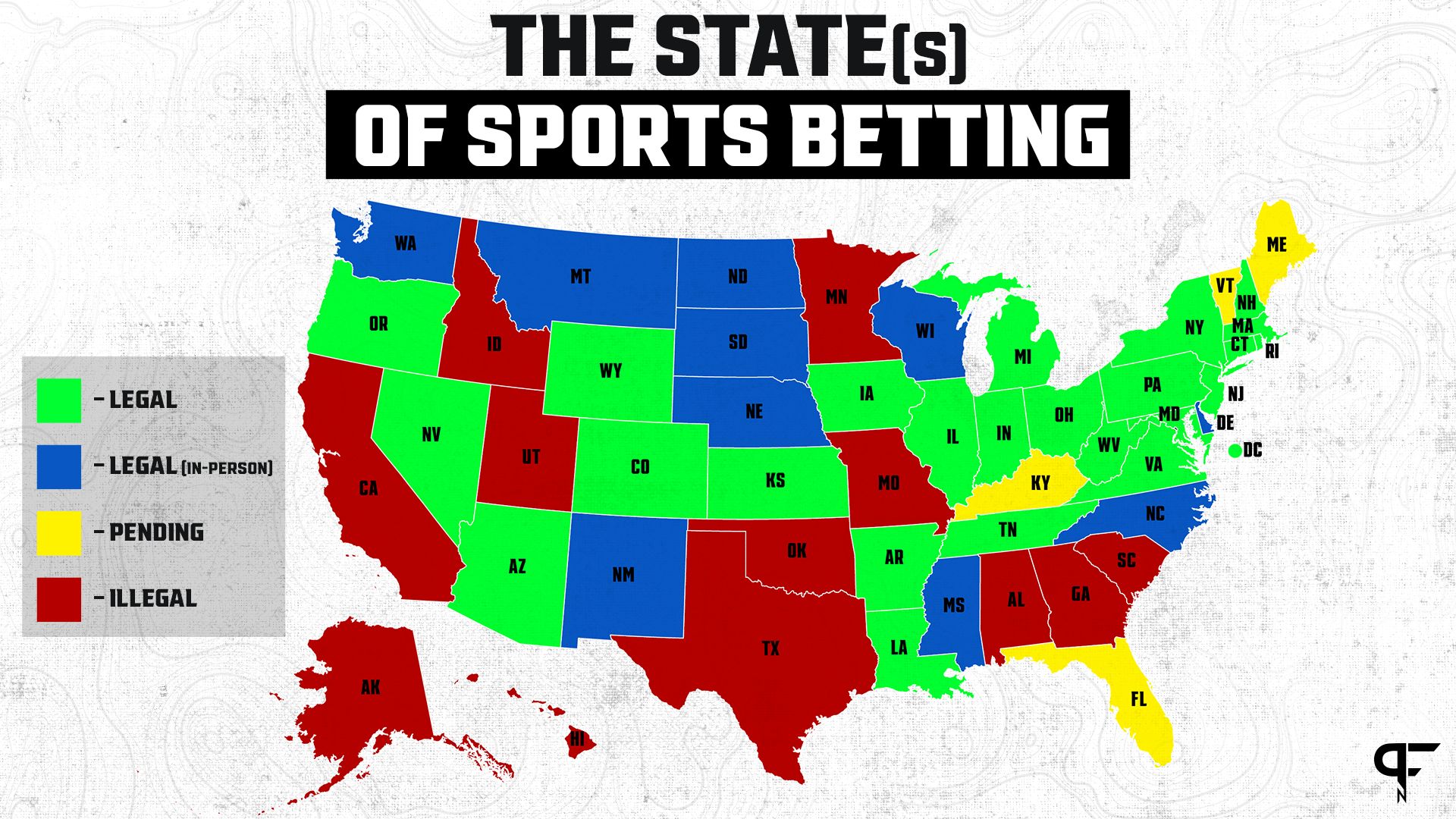
Despite its colossal sports fandom and a growing national trend towards legalization, Texas remains one of the largest states where sports betting is not yet fully legal and regulated. The legislative process here is complex, deeply rooted in the state’s unique political and cultural fabric. For travelers and residents eager to engage in this popular pastime, the current situation presents a distinct contrast to many neighboring states.
A Standoff in the Lone Star State
At present, traditional sports betting, both online and at retail locations such as casinos or dedicated sportsbooks, is largely prohibited in Texas. Unlike states that have established comprehensive regulatory frameworks for sports wagering, Texas has yet to pass legislation that would permit and oversee such activities. This means that when you visit Dallas, Houston, Austin, or San Antonio, you won’t find state-licensed sportsbooks within hotels, at sporting venues, or accessible via state-regulated mobile apps.
The push for legalization has been a recurring theme in recent legislative sessions, spearheaded by various proponents including professional sports franchises, casino operators, and some segments of the hospitality industry. These groups often highlight the substantial revenue potential that legalized sports betting could generate for the state, revenue that could be allocated to public services, infrastructure, or even further enhancing Texas’s already robust tourism initiatives. However, these efforts have consistently met significant opposition, reflecting a deeply divided political landscape concerning gambling expansion.
For the intrepid traveler seeking to combine their passion for sports with the thrill of wagering, this current legal status means that they must look beyond the state borders. States like Louisiana, to Texas’s east, and New Mexico and Oklahoma to the north, have embraced various forms of legalized sports betting, often through tribal casinos or state-regulated online platforms. This creates a scenario where Texans and visitors might travel to adjacent states to place bets, effectively exporting potential tax revenue that could otherwise benefit Texas.
Legislative Hurdles and Public Opinion
The journey towards legalized sports betting in Texas is fraught with complex legislative hurdles. Unlike many states where a simple majority in the legislature can pass new laws, significant changes to gambling regulations in Texas often require a constitutional amendment, which necessitates a two-thirds vote in both the House and Senate, followed by a public referendum. This high bar makes it incredibly challenging for sports betting proponents to gain the necessary consensus.
Opposition primarily stems from conservative lawmakers and certain religious groups who voice concerns about the potential social costs associated with expanded gambling, including addiction and increased crime rates. They often prioritize preserving the state’s traditional values over the potential economic benefits. Conversely, proponents argue that a regulated market would provide consumer protection, generate significant tax revenue, and curb the illicit offshore betting market that currently operates without oversight. They point to the economic successes in other states where legalized sports betting has boosted tourism and hospitality sectors.
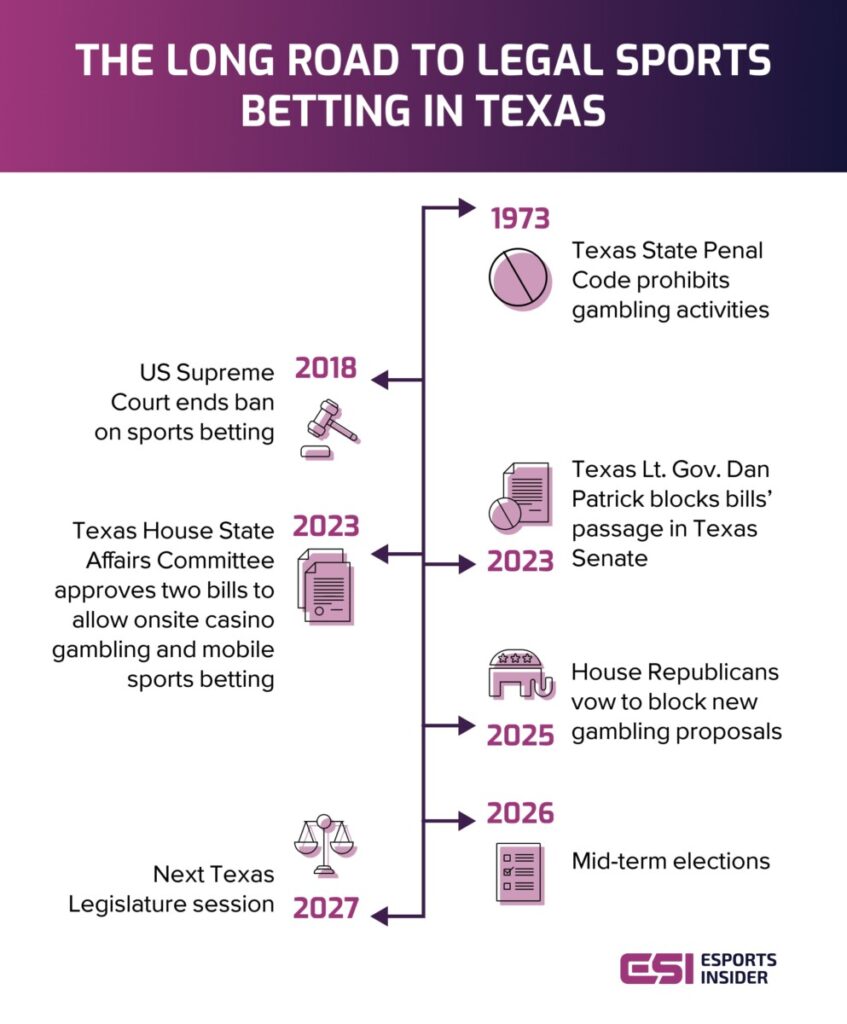
Public opinion in Texas is often seen as a mixed bag, with polls sometimes showing a slight majority in favor of legalization, particularly among younger demographics and sports fans. However, this support isn’t always strong enough to overcome the entrenched political opposition and the high legislative threshold. The discussion often ties into broader debates about gambling expansion, including the possibility of bringing destination casinos to major metropolitan areas, a prospect that further complicates the legislative landscape for sports betting. This ongoing debate significantly impacts the state’s potential to expand its tourism offerings and attract a new demographic of visitors looking for integrated entertainment options.
The Economic Impact and Tourism Potential
The debate over sports betting in Texas extends far beyond mere legality; it touches upon significant economic implications and untapped tourism potential. For a state as economically powerful and visitor-friendly as Texas, the decision to legalize sports wagering could reshape various sectors, from the hospitality industry to local economies.
A Boon for Texas Tourism and Lifestyle?
Imagine arriving in Dallas for a Dallas Cowboys game, or visiting Houston to cheer on the Houston Rockets, with the added excitement of placing a legal wager on your favorite team right from your smartphone or a designated lounge. For many, this prospect enhances the overall travel experience, transforming a simple game-day trip into a comprehensive entertainment package. Legalized sports betting could act as a significant draw for “sports tourism,” attracting visitors who specifically travel to states where they can combine attending a live sporting event with the thrill of legal wagering.
Texas is home to numerous professional sports teams across various leagues, and hosts major sporting events like NASCAR races at the Texas Motor Speedway, making it an ideal candidate for sports tourism growth. The ability to legally bet on these events could encourage longer stays, increased spending on accommodation, dining, and other attractions. This elevated level of engagement could significantly boost the state’s tourism industry, potentially leading to new jobs and economic growth in cities like Austin, San Antonio, and other regional hubs that host major sporting events or cultural festivals. It aligns with a modern lifestyle trend where entertainment, leisure, and digital engagement are increasingly intertwined.
Furthermore, regulated sports betting would allow the state to capture tax revenue from an activity that already happens in the black market. This revenue could be reinvested into promoting Texas as a premier travel destination, funding infrastructure projects that improve access to popular landmarks like The Alamo or Space Center Houston, or even supporting local cultural programs that enrich the visitor experience.
Hotel and Accommodation Implications
The hospitality sector stands to be one of the primary beneficiaries if sports betting were to be legalized in Texas. High-end hotels, resorts, and even some mid-range accommodations could integrate sportsbooks or dedicated sports lounges into their offerings. Imagine checking into a luxury resort like the JW Marriott San Antonio Hill Country Resort & Spa or The Post Oak Hotel at Uptown Houston and having access to state-of-the-art sports betting facilities. This would not only enhance the amenities available to guests but also provide an additional revenue stream for these establishments.
Such integrations could significantly influence booking decisions for travelers, especially those planning a leisure trip around a major sporting event or simply looking for an all-encompassing entertainment experience. Hotels could market themselves as prime locations for sports enthusiasts, offering packages that combine accommodation with access to betting facilities, special viewing parties, and exclusive sports-themed events. This would add another layer to the booking and comparison process for travelers, as they would consider not just location and price, but also the availability of sports betting options.
For cities like Houston, Dallas, and San Antonio, which boast extensive convention and business travel, integrating sports betting into hotel amenities could make these destinations even more attractive. Business travelers might extend their stays or choose hotels that offer such entertainment options, blurring the lines between business and leisure and contributing to the overall vibrance of the state’s tourism and accommodation sectors. It represents a potential evolution in how destinations cater to the diverse and evolving preferences of the modern traveler.
Navigating the Current Legal Landscape for Travelers
While the future of sports betting in Texas remains a subject of ongoing debate, it’s essential for travelers and residents to understand the current legal framework. Navigating this landscape correctly ensures compliance with state laws and helps avoid potential pitfalls, allowing visitors to fully enjoy their Texas travel and lifestyle experiences.
What Travelers Need to Know
Currently, placing a sports bet with an unregulated offshore online sportsbook or through an illegal bookmaker within Texas is against the law. Travelers should be extremely cautious and avoid these options, as they offer no consumer protection and carry legal risks. It’s important to distinguish between legal, regulated betting and unregulated activities. Legalization in other states provides robust oversight, ensuring fair play, secure transactions, and responsible gaming initiatives. These protections are absent in the unregulated market.
However, there are legal alternatives that Texans and visitors can participate in. Daily Fantasy Sports (DFS) platforms, for instance, operate in a somewhat gray area of legality in Texas but are widely available and generally considered permissible by most operators. DFS involves assembling virtual teams of athletes and earning points based on their real-world performance, differing from traditional sports betting that involves wagering on the outcome of a game or specific in-game events. Many travelers enjoy DFS as a skill-based alternative that aligns with their passion for sports without crossing into the realm of traditional sports betting.
Another crucial point for travelers is the proximity of Texas to states where sports betting is fully legal. If you are road-tripping through the region or planning a multi-state itinerary, you might find legal sports betting opportunities just across the border. For example, a short drive east into Louisiana or north into Oklahoma (where tribal casinos often offer sportsbooks) can provide access to legal wagering. However, you must be physically present within the borders of these legal states to place a bet through their regulated platforms. Geolocation technology on betting apps ensures compliance, preventing bets from being placed from within Texas on out-of-state platforms. This knowledge can enhance a travel plan for those who wish to combine their Texas adventure with a brief excursion to a neighboring state for legal sports betting.
The Future Outlook for Texas
The future of sports betting in Texas is continuously evolving. Legislative efforts are expected to resume in upcoming sessions, as proponents remain determined to bring regulated sports wagering to the state. Factors such as the increasing revenue generated in neighboring states, the desire to keep tax dollars within Texas, and shifting public opinion could eventually sway enough lawmakers to push the legislation forward. The state’s considerable population and immense sports market make it one of the most coveted prizes for the sports betting industry, ensuring that the pressure for legalization will not wane.
Should Texas eventually legalize sports betting, the impact on travel, tourism, and lifestyle would be transformative. Travelers could look forward to new entertainment options within luxury resorts and hotels, integrated experiences at major sporting venues, and potentially even new landmark developments tied to entertainment districts. Accommodation providers would likely adapt their offerings to cater to this new market, potentially introducing sports-themed amenities and packages that would further enhance the booking experience. The state’s lifestyle, already rich with diverse leisure activities, would gain another dimension for enthusiasts.
While the exact timeline remains uncertain, the dialogue is firmly established. Visitors to Texas should stay informed about the latest legislative updates, as the situation could change, potentially opening up new avenues for entertainment and engagement during their travels. For now, the best approach is to enjoy the unparalleled attractions, diverse accommodations, and vibrant culture that Texas already offers, keeping in mind the current legal boundaries concerning sports betting.
In conclusion, for those exploring the dynamic destinations, luxurious accommodations, and rich cultural tapestry of Texas, the answer to “Is sports betting legal in Texas?” is currently no, not in a state-regulated form. While the state passionately embraces its sports culture, the legal framework for sports wagering remains restrictive. However, the conversation is far from over, with significant economic and tourism potential driving continued legislative efforts. As Texas continues to attract travelers seeking memorable experiences and diverse lifestyles, the possibility of embracing legalized sports betting could one day add another thrilling dimension to the Lone Star State’s appeal, seamlessly integrating with its world-class travel, hotel, and tourism sectors.
LifeOutOfTheBox is a participant in the Amazon Services LLC Associates Program, an affiliate advertising program designed to provide a means for sites to earn advertising fees by advertising and linking to Amazon.com. Amazon, the Amazon logo, AmazonSupply, and the AmazonSupply logo are trademarks of Amazon.com, Inc. or its affiliates. As an Amazon Associate we earn affiliate commissions from qualifying purchases.