
Few cities in the United States boast a history as rich, complex, and enduring as St. Augustine, Florida. Tucked away on the northeastern coast of the Sunshine State, this charming locale captivates visitors with its cobblestone streets, ancient forts, and a palpable sense of stepping back in time. It proudly claims the title of the oldest continuously inhabited European-established settlement in the continental United States, a distinction that immediately sparks curiosity about its origins and, perhaps most prominently, its distinctive name. The question “Is St. Augustine, Florida named after St. Augustine?” is frequently asked by travelers, historians, and those simply intrigued by the stories embedded in place names.
The short answer is a resounding yes. The city’s appellation is indeed a direct homage to Aurelius Augustinus Hipponensis, better known as St. Augustine of Hippo, the revered theologian and philosopher whose intellectual contributions profoundly shaped Western Christianity. However, the connection is far more intricate and serendipitous than a simple dedication. It’s a tale woven with threads of exploration, religious observance, imperial ambitions, and the enduring legacy of a man born centuries before Florida was ever charted by Europeans. Understanding this link not only clarifies the city’s name but also deepens appreciation for its historical significance, making a visit to this remarkable destination an even more enriching experience. From the travel perspective, knowing the profound historical layers behind the name adds an incredible dimension to exploring its attractions, selecting accommodation, and immersing oneself in the local culture that thrives today.
The Legacy of a Saint: Who Was St. Augustine of Hippo?
To fully grasp why a burgeoning settlement in the New World would bear the name of an ancient philosopher, we must first journey back to the 4th century Roman Empire, to the sun-drenched lands of North Africa. Aurelius Augustinus Hipponensis, known to history as St. Augustine of Hippo, was born in 354 AD in Tagaste, a Roman provincial town in what is now modern-day Algeria. His early life was marked by intellectual curiosity and spiritual searching, a journey famously chronicled in his seminal work, Confessions. Raised by a pagan father and a devout Christian mother, Monica of Hippo, Augustine initially pursued a path of rhetoric and Manichaeism before experiencing a profound conversion to Christianity in 386 AD in Milan, heavily influenced by the teachings of Bishop Ambrose of Milan.
Following his conversion, St. Augustine returned to North Africa, eventually becoming the bishop of Hippo Regius (modern-day Annaba, Algeria) in 396 AD. From this position, he became one of the most prolific and influential thinkers of the early Christian church. His voluminous writings, including The City of God, On the Trinity, and his Confessions, addressed fundamental theological questions concerning sin, grace, predestination, and the nature of God, laying much of the groundwork for Western Christian theology and philosophy. His intellectual rigor, profound spiritual insights, and articulate defense of Christian doctrine against various heresies earned him the title Doctor of the Church. His impact extended far beyond his lifetime, influencing countless theologians, philosophers, and political thinkers throughout the Middle Ages and into the modern era.

By the time European explorers embarked on their ambitious voyages across the Atlantic Ocean centuries later, St. Augustine was a venerable figure, a symbol of intellectual and spiritual gravitas within the Catholic world. His feast day, celebrated annually on August 28th, was a significant date in the liturgical calendar, a day of reverence and remembrance for his monumental contributions. This widespread veneration meant that his name was not just a historical footnote but a living part of the cultural and religious fabric of Spain and other Catholic nations, making it an entirely natural choice for commemorating new discoveries or establishing settlements in the spirit of evangelization and exploration. This profound historical context is crucial for understanding the motivations behind the naming of St. Augustine, Florida.
A New World Naming: The Founding of St. Augustine, Florida
The story of St. Augustine, Florida’s founding is deeply intertwined with the age of European exploration and the rivalry between imperial powers for control of the New World. While Juan Ponce de León first sighted and claimed Florida for Spain in 1513, naming it La Florida in honor of Pascua Florida (the “Flowery Easter”), it would be another half-century before a permanent European settlement would take root. The impetus for this permanent establishment was not merely conquest but a strategic response to the growing presence of French Huguenots in the territory, who established Fort Caroline near present-day Jacksonville. Spain, viewing Florida as a vital buffer for its rich trade routes from Mexico and a threat to its Catholic dominion, dispatched a formidable expedition to remove the French and secure its claims.
This critical mission was entrusted to Don Pedro Menéndez de Avilés, an experienced admiral and a ruthless but effective commander. Menéndez sailed from Spain with a large fleet, intent on establishing a permanent Spanish foothold. On August 28, 1565, after weeks at sea, his ships finally sighted land. As fate would have it, this significant day coincided precisely with the feast day of St. Augustine of Hippo. Recognizing the auspicious timing, and as was customary for Spanish explorers to name new discoveries or settlements after the saint whose feast day fell on the date of discovery or founding, Menéndez christened the new settlement “San Agustín.”
Menéndez and his forces landed a few days later, on September 8th, formally establishing the city on the eastern coast of Florida near what is now Mission Nombre de Dios. He then proceeded to brutally oust the French from Fort Caroline, solidifying Spanish control. The selection of the name “San Agustín” was thus not a choice made in abstraction, but a practical and deeply religious gesture, reflecting the piety and cultural norms of the era. It linked the fledgling outpost directly to one of Catholicism’s most revered figures, imbuing it with a sense of divine protection and purpose. The strategic location, offering a well-protected harbor on Matanzas Bay, proved invaluable, allowing St. Augustine to endure centuries of attacks from rival European powers and native populations, making it a resilient testament to its founder’s vision and the saint’s namesake.
St. Augustine, Florida Today: A Living Historical Landmark
Today, St. Augustine, Florida, stands as a vibrant testament to its layered past, a captivating destination where history isn’t just preserved in museums but lives and breathes on every street corner. Far from being a mere relic, the city has gracefully transitioned into a premier travel destination, attracting millions of visitors annually who come to explore its unique blend of colonial charm, architectural grandeur, and modern amenities. Its designation as the oldest continuously inhabited European settlement in the United States forms the bedrock of its identity, drawing those with a passion for history, culture, and unforgettable experiences.
The city’s historical significance means that many of its top attractions are, in themselves, cherished landmarks. Walking through St. Augustine is like traversing an open-air museum, with centuries of stories etched into its buildings and landscapes. From the imposing coquina walls of its fort to the elegant Gilded Age architecture, the city offers a visual feast that caters to every interest, proving that a deep dive into the past can also be an incredibly enjoyable and immersive travel experience.
Iconic Historical Sites and Architectural Wonders
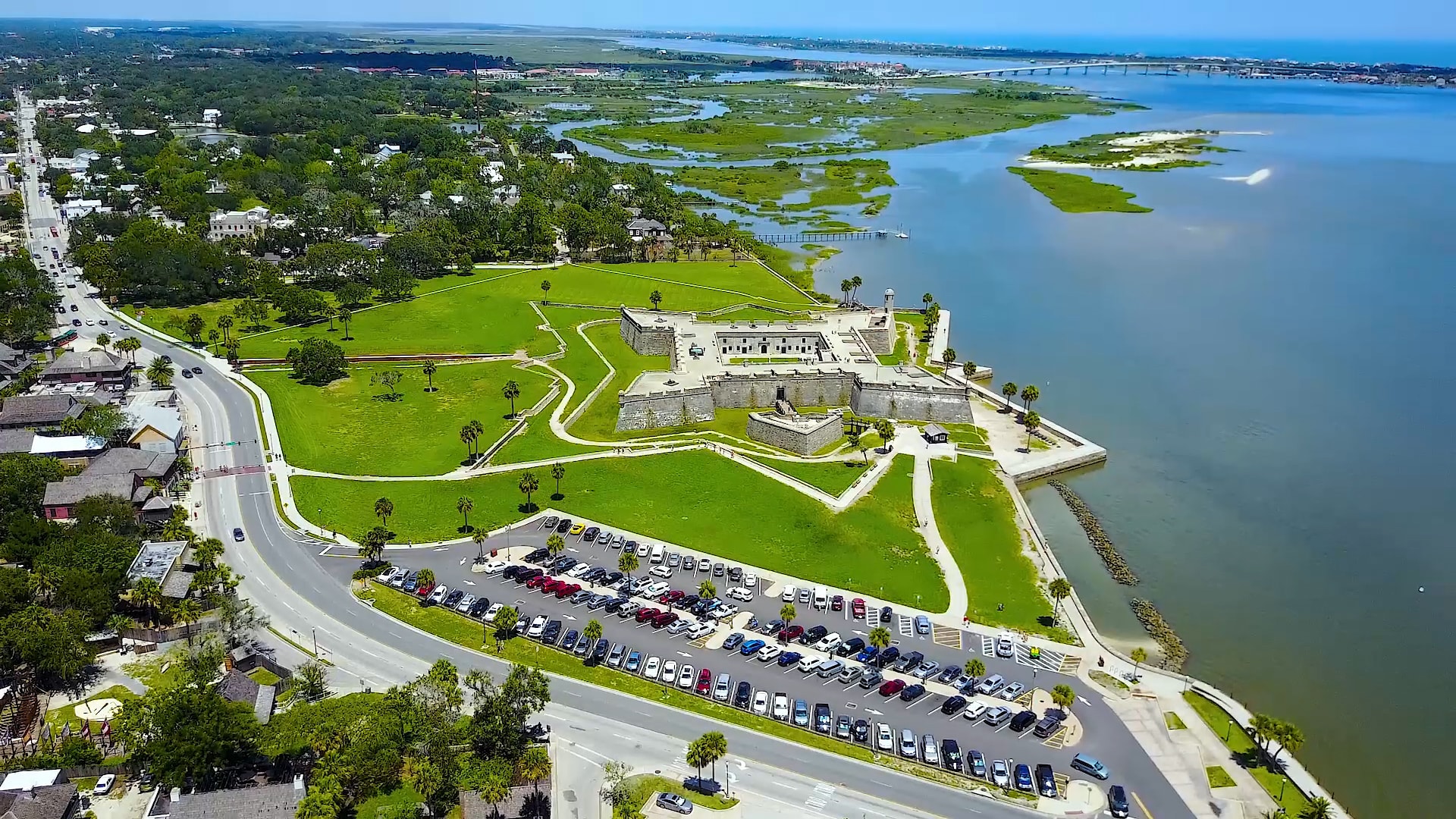
The crown jewel of St. Augustine is undoubtedly the Castillo de San Marcos. This magnificent 17th-century fortress, the oldest masonry fort in the continental United States, dominates the waterfront. Built by the Spanish to defend the city against encroaching empires, its resilient coquina construction has withstood countless sieges, offering visitors a tangible link to centuries of military history. Exploring its casemates, climbing its ramparts, and witnessing cannon firings provide an immersive glimpse into colonial defense strategies.
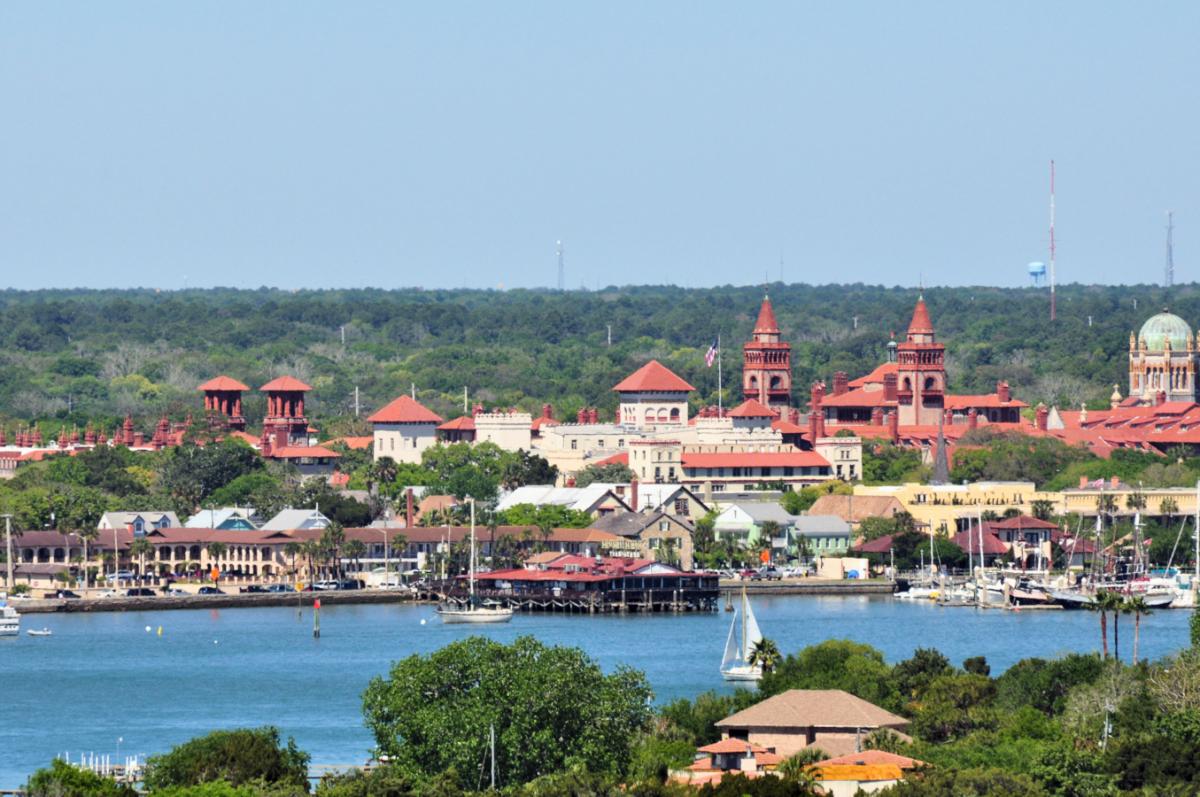
Beyond the fort, the Gilded Age influence of industrialist Henry Flagler left an indelible mark. His vision transformed St. Augustine into a winter resort for the wealthy elite. The grandest legacy of this era is the former Hotel Ponce de Leon, now the breathtaking Flagler College. This architectural masterpiece, featuring Spanish Renaissance Revival design and stunning Tiffany stained glass, is a must-see. Adjacent to it stands the former Hotel Alcazar, now home to the Lightner Museum, showcasing an eclectic collection of 19th-century art and curiosities within its opulent former pool area.
The heart of historic St. Augustine is St. George Street, a pedestrian-only thoroughfare bustling with shops, restaurants, and historical sites. Here, you can find the Oldest Wooden Schoolhouse, a charming and educational peek into early American education. Just north of the historic district, the Mission Nombre de Dios marks the site where Menéndez first landed and established the city. It features a shrine to Our Lady of La Leche and the towering Great Cross, overlooking Matanzas Bay, commemorating the first Catholic Mass in the continental United States. Other notable landmarks include the St. Augustine Lighthouse & Maritime Museum, offering panoramic views and insights into the city’s seafaring past, and the Fountain of Youth Archaeological Park, a site steeped in myth and actual historical discovery.
Experiencing the Past: Tours, Museums, and Cultural Immersion
Beyond static landmarks, St. Augustine excels at bringing its past to life. Travelers can embark on numerous guided tours, from thrilling ghost walks through dimly lit alleys to informative trolley tours that hit all the major historical points. The Colonial Quarter offers living history demonstrations, where costumed interpreters recreate life in the 17th and 18th centuries, from blacksmithing to musket firing. Museums like the St. Augustine Pirate & Treasure Museum delve into the city’s swashbuckling past, while countless smaller galleries and historical societies preserve specific aspects of its heritage.
The city’s vibrant cultural scene is also a testament to its long history, with Spanish influences still palpable in its cuisine, architecture, and festivals. Local restaurants often feature fresh seafood alongside traditional Spanish and Floridian fare, providing a delicious journey through its cultural evolution. Engaging with the local artisans, listening to historical narratives, and simply soaking in the atmosphere of a city that has witnessed over 450 years of continuous human settlement offers an unparalleled depth of cultural immersion for any traveler seeking more than just a typical vacation.
Planning Your Historic Getaway: Accommodation and Lifestyle in St. Augustine
For travelers drawn to St. Augustine, Florida’s magnetic charm, the city offers a diverse array of accommodation options and lifestyle experiences, catering to every preference and budget. Whether you’re planning a luxurious escape, a family adventure, a romantic retreat, or a budget-conscious exploration, St. Augustine seamlessly blends its historic allure with modern comforts and activities. As a prime destination for tourism, its infrastructure is designed to provide memorable stays, ensuring that your visit to this unique place is as comfortable as it is enriching.
Diverse Accommodation Options for Every Traveler
When it comes to finding the perfect place to stay, St. Augustine excels in variety. For those seeking luxury travel, the city boasts stunning resorts that offer opulent amenities and impeccable service. The Casa Monica Resort & Spa, part of the Autograph Collection, is a prime example. Housed in a beautifully restored 1888 landmark, this Moorish Revival masterpiece offers a blend of historic grandeur and contemporary luxury, complete with a spa, fine dining, and prime location within walking distance of major attractions. Such hotels often provide exclusive experiences, from curated tours to bespoke services that elevate a trip into an extraordinary journey.
Beyond the grand resorts, the historic district is dotted with charming boutique hotels and quaint bed & breakfasts. These accommodations often reside in meticulously restored colonial buildings, offering intimate settings, personalized service, and a palpable sense of history. Staying in a historic inn can immerse you deeper into the city’s past, with unique rooms, gourmet breakfasts, and hosts eager to share local insights. For families or those planning longer stays, a range of vacation rentals, apartments, and villas are available, particularly on Anastasia Island and along the coast, offering more space, kitchen facilities, and a home-away-from-home feel. These options are ideal for those who prefer to self-cater or have specific needs for a family trip. When booking, travelers should always compare options, read reviews, and consider what type of experience they want – whether it’s proximity to the bustling historic core or serene beach access.
Embracing the St. Augustine Lifestyle: Beyond History
While history is undoubtedly the main draw, the St. Augustine lifestyle offers much more. Budget travel is entirely feasible, with numerous affordable hotels, motels, and even camping options nearby. Public transportation, including the trolley tours, makes getting around easy without a car, and many attractions are walkable from the historic center.
For family trips, St. Augustine offers a wealth of activities that appeal to all ages. Beyond the historical sites, children love the excitement of the St. Augustine Alligator Farm Zoological Park, the thrills of the beaches on Anastasia Island, and interactive experiences like the St. Augustine Pirate & Treasure Museum. The city’s beaches offer opportunities for swimming, surfing, paddleboarding, and shell collecting, providing a perfect balance to days spent exploring historical sites.
Romantic getaways thrive in St. Augustine, with horse-drawn carriage rides through gas-lit streets, sunset cruises on Matanzas Bay, and intimate dining experiences at world-class restaurants. The food culture is a delightful blend of fresh Atlantic seafood, Southern comfort, and Spanish-inspired cuisine, from casual eateries to upscale dining establishments. Visitors can enjoy fresh oysters, shrimp, and the distinctive Minorcan clam chowder, a local specialty.
Beyond the historical and culinary delights, St. Augustine also caters to those seeking an active lifestyle. Kayaking and paddleboarding tours explore the serene salt marshes, fishing charters head out into the Atlantic Ocean, and golf courses beckon enthusiasts. The city also hosts a variety of festivals and events throughout the year, from cultural celebrations to music festivals, ensuring there’s always something new to discover. Whether you’re seeking relaxation, adventure, or a deep dive into culture, St. Augustine offers a rich and varied lifestyle that complements its profound historical identity, making it a compelling destination for any type of traveler.
In conclusion, the answer to whether St. Augustine, Florida is named after St. Augustine is unequivocally yes. This seemingly simple fact opens a door to centuries of history, from the profound theological legacy of a North African saint to the daring exploits of Spanish explorers in the New World. The city’s name is a direct link to the day of its sighting by Pedro Menéndez de Avilés, forever binding its identity to one of Christianity’s most influential figures.
Today, St. Augustine, Florida, offers more than just historical intrigue; it provides an unparalleled travel experience. It’s a place where iconic landmarks stand as stoic witnesses to time, where living history demonstrations transport you to another era, and where a vibrant culture thrives amidst cobblestone streets and ancient architecture. With a diverse range of accommodations, from luxurious resorts to charming B&Bs, and a lifestyle that caters to history buffs, beach lovers, foodies, and families alike, St. Augustine truly is a destination where the past enriches the present. Embarking on a journey to this remarkable city is not just a vacation; it’s an immersive dive into the very foundations of American history, all under the venerable name of St. Augustine.
LifeOutOfTheBox is a participant in the Amazon Services LLC Associates Program, an affiliate advertising program designed to provide a means for sites to earn advertising fees by advertising and linking to Amazon.com. Amazon, the Amazon logo, AmazonSupply, and the AmazonSupply logo are trademarks of Amazon.com, Inc. or its affiliates. As an Amazon Associate we earn affiliate commissions from qualifying purchases.