
St. Augustine, Florida, often hailed as the “Ancient City,” is a destination that draws millions of visitors annually. Its cobblestone streets, rich history, and picturesque waterfront evoke a sense of timeless charm, making it a sought-after location for travel, tourism, and even longer-term stays. For many planning a trip, a primary concern, alongside attractions and accommodations, is the safety of the destination. This article aims to provide a comprehensive overview of safety in St. Augustine, addressing common queries and offering insights based on its unique character as a historic tourist hub.
When considering safety, it’s important to differentiate between general crime statistics and the day-to-day experience of residents and tourists. St. Augustine, like any city, has its nuances. However, its identity as a major tourist destination means that safety is a priority for local authorities and businesses alike. The city’s appeal lies in its historical significance, its beautiful natural surroundings, and the diverse range of activities and experiences it offers, from exploring ancient landmarks to enjoying its culinary scene. Understanding the general safety landscape helps travelers immerse themselves in the unique atmosphere of St. Augustine without undue worry.

Understanding Safety in a Historic Tourist Hub
St. Augustine’s status as a popular tourist destination significantly shapes its approach to safety. The city thrives on visitors who come to experience its centuries-old forts, charming shops, and vibrant atmosphere. This reliance on tourism naturally leads to a heightened focus on maintaining a secure environment for everyone. Law enforcement agencies are present and visible, particularly in high-traffic tourist areas, to deter crime and respond to incidents promptly.
Crime Statistics and Perceptions
When evaluating the safety of any location, it’s helpful to look at crime statistics. However, it’s crucial to interpret these numbers within the context of the area. St. Augustine, being a compact city with a high volume of transient visitors, might have statistics that appear different from a purely residential area of similar size. Generally, St. Augustine is considered a safe city for tourists. Like most popular tourist destinations, petty crimes such as pickpocketing can occur, particularly in crowded areas. However, violent crime rates are typically low, and visitors are unlikely to encounter serious threats if they exercise standard precautions.
The perception of safety is also influenced by local news and word-of-mouth. It’s important to rely on official sources and reputable travel guides rather than anecdotal evidence that might not represent the broader reality. The city’s infrastructure is designed to accommodate a large number of people, with well-maintained streets and public spaces that are generally well-lit.
Tourist-Specific Safety Measures
The tourism industry itself implements various safety measures. Hotels and resorts in St. Augustine, from luxury establishments like the Casa Monica Resort & Spa, Autograph Collection to more budget-friendly options, typically have their own security protocols, including surveillance and trained staff. Tour operators and attractions also prioritize guest safety, with guidelines and trained personnel to ensure a secure experience. For instance, exploring the historic streets of the historic district often involves guided tours, which add an element of supervision.
Furthermore, local authorities are aware of the need to protect the city’s reputation as a safe and welcoming destination. This often translates into visible police patrols, especially during peak tourist seasons and events. Public transportation within and around the city is also generally safe, with services like the Old Town Trolley Tours providing a convenient and secure way to navigate.
Navigating St. Augustine Safely: Practical Tips and Considerations
While St. Augustine is broadly considered safe, practicing common-sense precautions will ensure a smooth and enjoyable visit. These practices are standard for most travel destinations and can help mitigate potential risks.
Personal Safety During Your Visit
- Awareness of Surroundings: This is perhaps the most crucial tip for any traveler. Be mindful of who and what is around you, especially in crowded places like St. George Street or during popular events. Avoid displaying excessive amounts of cash or valuable items.
- Securing Belongings: Keep your wallet, purse, and phone secure. Use bags that close securely and consider wearing them cross-body. When staying in hotels, utilize the in-room safe for valuables.
- Nighttime Travel: While the historic downtown area is lively at night, it’s always wise to be more cautious when walking alone after dark. Stick to well-lit and populated areas. If you are concerned, consider using ride-sharing services or taxis.
- Alcohol Consumption: St. Augustine has a vibrant nightlife, but responsible alcohol consumption is key to maintaining safety. Being overly intoxicated can make you a more vulnerable target.
- Emergency Services: Know how to contact local emergency services. The standard emergency number in the United States is 911. Familiarize yourself with the location of your hotel and prominent landmarks in case you need to give directions.

Safety in Accommodation and Attractions
- Choosing Accommodation: When booking accommodation, research reviews that might mention safety aspects. Reputable hotels, resorts, and apartments often highlight their security features. Look for properties with good lighting, secure entry points, and well-maintained grounds.
- Exploring Attractions: Major attractions like the Castillo de San Marcos National Monument and Fort Matanzas National Monument are generally very safe. These are U.S. National Park Service sites, which adhere to strict safety standards. When exploring natural areas, such as Anastasia State Park, follow park guidelines and stay on marked trails.
- Food and Drink: The culinary scene in St. Augustine is a significant draw, with numerous restaurants and cafes. Most establishments adhere to health and safety regulations. As with any dining experience, look for busy places with good turnover, which usually indicates fresh food.
Environmental and Natural Hazards
Florida’s climate can present its own set of considerations.
- Weather: St. Augustine experiences a subtropical climate. Summers can be hot and humid, with frequent thunderstorms. It’s important to stay hydrated, wear sunscreen, and seek shelter during storms. The Atlantic hurricane season runs from June 1st to November 30th. While direct hits are infrequent, it’s wise to be aware of weather forecasts, especially if traveling during this period. Many hotels and tourism services will have protocols in place for severe weather.
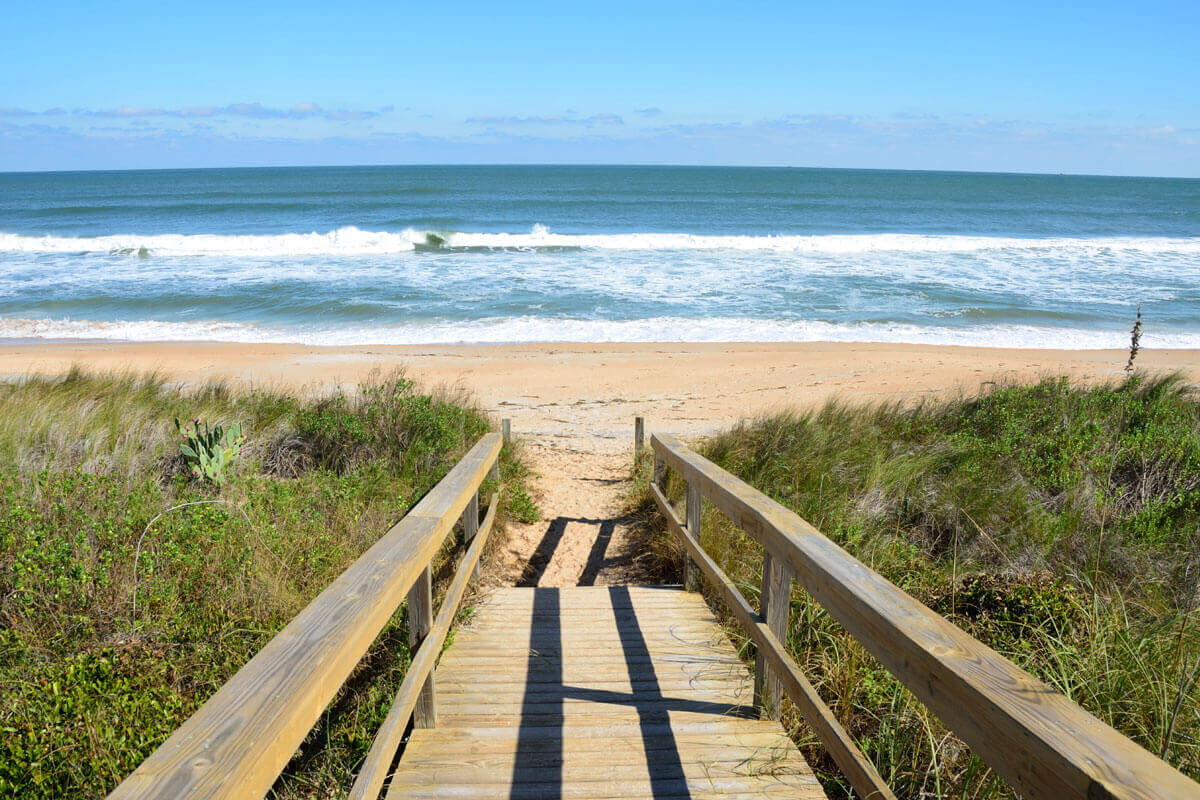
- Water Safety: If you plan on enjoying the beaches or engaging in water activities, be aware of rip currents and follow lifeguard instructions. The waters around St. Augustine are generally safe for swimming, but conditions can change.
Assessing St. Augustine’s Safety for Different Traveler Types
St. Augustine caters to a diverse range of travelers, and its safety profile is generally suitable for most.
Family Travel
St. Augustine is an exceptionally family-friendly destination. Attractions like the St. Augustine Alligator Farm Zoological Park, the Pirate & Treasure Museum, and the numerous historical sites offer engaging and educational experiences for children. Safety for families primarily involves keeping a close eye on children in crowded areas and ensuring they are aware of basic safety rules. Most hotels and attractions are well-equipped to handle families, with amenities and facilities designed for their comfort and security.
Solo Travelers
Solo travelers will find St. Augustine to be a welcoming and relatively safe city. The dense concentration of tourist activities means there are always other people around, especially in the historic core. By exercising the same precautions as any traveler – staying aware of surroundings, securing belongings, and sticking to well-lit areas at night – solo visitors can explore St. Augustine with confidence. The prevalence of guided tours and the friendly nature of the community can also add to a solo traveler’s sense of security.
Luxury and Budget Travel
Whether you’re seeking a luxury travel experience at a renowned resort or exploring on a budget travel plan, safety is a consideration. High-end hotels often offer enhanced security features and services. For those on a budget, staying in well-regarded hostels or guesthouses in safer neighborhoods is advisable. The core tourist areas, regardless of budget, are generally well-patrolled and safe. The main difference might be in the amenities and proximity to attractions, rather than inherent safety risks.
Business Stays
For business stays, St. Augustine offers a range of options, from boutique inns to larger hotels equipped for corporate needs. Safety considerations for business travelers are similar to those for general tourists. Ensuring the hotel is in a secure location and taking standard precautions with personal belongings and during late-night travel are key. The city’s professional atmosphere and the presence of business-oriented amenities contribute to a secure environment for those on work trips.
In conclusion, St. Augustine, Florida, is a destination that prioritizes the safety and well-being of its visitors. Its rich history and vibrant tourism industry are supported by a commitment to security. By being aware of your surroundings, practicing common-sense precautions, and utilizing the resources available, travelers can confidently enjoy all that this historic city has to offer, from its ancient landmarks to its modern comforts. The overwhelming experience for most visitors is one of safety, charm, and a deep immersion into the unique cultural tapestry of the “Ancient City.”
LifeOutOfTheBox is a participant in the Amazon Services LLC Associates Program, an affiliate advertising program designed to provide a means for sites to earn advertising fees by advertising and linking to Amazon.com. Amazon, the Amazon logo, AmazonSupply, and the AmazonSupply logo are trademarks of Amazon.com, Inc. or its affiliates. As an Amazon Associate we earn affiliate commissions from qualifying purchases.