
The Golden State has long been a frontrunner in environmental legislation, and the question of Styrofoam’s presence in its tourism and hospitality sectors is a significant one. For travelers, understanding these regulations can impact everything from picnic lunches to resort dining. This article delves into California’s stance on Styrofoam, exploring the nuances of its bans and their implications for your experiences across the state.
Understanding California’s Styrofoam Regulations
The term “Styrofoam” is often used colloquially to refer to expanded polystyrene (EPS) foam. While the brand Styrofoam is a registered trademark of The Dow Chemical Company, the regulations typically encompass all types of EPS foam used in food service ware. California has taken a phased approach to restricting its use, driven by concerns over plastic pollution and its impact on ecosystems and wildlife.

The Assembly Bill 1884: A Turning Point
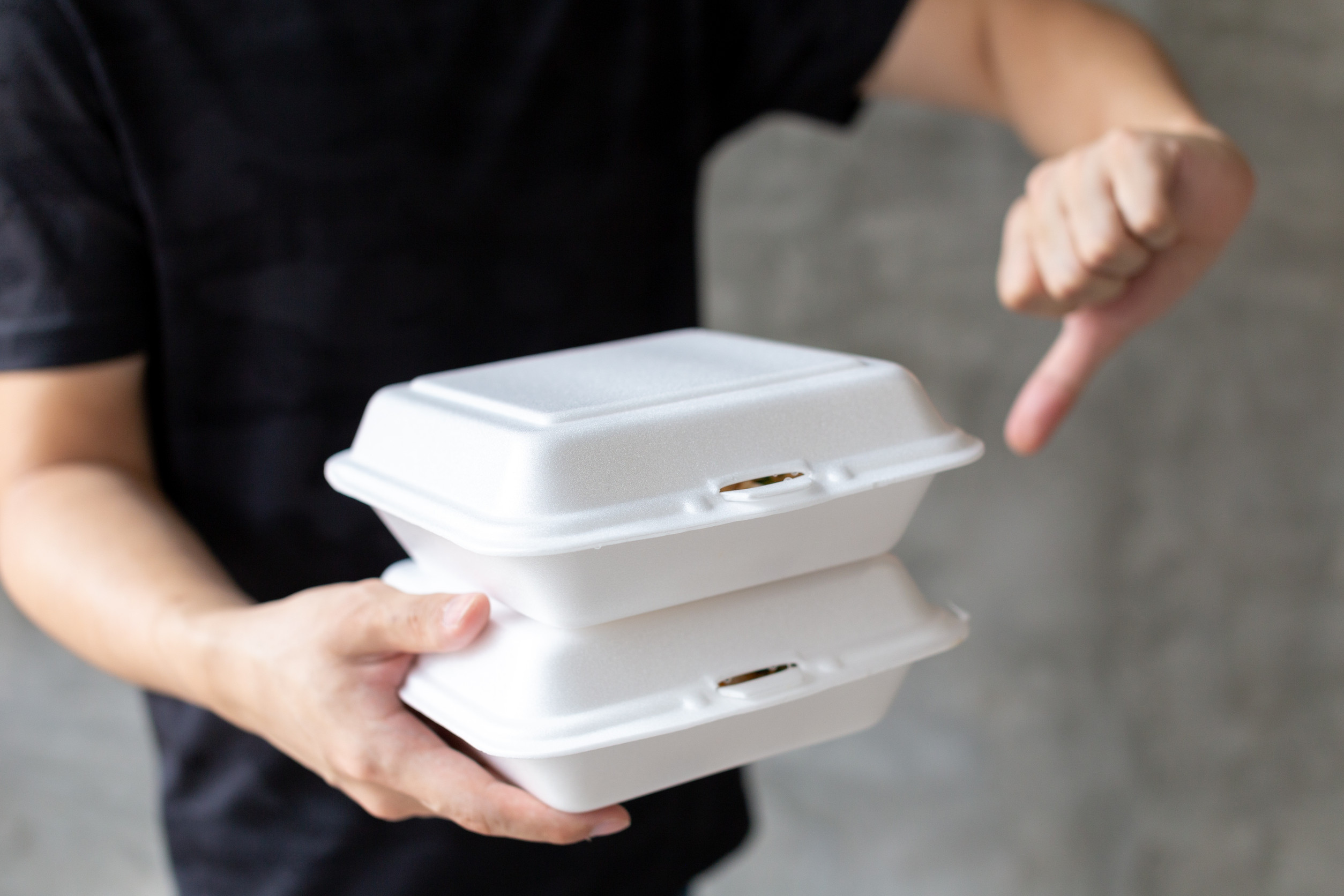
A pivotal piece of legislation was Assembly Bill 1884, signed into law in 2014. This bill prohibited food facilities from providing any food or beverage in EPS foam food containers. This applied to restaurants, cafes, and other establishments that prepare or serve food. The intention was clear: to significantly reduce the amount of single-use EPS foam entering the waste stream.
However, it’s important to note the specifics. AB 1884 primarily targeted food facilities and food containers. This means that while you might not find EPS foam takeout containers readily available, the ban didn’t necessarily extend to all uses of EPS foam within the broader tourism context. This distinction is crucial for understanding the current landscape.
Exemptions and Loopholes
Like many environmental laws, AB 1884 included certain exemptions. For instance, it did not apply to facilities that had not yet been inspected for compliance, or for containers used for raw meat, poultry, fish, or eggs where an alternative would compromise food safety. Furthermore, pre-packaged food items sold in grocery stores or other retail settings were generally not covered by this specific ban.
The implementation and enforcement of AB 1884 were also left to local jurisdictions. This meant that the stringency of enforcement could vary from city to city and county to county across California. Some areas might have had more robust enforcement mechanisms and public awareness campaigns than others.
The Broader Impact on Tourism and Hospitality
While the initial ban focused on food containers, the spirit of environmental consciousness it fostered has had a ripple effect throughout California’s tourism and hospitality industries. Many businesses, anticipating future regulations or simply embracing sustainability, have voluntarily moved away from EPS foam.
Resort and Hotel Initiatives
Major resorts and hotels across California, from luxury establishments in Beverly Hills to budget-friendly inns in San Diego, have been actively seeking and implementing eco-friendly alternatives. This includes:
- Reusable serviceware: Encouraging guests to use reusable cups and plates, especially in dining areas.
- Biodegradable or compostable packaging: Opting for containers made from materials like paper, bamboo, or plant-based plastics for takeout and room service.
- Waste reduction programs: Implementing comprehensive recycling and composting programs to manage waste effectively.
These initiatives often go beyond mere compliance. They are part of a larger effort to attract environmentally conscious travelers and to align with California’s progressive environmental image. For many guests, the presence of such programs is a significant factor in their choice of accommodation.
Local Attractions and Event Venues
Theme parks, museums, and other tourist attractions have also been affected. Food vendors operating within these venues are subject to the same regulations as standalone food facilities. This means that visitors to places like Disneyland or the Griffith Observatory will likely encounter alternatives to EPS foam for their snacks and meals.
Furthermore, event organizers at convention centers or outdoor festivals in cities like Los Angeles or San Francisco are increasingly pressured to adopt sustainable practices, including the elimination of EPS foam from catering and concession operations.
Moving Towards Comprehensive Bans: Senate Bill 567
While AB 1884 was a significant step, the conversation around single-use plastics, including EPS foam, has continued to evolve. More recent legislative efforts aim for broader prohibitions.
The Future of Single-Use Plastics
Senate Bill 567, introduced in recent legislative sessions, has aimed to expand the scope of restrictions on single-use foodware, including EPS foam. These broader bills often seek to ban the sale and distribution of certain single-use plastic foodware items by all food facilities, regardless of the type of food served, and can also include other plastic products.
The progression of such legislation indicates a clear trend in California: a determined move towards eliminating problematic single-use plastics from the economy. For travelers, this means that the reliance on disposable EPS foam for quick meals or snacks while on the go is likely to diminish further.

What Travelers Can Expect
As these regulations become more widespread and stringent, travelers visiting California can expect:
- Increased use of paper, bamboo, and compostable alternatives: These will become the norm for takeout and disposable food service.
- Greater emphasis on reusable options: Encourage the use of personal water bottles and coffee cups. Many establishments offer discounts for bringing your own.
- More visible recycling and composting infrastructure: You’ll likely see more clearly marked bins for different types of waste at hotels, restaurants, and public spaces.
- A potential shift in pricing: Some sustainable alternatives might carry a slightly higher cost, which could be reflected in menu prices.
The ban on EPS foam in food service ware in California is not just a legal requirement; it’s a reflection of the state’s commitment to environmental stewardship. For travelers, this translates into a cleaner, more sustainable travel experience, allowing you to enjoy the state’s natural beauty and vibrant culture with a lighter footprint. While “Styrofoam” in specific food service contexts is largely a thing of the past, the broader implications of these bans continue to shape the way we travel and dine in the Golden State.
LifeOutOfTheBox is a participant in the Amazon Services LLC Associates Program, an affiliate advertising program designed to provide a means for sites to earn advertising fees by advertising and linking to Amazon.com. Amazon, the Amazon logo, AmazonSupply, and the AmazonSupply logo are trademarks of Amazon.com, Inc. or its affiliates. As an Amazon Associate we earn affiliate commissions from qualifying purchases.