
Navigating the complexities of waste management, particularly in a bustling metropolis like New York City, can often feel like an intricate puzzle. Among the many questions that arise for both residents and visitors is the recyclability of common, yet often problematic, materials. One such material that frequently sparks debate and confusion is Styrofoam. This lightweight, insulating polystyrene foam, widely used in packaging and food service, presents a unique set of challenges when it comes to disposal and recycling. This article delves into the specific question of whether Styrofoam is indeed recyclable in New York City, exploring the city’s policies, the practicalities involved, and alternative solutions for responsible disposal.
Understanding Styrofoam and Its Recycling Challenges
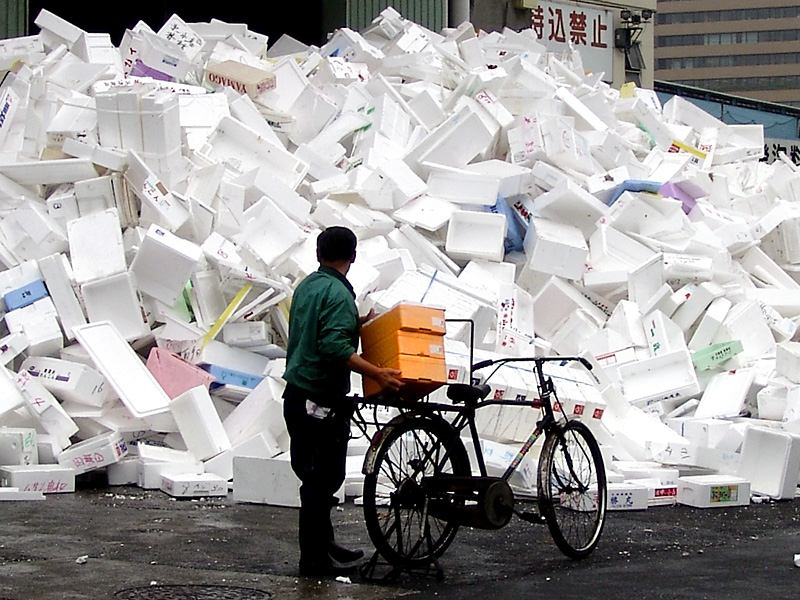
Styrofoam, chemically known as expanded polystyrene (EPS), is a rigid cellular plastic that is approximately 98% air. Its excellent insulating properties and low cost have made it a popular choice for a wide range of applications. In the context of New York City, it’s commonly encountered in takeout containers from restaurants, protective packaging for electronics and fragile goods, and as insulation in building materials.
However, its very composition makes it difficult to recycle through conventional municipal programs. The primary hurdles include:
Lightweight and Bulky Nature
Because EPS is so lightweight and occupies a significant volume due to its air content, transporting it for recycling is often economically unfeasible. The cost of collecting and processing large quantities of this material can outweigh the value of the recycled product. For recycling facilities, this means that a truckload of EPS might contain very little actual plastic material by weight, making the economics unfavorable compared to denser plastics like PET or HDPE.
Contamination Issues
Styrofoam used in food service is particularly prone to contamination from food residues. Grease, sauces, and other organic matter can be difficult to remove completely, rendering the EPS unsuitable for recycling. Even packaging Styrofoam can become contaminated with dirt, tape, and labels, which can complicate the recycling process and reduce the quality of the recycled material. This contamination often requires extensive and costly cleaning processes that many recycling facilities are not equipped to handle.
Sorting Difficulties
Styrofoam is often mistaken for other types of plastic by automated sorting machinery in recycling facilities. Its low density and unique properties can cause it to be sorted incorrectly, leading to contamination of other recyclable streams or ending up in the landfill regardless. This requires manual sorting, which is labor-intensive and expensive.
Lack of Market Demand
The market for recycled EPS is not as robust as for other more commonly recycled plastics. While it can be recycled into products like picture frames, insulation, and office supplies, the demand for these products fluctuates, and the infrastructure to process and remanufacture EPS is not as widespread as for materials like aluminum cans or paper.
Styrofoam Recycling Policies in New York City
In New York City, the primary entity responsible for waste management is the New York City Department of Sanitation (DSNY). For a long time, the DSNY has classified Styrofoam, or EPS foam, as a non-recyclable material within its standard curbside collection program. This means that if you place Styrofoam items in your regular blue recycling bins, they are likely to be diverted to landfills.
The Ban on Single-Use Plastic Foodware
It is important to note that New York City has implemented a ban on single-use plastic foodware, which includes items made from Styrofoam. This ban, which took effect in 2019, prohibits restaurants and food service establishments from selling, offering, or delivering food in disposable foodware made from polystyrene foam. The intent of this ban is to reduce plastic waste and encourage the use of reusable or compostable alternatives.
While the ban targets the distribution of Styrofoam foodware, it doesn’t directly address the recyclability of any Styrofoam that might still be in circulation or used for other purposes, such as packaging. However, it significantly reduces the amount of Styrofoam entering the waste stream in the first place, particularly from food-related businesses.
What Does This Mean for Consumers?
For residents and businesses in New York City, the practical implication is that Styrofoam items, unless specifically designated for a specialized recycling program (which are rare for residential EPS), should be disposed of in your regular trash. This can be a frustrating reality, given the widespread use of Styrofoam and the general desire to be environmentally responsible. The DSNY’s stance is based on the economic and logistical challenges outlined earlier.
Where Can Styrofoam Be Recycled in NYC?
While the general rule for New York City is that Styrofoam is not accepted in curbside recycling, there are a few exceptions and specialized avenues for recycling this material. These are typically not part of the DSNY’s municipal program but are operated by private entities or specific collection initiatives.
Specialized Recycling Centers and Drop-off Locations
Occasionally, private recycling companies or environmental organizations in New York City may set up temporary or permanent drop-off locations for Styrofoam. These initiatives are often driven by specific partnerships or grants aimed at diverting EPS from landfills.
One prominent organization that has historically facilitated Styrofoam recycling is Styrofoam Recycling Project (though its current operational status and locations would need to be verified as programs can change). Such projects often partner with businesses that receive large amounts of Styrofoam packaging or with community groups. These locations typically require the Styrofoam to be clean and dry, and sometimes sorted by type or density if applicable. It’s crucial to check the specific requirements of any such program before dropping off materials.
Businesses That Accept Styrofoam Packaging
Certain types of businesses that use Styrofoam for shipping and packaging might have their own internal recycling programs or partnerships with specialized recyclers. For example, electronics retailers or furniture stores might receive large quantities of EPS foam. While they may not accept foam from the public, it’s worth inquiring if you are a business that frequently receives such materials. However, for individual consumers looking to dispose of a few pieces of packing foam, this is unlikely to be a viable option.
Checking with Local Businesses and Organizations
For the most up-to-date information on any available Styrofoam recycling options in New York City, it is always best to:
- Visit the DSNY Website: While they confirm non-recyclability in curbside bins, they sometimes post information about special collection events or partnerships.
- Contact Local Environmental Groups: Organizations focused on waste reduction and recycling in New York City may be aware of any ongoing Styrofoam recycling initiatives.
- Search Online for “Styrofoam Recycling NYC”: Use search engines to find current drop-off points or programs. Pay close attention to the date of any information found, as recycling programs can be dynamic.
Alternatives to Recycling Styrofoam in NYC
Given the limited options for recycling Styrofoam in New York City, focusing on reducing its use and finding alternative disposal methods is often the most practical approach.
Reduce and Reuse
The most effective strategy for managing any waste material is to reduce its generation in the first place.
- For Consumers: When ordering online, look for retailers that offer alternatives to Styrofoam packaging. If you receive Styrofoam packing peanuts or blocks, consider reusing them for your own shipping needs or offering them to others who might. Many mailing and shipping stores accept clean packing peanuts for reuse.
- For Businesses: Actively seek out suppliers who use more sustainable packaging materials. Explore options like recycled cardboard, biodegradable packing peanuts, or reusable shipping containers.
Proper Disposal of Non-Recyclable Items
When Styrofoam cannot be recycled, the responsible course of action is to dispose of it in your regular trash. While not ideal, ensuring it is placed in designated trash receptacles prevents it from contaminating recycling streams and allows waste management facilities to handle it appropriately, even if that means landfilling.

Awareness and Advocacy
Understanding why Styrofoam is difficult to recycle can empower individuals and communities to advocate for better waste management solutions. This could involve supporting policies that encourage manufacturers to use less problematic packaging or investing in advanced recycling technologies. In New York City, the ban on single-use plastic foodware is a step in this direction, encouraging innovation in more sustainable materials.
In conclusion, while the question “Is Styrofoam Recyclable In New York City?” might elicit a simple “no” for standard curbside recycling, the reality is nuanced. The city’s ban on plastic foam foodware has significantly curtailed its use in dining, and the challenges associated with EPS recycling mean it’s not a material easily integrated into municipal programs. For those encountering Styrofoam, prioritizing reduction and reuse, and then resorting to proper trash disposal when necessary, remains the most effective approach to responsible waste management in the city. Keeping informed about any emerging specialized recycling initiatives is also key for those seeking to divert this material from landfills.
LifeOutOfTheBox is a participant in the Amazon Services LLC Associates Program, an affiliate advertising program designed to provide a means for sites to earn advertising fees by advertising and linking to Amazon.com. Amazon, the Amazon logo, AmazonSupply, and the AmazonSupply logo are trademarks of Amazon.com, Inc. or its affiliates. As an Amazon Associate we earn affiliate commissions from qualifying purchases.