
The Evolving Landscape of Lodging Brands
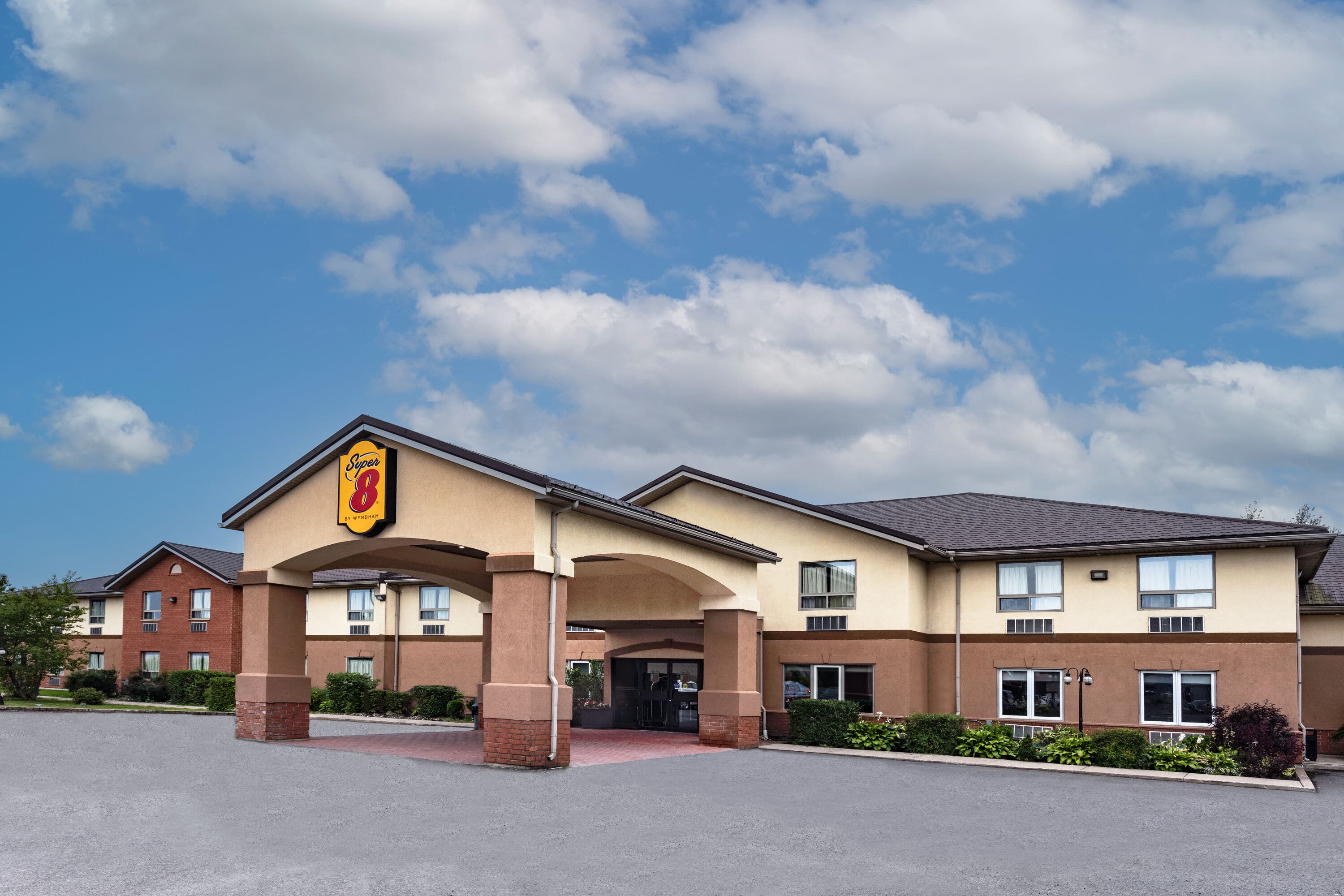
The question of whether Super 8 falls into the category of a hotel or a motel is more nuanced than a simple binary classification. Historically, the distinction was clear: motels offered basic roadside lodging for motorists, often with direct access to rooms from parking areas, while hotels provided a broader range of amenities and services, typically in more urban settings. However, in the contemporary lodging industry, these lines have blurred considerably, with many brands, including Super 8, adopting characteristics of both. Understanding the evolution of lodging and the specific positioning of brands like Super 8 requires a closer look at their origins, service offerings, and target markets.
Historical Context: Motel vs. Hotel
To appreciate the current classification of Super 8, it’s essential to revisit the historical definitions that shaped the lodging industry.
The Rise of the Motel
The term “motel” itself is a portmanteau of “motor hotel,” emerging in the early 20th century as a direct response to the burgeoning automotive culture in places like the United States. As roads like the historic Route 66 became popular arteries for long-distance travel, motorists needed convenient and accessible lodging. Early motels were characterized by their practical design: low-rise buildings with rooms typically opening directly onto a shared parking lot. This allowed travelers to park their cars right outside their rooms, a significant convenience for those with luggage or traveling with families. Amenities were generally basic, focusing on a clean bed, a private bathroom, and perhaps a television. The emphasis was on providing a functional and affordable stopover point for travelers on the move.
The Established Hotel
In contrast, hotels have a much longer history, dating back centuries. Traditionally, hotels were often larger establishments, situated in city centers or popular tourist destinations. They offered a wider array of services, including on-site restaurants, bars, meeting rooms, bellhops, room service, and often a more opulent or grand aesthetic. Hotels catered to a broader clientele, from business travelers to tourists seeking a more comprehensive hospitality experience. The architecture and design of hotels often reflected the social and economic standing of their era and location, from grand Victorian establishments to sleek, modern skyscrapers.
Super 8: A Brand in Transition
Super 8 was founded in 1974 by brothers Ron and Bob Torkelson in Aberdeen, South Dakota. Its initial concept was to provide affordable, clean, and reliable lodging for everyday travelers. The brand’s early growth mirrored the successful motel model, emphasizing value and convenience for motorists. Many of its early locations were indeed roadside properties, aligning with the traditional motel ethos.
Early Brand Identity
In its nascent stages, Super 8 was firmly positioned within the budget-friendly segment of the lodging market, often competing with other established motel chains. The focus was on providing essential services that travelers needed for a comfortable overnight stay without unnecessary frills. This meant clean rooms, comfortable beds, and functional bathrooms were paramount, with amenities like complimentary breakfast and Wi-Fi gradually becoming standard offerings as guest expectations evolved.
Expansion and Evolution
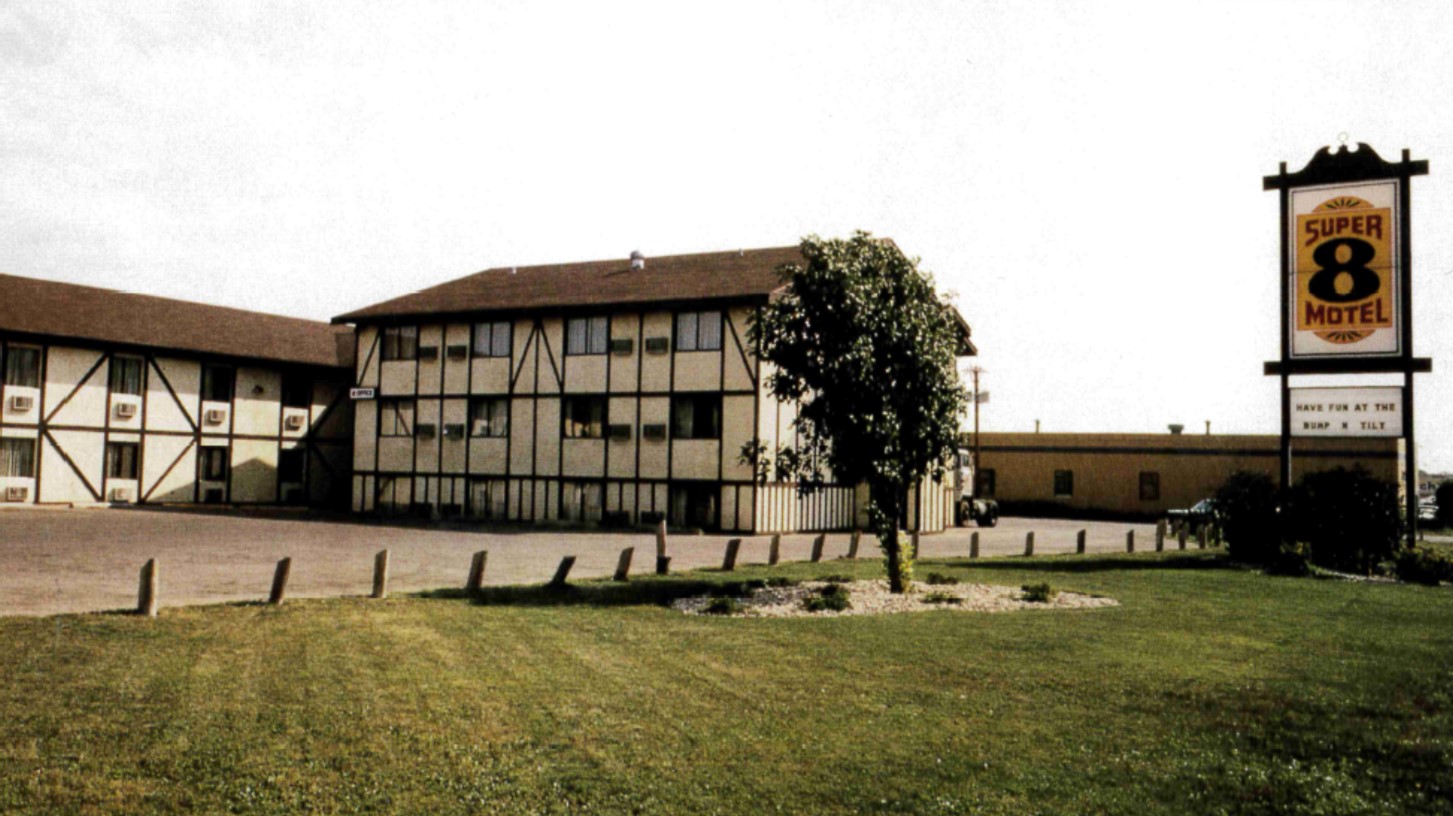
As Super 8 expanded across North America and eventually internationally, its portfolio of properties grew to include locations in various settings – not just along major highways but also in suburban areas and smaller towns. This expansion necessitated a broadening of its operational model. While many properties retained their highway-adjacent, accessible layouts, the brand also began to acquire or develop locations that might have more in common with the traditional hotel structure, particularly in terms of their integration within community infrastructure rather than just being standalone stops.
Modern Classification: The Blurring Lines
Today, the classification of a lodging establishment is less about its physical layout and more about its brand promise, service delivery, and target audience. This is where the distinction between “hotel” and “motel” becomes particularly fuzzy for brands like Super 8.
Super 8’s Current Offerings
Super 8 is owned by Wyndham Hotels & Resorts, one of the largest hotel franchising companies in the world. This association places it within the broader hotel industry umbrella. While the brand still champions its core values of affordability and reliability, its modern properties often feature amenities that were once more exclusive to hotels. These can include:
- Complimentary Breakfast: A standard offering that has become an expectation for many travelers, regardless of the lodging type.
- Free Wi-Fi: Essential for both leisure and business travelers, this is a ubiquitous amenity across most lodging categories today.
- Fitness Centers: Some Super 8 locations are equipped with fitness rooms, a feature more commonly associated with hotels.
- Outdoor Pools: Particularly in warmer climates, pools are a popular amenity that elevates the guest experience.
- Business Centers: For travelers needing to work remotely, some properties offer basic business facilities.
While these amenities might not match the extensive offerings of a full-service luxury hotel, they signify a move beyond the bare-bones service model of historical motels.
The Target Market
Super 8 primarily targets the value-conscious traveler. This includes families on road trips, business travelers seeking cost-effective accommodation, and budget-conscious tourists. The brand aims to provide a clean, safe, and comfortable environment without the premium price tag of mid-scale or upscale hotels. This positioning aligns with a segment of the market that values practicality and affordability, which historically was the domain of motels, but increasingly is also served by select hotel brands.
Conclusion: A Hybrid Identity
So, is Super 8 a hotel or a motel? The most accurate answer is that it occupies a hybrid space, embodying characteristics of both while carving out its own distinct identity.
Bridging the Gap
The brand has successfully evolved from its motel roots to become a recognized player in the economy lodging sector under the umbrella of a major hotel corporation. Its properties may feature the exterior layouts reminiscent of traditional motels, with accessible parking and room entrances, but their internal service standards and amenities are increasingly in line with modern budget hotels. The emphasis remains on providing value and essential comfort for the everyday traveler, whether they are on a cross-country road trip or on a short business excursion.

The Significance of Brand Positioning
In the current hospitality landscape, the labels “hotel” and “motel” have become less about a strict architectural definition and more about brand strategy and customer perception. Super 8, by maintaining its commitment to affordability and accessibility while gradually incorporating more guest-centric amenities, has positioned itself as a reliable and practical choice for a wide range of travelers. It serves as a prime example of how lodging brands adapt to changing traveler needs and market dynamics, effectively bridging the gap between historical distinctions to meet contemporary demands. Therefore, while it might retain some historical motel characteristics, its modern operational framework and brand affiliation firmly place it within the broader hotel industry, specifically within the economy segment, offering a blend of both worlds.
LifeOutOfTheBox is a participant in the Amazon Services LLC Associates Program, an affiliate advertising program designed to provide a means for sites to earn advertising fees by advertising and linking to Amazon.com. Amazon, the Amazon logo, AmazonSupply, and the AmazonSupply logo are trademarks of Amazon.com, Inc. or its affiliates. As an Amazon Associate we earn affiliate commissions from qualifying purchases.