
The question of whether Tampa truly belongs to the coveted region of South Florida is a nuanced one, sparking lively debate among Floridians and visitors alike. While geographically situated on the west coast of the state, Tampa Bay boasts a unique identity shaped by its history, culture, and economic ties. Understanding its place requires a closer look at what defines “South Florida” and how Tampa measures up.
Defining “South Florida”
The concept of “South Florida” is not a strictly defined geographical or political boundary. Instead, it’s largely a cultural and economic designation. Traditionally, this region encompasses the southernmost counties of the state, characterized by a subtropical climate, a significant population of retirees and snowbirds, a strong tourism industry, and a distinct Latin American and Caribbean cultural influence. Cities like Miami, Fort Lauderdale, and West Palm Beach are undeniably considered pillars of this region.
These areas share several key characteristics:
- Climate: Year-round warmth and humidity, with a distinct wet and dry season, are hallmarks of South Florida. While the entire peninsula experiences warm weather, the southern extremes are known for their consistently tropical feel.
- Cultural Melting Pot: South Florida is renowned for its vibrant mix of cultures, particularly those stemming from Cuba, Haiti, and other Latin American and Caribbean nations. This is reflected in its cuisine, music, festivals, and the everyday tapestry of its communities.
- Tourism Hub: The region is a global magnet for tourists, attracted by its renowned beaches, world-class resorts, vibrant nightlife, and diverse attractions. The infrastructure to support this influx is substantial, with major international airports and extensive transportation networks.
- Economic Drivers: Tourism, real estate, international trade, and finance are dominant economic forces in South Florida. The proximity to Latin America also plays a significant role in its economic landscape.
Tampa’s Geographical Placement and Identity
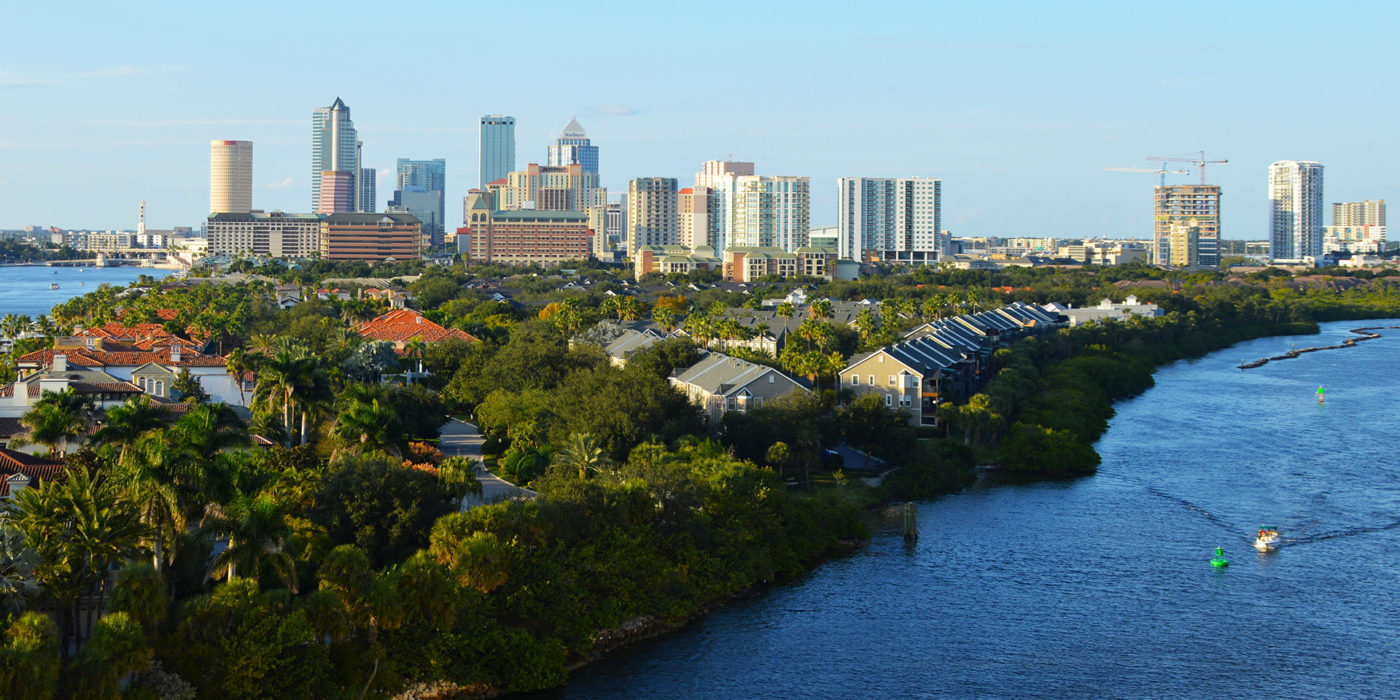
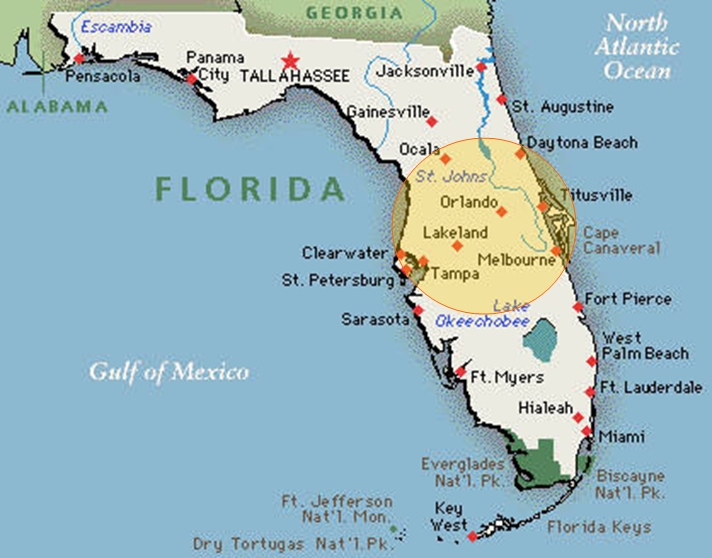
Tampa is situated on the west coast of Florida, within Hillsborough County. Its location on Tampa Bay, an estuary opening to the Gulf of Mexico, gives it a distinct coastal character. Geographically, it’s often grouped with Central Florida or the “Gulf Coast” region, placing it separately from the southeastern tip of the peninsula.
However, proximity and shared characteristics blur these lines:
- Climate Similarities: While Tampa might experience slightly cooler winters and less consistent humidity than extreme South Florida, its climate is still subtropical and conducive to year-round outdoor activities. The weather patterns are largely similar, with warm summers and mild winters.
- Growing Multiculturalism: Tampa has a rich history of immigration, most notably from Italy and Cuba. The iconic Ybor City neighborhood is a testament to its strong Cuban and Italian heritage, featuring vibrant restaurants, cigar shops, and historical landmarks. While the type of cultural influence might differ in origin from Miami’s predominantly Latin American and Caribbean roots, the impact on the city’s character is undeniable and adds to its diverse appeal.
- Economic Connections: Tampa Bay’s economy is increasingly intertwined with the broader Florida economy. Major industries include healthcare, finance, technology, and, of course, tourism. The city serves as a significant hub for business and commerce, attracting companies and talent from across the state and beyond.
- Tourism Appeal: Tampa Bay is a major tourist destination in its own right, drawing visitors to its world-class theme parks like Busch Gardens Tampa Bay, beautiful beaches on Clearwater Beach and St. Pete Beach, a thriving arts and culture scene, and the historic Florida Aquarium.
The “South Florida” Vibe: Does Tampa Measure Up?
When most people think of the “South Florida vibe,” they envision a certain fast-paced, cosmopolitan atmosphere often associated with Miami. This includes a strong emphasis on international trends, a bustling nightlife, and a significant presence of Spanish and Haitian Creole languages in public discourse.
Tampa, while certainly a dynamic and growing city, possesses a different kind of energy. It’s often described as more laid-back than its southeastern counterparts, with a strong sense of community and a more relaxed pace of life. The cultural influences, while diverse, have a distinct flavor rooted in its historical settlement patterns.
However, as Tampa continues to expand and attract new residents and businesses, it is increasingly adopting some of the characteristics associated with South Florida. The development of new urban cores, a burgeoning culinary scene influenced by global flavors, and an increasing influx of visitors seeking a vibrant vacation experience are all contributing to a shifting perception.
Practical Considerations for Travelers
For travelers, the distinction often matters less than the shared Florida experience. Whether one considers Tampa “South Florida” or not, the practicalities of visiting are largely similar.
Travel and Transportation
Both Tampa International Airport and airports in South Florida like Miami International Airport offer extensive domestic and international flight options. Driving is a popular mode of transport, with major highways connecting the different regions of the state. Renting a car is advisable for exploring the wider areas of Tampa Bay or venturing to different parts of South Florida. Public transportation systems vary, with Miami generally having more robust options than Tampa.
Accommodation Options
From luxury resorts on the coast to charming boutique hotels in historic districts, both regions offer a wide array of accommodation. Tampa features prominent hotels such as the Seminole Hard Rock Hotel & Casino Tampa and the Epicurean Hotel, while South Florida is home to world-renowned establishments like the Fontainebleau Miami Beach and The Breakers Palm Beach.
Activities and Attractions
The appeal of Florida lies in its diverse offerings. While South Florida is synonymous with its vibrant nightlife, art deco architecture in Miami Beach, and the unique ecosystem of the Everglades National Park, Tampa provides its own distinct set of attractions. Visitors to Tampa can immerse themselves in the history of Ybor City, enjoy family fun at Busch Gardens, explore the cultural institutions in the Water Street Tampa district, or relax on the beautiful Gulf Coast beaches.
Culinary Experiences
Both regions offer exceptional dining experiences. South Florida is a haven for authentic Cuban cuisine, fresh seafood, and international flavors. Tampa, with its significant Italian and Cuban heritage, is particularly famous for its Cuban sandwiches and pasta dishes. The culinary scene in both areas is constantly evolving, with innovative chefs and diverse food cultures.

Conclusion: A Shared Sunshine State Identity
Ultimately, whether Tampa is officially designated “South Florida” is a matter of perspective and definition. Geographically, it resides in a distinct part of the state. However, in terms of climate, growing cultural diversity, economic connections, and its appeal as a vibrant tourist destination, Tampa Bay shares many of the characteristics that define the broader Florida experience.
For those planning a visit, it’s more beneficial to focus on the unique attractions and experiences each region offers rather than strictly adhering to regional labels. Tampa provides a compelling blend of history, culture, and coastal charm that stands proudly alongside the well-known allure of South Florida, offering a rich and diverse travel experience within the sunshine state.
LifeOutOfTheBox is a participant in the Amazon Services LLC Associates Program, an affiliate advertising program designed to provide a means for sites to earn advertising fees by advertising and linking to Amazon.com. Amazon, the Amazon logo, AmazonSupply, and the AmazonSupply logo are trademarks of Amazon.com, Inc. or its affiliates. As an Amazon Associate we earn affiliate commissions from qualifying purchases.