
When planning a visit to New York, travelers are often preoccupied with logistics: where to find the best slice of pizza, how to navigate the Subway, and which Broadway show to book. However, one of the most common questions for international and domestic tourists alike concerns a fundamental necessity: the safety and quality of the local drinking water. Whether you are wandering through Central Park or exploring the bustling streets of Manhattan, you will find that the city’s water supply is not only safe but often hailed as some of the best in the United States.
The Source of New York City’s Pristine Hydration
To understand why the water in New York City is so highly regarded, one must look at its origins. Unlike many major metropolitan areas that rely on treated groundwater or complex recycling systems, the city sources the vast majority of its water from protected reservoirs located in the Catskill Mountains, the Delaware River watershed, and the Croton Reservoir.
Natural Filtration and Protection
The reason for this exceptional quality lies in the geography and the strict protection of these watersheds. By acquiring and maintaining massive swaths of undeveloped land surrounding these reservoirs, the city prevents agricultural and industrial runoff from contaminating the supply. This proactive approach to environmental stewardship allows the water to remain remarkably pure before it even reaches the treatment facilities.
The Journey to Your Glass
Once the water is collected, it travels through an intricate system of aqueducts and tunnels, such as the Delaware Aqueduct, to reach the city’s distribution network. Upon arrival, it undergoes rigorous disinfection processes to ensure it meets both state and federal safety standards. Because the water is so clean at its source, the city is one of the few in the country that has received a filtration waiver from the Environmental Protection Agency, a testament to the purity of the Catskill supply.
Why Tap Water is the Preferred Choice for Locals
If you spend any time observing locals, you will notice that very few residents carry bottled water. Instead, you will see a culture that embraces the “tap.” In a city known for its fast-paced Lifestyle, the convenience and sustainability of refilling a reusable bottle are woven into the fabric of daily life.
The “NYC Water” Reputation
There is a long-standing urban legend—often jokingly referred to as the secret ingredient in New York bagels and pizza dough—that the city’s tap water provides a unique mineral profile that cannot be replicated elsewhere. While science remains debated on this specific culinary claim, the fact remains that the water is consistently rated as among the safest and most delicious in the nation. It lacks the heavy chlorine taste often found in other major cities, making it highly palatable for visitors.

Environmental Consciousness
Choosing tap water over bottled water is a significant way to reduce your environmental footprint while traveling. With thousands of public water fountains located in parks like Bryant Park and high-traffic transit hubs, finding a place to refill is rarely a challenge. By opting for a reusable bottle, you not only save money—which can be better spent on a meal at Chelsea Market—but you also support the city’s ongoing efforts to reduce single-use plastic waste.
Practical Tips for Staying Hydrated During Your Visit
While the water quality is excellent, there are nuances to navigating water consumption as a tourist. Knowing where to look and how the infrastructure works will make your trip much smoother.
Where to Find Refill Stations
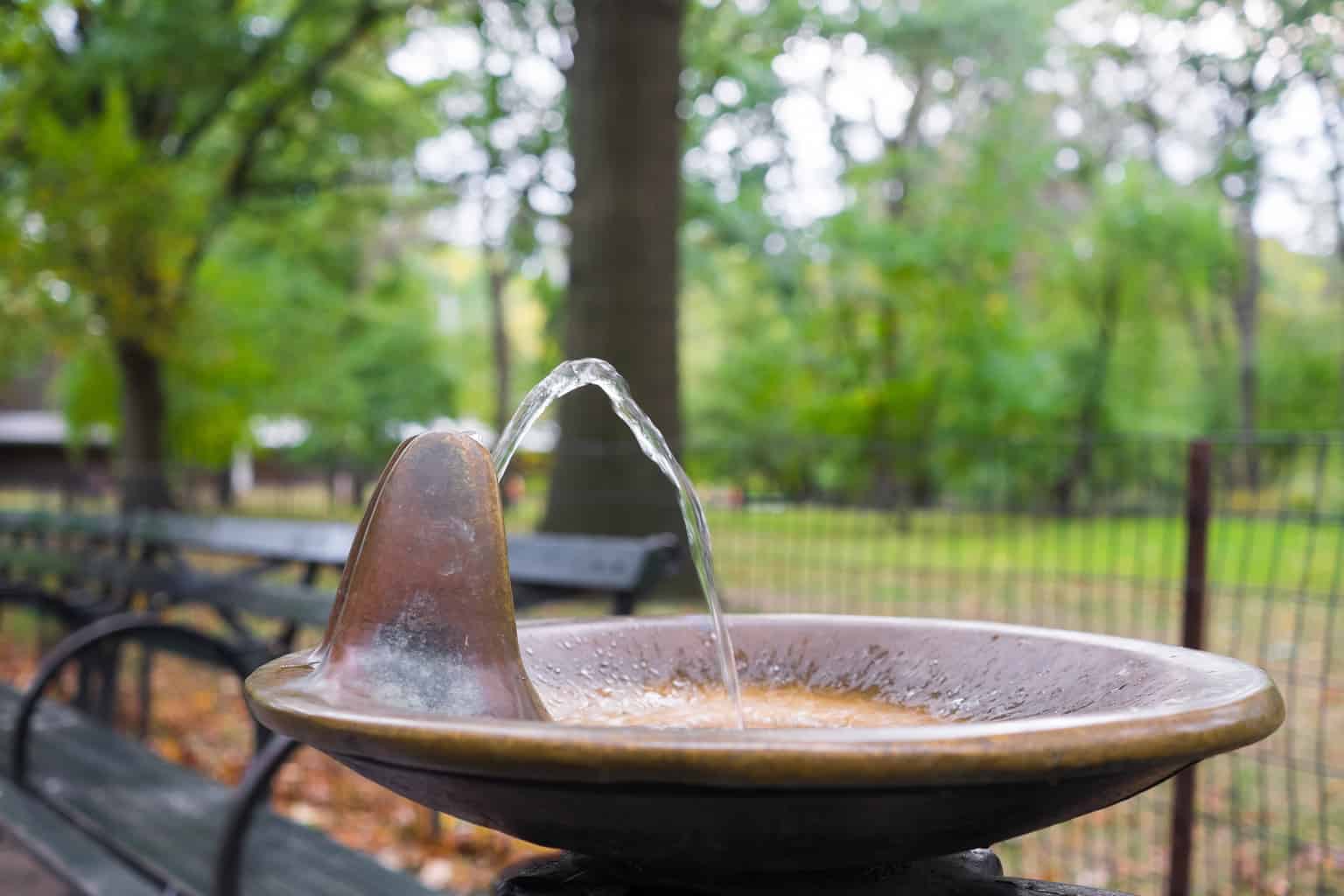
Public drinking fountains, often referred to by locals as “bubblers,” are common in municipal parks and Public Library branches. Additionally, many modern cafes and restaurants throughout Brooklyn and Queens are more than happy to refill a bottle for you if you ask politely. If you are staying in a hotel, it is worth noting that the water from the bathroom tap is just as safe as the water from the kitchen sink.
Understanding Old Infrastructure
One consideration for visitors staying in older New York architecture is the building’s internal plumbing. While the water leaving the municipal mains is pristine, some older buildings may use internal lead piping or aging storage tanks on rooftops. If you are staying in a historic building—perhaps near Times Square or Greenwich Village—and you are particularly sensitive to taste or concerned about aging pipes, you might prefer to use a pitcher with a filter or stick to bottled water for peace of mind. However, for the vast majority of visitors, the municipal supply is perfectly safe for direct consumption.
Hydration on the Go
When you are spending your day walking across the Brooklyn Bridge or touring the Statue of Liberty, staying hydrated is essential. The dry air in the winter and the intense humidity during the summer months can quickly lead to dehydration. Carry a portable, insulated bottle with you. If you are unsure about the quality of the water in a specific location, look for “bottle filling stations,” which are increasingly common in public transportation hubs and updated park facilities.

Conclusion: Drink with Confidence
The question of whether tap water is drinkable in New York has a definitive answer: yes, it is. The city takes great pride in its water quality, which remains a hidden gem of the local infrastructure. From the protected mountain forests of the Hudson Valley to the glass on your hotel nightstand, the journey of your water is monitored, tested, and preserved with extreme care.
For the modern traveler, this means one less thing to worry about. You do not need to factor the cost of bottled water into your daily budget, and you can enjoy the peace of mind that comes with knowing you are consuming one of the highest-quality water supplies in the world. As you navigate the Empire State Building or wander through the Museum of Modern Art, keep your bottle filled and your hydration levels high. By drinking the local water, you are not just staying healthy—you are participating in a quintessential New York City experience that connects you directly to the natural beauty surrounding the greatest city on earth.
LifeOutOfTheBox is a participant in the Amazon Services LLC Associates Program, an affiliate advertising program designed to provide a means for sites to earn advertising fees by advertising and linking to Amazon.com. Amazon, the Amazon logo, AmazonSupply, and the AmazonSupply logo are trademarks of Amazon.com, Inc. or its affiliates. As an Amazon Associate we earn affiliate commissions from qualifying purchases.