
When planning a getaway to the breathtaking islands of Hawaii, travelers often find themselves overwhelmed with logistical questions. Between booking flights to Honolulu and selecting the right Waikiki Beach resort, one fundamental health concern often goes overlooked until the very last minute: the safety of the local drinking water. Whether you are planning a hiking trip through the lush corridors of Kauai or a luxury stay in Maui, understanding the quality of your hydration source is essential for a worry-free vacation.
The Quality and Safety of Municipal Water Supplies
The overwhelming majority of tap water across the Hawaiian Islands is not only safe to drink but is often considered some of the highest-quality water in the United States. This is primarily due to the unique geological makeup of the archipelago.

The Natural Filtration Process
Most of the tap water provided to residents and tourists in major hubs like Oahu originates from deep underground aquifers. As rainwater filters through thousands of feet of porous volcanic rock—specifically basalt—it undergoes a natural, highly effective purification process. This geological phenomenon acts as a massive, natural Brita filter, removing impurities and enriching the water with minerals before it reaches the municipal pumps.
Stringent Testing and Compliance
Public water systems throughout Hawaii are strictly regulated by the Hawaii Department of Health in accordance with the federal Safe Drinking Water Act. Local utility providers, such as the Honolulu Board of Water Supply, conduct rigorous, frequent testing to ensure that levels of contaminants—including bacteria, heavy metals, and chemicals—remain well below the safety thresholds mandated by the Environmental Protection Agency. For those staying in well-established hotels, resorts, or rental properties in Kailua-Kona or Hilo, you can confidently drink from the tap without fear.
Addressing Common Concerns for Travelers
Despite the high standards of water quality, some travelers remain hesitant. This usually stems from a change in taste profile or specific localized issues that occur in isolated infrastructure environments.
Why the Taste Might Differ
If you are used to the taste of water on the mainland, you might notice a slight difference in Hawaii. Because the water is sourced from volcanic aquifers, it may have a slightly different mineral profile. In some instances, municipal water systems use the standard, safe levels of chlorine to prevent microbial growth in the distribution pipes. If you are sensitive to the taste of chlorine, a simple pitcher with a charcoal filter or a reusable bottle with a built-in filter is more than sufficient to neutralize the flavor.

Infrastructure and Older Plumbing
While the water leaving the treatment plant is clean, the pipes in older buildings can sometimes affect the quality at the tap. If you are staying in an older, historic cottage or a legacy vacation rental in Lahaina, it is possible—though rare—for there to be trace amounts of lead or iron from aged interior plumbing. If the water appears discolored upon first turning on the faucet, let it run for 30 to 60 seconds. If the issue persists, inform the property management or hotel staff immediately.
Hydration Safety During Outdoor Adventures
While municipal water is safe, the rules change drastically once you step away from the urban centers and into the wild landscapes of Hawaii.
Avoiding Stream and Well Water
If you are embarking on a hike to Waimea Canyon or exploring the hidden trails of the Hana Highway, you might be tempted to drink from a clear mountain stream. Do not do this. Even the most pristine-looking waterfalls and streams in Hawaii can carry Leptospirosis, a bacterial disease caused by the urine of infected animals like feral pigs or rodents. Symptoms can be severe and may require medical intervention.
Essential Gear for Hikers
If you plan on venturing deep into the Haleakala National Park or other remote areas where carrying enough water for a full day is difficult, you must bring a portable water purification system. Reliable options include:
- UV Light Purifiers: Highly effective at neutralizing viruses and bacteria.
- Hollow-Fiber Membrane Filters: These are lightweight, portable, and excellent for filtering out protozoa and bacteria found in stagnant or flowing backcountry water.
- Iodine Tablets: A reliable backup, though they may leave an aftertaste.
Sustainability and Environmental Stewardship
Choosing to drink tap water in Hawaii is not just a health-conscious decision; it is an environmentally responsible one.
The Problem with Single-Use Plastics
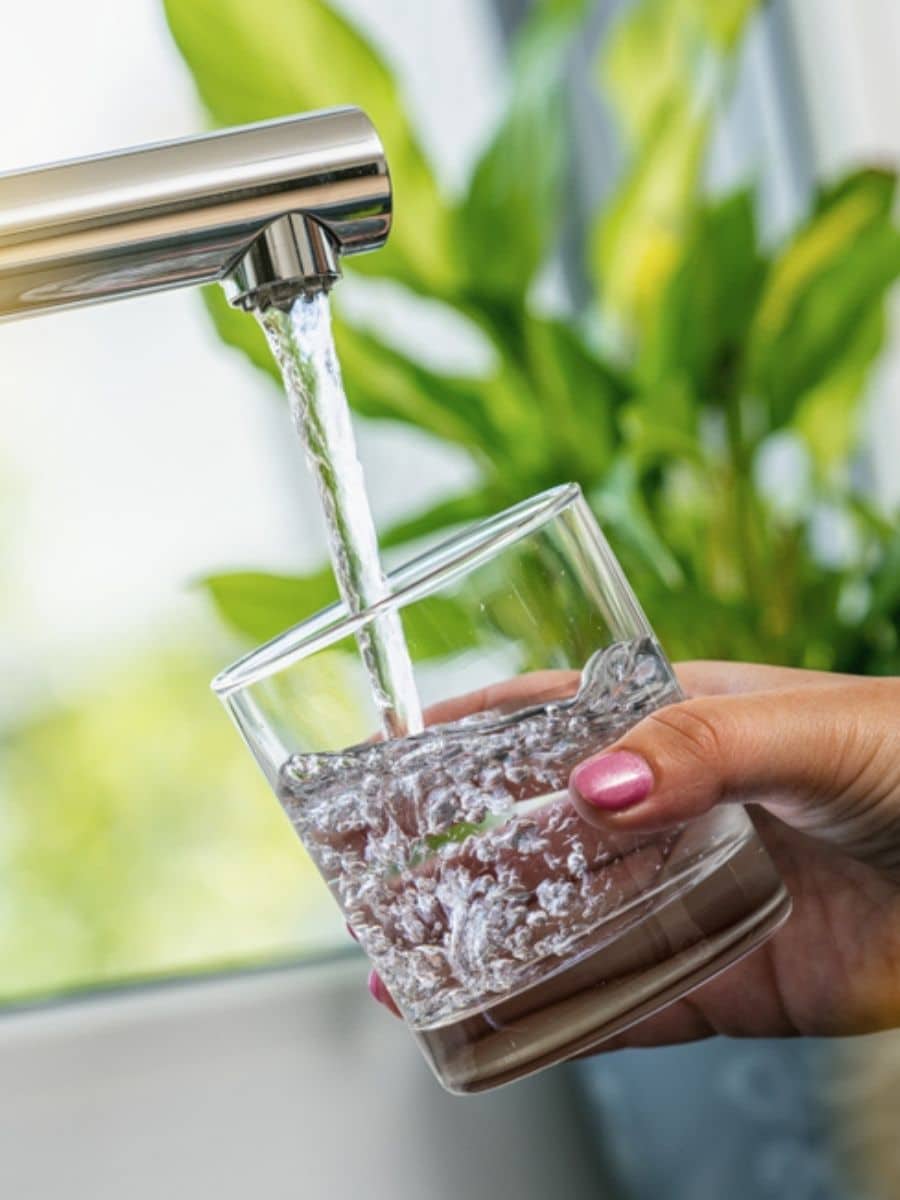
Hawaii has made significant strides in protecting its marine ecosystems from plastic pollution. When visitors arrive and immediately purchase crates of bottled water, they contribute to the massive waste management challenge faced by island communities. By utilizing the safe, high-quality tap water, you help protect the delicate reefs near Molokai and Lanai from the influx of single-use plastic bottles.
Best Practices for Responsible Tourism
- Bring a Reusable Bottle: Pack a high-quality, insulated stainless steel bottle. Many airports and modern hotels now feature bottle-filling stations.
- Support Local Businesses: Instead of buying bottled water at a grocery store, support local cafes and businesses that offer filtered water refills.
- Respect the Land: By minimizing your plastic footprint, you are directly participating in the preservation of the Aloha spirit and the protection of the fragile island ecosystem for future generations.
In summary, for the vast majority of your trip—whether you are lounging at a resort in Kapalua or visiting historical sites in Pearl Harbor—the tap water is perfectly safe and delicious. The aquifers provide a natural, mineral-rich source that sustains the local population, and as long as you exercise caution regarding untreated surface water during your outdoor excursions, you can enjoy your hydration without a second thought. Embrace the convenience of Hawaii’s infrastructure, keep your reusable bottle topped up, and focus your energy on enjoying the incomparable beauty of the islands.
LifeOutOfTheBox is a participant in the Amazon Services LLC Associates Program, an affiliate advertising program designed to provide a means for sites to earn advertising fees by advertising and linking to Amazon.com. Amazon, the Amazon logo, AmazonSupply, and the AmazonSupply logo are trademarks of Amazon.com, Inc. or its affiliates. As an Amazon Associate we earn affiliate commissions from qualifying purchases.