
When planning a trip to the sprawling metropolis of Los Angeles, one of the most fundamental questions for any traveler is about the local water supply. Concerns about water quality can range from taste to potential health implications, and for a city as diverse and populous as Los Angeles, this is a valid inquiry. Fortunately, for visitors and residents alike, the tap water in Los Angeles is generally considered safe and is a widely accepted source of hydration. However, understanding the journey of this water, the regulations governing it, and what contributes to its quality can provide peace of mind and a more informed travel experience.

The Source and Journey of Los Angeles Tap Water
The water that flows from the taps in Los Angeles is a complex system, drawing from multiple sources to meet the vast demand of the region. The primary suppliers are the Los Angeles Department of Water and Power (LADWP) and the Metropolitan Water District of Southern California (MWD). These agencies manage an intricate network of aqueducts, reservoirs, and treatment facilities to deliver potable water throughout the city.
Major Water Sources
The LADWP sources its water from three main areas:
- The Los Angeles Aqueduct: This historic system, a monumental feat of engineering, brings water from the Owens Valley in the Eastern Sierra Nevada mountains. It was crucial in the early development of Los Angeles and continues to be a significant contributor.
- The Colorado River Aqueduct: Managed by the MWD, this aqueduct transports water from the drought-prone Colorado River. While a vital resource, its availability is subject to regional water conditions and interstate agreements.
- Local Groundwater: The city also relies on its groundwater basins, which are recharged through various means, including imported water and local rainfall.
Water Treatment and Purification
Before reaching your hotel room or a restaurant’s water glass, the water undergoes rigorous treatment processes. This is a critical step in ensuring its safety.
- Filtration: Raw water from the various sources is first filtered to remove suspended particles, sediment, and other debris. This often involves passing the water through layers of sand, gravel, and charcoal.
- Disinfection: To kill harmful bacteria, viruses, and other microorganisms, disinfectants such as chlorine or chloramines are added. This is a standard practice in municipal water systems worldwide and is essential for public health.
- pH Adjustment: The pH of the water is often adjusted to make it less corrosive to pipes and to optimize the effectiveness of other treatment processes.
- Advanced Treatment: Depending on the source water quality, additional advanced treatment methods may be employed, such as ozonation or activated carbon filtration, to remove specific contaminants.
The goal of these processes is to meet or exceed the stringent standards set by federal and state agencies, ensuring that the water is not only safe but also palatable.
Regulatory Oversight and Water Quality Standards
The safety of tap water in the United States is overseen by a robust regulatory framework, and Los Angeles is no exception. The primary governing body is the U.S. Environmental Protection Agency (EPA), which sets national standards for drinking water quality under the Safe Drinking Water Act. In California, the State Water Resources Control Board, Division of Drinking Water, enforces these standards and often implements even stricter requirements.
Monitoring and Testing
Water utilities, including the LADWP, are mandated to conduct regular and comprehensive testing of their water supply. This involves sampling at various points in the system, from the source to the distribution network, and analyzing for a wide range of potential contaminants. These tests look for:
- Microbiological Contaminants: Such as E. coli and coliform bacteria, which can indicate the presence of disease-causing pathogens.
- Disinfection Byproducts: Formed when disinfectants react with organic matter in the water.
- Inorganic Chemicals: Including heavy metals like lead and copper, as well as nitrates and fluoride.
- Organic Chemicals: Such as pesticides and volatile organic compounds.
- Radionuclides: Naturally occurring radioactive elements.
The results of these tests are used to ensure that the water consistently meets all established safe drinking water standards.
Consumer Confidence Reports
A key aspect of transparency in the water industry is the Consumer Confidence Report (CCR), also known as a Water Quality Report. Utilities are required to publish these annual reports, which detail the sources of the water, the detected contaminants, and the potential health effects of those contaminants. Travelers can often find these reports on the utility’s website, providing detailed insights into the local water quality. The LADWP publishes its own annual water quality report, offering a comprehensive overview for consumers.
What About Taste and Other Considerations?
While safety is paramount, travelers often have questions about the taste and other sensory aspects of tap water. The taste of tap water can vary significantly due to several factors, including:
- Source Water Composition: Water drawn from different geographical regions will have varying mineral content and dissolved solids, affecting its flavor.
- Treatment Processes: The disinfectants used, particularly chlorine, can impart a distinct taste or smell. While chlorine is effective in killing microbes, some find its taste unpleasant.
- Distribution System: The age and material of the pipes in the distribution network can also influence taste. For example, older pipes might contribute metallic notes.
In Los Angeles, the taste of tap water can vary slightly depending on the specific service area and the dominant water source at any given time. Many residents and visitors find the taste acceptable, while others may prefer filtered water or bottled water for a more neutral flavor profile.
Specific Concerns and Common Myths
- Fluoride: Tap water in Los Angeles is fluoridated as a public health measure to prevent tooth decay. While beneficial for dental health, some individuals prefer to avoid fluoridated water. Water filters designed for home or travel can often remove fluoride if this is a personal preference.
- Lead: Concerns about lead in drinking water often stem from issues with old plumbing in individual buildings, rather than the municipal water supply itself. The LADWP actively monitors for lead and copper and provides guidance on reducing exposure, particularly in older homes and buildings where lead pipes or solder might be present. If you are staying in a historic hotel or an older rental property, running the tap for a minute before use can help flush out any potential accumulated lead.
- “Hardness” of Water: The mineral content, particularly calcium and magnesium, determines water hardness. Los Angeles water is generally considered moderately hard, which is not a health concern but can affect how soap lathers and contribute to scale buildup in appliances.
Making an Informed Choice During Your Visit
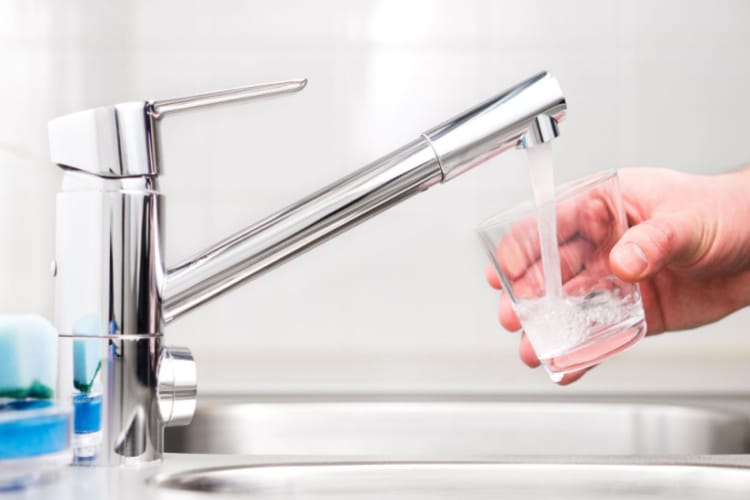
For travelers to Los Angeles, the tap water is a safe and readily available option for hydration. It is regularly tested and treated to meet rigorous standards.
Practical Tips for Travelers
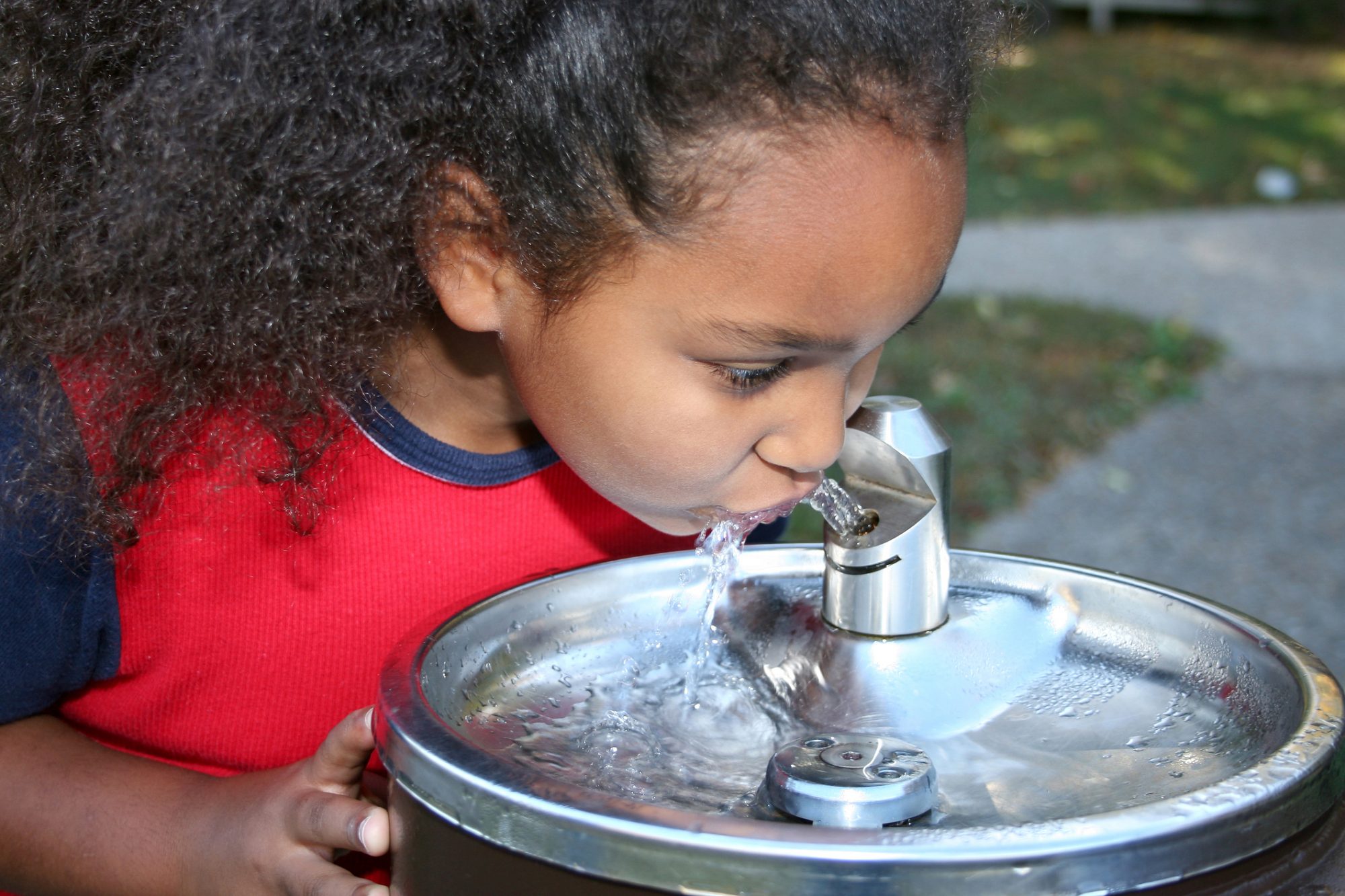
- Use Your Reusable Water Bottle: Staying hydrated is key, especially when exploring attractions like Griffith Observatory or walking along Santa Monica Pier. Carrying a reusable water bottle and refilling it from the tap is an economical and environmentally friendly choice. Most hotels and public spaces offer water fountains or allow refills.
- Consider a Water Filter: If you are particularly sensitive to the taste of tap water or have specific health concerns, consider bringing a portable water filter or purchasing bottled water. Many restaurants will also offer filtered water upon request.
- Consult Water Quality Reports: For those who want in-depth information, the LADWP water quality reports are publicly accessible online.
- Ask Your Hotel: If you have any specific concerns about the water quality in your accommodation, don’t hesitate to ask the hotel staff. They can often provide information about their plumbing or any in-room filtration systems.
In conclusion, while the taste preferences can be subjective, the safety of Los Angeles tap water is backed by robust regulations, extensive testing, and sophisticated treatment processes. Travelers can feel confident in using it as their primary source of hydration while enjoying all that this vibrant city has to offer.
LifeOutOfTheBox is a participant in the Amazon Services LLC Associates Program, an affiliate advertising program designed to provide a means for sites to earn advertising fees by advertising and linking to Amazon.com. Amazon, the Amazon logo, AmazonSupply, and the AmazonSupply logo are trademarks of Amazon.com, Inc. or its affiliates. As an Amazon Associate we earn affiliate commissions from qualifying purchases.