
As a vibrant metropolis known for its sun-drenched beaches, pulsating nightlife, and diverse cultural tapestry, Miami attracts millions of visitors annually. While planning a trip to this South Florida jewel, practical concerns often arise, such as accommodation, dining, and transportation. However, one fundamental aspect that can significantly impact a traveler’s experience – and health – is the safety of the local tap water. This article delves into the quality of Miami’s tap water, providing insights for travelers to make informed decisions.
Understanding Miami-Dade Water and Sewer Department’s Role
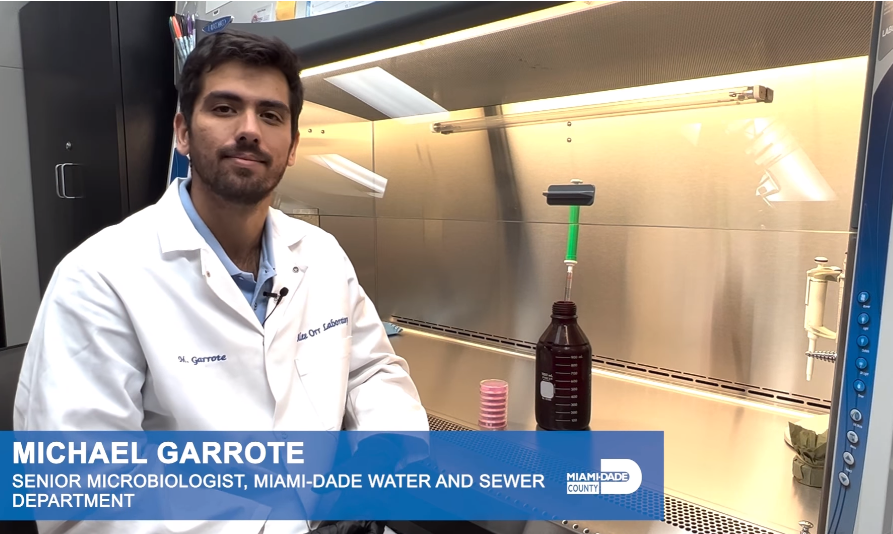
The primary authority responsible for supplying potable water to the Miami metropolitan area is the Miami-Dade Water and Sewer Department (MDWASD). As one of the largest water and sewer utilities in the United States, MDWASD serves a vast population across Miami-Dade County. Their mission is to provide safe, reliable, and high-quality drinking water to all its customers.
Water Source and Treatment Processes
The water supplied by MDWASD originates primarily from the Floridan Aquifer, a massive underground source of freshwater. This aquifer is known for its relatively pure water, which undergoes a multi-stage treatment process to ensure it meets stringent federal and state drinking water standards. These standards are set by the Environmental Protection Agency (EPA) under the Safe Drinking Water Act.
The treatment process typically involves:
- Disinfection: Chlorine or chloramines are used to kill harmful bacteria and viruses, preventing waterborne diseases.
- Corrosion Control: Chemicals are added to make the water less corrosive, which helps to prevent lead and copper from leaching into the water from pipes.
- pH Adjustment: The acidity or alkalinity of the water is adjusted to optimal levels for both public health and to prevent pipe damage.
- Filtration: While the aquifer water is generally clean, further filtration may be employed to remove any suspended particles.
Adherence to Regulatory Standards
MDWASD consistently adheres to and often exceeds the standards set by the EPA. The department conducts regular testing and monitoring of its water supply at various points from the source to the tap. These tests analyze for a wide range of potential contaminants, including bacteria, viruses, heavy metals, and synthetic organic chemicals. The results of these tests are compiled into annual water quality reports, often referred to as Consumer Confidence Reports, which are publicly available. These reports provide a transparent overview of the water’s safety and the department’s performance.
What Travelers Need to Know About Tap Water in Miami
For the average traveler, the question of whether to drink tap water in Miami boils down to a balance of safety, taste, and convenience. Based on the rigorous standards and treatment processes in place, the tap water in Miami is generally considered safe to drink.
Safety and Purity
The MDWASD’s commitment to public health means that the water undergoes comprehensive treatment to remove pathogens and contaminants. Travelers can generally be assured that the water flowing from their hotel faucet or a public drinking fountain in Miami has met all regulatory requirements for safety. The water supply is regularly tested to ensure it is free from harmful microorganisms and chemical pollutants.
Taste and Odor Considerations
While safety is paramount, the palatability of tap water can be subjective. Some individuals may find the taste or odor of tap water in Miami to be different from what they are accustomed to. This can be due to the presence of chlorine, which is used as a disinfectant, or natural mineral content in the water. For travelers who are sensitive to the taste of tap water, there are simple solutions.
Recommendations for Travelers
Given the safety profile, here are some recommendations for travelers regarding tap water in Miami:
- Drink Directly from the Tap: For most travelers, drinking tap water directly from the faucet in hotels, restaurants, and public spaces is perfectly safe and advisable. This is not only the most economical option but also the most environmentally friendly, reducing plastic waste from bottled water.
- Consider a Water Filter Pitcher: If you are particularly sensitive to the taste or odor of tap water, bringing a personal water filter pitcher or a faucet filter can significantly improve the taste. Many hotels and vacation rentals are amenable to guests using such devices.
- Request Filtered Water: In restaurants, it is common practice to serve bottled water by default. If you prefer tap water, you can simply ask for it. Many establishments are happy to provide it.
- Stay Hydrated: Miami is a warm and humid climate, so staying well-hydrated is crucial, regardless of your water source. Tap water is an excellent and readily available option for this.
- Check Annual Water Quality Reports: For those who want the most detailed information, MDWASD’s annual Consumer Confidence Reports are a valuable resource. These can usually be found on their official website.
Potential Concerns and How They Are Addressed
While tap water in Miami is generally safe, it is important to acknowledge that no water system is entirely without potential issues. Travelers should be aware of common concerns and how they are managed.
Aging Infrastructure and Lead Contamination
One concern often raised about municipal water systems is the potential for lead contamination, particularly in older cities with aging infrastructure. Lead can leach into drinking water from lead pipes or solder used in plumbing. In Miami, MDWASD actively works to address this through corrosion control measures. They also conduct regular testing, especially in areas with older infrastructure, and have programs in place to identify and replace lead service lines where necessary. Most newer buildings and plumbing systems in Miami are constructed with lead-free materials.
Localized Issues and Advisories
Occasionally, localized issues can arise within any water system, such as temporary disruptions due to maintenance, leaks, or unforeseen contamination events. When such events occur, MDWASD issues public advisories and boil water notices as necessary. These advisories are communicated through local media, official websites, and emergency alert systems. Travelers should remain aware of any such official announcements during their stay.
Traveler’s Diarrhea and Water Consumption
Traveler’s diarrhea is a common ailment for tourists worldwide, often caused by consuming food or water contaminated with bacteria, viruses, or parasites. While the risk from properly treated tap water in Miami is low, other sources of food and drink can pose a higher risk if not handled hygienically. Practicing good hand hygiene and being mindful of food preparation practices can further mitigate the risk of gastrointestinal issues.
Making the Most of Your Miami Visit
Understanding the safety of tap water is a small but important detail that contributes to a smooth and enjoyable travel experience in Miami. By relying on the diligent efforts of the Miami-Dade Water and Sewer Department and taking simple precautions, travelers can confidently stay hydrated without undue concern.
Embracing Sustainable Travel
Choosing to drink tap water over bottled water aligns with sustainable travel practices. It significantly reduces plastic waste, a growing environmental concern, especially in popular tourist destinations. By opting for tap water, travelers contribute to a cleaner and more environmentally responsible Miami.
Beyond the Tap: Other Hydration Options
While tap water is a safe and recommended option, Miami offers various other ways to stay hydrated:
- Public Drinking Fountains: Many parks, beaches, and public spaces in Miami are equipped with drinking fountains.
- Resorts and Hotels: Most accommodations provide filtered water dispensers or readily available tap water upon request. Some luxury resorts like the Fontainebleau Miami Beach or the Faena Hotel Miami Beach may offer enhanced water services.
- Restaurants and Cafes: As mentioned, you can always ask for tap water at dining establishments.
- Reusable Water Bottles: Carrying a reusable water bottle is a convenient way to refill throughout the day from safe sources, whether it’s a hotel tap or a public fountain.
In conclusion, for the vast majority of travelers, the tap water in Miami is a safe, reliable, and responsible choice. The Miami-Dade Water and Sewer Department employs robust treatment and monitoring processes to ensure that the water supplied meets all necessary health and safety standards. By making informed decisions, travelers can focus on enjoying the many attractions and experiences that Miami has to offer, from the art deco architecture of South Beach to the vibrant cultural scene in Little Havana.
LifeOutOfTheBox is a participant in the Amazon Services LLC Associates Program, an affiliate advertising program designed to provide a means for sites to earn advertising fees by advertising and linking to Amazon.com. Amazon, the Amazon logo, AmazonSupply, and the AmazonSupply logo are trademarks of Amazon.com, Inc. or its affiliates. As an Amazon Associate we earn affiliate commissions from qualifying purchases.