
For travelers exploring the diverse landscapes and vibrant cities of the Lone Star State, understanding local laws is an essential part of responsible tourism. While planning itineraries around Austin‘s live music scene, savoring barbecue in Dallas, or delving into the rich history of San Antonio, an often-overlooked aspect of personal conduct involves the legalities of recording conversations. In an age where smartphones are ubiquitous and documenting experiences, from hotel check-ins to guided tours, has become second nature, the question “Is Texas a one-party recording state?” is more pertinent than ever. This article will demystify the legal framework surrounding audio recordings in Texas, providing clarity for visitors, content creators, and anyone seeking to navigate their journey through this magnificent state with confidence and respect for local regulations. Understanding these nuances isn’t just about avoiding legal pitfalls; it’s about fostering ethical interactions and contributing to a positive experience for both residents and guests.
Understanding Recording Laws Across the United States
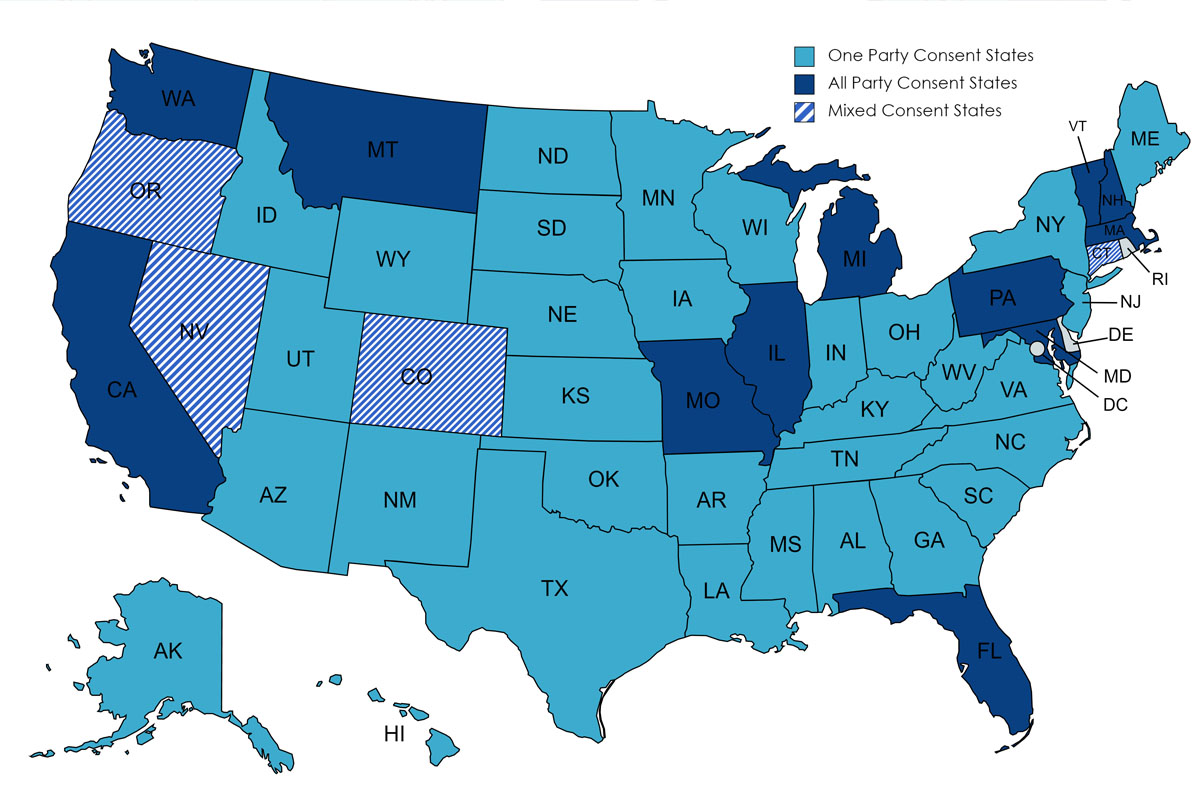
Before diving into the specifics of Texas, it’s helpful to grasp the broader legal landscape of recording conversations within the United States. Laws concerning the recording of phone calls and in-person conversations vary significantly from state to state, primarily falling into two main categories: one-party consent and all-party (or two-party) consent. These distinctions are crucial, as they dictate who needs to be aware of and agree to a conversation being recorded for that recording to be considered legal. Misunderstanding these rules can lead to serious legal consequences, including fines and imprisonment, even for seemingly innocuous recordings made during travel.
Unveiling the All-Party Consent Standard
In states that adhere to the all-party consent standard, generally referred to as “two-party consent” states, every participant in a conversation must give their explicit permission for the conversation to be legally recorded. This means if you are speaking with someone, and you wish to record the interaction, you must inform them of your intention to record, and they must agree to it. Failing to do so can render the recording inadmissible in court and could lead to civil or criminal penalties. This standard is designed to protect individual privacy and ensure that conversations are not covertly captured, preventing potential misuse or misrepresentation of spoken words. For instance, in a two-party consent state, recording a discussion with a hotel manager about a booking issue or capturing a conversation with a tour guide about historical facts without their knowledge would be illegal. Such states prioritize the expectation of privacy in spoken communication, making it imperative for travelers to be aware of and respect these stricter regulations if their travels take them outside of one-party consent jurisdictions.
The Simplicity of One-Party Consent
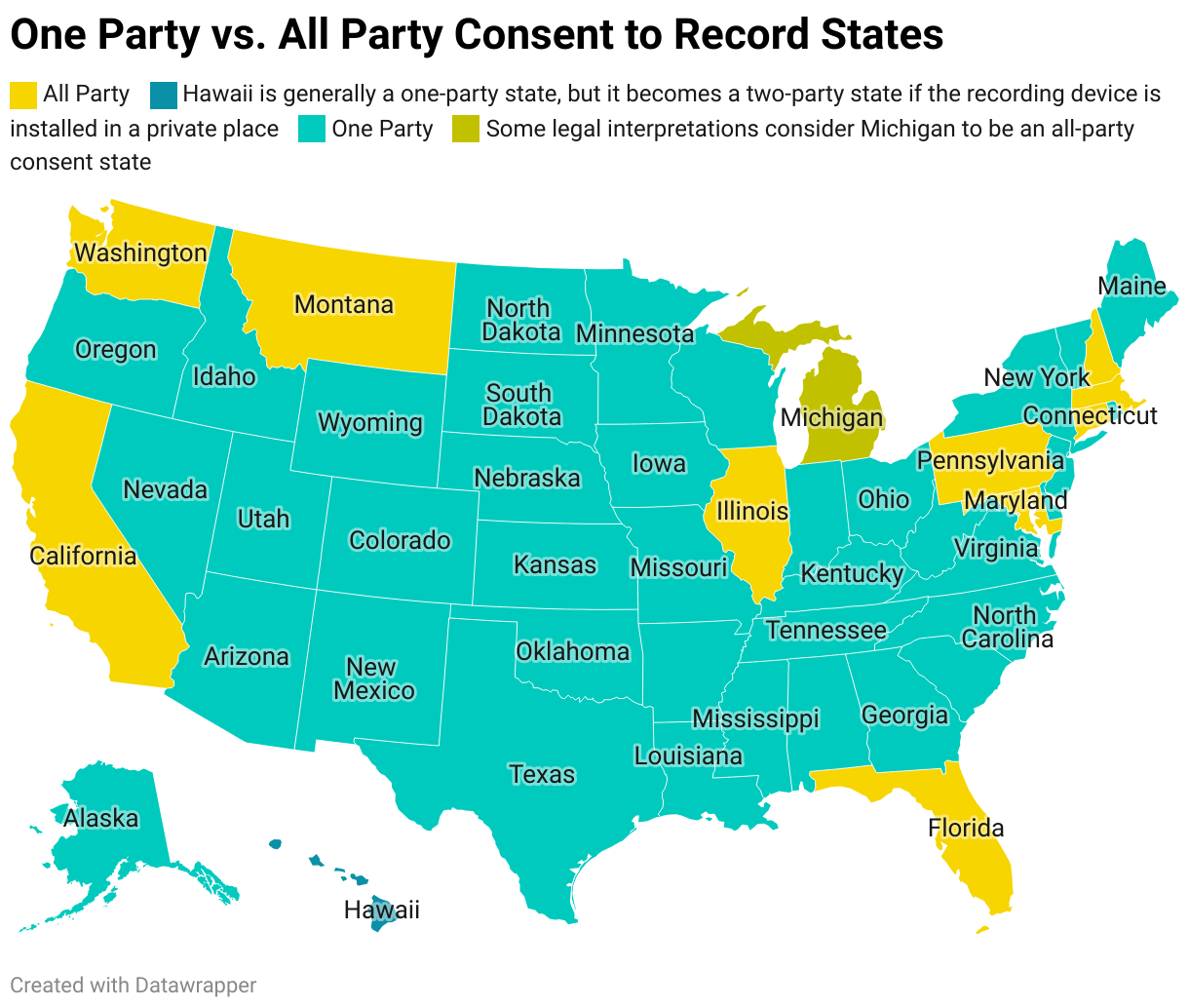
Conversely, one-party consent states operate under a more permissive legal framework. In these jurisdictions, only one person involved in a conversation needs to be aware of and consent to the recording for it to be legal. This “one party” can be the person doing the recording themselves. Essentially, if you are a participant in a conversation, you are legally permitted to record that conversation without informing or seeking permission from the other parties involved. This standard simplifies the process of documenting interactions, providing individuals with the ability to record conversations for various purposes, such as personal record-keeping, factual verification, or in situations where they might feel a need to protect themselves. This system strikes a balance, acknowledging that a participant in a conversation always knows they are speaking, and if they choose to record that for their own purposes, it does not infringe on anyone else’s reasonable expectation of privacy to an unlawful degree. For travelers, understanding this distinction is key to knowing their rights and responsibilities when capturing audio in different parts of the United States.

Texas and Recording Conversations: The Definitive Answer
Having explored the general landscape, we can now definitively address the central question: Is Texas a one-party recording state? The answer is a resounding yes. Under Texas law, specifically within its Penal Code, individuals are legally permitted to record a conversation as long as they are a party to that conversation or have obtained consent from at least one party involved in the conversation. This means that if you are participating in a dialogue, whether it’s an in-person discussion or a phone call, you can record it without needing to inform or seek permission from the other individual(s) involved. This legal stance significantly impacts how visitors and residents alike can document their interactions and experiences across the state, from bustling city centers to serene natural landmarks like Big Bend National Park.
Texas Penal Code and Electronic Communication
The relevant statute governing electronic communication and interception in Texas is found primarily in Chapter 16 of the Texas Penal Code, specifically addressing the “Unlawful Interception, Use, or Disclosure of Wire, Oral, or Electronic Communications.” While the legal language can be complex, the core principle is clear: it is illegal to intercept or record an “oral communication” where the parties involved have an expectation that the communication is not subject to interception, unless one of the parties to the communication has given prior consent to such interception.
This key phrase, “one of the parties to the communication has given prior consent,” is what establishes Texas as a one-party consent state for recording purposes. This applies equally to private phone calls and in-person conversations. The intent behind this law is not to encourage surreptitious recordings but to allow individuals to protect themselves or document important interactions, such as those related to business dealings, personal safety, or resolving disputes. It’s vital to distinguish this from recordings where no party to the conversation has given consent, which would be illegal. For instance, placing a hidden recording device in a room to capture conversations you are not a part of would be a clear violation of Texas law, as you are not a party to those communications and have not obtained consent from any participant.
Implications for Travelers and Tourists
For those visiting Texas, the one-party consent rule has practical implications across various travel scenarios. Whether you’re checking into the Lone Star Grand Resort in Houston, negotiating a better room rate at the Hotel Indigo Austin Downtown, or asking detailed questions during a guided tour with Texas Trails Adventure Tours, you are legally permitted to record these conversations without informing the other party, assuming you are an active participant in the discussion.
This can be particularly useful for several reasons relevant to tourism and lifestyle:
- Documentation: Recording details about bookings, tour schedules, or rental agreements can serve as a personal record, helping to clarify misunderstandings or confirm promises made.
- Safety and Security: In situations where a traveler feels unsafe or wishes to document an encounter for security purposes, having the legal right to record can be a valuable tool.
- Content Creation: Travel bloggers, vloggers, and content creators often engage with locals, tour guides, and business owners. While consent is always ethically recommended for public sharing, the one-party rule means that for personal recording, the legal hurdle is lower.
- Customer Service Disputes: Should a disagreement arise with a service provider, such as a hotel, airline, or restaurant, having a recorded conversation can provide objective evidence of what was discussed, aiding in resolution.
However, it is crucial to remember that while legal, the ethical considerations of recording others, especially service staff, remain paramount. Just because something is legal doesn’t always make it appropriate or respectful.
Navigating Privacy in the Lone Star State: Practical Advice for Visitors
While Texas law permits one-party consent recording, navigating the complexities of privacy and public interaction requires more than just knowing the legal minimum. For visitors, especially those documenting their travels, a thoughtful approach to recording ensures respectful engagement and avoids potential social awkwardness or misunderstandings. The goal is to capture memories and information responsibly, enhancing your trip rather than detracting from it.
Recording in Public vs. Private Settings
The distinction between public and private settings is fundamental to understanding recording etiquette, even in a one-party consent state like Texas.
- Public Spaces: Generally, in public spaces such as streets, parks, public squares like those around the Alamo or the Sixth Floor Museum, and publicly accessible areas of commercial establishments (e.g., hotel lobbies, restaurant dining areas), individuals generally have a reduced expectation of privacy. You can typically record video and audio of events and people around you without explicit consent, as long as you are not harassing anyone, interfering with private activities, or breaking other laws. This includes capturing the ambiance of the River Walk in San Antonio or a street performance in Austin. However, it’s always advisable to be mindful of those who might feel uncomfortable being on camera and to respect requests to be excluded.
- Private Settings and Conversations: When it comes to private conversations, as established, Texas allows one-party consent recording. This applies to discussions you are part of, whether in a private room, over the phone, or in a semi-private setting like a consultation. However, simply being in a private area does not automatically give you the right to record others’ conversations that you are not part of. For instance, you cannot secretly record a conversation between two hotel guests in an adjacent room or a private discussion between hotel staff. The “expectation of privacy” still holds weight. Moreover, many private businesses, including hotels and resorts, may have their own policies regarding photography and videography on their premises, which visitors are expected to respect. Always look for signage or inquire with staff if you are unsure about a specific venue’s rules.
Best Practices for Ethical Travel Vlogging and Content Creation
For travel enthusiasts, bloggers, and vloggers, content creation is often a core part of the travel experience. While the legal aspect in Texas is straightforward regarding one-party consent, ethical considerations should guide your actions, particularly when sharing content publicly.
- Always Seek Consent for Public Facing Content: Even if not legally required in a one-party state, it is best practice to ask for permission before recording individuals for vlogs, social media posts, or any content that will be widely distributed. A simple “Do you mind if I record this?” or “Can I include you in my video?” goes a long way in building rapport and respecting personal boundaries. Most people are happy to participate if asked politely.
- Focus on the Experience, Not Just People: When filming in public, try to focus on the general atmosphere, landmarks, and broader scenes rather than individual faces, unless you have obtained consent. This respects the privacy of others while still allowing you to capture the essence of your travel.
- Be Transparent: If you are recording a service interaction for personal documentation (e.g., a dispute with a rental car company), while not legally obligated to inform them, sometimes transparency can de-escalate a situation or ensure clarity from the outset.
- Respect “No” or Discomfort: If someone declines to be recorded or visibly expresses discomfort, immediately stop recording them. Your travel experience should not come at the expense of someone else’s peace or privacy.
- Review and Edit Carefully: Before publishing, review your footage. Are there unintentional captures of private moments? Have you inadvertently included someone who clearly didn’t want to be on camera? Ethical editing ensures your content is not only compelling but also respectful.
- Familiarize Yourself with Platform Policies: Social media platforms often have their own community guidelines regarding privacy and consent, which may be stricter than local laws. Adhering to these is crucial for maintaining your online presence.
By adopting these best practices, travelers in Texas can confidently document their journeys, create engaging content, and interact respectfully with the vibrant communities they encounter.
Beyond the Legalities: Cultivating Respectful Interactions in Texas
While the legal framework in Texas provides clear guidelines on recording conversations, a truly enriching travel experience extends beyond mere compliance. It involves cultivating respectful interactions, understanding local etiquette, and appreciating the cultural nuances that make the Lone Star State unique. Ethical considerations, empathy, and good judgment are paramount, transforming a simple visit into a memorable and meaningful journey for all involved.
Hotel Stays and Guest Expectations
When staying at hotels, resorts, or other accommodations in Texas, travelers often interact with staff regarding check-ins, amenities, special requests, or even complaints. While the one-party consent law allows you to record these conversations, the context of a guest-service provider relationship calls for a higher degree of consideration.
- Professionalism and Trust: Hotel staff, whether at a luxury establishment like the Lone Star Grand Resort or a boutique hotel like the Hotel Indigo Austin Downtown, are there to assist you. Covertly recording them, even if legal, can erode trust and create an uncomfortable atmosphere. If you feel the need to record a conversation for clarity or dispute resolution, consider politely informing the staff member. This open approach can often lead to a quicker and more amicable resolution, as it signals your intent for transparency.
- Privacy of Other Guests: Be extremely cautious about recording in common areas of hotels, such as lobbies, pools, or breakfast rooms, if your recording inadvertently captures other guests’ private conversations or activities. While public in nature, these spaces still carry an implied expectation of personal space and discretion. Focus your recordings on the general atmosphere or your own travel companions, not on strangers.
- Property Policies: Remember that private establishments like hotels have the right to set their own rules regarding photography and videography on their premises. These rules are usually for the comfort and privacy of all guests and may be stricter than public laws. Always be aware of any posted signs or information provided upon check-in regarding such policies.
Tour Experiences and Local Etiquette
Engaging in guided tours, whether exploring historical sites like the Alamo, visiting the Sixth Floor Museum, or embarking on an adventure with Texas Trails Adventure Tours, offers incredible opportunities to learn about Texas’ culture and history. Tour guides are often passionate experts keen to share their knowledge.
- Respect for the Guide: Your tour guide is providing a service and often sharing personal insights. While you can legally record their commentary (as you are a participant in the tour), it’s a gesture of respect to ask if they are comfortable being filmed or recorded, especially if you plan to use the material for a blog or social media. Most guides are happy to be featured, but asking demonstrates courtesy.
- Group Dynamics: If you’re on a group tour, consider the comfort of other participants. Not everyone wants their voice or image captured for someone else’s personal archive or public consumption. Be discreet with your recording devices and avoid drawing undue attention to yourself.
- Cultural Sensitivity: Texas is rich in diverse cultures and traditions. When visiting specific communities or historical sites, be particularly mindful of local customs regarding photography and recording. Some places might have specific rules against recording certain rituals, performances, or sacred spaces. Always err on the side of caution and inquire if unsure.
- Enhancing the Experience: Ultimately, your recording should enhance, not detract from, your experience and the experience of others. Engage with the tour, listen to the stories, and immerse yourself in the moment. The camera or recorder should be a tool for memory, not a barrier to genuine connection.
By extending common courtesy, showing respect for privacy, and being transparent when appropriate, visitors to Texas can fully enjoy the boundless hospitality and rich experiences the state has to offer, all while navigating its laws responsibly and ethically. The legal right to record is a tool, but its judicious and considerate use is the hallmark of a mindful traveler.
LifeOutOfTheBox is a participant in the Amazon Services LLC Associates Program, an affiliate advertising program designed to provide a means for sites to earn advertising fees by advertising and linking to Amazon.com. Amazon, the Amazon logo, AmazonSupply, and the AmazonSupply logo are trademarks of Amazon.com, Inc. or its affiliates. As an Amazon Associate we earn affiliate commissions from qualifying purchases.