
Navigating the legal landscape of firearms, particularly regarding open carry, is a crucial aspect for many travelers and residents alike when planning a visit or relocation to a new state. For those considering a trip to the vast and diverse state of Texas, understanding its firearm laws, specifically open carry, is paramount. This guide aims to provide clarity on Texas as an open carry state, delving into the nuances of its regulations, what travelers should know, and how these laws impact the overall travel experience.
Understanding Open Carry in Texas
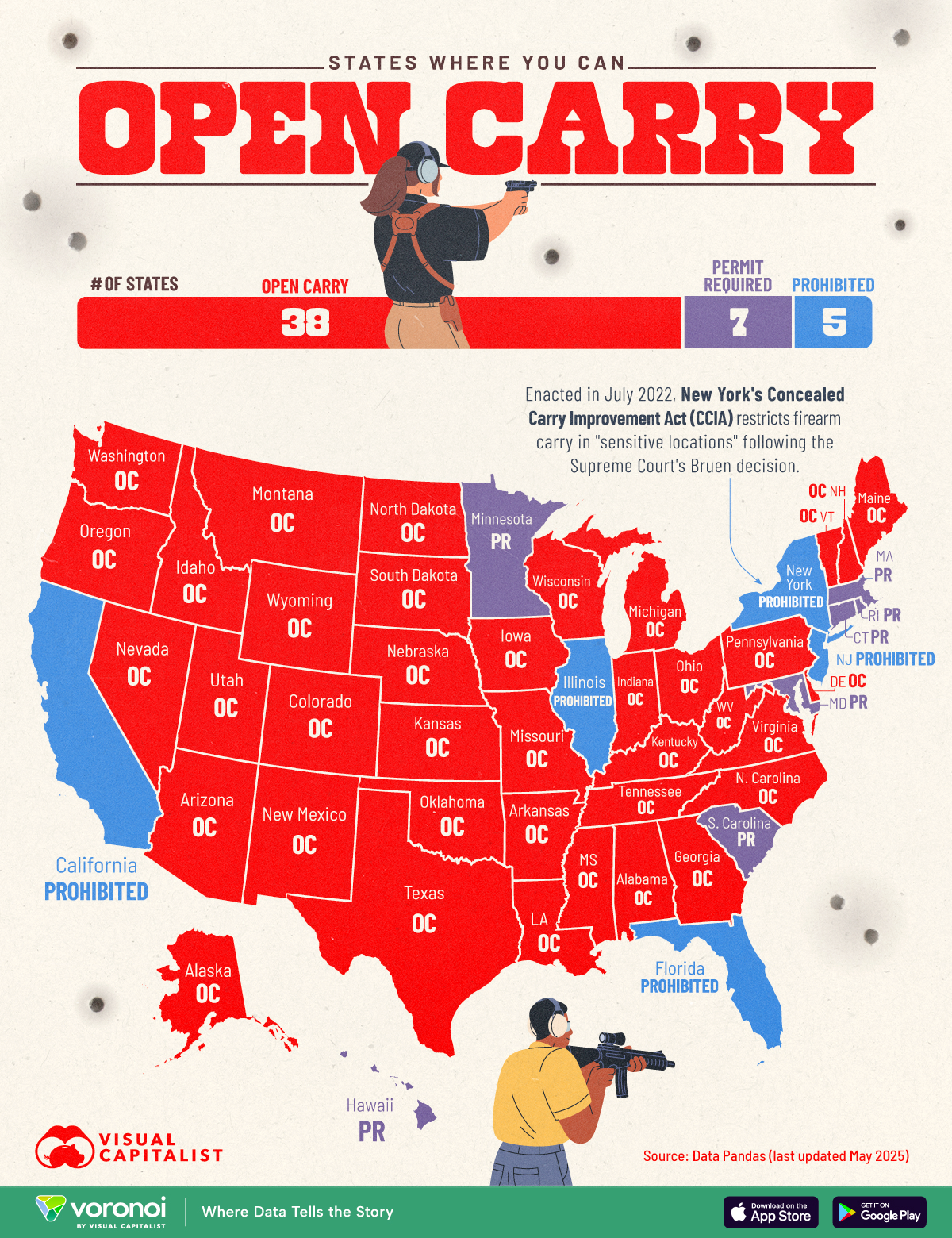
Texas has indeed embraced open carry, but its implementation is nuanced and governed by specific statutes. It’s not a blanket allowance without conditions. The state officially legalized handgun open carry for licensed individuals on January 1, 2016. Prior to this, Texas was primarily a “concealed carry” state. The shift to include open carry for eligible individuals significantly altered the visible presence of firearms in public spaces.

Legal Framework and Requirements
The legal foundation for open carry in Texas rests on two primary pieces of legislation: the Licensed Open Carry law and the Constitutional Carry law, which took effect on September 1, 2021.
Handgun Carry License (HCL) Holders
Individuals who possess a valid Texas Handgun Carry License (HCL) are permitted to openly carry a handgun. This license is obtained after meeting specific eligibility requirements, including age (21 years or older, with some exceptions for active-duty military), criminal background checks, and completion of a firearm proficiency course. Licensed carriers must also adhere to a comprehensive list of places where carrying a handgun, whether openly or concealed, is prohibited. These prohibited places include, but are not limited to, schools, polling places on election day, correctional facilities, and establishments that derive a significant portion of their income from the sale of alcoholic beverages for on-premises consumption.
Constitutional Carry
The advent of Constitutional Carry in Texas means that individuals who are legally permitted to possess a handgun under federal and state law can now carry it, either openly or concealed, without a license. This applies to individuals who are at least 21 years old and not otherwise prohibited from possessing a firearm by law. However, even under Constitutional Carry, there are still restrictions on where firearms can be carried, mirroring many of the same prohibited locations as for HCL holders. It’s crucial for individuals exercising Constitutional Carry to be aware of these restrictions to avoid legal complications.
What Constitutes Open Carry?
In Texas, open carry typically refers to carrying a handgun in a holster on the person’s belt or shoulder. While the law permits open carry, the manner in which the firearm is displayed can sometimes be a point of contention or confusion. Generally, the firearm must be openly visible. This contrasts with concealed carry, where the firearm is not visible to the public.
Implications for Travelers in Texas
For visitors to Texas, understanding these open carry laws is not just about legal compliance; it’s about navigating a state where firearms may be more visible than in their home jurisdictions. This can impact the perceived safety and comfort levels of travelers.
Awareness and Perception
The visible presence of firearms, even when carried legally, can evoke a range of emotional responses. Some travelers may feel more secure knowing that law-abiding citizens are armed and able to defend themselves, while others may experience anxiety or unease. It is important for travelers to be aware that open carry is a legal and regulated activity in Texas, and its presence does not necessarily indicate a threat.
Respecting Local Laws and Customs
When traveling to any new destination, respecting local laws and customs is paramount. In Texas, this includes being mindful of the open carry laws. Travelers who are licensed to carry firearms in their home states should verify if their license is recognized in Texas through reciprocity agreements, or if they fall under the purview of Constitutional Carry. Ignorance of the law is not a valid defense.
Visiting Popular Destinations
Many popular tourist destinations in Texas, such as the Alamo in San Antonio, the Space Center Houston, and the vibrant music scene in Austin, have specific rules regarding firearms. Most such venues are designated as prohibited places for carrying firearms, regardless of whether one has a license or is exercising Constitutional Carry. It is always advisable to check the specific policies of any establishment or attraction before visiting. Many private businesses have the right to prohibit firearms on their premises, even if not explicitly listed as a state-prohibited location. Look for posted signs at entrances, which are legally binding in Texas.
Navigating Specific Scenarios
Beyond general awareness, there are specific scenarios where understanding open carry laws in Texas becomes particularly relevant for travelers.
Transportation and Lodging
When it comes to transportation, private vehicles are generally permissible for carrying firearms, subject to state and federal laws regarding transport. However, when exiting a vehicle, the rules for open carry in public spaces apply.
Regarding lodging, hotels and other accommodations have varying policies. While some may not have specific firearm restrictions, others may prohibit them. It is best to inquire with the hotel management, such as at the Menger Hotel or any resort, about their specific policies on firearms before or upon arrival. Some hotels may provide safes for guests to store firearms securely.
Interactions with Law Enforcement
If you are carrying a firearm legally in Texas and are stopped by law enforcement, it is recommended to inform the officer immediately that you are carrying a firearm. Follow their instructions carefully. Transparency and cooperation are key to a safe and smooth interaction. Remember that police officers in Texas are well-versed in firearm laws, including open carry.
Understanding “No Guns Allowed” Signs
Texas law allows private property owners to prohibit firearms on their premises. These prohibitions are typically communicated through signage. A “30.06” sign indicates a prohibition on carrying concealed handguns, while a “30.07” sign indicates a prohibition on carrying handguns openly. If you see either of these signs, you must leave your handgun either concealed or openly carried, respectively, outside the premises. Failure to comply can result in a trespass warning or criminal charges.
Beyond the Law: Responsible Firearm Ownership
While Texas permits open carry under specific conditions, it is crucial to emphasize that responsible firearm ownership and adherence to the law are paramount.
Training and Education
For those who choose to carry a firearm, continuous training and education are vital. This includes understanding the legalities, safe handling practices, and situational awareness. Even if not legally required for Constitutional Carry, taking a handgun safety course can be highly beneficial.
Situational Awareness
Being aware of your surroundings is always important, regardless of whether you are carrying a firearm. Understanding potential risks and knowing how to de-escalate tense situations are valuable skills for everyone, especially when traveling to unfamiliar environments.
Respect for Others
Open carry is a right, but it also comes with the responsibility to exercise that right in a manner that respects the comfort and safety of others. Understanding the diverse perspectives on firearms is part of being a responsible member of society.

Conclusion
In summary, Texas is indeed an open carry state for individuals who meet specific legal requirements, primarily those holding a Handgun Carry License or those eligible under Constitutional Carry. Travelers to the Lone Star State should be aware of these laws, understand the prohibited locations, and prioritize respectful engagement with local regulations and customs. By staying informed and practicing responsible firearm ownership, visitors and residents alike can navigate Texas with confidence and safety.
LifeOutOfTheBox is a participant in the Amazon Services LLC Associates Program, an affiliate advertising program designed to provide a means for sites to earn advertising fees by advertising and linking to Amazon.com. Amazon, the Amazon logo, AmazonSupply, and the AmazonSupply logo are trademarks of Amazon.com, Inc. or its affiliates. As an Amazon Associate we earn affiliate commissions from qualifying purchases.