
Texas, the Lone Star State, conjures a mosaic of images: vast ranches, bustling metropolises, a rich history, and an unmistakable cultural identity. It’s a land where cowboy boots and business suits coexist, where BBQ joints serve alongside Michelin-starred restaurants, and where the echoes of independence resonate in modern innovation. But beneath this diverse tapestry lies a political landscape often painted with broad strokes, leading many to ask: is Texas a red or blue state?
The simple answer is that Texas is profoundly complex, defying easy categorization. While it has a long-standing reputation as a Republican stronghold—a “red state” in the American political lexicon—a deeper look reveals a vibrant, evolving spectrum of political leanings. This political nuance isn’t just a talking point for pundits; it profoundly shapes the travel experiences, lifestyle choices, and cultural offerings available to visitors and residents alike. From the progressive enclaves that buzz with artistic energy to the conservative heartlands where tradition reigns supreme, understanding Texas’s political identity is key to truly appreciating its multifaceted charm as a premier destination for travel, tourism, and accommodation.
The Big Picture: A State of Contrasts
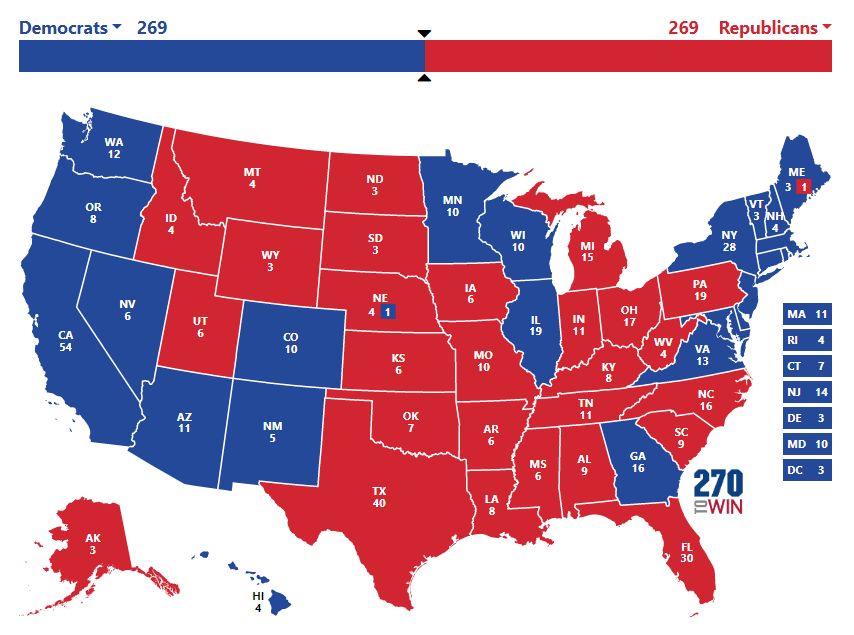
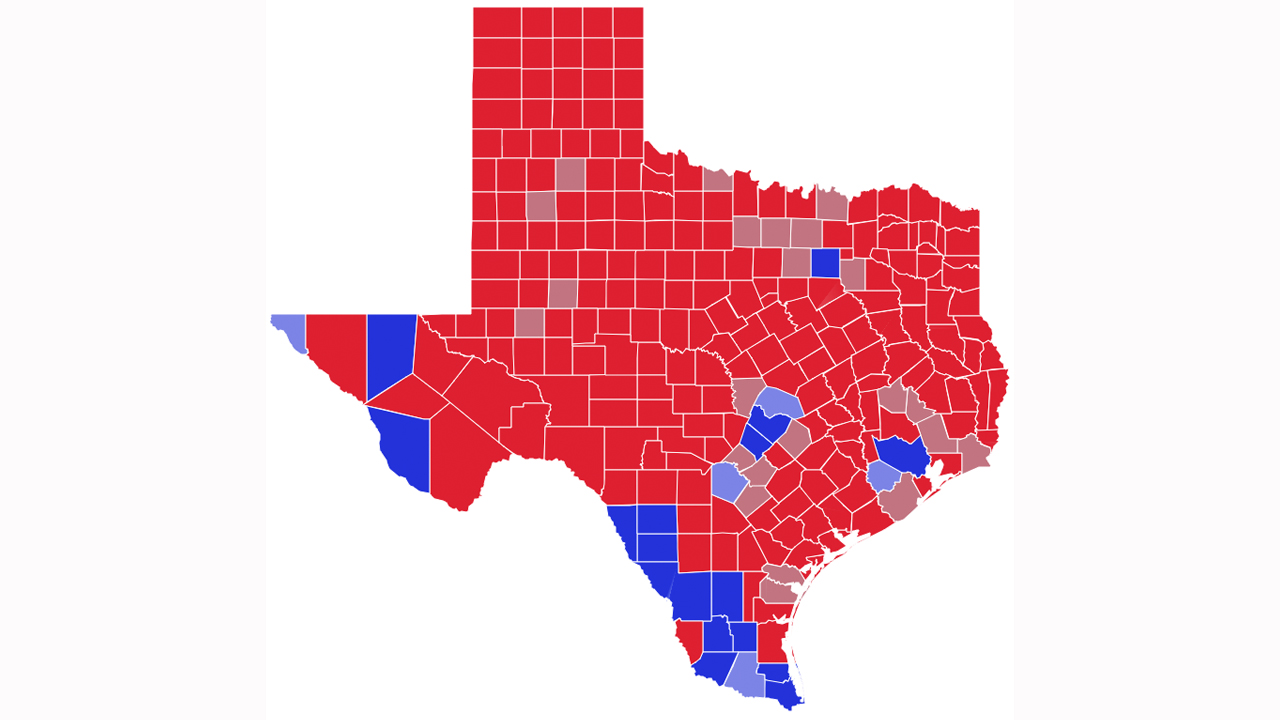
For decades, Texas has been synonymous with conservative politics. Its statewide elections frequently lean Republican, with the party holding sway in the governorship, both chambers of the state legislature, and the majority of congressional seats. This “red” reputation is built on a foundation of historical trends, a strong emphasis on individual liberty, lower taxes, and a generally business-friendly environment that appeals to many. The state’s vast rural areas, particularly those in West Texas and the Panhandle, are overwhelmingly conservative, reflecting values rooted in agriculture, oil and gas industries, and a traditional way of life.
However, labeling Texas as uniformly red overlooks significant demographic shifts and the emergence of strong liberal and progressive voices, particularly in its booming urban centers. The sheer size and diversity of the state mean that what holds true for one region might be the opposite in another. This creates a fascinating interplay of cultures, ideologies, and lifestyles that define the modern Texan experience. As a result, visitors planning their itinerary for a vacation, a business trip, or a long-term stay will find that the political character of their chosen destination often correlates with the kind of experiences and amenities they will encounter.

The political leanings influence everything from local ordinances impacting nightlife and entertainment to the types of cultural festivals celebrated, and even the local culinary scene. For example, a city with a more liberal bent might embrace diverse international cuisines and promote eco-friendly tourism initiatives, while a conservative town might emphasize traditional Texas BBQ and rodeo events. Understanding these nuances helps travelers choose destinations that align with their personal interests and values, whether they are seeking luxury travel, budget-friendly options, or family trips that cater to specific preferences.
A Tale of Two Texases: Urban Blue vs. Rural Red
The most pronounced political divide in Texas lies between its sprawling, diverse cities and its expansive, traditionally conservative rural areas. This geographical and demographic split is a microcosm of broader political trends across the United States.
Austin: The Blue Dot in a Red Sea
At the heart of liberal Texas is Austin, the state capital. Often described as a “blue dot in a red sea,” Austin is a bastion of progressive politics, counter-culture, and technological innovation. Its unofficial motto, “Keep Austin Weird,” perfectly encapsulates its unique vibe. This city attracts a younger, more diverse, and often more liberal population, drawn by its vibrant live music scene, burgeoning tech industry, and a palpable emphasis on environmentalism, arts, and culinary experimentation.
For travelers, Austin offers a distinct lifestyle experience. You’ll find a plethora of boutique hotels and trendy apartments for accommodation, alongside luxury resorts catering to its affluent tech community. Attractions range from the iconic South by Southwest festival to the beautiful Texas State Capitol and numerous parks and trails along the Colorado River. The food scene is world-class, with a strong focus on farm-to-table dining, vegan options, and creative fusion cuisine, in addition to its famous food trucks. The city’s blue leanings contribute to a generally open, inclusive atmosphere, making it a popular destination for those seeking a dynamic and culturally rich urban experience.
Houston and Dallas-Fort Worth: Purple Powerhouses
Beyond Austin, other major metropolitan areas like Houston and Dallas–Fort Worth present a more “purple” political hue. While the suburbs surrounding these cities often lean conservative, the urban cores themselves are increasingly diverse and politically competitive.
-
Houston: As the most populous city in Texas and one of the most diverse cities in the United States, Houston is a global hub for energy, medicine, and aerospace. Its diversity translates into a rich blend of cultures and political views. The city consistently votes Democratic in local and federal elections, reflecting its large minority populations and younger demographics. For tourists, Houston offers world-class museums, a thriving arts district, and culinary experiences spanning dozens of international cuisines. Landmarks like the NASA Johnson Space Center draw visitors globally. Accommodation ranges from luxury hotels in the Galleria area to business-focused suites and extended-stay apartments. The progressive nature of Houston fosters an environment where diverse perspectives are celebrated, making it an exciting destination for cultural immersion and urban exploration.
-
Dallas-Fort Worth: This sprawling metroplex offers a fascinating contrast. Dallas tends to lean more Democratic, especially its inner-city areas, driven by its robust corporate sector, fashion industry, and burgeoning arts scene. It’s a city of sleek skyscrapers, high-end shopping, and a sophisticated urban lifestyle. Visitors can explore the historic Sixth Floor Museum, enjoy upscale dining, or experience luxury accommodation at renowned hotels. Fort Worth, just a short drive away, is often perceived as retaining more of Texas’s traditional “Cowtown” heritage, and its politics tend to be more conservative, though still diverse. It’s famous for its historic Stockyards, rodeo culture, and a more laid-back, Western ambiance. Together, the twin cities showcase the state’s blend of tradition and modernity, offering a broad spectrum of attractions and experiences, from historical landmarks to contemporary art and family-friendly activities. The surrounding suburbs like Plano, Katy, and The Woodlands often maintain a more conservative voter base while still offering diverse amenities and high-quality accommodation for both business and leisure travelers.
The Heart of Texas: Rural Conservatism
Beyond the urban sprawl, the vast majority of Texas’s landmass and many of its smaller towns remain staunchly conservative. These “red” areas are the bedrock of the state’s traditional identity, characterized by strong community ties, agricultural economies, and a deep respect for heritage. Regions like West Texas, the Panhandle, and much of the Hill Country embody this demographic.
Travelers venturing into these areas will find a different kind of Texan experience. Here, tourism often revolves around natural beauty, outdoor recreation, and authentic local culture. Destinations like Big Bend National Park and Guadalupe Mountains National Park in the far west offer breathtaking landscapes and unparalleled stargazing, attracting adventure seekers and nature enthusiasts. Small towns like Fredericksburg in the Hill Country celebrate German heritage with wineries and peach orchards, while places like Luckenbach and Gruene Hall are famous for their country music roots.
Accommodation in these regions typically ranges from charming bed and breakfasts and rustic cabins to chain hotels in larger towns like Midland and Odessa. The lifestyle here is generally slower-paced, emphasizing community events, local festivals, and outdoor activities like fishing, hunting, and boating on lakes such as Canyon Lake. For those seeking an authentic glimpse into traditional Texan values and a peaceful retreat from urban life, these rural red areas offer unique and memorable experiences.
Beyond the Ballot Box: How Politics Shapes Travel and Lifestyle
The political leanings of different regions in Texas don’t just influence election outcomes; they subtly, and sometimes overtly, shape the entire experience for visitors and residents. This manifests in various aspects of tourism, culture, and lifestyle.
Culinary Delights and Cultural Divides
Food, a cornerstone of any travel experience, often reflects local cultural and political landscapes. In “blue” urban centers like Austin and Houston, you’ll find a burgeoning scene of innovative culinary arts, diverse international restaurants, and a strong emphasis on sustainability and organic ingredients. These cities are magnets for foodies seeking avant-garde dining, global street food, and health-conscious options. The arts scenes are equally vibrant, with numerous museums, theaters, and live music venues that embrace contemporary and experimental forms.
Conversely, in the “red” rural areas, the focus shifts to traditional Texas fare. Think legendary BBQ joints serving slow-smoked brisket, authentic Tex-Mex cuisine influenced by the state’s proximity to Mexico, and hearty comfort food. Cultural activities often center around rodeos, county fairs, outdoor festivals celebrating local produce or heritage, and country music. While both urban and rural areas share a love for good food and community, the style and diversity of these offerings frequently align with their political dispositions.
Accommodation and Ambiance: Finding Your Fit
The type of accommodation available often mirrors the prevailing lifestyle and political character of a destination. In liberal urban areas, you’ll find a mix of cutting-edge design hotels, boutique stays, and a robust short-term rental market catering to younger, often more mobile travelers. High-end brands like Four Seasons or Ritz-Carlton often thrive in these markets, alongside trendy apartment-hotels perfect for business stays or longer vacations. The ambiance is typically cosmopolitan and fast-paced.
In more conservative regions, while modern chain hotels are prevalent along major highways, there’s also a strong tradition of family-run motels, charming bed and breakfasts, and rustic lodges, especially in scenic areas. For unique experiences, places like Hotel Emma in San Antonio bridge the gap, offering luxury with a historical, almost timeless, Texas feel, appealing to a broad range of travelers. Long-term stays in these areas might involve renting a house or cabin, embracing a more settled, community-oriented lifestyle. The choice of accommodation can, therefore, be seen as a reflection of the preferred lifestyle and the underlying cultural values of the destination.
Landmarks and Legacy: Tracing Texas’s Identity
Texas’s landmarks tell its story, and even these can sometimes resonate with different political sensibilities. Historical sites like The Alamo in San Antonio or the Battleship Texas near Houston celebrate the state’s independent spirit and military heritage, themes that often align with conservative values. The San Antonio River Walk, while a major tourist attraction for all, reflects a more cosmopolitan, pedestrian-friendly urban planning often favored by progressive urbanites.
Natural landmarks like Big Bend National Park or the Big Thicket National Preserve appeal to environmentalists and outdoor enthusiasts across the political spectrum but gain particular prominence in conversations about land preservation, a topic with varying political interpretations. Even sports venues like AT&T Stadium in Arlington or NRG Park in Houston represent massive investments in entertainment and community gathering, transcending simple political labels but often reflecting the economic priorities and cultural tastes of the areas they inhabit.
The Future of the Lone Star State: A Shifting Demography
The political landscape of Texas is not static. Rapid population growth, particularly from other states and international immigration, is continually reshaping its demographics. This influx of new residents often brings diverse political views, contributing to the “purpling” trend in urban and suburban areas. Hispanic populations, a significant and growing demographic in Texas, are increasingly influential, though their voting patterns can vary widely.
This evolving political identity means that Texas is becoming an even more intriguing destination. Travelers and those considering relocation will find a dynamic environment where traditional values meet progressive ideas, creating a rich tapestry of experiences. From the beach resorts of South Padre Island and Galveston Island on the Gulf Coast to the quirky art installations of Marfa in the far west, Texas offers something for every taste and preference.
In conclusion, to ask if Texas is a red or blue state is to oversimplify a vibrant, complex reality. It is both, and much more. It’s a state of profound contrasts and exciting convergences, where political identities are intertwined with culture, lifestyle, and the very fabric of its incredible destinations. Whether you’re seeking the avant-garde energy of a blue city, the steadfast traditions of a red rural town, or the nuanced balance of a purple metroplex, Texas invites you to explore its many facets and discover your own Lone Star experience.
LifeOutOfTheBox is a participant in the Amazon Services LLC Associates Program, an affiliate advertising program designed to provide a means for sites to earn advertising fees by advertising and linking to Amazon.com. Amazon, the Amazon logo, AmazonSupply, and the AmazonSupply logo are trademarks of Amazon.com, Inc. or its affiliates. As an Amazon Associate we earn affiliate commissions from qualifying purchases.