
Navigating the legal landscape of recording conversations can be a complex undertaking for travelers and locals alike. Understanding the specific regulations within a state is paramount to avoid inadvertently breaking the law. This article delves into the specifics of consent for recording conversations in Texas, examining its status as a single-party consent state. This is crucial information for anyone considering capturing audio during their travels, business interactions, or even personal discussions within the Lone Star State.
Understanding Recording Laws: Two-Party vs. Single-Party Consent
The legality of recording conversations hinges on the principle of consent. Jurisdictions across the United States generally fall into one of two categories: two-party (or all-party) consent states, and single-party consent states.
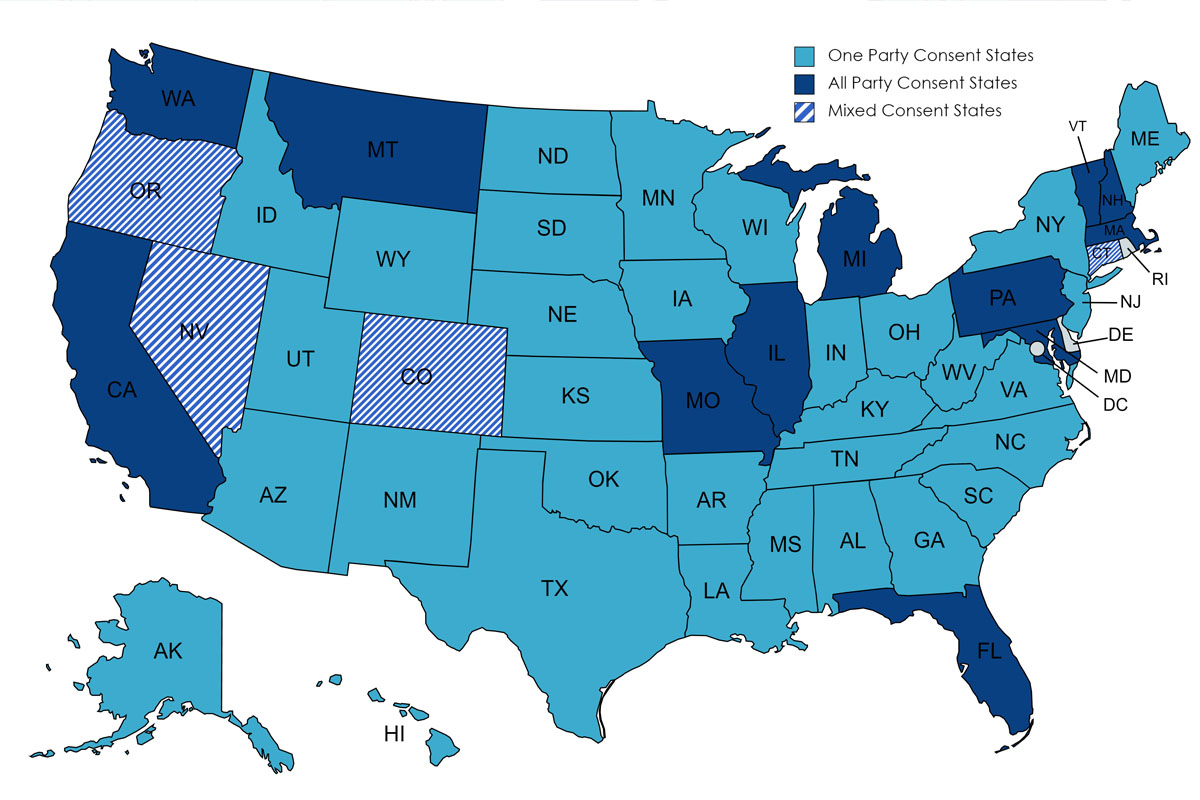
Two-Party Consent States
In states that operate under a two-party consent law, all parties involved in a private conversation must be aware of and consent to the recording. This means that if you are speaking with someone, you cannot legally record that conversation without their explicit permission. The rationale behind this approach is to protect the privacy of all individuals involved in an exchange, assuming that conversations held in private are intended to be confidential. Failure to obtain consent from all parties can lead to civil penalties and, in some cases, criminal charges.
Single-Party Consent States
Conversely, single-party consent states permit the recording of conversations as long as at least one party to the conversation is aware of and consents to the recording. Crucially, this “one party” can be the person doing the recording. In essence, if you are participating in a conversation, you have the legal right to record it, even if the other participants are unaware. However, it is important to note that the definition of “private conversation” can still be a factor. Generally, these laws apply to conversations where participants have a reasonable expectation of privacy.
Texas: A Single-Party Consent State
Texas firmly falls into the category of a single-party consent state. This means that an individual can legally record a conversation in Texas as long as they are a participant in that conversation. The Texas Wiretap Act, specifically § 162.002, addresses the interception and disclosure of wire, oral, or electronic communications. It permits the recording of oral communications if the person making the recording is a party to the communication or has the consent of a party to the communication.
This legal framework has significant implications for various scenarios within Texas:

Implications for Travelers and Tourists
For visitors exploring the diverse attractions of Texas, from the vibrant streets of Austin to the historical sites of San Antonio or the sprawling ranches, understanding this law is essential.
- Capturing Experiences: If you’re enjoying a guided tour at a landmark like the Alamo or attending a cultural festival, and you wish to record your guide’s narration or interactions with fellow travelers, you can generally do so, provided you are part of the conversation or have the guide’s permission.
- Documenting Conversations with Locals: Engaging in conversations with local vendors, artisans, or even fellow diners at a renowned Texas barbecue joint is permissible to record if you are a participant. This allows for richer documentation of your travel experiences.
- Business Meetings and Negotiations: For business travelers visiting cities like Houston or Dallas, any meetings or discussions they are part of can be recorded without the explicit consent of all other participants, as long as the Texan law is adhered to by the recorder.
However, it is crucial to distinguish between a private conversation and one held in a public space where there is no reasonable expectation of privacy. While Texas law allows for single-party consent, recording individuals in situations where they have a clear expectation of privacy, even in public (e.g., a private conversation on a park bench), might still raise ethical concerns or potentially fall into grey areas depending on specific circumstances and interpretation of “oral communication.”
Business and Professional Considerations
The single-party consent status in Texas offers a degree of flexibility for businesses operating within the state.
- Internal Meetings: Recording internal staff meetings, client consultations, or training sessions where the recorder is a participant is generally permissible. This can be invaluable for quality control, training purposes, and dispute resolution.
- Customer Service Interactions: Businesses that interact with customers over the phone or in person may find it beneficial to record these interactions. This can help train employees, improve service, and provide evidence in case of disputes. However, it is always best practice to inform customers of recording, even if not legally mandated, to foster transparency and trust. Many companies opt for an explicit disclosure, such as a recorded message stating, “This call may be recorded for quality assurance purposes.”
- Legal and Compliance: For legal professionals or compliance officers, the ability to record conversations can be a critical tool for gathering evidence, documenting agreements, and ensuring adherence to regulations.
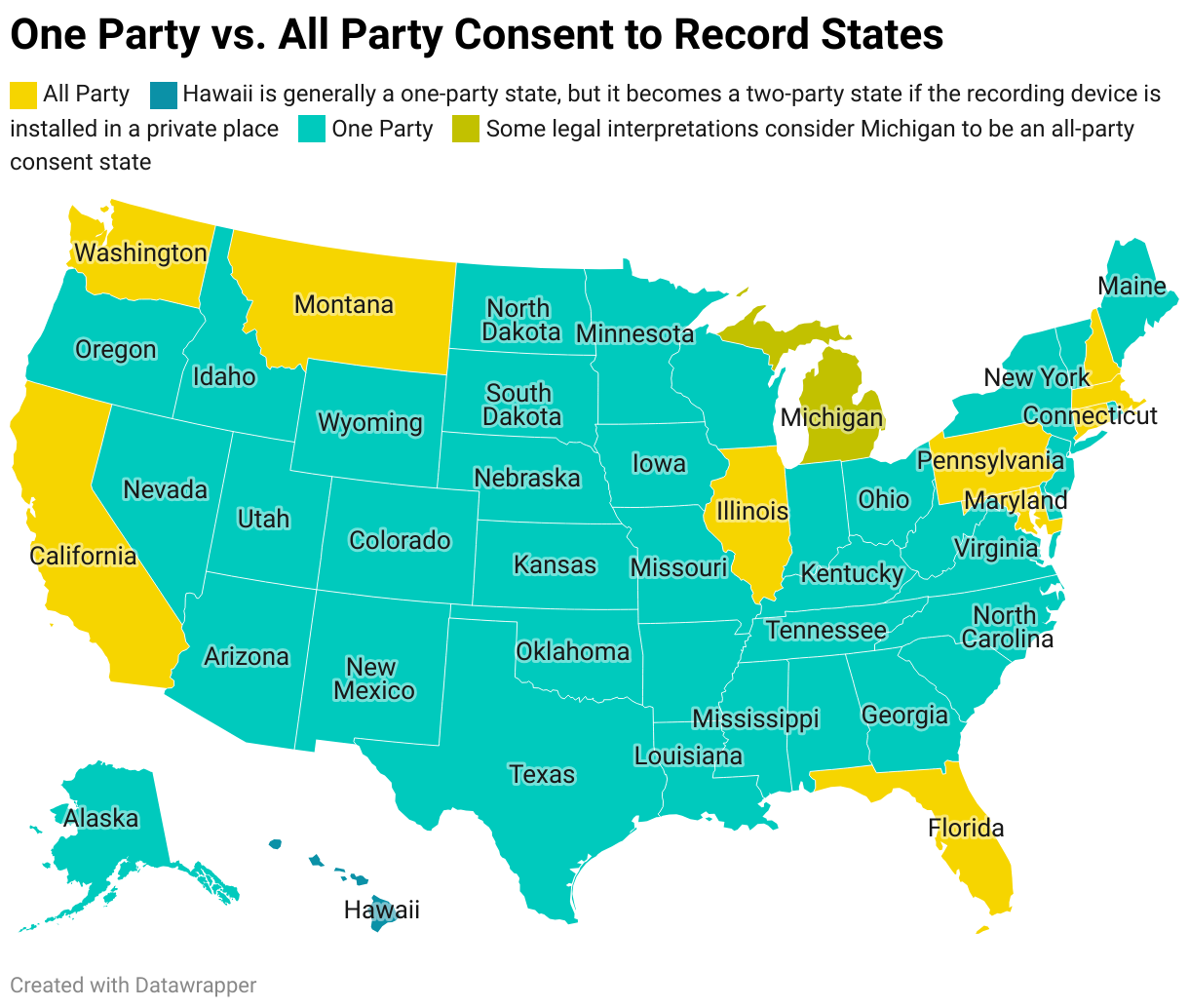
Important Caveats and Best Practices
While Texas law simplifies consent for recording, there are still crucial considerations and best practices to observe:
- Reasonable Expectation of Privacy: The “oral communication” protected by the Wiretap Act generally refers to conversations where there is a reasonable expectation of privacy. Recording a conversation openly taking place in a crowded public venue where there is no expectation of privacy may not be covered by the same legal protections, nor would it typically be considered an “interception” of a private communication.
- Interstate Communications: The complexity arises when conversations involve parties in different states with differing consent laws. If a conversation involves someone in Texas and someone in a two-party consent state, the stricter, two-party consent law often prevails. It is prudent to assume that if any party to the conversation is in a two-party consent state, you must obtain consent from all parties.
- Federal Law: Federal law, like Texas law, is also single-party consent. However, state laws can offer greater protections than federal law. In cases of interstate communication, understanding both federal and the relevant state laws is vital.
- Ethical Considerations: Even when legally permissible, consider the ethical implications of recording conversations without the knowledge of all participants. Transparency can foster better relationships and avoid potential misunderstandings or distrust. Informing others that you are recording is often the most respectful approach, even if not legally required.
- Specific Location Laws: While Texas is a single-party consent state, it’s always wise to be aware of any specific venue rules or policies. For instance, some private establishments, like certain hotels or event venues, might have their own policies regarding recording.
- Types of Communication: The laws primarily address “oral communications.” The legality of recording other forms of communication, such as video or specific types of electronic messages, may be governed by different statutes.
In conclusion, Texas operates under a single-party consent law, empowering individuals to record conversations they are part of. This provides a straightforward legal framework for many situations encountered by travelers, business professionals, and residents. However, always remember the nuances of interstate communication, the concept of a “reasonable expectation of privacy,” and the value of ethical transparency. When in doubt, erring on the side of caution by seeking consent from all parties is always the safest and most considerate path.
LifeOutOfTheBox is a participant in the Amazon Services LLC Associates Program, an affiliate advertising program designed to provide a means for sites to earn advertising fees by advertising and linking to Amazon.com. Amazon, the Amazon logo, AmazonSupply, and the AmazonSupply logo are trademarks of Amazon.com, Inc. or its affiliates. As an Amazon Associate we earn affiliate commissions from qualifying purchases.