
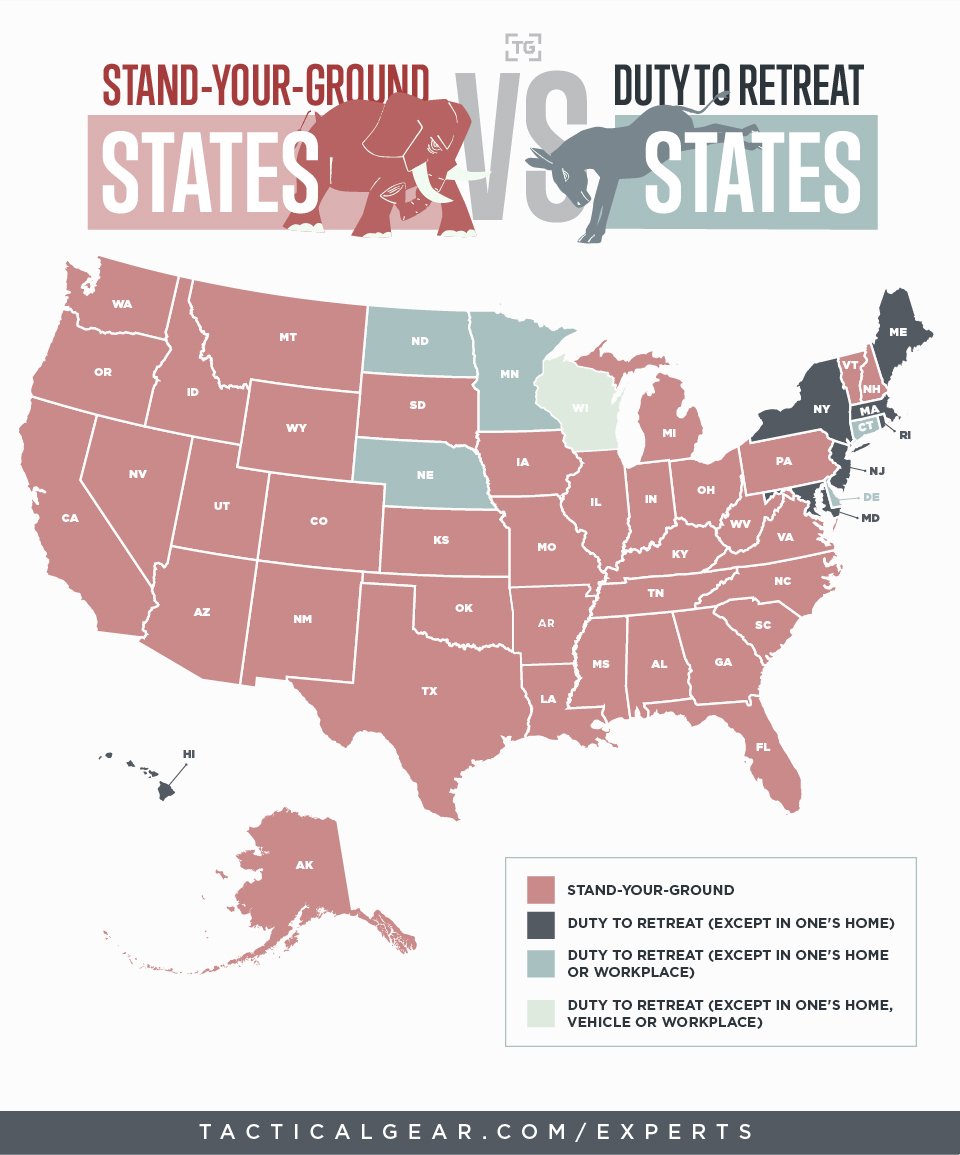
For anyone planning a visit, considering a move, or simply curious about the legal landscape of the Lone Star State, understanding its self-defense laws is paramount. The direct answer is a resounding yes: Texas is indeed a Stand Your Ground state. This legal framework significantly impacts how individuals can respond to perceived threats, and for travelers and residents alike, knowing the nuances of this law is crucial for personal safety and navigating the local culture. Far from being a niche legal detail, Stand Your Ground laws reflect a broader societal approach to self-defense, freedom, and personal responsibility, which are deeply ingrained in the fabric of Texas lifestyle.
For tourists exploring the vibrant cities like Austin, Dallas, Houston, or San Antonio, or adventurers venturing into its vast natural landscapes, a basic understanding of these laws can inform better judgment and enhance their overall experience. It’s about being an informed visitor, respecting local norms, and ensuring peace of mind. This article will delve into what Stand Your Ground truly means in Texas, differentiate it from related concepts like the Castle Doctrine, and discuss the practical implications for anyone enjoying the diverse attractions and experiences Texas has to offer. Understanding these legal provisions is not about encouraging confrontation, but rather about promoting awareness and responsible conduct in a state where personal liberty and the right to self-defense are highly valued.

Understanding “Stand Your Ground” in the Lone Star State
The concept of Stand Your Ground has been a significant aspect of self-defense law across many states in the United States, and Texas stands firm among them. Enacted in 2007, the Texas Stand Your Ground law removed the legal duty for an individual to retreat from a perceived threat before using force in self-defense, provided they meet certain criteria. This means that if you are legally present in a location and face an imminent threat of serious bodily injury or death, you are legally permitted to “stand your ground” and use necessary force, including deadly force, to defend yourself, without first attempting to escape the situation.
This principle is rooted in the belief that individuals should not be forced to cede ground or retreat when facing a legitimate threat, especially in scenarios where retreat might put them in greater danger. The law aims to empower citizens to protect themselves and their loved ones without fear of legal repercussion for not having attempted to flee. However, it’s not an carte blanche to use force indiscriminately. There are strict conditions that must be met, primarily revolving around the reasonableness of the belief that force was necessary and the context in which the confrontation occurred.
The Legal Framework: What Does it Mean?
For an individual to successfully claim Stand Your Ground as a defense in Texas, several key elements must be present:
- Lawful Presence: The person using force must be lawfully present at the location where the force is used. This implies they are not trespassing or otherwise illegally occupying the space.
- No Provocation: The individual must not have provoked the person against whom the force was used. Initiating a confrontation or escalating a situation typically negates a Stand Your Ground defense.
- Reasonable Belief of Threat: The most critical element is the individual’s reasonable belief that the force used was immediately necessary to protect themselves against another person’s use or attempted use of unlawful deadly force. This “reasonable belief” is objectively assessed but also considers the subjective perspective of the person at the moment of the incident. It means that an ordinary, prudent person in the same circumstances would have believed that deadly force was necessary.
- No Duty to Retreat: This is the core differentiator of a Stand Your Ground law. Unlike jurisdictions with a duty to retreat, Texas law explicitly states that a person has no duty to retreat if they have a right to be present at the location, have not provoked the attacker, and are not engaged in criminal activity.
Understanding these provisions is vital because the legal system scrutinizes each case individually. While the law grants significant latitude for self-defense, it also demands responsibility and adherence to its specific conditions. The outcome of any self-defense claim depends heavily on the specifics of the situation, the evidence presented, and the interpretation of “reasonable belief.”
Castle Doctrine vs. Stand Your Ground: Key Distinctions
Often, the terms Stand Your Ground and Castle Doctrine are used interchangeably, but in Texas, they represent distinct yet overlapping legal principles. Both expand an individual’s right to self-defense, but they apply in different contexts.
The Castle Doctrine primarily refers to the right to use deadly force to protect oneself or others within one’s home, vehicle, or place of business, without the duty to retreat. The underlying premise is that a person’s dwelling (or “castle”) is a sanctuary, and they should not be required to flee from it when threatened. In Texas, the Castle Doctrine provides a legal presumption that a person’s belief that deadly force was immediately necessary is reasonable if the intruder unlawfully and forcefully entered or attempted to enter their habitation, vehicle, or place of employment, and the person knew or had reason to believe the intruder was attempting to do so. This presumption significantly strengthens the defense in such scenarios.
- Castle Doctrine: Applies specifically to your legally owned or occupied private property – your home, car, or business. It often includes a presumption of reasonableness for using force against an intruder.
- Stand Your Ground: Extends the right to use self-defense, including deadly force without a duty to retreat, to any place where you are lawfully present. This could be a public park, a street, a restaurant, or a friend’s home. It does not carry the same legal presumption of reasonableness that the Castle Doctrine provides, meaning the burden of proving reasonable belief in threat still largely rests with the defender.
In essence, the Castle Doctrine provides strong protections within certain private domains, while Stand Your Ground extends the “no duty to retreat” principle to public spaces, provided all other conditions for self-defense are met. Both laws reflect Texas’ deep-seated belief in individual rights and the importance of self-reliance, which is a significant part of the state’s identity and culture, even for visitors.
Practical Implications for Travelers and Residents in Texas
Understanding Texas’ Stand Your Ground laws isn’t just about legal theory; it has very real practical implications for daily life and travel within the state. For both long-term residents and those on a short-term vacation, being aware of these laws can influence how one perceives safety, interacts with others, and makes decisions in potentially stressful situations. Texas is known for its vibrant culture, diverse destinations, and welcoming hospitality, but like any place, it’s wise to be informed about the local legal framework that governs personal safety.
Public Safety and Awareness for Visitors
For visitors to Texas, maintaining a general sense of awareness is always the best practice, regardless of specific self-defense laws. While the Stand Your Ground law grants individuals the right to use force in self-defense without retreating, it does not mean that every perceived threat warrants a physical confrontation. Tourists should focus on prevention and de-escalation rather than relying on self-defense laws.
- Situational Awareness: Always be aware of your surroundings, especially in crowded tourist areas, public transportation, or unfamiliar neighborhoods. This includes being mindful of your belongings and personal space.
- Respect for Firearms Culture: Texas has a strong tradition of gun ownership and, as of 2021, operates under a Permitless Carry (also known as Constitutional Carry) law, allowing eligible individuals to openly or concealed carry a handgun without a license in most public places. While this is a right for residents, visitors should be aware that firearms may be present. This shouldn’t be a cause for alarm but rather a reminder of the importance of respecting personal boundaries and avoiding unnecessary confrontation.
- Emergency Services: Know how to contact local emergency services (911) and have a plan for what to do in an emergency. Many hotels and accommodation providers will have this information readily available.
Navigating Social Interactions and Potential Conflicts
The primary goal for any individual, especially a visitor, should be to avoid situations where self-defense becomes necessary. This often involves judicious social interaction and conflict avoidance.
- De-escalation First: In any tense situation, attempting to de-escalate is almost always the safest and most prudent course of action. This means remaining calm, avoiding aggressive postures or language, and if possible, creating distance from the potential threat.
- Respect Boundaries: Whether at a popular attraction like the Alamo in San Antonio or a lively bar on Austin’s Sixth Street, be respectful of other people’s space and opinions. Alcohol can often lower inhibitions and escalate minor disagreements.
- When to Involve Law Enforcement: If you feel threatened or witness a conflict that seems to be escalating, the safest course is to remove yourself from the situation and contact law enforcement immediately. It’s always better to let trained professionals handle potentially dangerous scenarios.
Specific Scenarios: Home, Vehicle, and Public Spaces
The application of self-defense laws in Texas varies slightly depending on the location of the incident, reinforcing the distinction between the Castle Doctrine and Stand Your Ground.
- Home (Habitation): Within your temporary residence (e.g., a hotel room, vacation rental, or a friend’s home where you are an invited guest), the Castle Doctrine largely applies. If an intruder unlawfully and forcefully enters, or attempts to enter, you are legally presumed to have a reasonable belief that deadly force is necessary to protect yourself or others. You have no duty to retreat from your home.
- Vehicle: Your personal vehicle is also considered part of your “castle” in Texas. If someone unlawfully and forcefully enters your vehicle, or attempts to do so, you similarly have the presumption of reasonable fear and no duty to retreat, allowing for the use of necessary force, including deadly force. This is important for those on Texas road trips.
- Public Spaces: In any public space – a park, a sidewalk, a restaurant, a shopping mall, or a landmark – the Stand Your Ground law comes into play. If you are lawfully present and face an imminent threat of serious bodily injury or death, you have the right to use necessary force, including deadly force, without first attempting to retreat. Remember, in public spaces, there is no legal presumption of fear, so your belief of threat must be objectively reasonable.
Understanding these distinctions helps individuals make informed decisions in challenging situations. While Texas law provides strong self-defense rights, the emphasis should always be on avoiding danger and resolving conflicts peacefully whenever possible.
Navigating Texas: General Safety and Cultural Considerations
Texas offers an incredible array of experiences, from the vibrant nightlife of Austin to the historic charm of San Antonio, and the sprawling museums of Houston and Dallas. Beyond specific self-defense laws, general safety practices and an appreciation for local culture are key to a smooth and enjoyable visit. Travelers who are prepared and respectful of local customs will find Texas to be an exceptionally welcoming and diverse destination.
General Travel Safety Tips for Texas Destinations
While Texas is generally safe for tourists, common-sense travel safety measures should always be observed:
- Research Your Destination: Before arriving, familiarize yourself with the specific areas you plan to visit. Different neighborhoods within a city, or distinct regions of the state (e.g., Hill Country vs. Gulf Coast), can have varying atmospheres and local considerations.
- Secure Valuables: Keep your passport, money, and electronics secure. Use hotel safes, avoid displaying large amounts of cash, and be cautious of pickpockets in crowded areas like the San Antonio Riverwalk or music festivals in Austin.
- Inform Someone of Your Plans: Let a friend or family member know your itinerary, especially if you’re traveling solo or venturing into less populated areas like Big Bend National Park.
- Stay Hydrated and Weather Aware: Texas summers can be intensely hot, and weather can change rapidly. Protect yourself from the sun, drink plenty of water, and be aware of severe weather alerts, especially during spring storm season.
- Transportation Safety: Use reputable ride-sharing services or taxis. If renting a car, keep doors locked and valuables out of sight. Be mindful of traffic, particularly in major metropolitan areas.
Key Texas Destinations and Local Considerations
Each major Texas city offers unique attractions and a distinct vibe:
- Austin: Known as the “Live Music Capital of the World,” Austin is generally safe and vibrant. Be aware of crowds on Sixth Street at night and always use caution when crossing busy streets. A visit to the Texas State Capitol is a great way to learn about the state’s government.
- San Antonio: Home to historic landmarks like the Alamo and the famous Riverwalk, San Antonio is a popular tourist destination. Stick to well-lit, populated areas, especially in the evenings along the Riverwalk.
- Houston: A sprawling cosmopolitan city with world-class museums and the Space Center Houston. Like any large city, exercise caution in less-traveled areas and be mindful of your surroundings in busy urban centers.
- Dallas/Fort Worth: These twin cities offer a mix of modern sophistication (Dallas Arts District) and Western heritage (Fort Worth Stockyards National Historic District). Both are generally safe, but standard big-city precautions apply. Parking in well-lit areas and securing valuables are always recommended.
- Coastal Areas (e.g., South Padre Island): Popular for beach vacations, these areas can draw large crowds, especially during spring break. Be vigilant about personal belongings and water safety.
Understanding Local Culture and Laws
Texas culture is a unique blend of Southern charm, Western independence, and a strong sense of state pride. Understanding a few cultural nuances can enhance your visit:
- Hospitality: Texans are generally very friendly and welcoming. Don’t be surprised if strangers strike up conversations.
- Respect for Tradition: The state has a rich history, and honoring its traditions, whether it’s country music, rodeo, or barbecue, is appreciated.
- Alcohol Laws: While Texas has its “no duty to retreat” law, it also has specific regulations regarding alcohol. The legal drinking age is 21. Open containers of alcohol are generally prohibited in public places, and driving under the influence carries severe penalties. Always drink responsibly and designate a sober driver.
- Marijuana Laws: Despite being a Stand Your Ground state, Texas has strict laws regarding marijuana. It remains illegal for recreational use, and penalties can be severe. CBD products are legal, but it’s important to differentiate.
By blending an understanding of Texas’ self-defense laws with general travel safety practices and an appreciation for local culture, visitors can ensure a respectful, safe, and truly memorable experience in the Lone Star State.
Conclusion
To reiterate, Texas is definitively a Stand Your Ground state. This means individuals lawfully present in a location have no legal duty to retreat from a threat before using necessary force, including deadly force, to protect themselves or others from serious bodily injury or death. This principle, alongside the Castle Doctrine that applies to one’s home, vehicle, and place of business, forms a robust framework for self-defense that reflects the state’s deep commitment to personal liberty and individual rights.
For travelers and residents alike, understanding these laws is not about encouraging confrontation, but rather about fostering an informed approach to personal safety and responsible conduct. While Texas law empowers individuals to defend themselves, the wisest course of action always prioritizes de-escalation, conflict avoidance, and situational awareness. Whether you’re planning a trip to immerse yourself in the vibrant culture of Austin, explore the historical depths of San Antonio, or conduct business in the bustling metropolises of Dallas and Houston, a solid grasp of local laws enhances your safety and overall travel experience.

Texas offers an incredible array of destinations, attractions, and lifestyle opportunities. By respecting its unique legal landscape and embracing general safety practices, visitors can confidently explore everything the Lone Star State has to offer, ensuring a memorable and secure journey. Be informed, be aware, and enjoy the unparalleled hospitality and diverse experiences that make Texas a truly remarkable place to visit or call home.