
For many, the New York Stock Exchange (NYSE) is more than just a financial institution; it’s a symbol of global capitalism, a monument to economic power, and an unmissable landmark in the vibrant heart of New York City. Whether you’re a finance enthusiast, a business traveler, or a curious tourist exploring the iconic streets of Lower Manhattan, understanding the rhythm of the NYSE’s trading hours can profoundly shape your visit. While public access to the trading floor is a thing of the past, the sheer energy of Wall Street, especially during peak market hours, remains an experience in itself. This article delves into when the world’s largest stock exchange opens its doors for business, how to integrate a visit into your New York City itinerary, and what to expect from this historic financial hub.
Understanding the NYSE’s Trading Hours: The Pulse of Global Finance
The operational schedule of the New York Stock Exchange dictates the pace of financial markets across the globe. For visitors, knowing these times is key to catching a glimpse of the district’s unique atmosphere or planning around the busiest periods.
The Regular Trading Session
The main event on Wall Street is the regular trading session, characterized by its iconic opening and closing bells. These moments are steeped in tradition and signify the start and end of daily market activities.
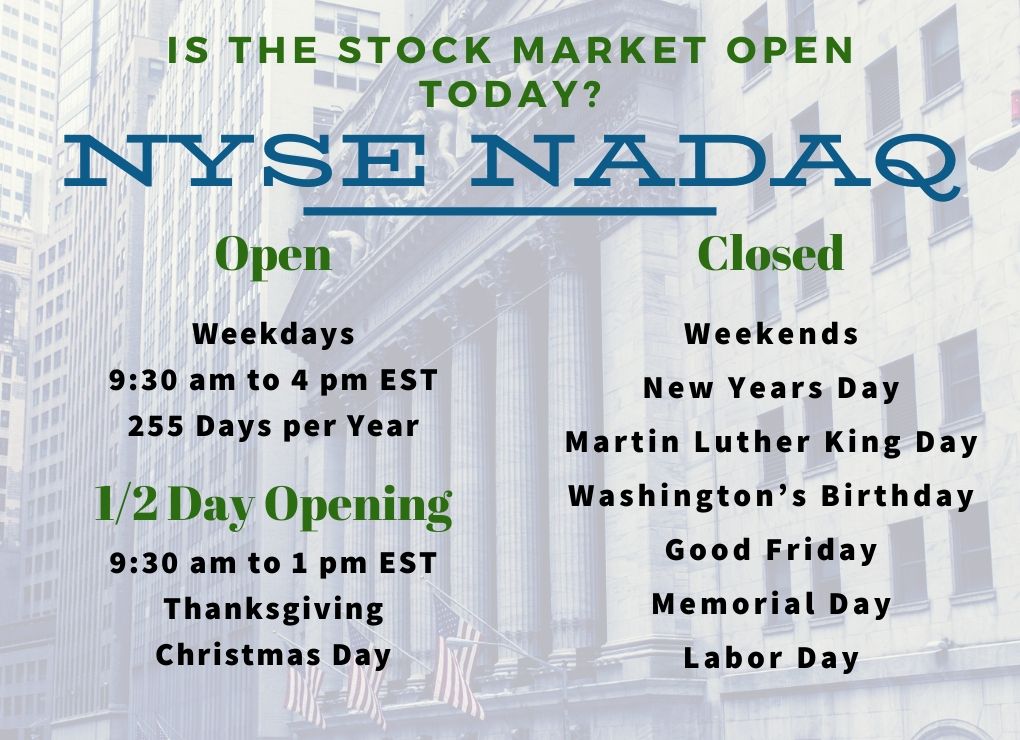
The New York Stock Exchange operates on a standard schedule from Monday to Friday. The official opening time for regular trading is 9:30 AM Eastern Time (ET), and the market closes at 4:00 PM Eastern Time (ET). This six-and-a-half-hour window is when the majority of transactions occur, with millions of shares changing hands, prices fluctuating minute by minute, and major economic news impacting global investments. During these hours, the Financial District buzzes with a distinctive energy. Traders, analysts, and business professionals move with purpose, creating a captivating backdrop for any visitor. Witnessing the area come alive in the morning, leading up to the opening bell, or experiencing the rush as the closing bell approaches can be an exciting part of your New York City travel experience.
Pre-Market and After-Hours Trading
Beyond the regular session, the NYSE also facilitates extended trading hours, though these are primarily for institutional investors and market professionals rather than public engagement.
Pre-market trading typically begins at 4:00 AM ET and runs until the market opens at 9:30 AM ET. Similarly, after-hours trading commences shortly after the 4:00 PM ET closing bell and can continue until 8:00 PM ET. These extended sessions allow participants to react to news events that occur outside of regular market hours, providing continuity to the trading day. For the casual visitor, these hours are less relevant as the streets and the exterior of the NYSE building will not display the same level of palpable excitement as during the regular session. However, for those on a business stay or deeply entrenched in financial lifestyle, these extended hours are crucial for market observation and strategic decision-making.
Holiday Schedule and Special Closures
It’s crucial for any traveler to be aware of the NYSE’s holiday schedule, as the exchange observes all United States federal holidays, and sometimes even has special early closures. If your itinerary hinges on experiencing the vibrant energy of Wall Street during market hours, ensure you check the official NYSE calendar before your trip.
Common holidays when the exchange is closed include:
- New Year’s Day (January 1)
- Martin Luther King, Jr. Day (third Monday in January)
- Washington’s Birthday / Presidents’ Day (third Monday in February)
- Good Friday (variable, in spring)
- Memorial Day (last Monday in May)
- Juneteenth National Independence Day (June 19)
- Independence Day (July 4)
- Labor Day (first Monday in September)
- Thanksgiving Day (fourth Thursday in November)
- Christmas Day (December 25)
The NYSE may also close early on certain days, such as the day after Thanksgiving Day or on Christmas Eve. Always consult the official NYSE website for the most current information regarding trading schedules, as these can occasionally be subject to change due to unforeseen circumstances or market events.

The NYSE as a Tourist Attraction: Beyond the Opening Bell
While the trading floor of the New York Stock Exchange is no longer open to the public for tours, its imposing facade at 11 Wall Street and the surrounding Financial District remain a compelling attraction for visitors. This area offers a unique blend of history, architecture, and contemporary dynamism.
Experiencing Wall Street and the Financial District
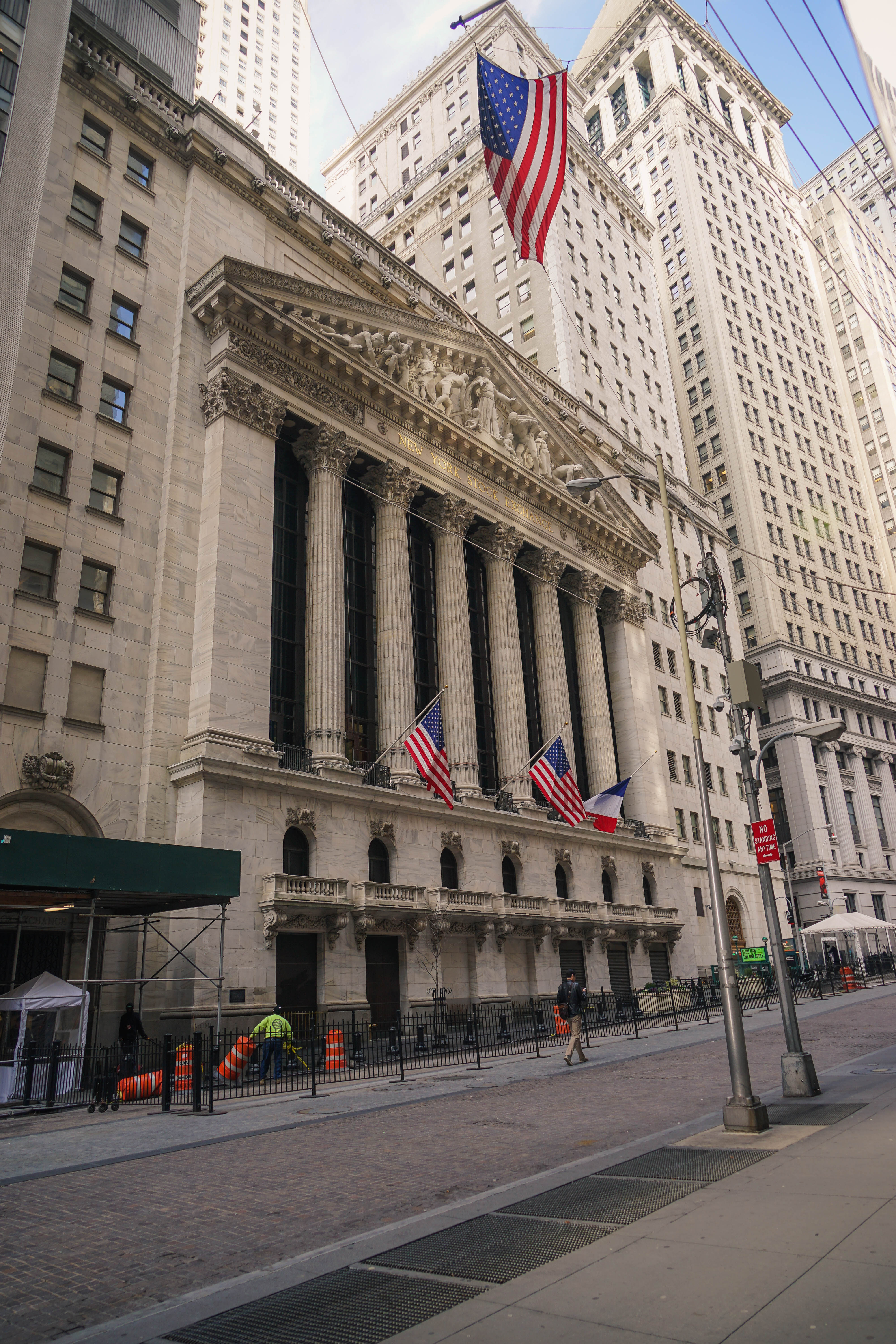
A visit to Wall Street is a journey into the heart of global finance. Even without entering the NYSE, the atmosphere outside is electric, especially during trading hours. The grand Beaux-Arts architecture of the NYSE building itself, with its monumental columns and carved pediment, is a sight to behold. Observing the flow of people—brokers in suits, tourists with cameras, street performers—creates a quintessential New York experience.
Beyond the exchange, the Financial District is rich with other iconic landmarks:
- The Charging Bull Statue: Located just a short walk south of the NYSE in Bowling Green Park, this bronze sculpture by Arturo Di Modica is a powerful symbol of aggressive financial optimism and prosperity. It’s one of New York City’s most photographed attractions.
- The Fearless Girl Statue: Originally placed to face the Charging Bull, this statue has since been moved to face the NYSE directly. It symbolizes female empowerment and the push for gender diversity in corporate leadership, offering a poignant counterpoint to the traditional masculine symbolism of Wall Street.
- Federal Hall National Memorial: Standing opposite the NYSE, this historic building marks the site where George Washington took his oath of office as the first President of the United States. It now serves as a museum, offering insights into early American history and the birth of democracy.
- Trinity Church: A beautiful Gothic Revival church that provides a serene contrast to the towering skyscrapers around it. Its historic graveyard is the final resting place of notable figures like Alexander Hamilton.
- Museum of American Finance: For those keen on delving deeper into the history of finance and the NYSE, this museum offers fascinating exhibits on the United States financial system, entrepreneurs, and markets.
Planning Your Visit to Lower Manhattan
To truly capture the essence of the Financial District, consider timing your visit during the market’s operating hours, particularly in the morning around the opening bell (9:30 AM ET) or in the late afternoon approaching the closing bell (4:00 PM ET). During these times, the area is at its most bustling, with a palpable sense of purpose and excitement.
Navigating Lower Manhattan is easy thanks to New York City’s extensive subway system. Several lines (2, 3, 4, 5, J, Z, R, W) have stations within walking distance of Wall Street, making it accessible from any part of the city. Once there, the district is very walkable, allowing you to easily explore the various landmarks.
A visit to the NYSE can be seamlessly integrated into a larger Lower Manhattan itinerary. After soaking in the financial vibes, you can head further south to catch a ferry to the Statue of Liberty and Ellis Island, or pay your respects at the profoundly moving 9/11 Memorial & Museum. The combination of historical depth, cultural significance, and modern energy makes Lower Manhattan a must-see destination for any traveler.
Accommodation and Lifestyle in the Heart of Finance
For those visiting New York City with an interest in finance, or for business travelers on assignment, staying in or near the Financial District offers unparalleled convenience and a distinct lifestyle experience. The area has transformed significantly, now boasting a diverse range of high-quality accommodation options, from luxurious hotels to stylish serviced apartments.
Hotels for Business and Leisure Travelers
The Financial District is home to some of New York City’s most prestigious hotels, catering to a sophisticated clientele that often includes finance professionals and discerning tourists.
- Luxury Options: For an opulent stay, consider The Wall Street Hotel, which offers refined elegance and exceptional service just steps from the NYSE. Another top-tier choice is the Conrad New York Downtown, known for its spacious suites, art installations, and stunning river views, making it ideal for both business and leisure travel.
- Boutique Stays: If you prefer a more intimate experience, Gild Hall, A Thompson Hotel, combines classic design with modern amenities, reflecting the area’s blend of old-world charm and contemporary flair.
- Mid-Range and Extended Stay: There are also numerous comfortable and well-appointed mid-range hotels offering excellent value, as well as serviced apartments for those planning a longer stay. These options often provide amenities like fully equipped kitchens, laundry facilities, and separate living areas, perfect for extended business trips or family visits.
Many of these hotels are equipped with state-of-the-art business centers, high-speed Wi-Fi, fitness facilities, and fine dining restaurants, ensuring that all needs of a modern traveler are met. Proximity to major transportation hubs also makes exploring other parts of New York City effortless.
Dining and Post-Market Activities
The Financial District transforms after market hours, offering a vibrant scene for dining, networking, and unwinding. The area boasts an impressive array of restaurants, from classic New York steakhouses that have long catered to the financial elite, to trendy new establishments serving diverse international cuisine.
- Upscale Dining: Consider establishments like Delmonico’s, one of New York City’s oldest fine dining restaurants, or The Capital Grille for a quintessential high-end steakhouse experience. These spots are perfect for business dinners or a luxurious evening out.
- Casual Eats and Bars: For more casual fare, numerous cafes, bistros, and food markets provide quick and delicious options. The area’s bars and lounges come alive in the evenings, offering sophisticated settings for a post-work drink or a relaxed gathering with colleagues or friends. Many rooftop bars in the vicinity offer spectacular views of the city skyline and the Hudson River, providing a perfect end to a day of tourism or business.
This blend of professional and leisure lifestyle makes the Financial District an attractive choice for those who appreciate convenience, luxury, and a direct connection to the pulse of New York City’s dynamism.
Integrating the NYSE into Your New York Itinerary
Understanding the NYSE’s hours allows you to strategically place a visit to Wall Street within your broader New York City travel plans, maximizing both your engagement with the financial world and your exploration of surrounding attractions.
A Day in Lower Manhattan
A highly recommended approach is to dedicate a full day to Lower Manhattan. Start your morning by arriving in the Financial District around 9:00 AM ET. This allows you to experience the pre-market buzz and the exciting atmosphere leading up to the opening bell at 9:30 AM ET. Take photos of the NYSE building, the Charging Bull, and the Fearless Girl statues, and soak in the energy of this historic area.
After experiencing the market’s opening, you can then delve into the rich history of the area. Visit Federal Hall National Memorial and Trinity Church. For lunch, explore the diverse culinary scene, from quick bites at a food hall to a more leisurely meal at a sophisticated restaurant. In the afternoon, you could visit the profound 9/11 Memorial & Museum or take a ferry from Battery Park to the Statue of Liberty and Ellis Island. Finishing your day in Lower Manhattan with dinner or drinks at a rooftop bar can provide spectacular sunset views over the Hudson River and New Jersey, rounding off an unforgettable day of tourism and discovery.
Guided Tours and Local Insights
To gain a deeper understanding of Wall Street and its historical significance, consider joining one of the many guided walking tours available in the Financial District. These tours are often led by knowledgeable locals, sometimes even former financial professionals, who can provide fascinating anecdotes and historical context that you might otherwise miss. They can explain the architectural details, the stories behind the landmarks, and the impact of the NYSE on global economics and culture. These tours are an excellent way to get local insights and truly immerse yourself in the unique narrative of this powerful corner of New York City. They offer a valuable perspective, enriching your travel experience beyond simply observing the buildings.
By thoughtfully planning your visit around the NYSE’s operating hours and utilizing the wealth of information available, you can transform a simple sightseeing trip into an engaging exploration of one of the world’s most influential financial centers.
In conclusion, while the trading floor of the New York Stock Exchange may no longer be a public spectacle, its influence and the captivating energy of its surroundings are undeniable. Knowing that the NYSE opens at 9:30 AM ET and closes at 4:00 PM ET on weekdays empowers you to plan a visit that captures the dynamic essence of Wall Street. From the bustling mornings to the historical landmarks and world-class accommodation in the Financial District, a trip centered around this global financial icon offers a rich and rewarding travel experience. Whether you’re there for business or pleasure, the pulse of the NYSE is a defining feature of any memorable journey to New York City.
LifeOutOfTheBox is a participant in the Amazon Services LLC Associates Program, an affiliate advertising program designed to provide a means for sites to earn advertising fees by advertising and linking to Amazon.com. Amazon, the Amazon logo, AmazonSupply, and the AmazonSupply logo are trademarks of Amazon.com, Inc. or its affiliates. As an Amazon Associate we earn affiliate commissions from qualifying purchases.