
The Lone Star State, with its vast landscapes, rich history, and fiercely independent spirit, often prompts a unique question: Is Texas a state or a country? While unequivocally a state within the United States of America, its history and cultural identity have fostered a sense of distinct nationhood that resonates deeply with its residents and intrigues visitors. This exploration delves into the historical, cultural, and symbolic dimensions that contribute to this persistent perception, offering insight into the enduring allure of Texas as more than just another destination.
A Brief History of Sovereignty
Texas’s unique position stems from its dramatic past, a narrative arc that includes a period of independent nationhood. Understanding this history is crucial to appreciating why the “state or country” query arises so frequently.
The Republic of Texas
From 1836 to 1845, Texas existed as an independent republic. Following the Texas Revolution against Mexico, Texans declared their independence and established their own government. The Republic of Texas was recognized by several nations, including the United States, France, and the United Kingdom. This period of sovereignty, though relatively short, left an indelible mark on the Texan psyche. The very idea of having once been a separate nation fuels a distinctive sense of pride and self-governance.
Annexation and Statehood
In 1845, after much debate and political maneuvering, Texas was annexed by the United States, becoming the 28th state. This accession was not without controversy, as it was a primary catalyst for the Mexican-American War. Despite becoming a part of the U.S., the memory of independence persisted, influencing Texas’s relationship with the federal government and its own internal cultural development. The terms of annexation itself were unique, allowing Texas to retain control over its public lands, a significant departure from other states. This retained autonomy continues to play a role in the state’s unique governance and identity.
The Persistent Myth
The historical reality of Texas‘s sovereignty, coupled with its immense size and distinct cultural characteristics, has allowed the notion of it being a “country” to persist as a cultural meme, a point of pride, and a rhetorical device. Texans often refer to their state in terms of its sheer scale, its economic power, and its unique way of life, which can sometimes feel like a world apart from other regions of the United States. This is not to say that Texans genuinely believe they are a separate nation in a legal or political sense, but rather that the spirit of independence and the legacy of their nationhood are powerful cultural forces.
The Culture of “Texan-ness”
Beyond its historical roots, Texas boasts a vibrant and distinct culture that sets it apart. This “Texan-ness” is a complex tapestry woven from diverse influences, each contributing to the state’s unique identity.
Distinctive Identity and Pride
Texans often exhibit a deep-seated pride in their state. This pride is not necessarily nationalistic in the traditional sense, but rather a profound appreciation for their heritage, their landscapes, and their way of life. It manifests in everything from local slang and culinary traditions to a strong emphasis on self-reliance and community. This intense loyalty fosters a perception of being distinct, often leading to comparisons that position Texas as a world of its own.
Culinary Traditions
The Texan culinary landscape is a testament to its history and its diverse population. From the smoky richness of Texas barbecue and the fiery zest of Tex-Mex cuisine to the burgeoning farm-to-table movement, food is a central pillar of Texan identity. Each dish tells a story of migration, adaptation, and local bounty. For visitors, exploring the culinary scene is an essential part of understanding the state’s character. Whether you’re savoring a slow-smoked brisket in Lockhart or indulging in enchiladas in San Antonio, the food provides an authentic taste of Texan heritage.
Music and Arts
Texas has a rich musical heritage, from the honky-tonks of Austin to the conjunto music of South Texas. Genres like Texas blues, country music, and Western swing have deep roots in the state and have influenced American music for generations. The arts scene is equally robust, with renowned museums, galleries, and performance spaces across the state, showcasing both established and emerging artists. Events like the Austin City Limits Music Festival draw global attention, highlighting the state’s significant cultural contributions.
The “Everything’s Bigger in Texas” Mentality
This popular adage is more than just a catchy phrase; it reflects a genuine aspect of the Texan ethos. From the sprawling ranches and towering skylines of Dallas to the sheer geographical vastness of the state, size is an undeniable characteristic. This mindset extends to ambition, hospitality, and even the scale of its celebrations. This perception of immensity can contribute to the feeling that Texas operates on a different scale, almost as a self-contained entity.
Texas as a Travel Destination
The notion of Texas as a separate entity also influences how it is perceived and experienced as a travel destination. Its sheer diversity offers a multitude of attractions, catering to a wide array of interests.
Diverse Landscapes and Attractions
Texas is a land of incredible geographical variety. Visitors can explore the rugged beauty of the Big Bend National Park, with its dramatic desert vistas and mountain ranges, or relax on the sun-drenched beaches of the Gulf Coast. The piney woods of East Texas offer a different kind of natural splendor, while the rolling hills of the Texas Hill Country provide picturesque scenery and charming small towns. Each region presents a distinct travel experience, showcasing the state’s expansive appeal.
Major Cities and Urban Experiences
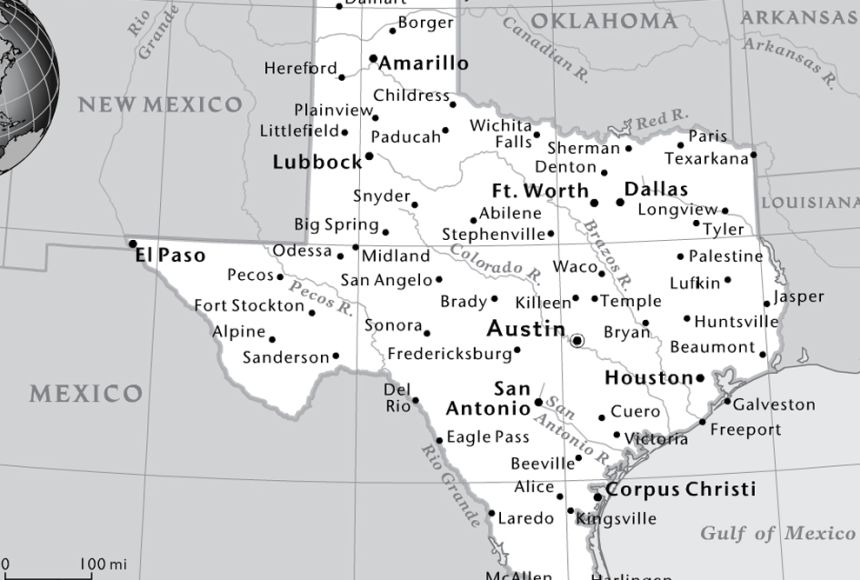
The major metropolitan areas of Texas are hubs of culture, commerce, and entertainment. Houston, the largest city in Texas, boasts a world-class culinary scene, the Space Center Houston, and a vibrant arts district. Dallas is renowned for its sophisticated shopping, its influential business sector, and its rich historical sites, including the Sixth Floor Museum at Dealey Plaza. Austin, the state capital, is celebrated for its live music scene, its progressive culture, and its outdoor recreational opportunities. San Antonio offers a unique blend of Texan and Mexican heritage, most famously embodied by the Alamo and the San Antonio River Walk.
Historical Landmarks and Museums
The state is steeped in history, with numerous landmarks and museums that tell the story of its past. The Alamo, a symbol of Texan valor, is a must-visit for anyone seeking to understand the state’s fight for independence. Other significant sites include the Texas State Capitol in Austin, the Sixth Floor Museum at Dealey Plaza in Dallas (dedicated to the assassination of President John F. Kennedy), and the San Jacinto Monument, commemorating the decisive battle of the Texas Revolution. These sites offer tangible connections to the pivotal moments that shaped Texas.

The Enduring Allure
The question “Is Texas a state or a country?” is less about a literal political status and more about the enduring power of identity, history, and culture. Texas has successfully cultivated a unique brand that resonates with its inhabitants and captivates the imagination of those beyond its borders. It’s a place where history feels palpable, where culture is celebrated with gusto, and where the spirit of independence, born from a period of true nationhood, continues to thrive. This rich tapestry of experiences makes Texas not just a destination, but a multifaceted entity that invites exploration and understanding, challenging perceptions and leaving a lasting impression. Its unique journey from independent republic to a powerful state within the United States has cemented its place in the American narrative, while its distinct cultural fabric ensures it remains a compelling subject of fascination and discussion.
LifeOutOfTheBox is a participant in the Amazon Services LLC Associates Program, an affiliate advertising program designed to provide a means for sites to earn advertising fees by advertising and linking to Amazon.com. Amazon, the Amazon logo, AmazonSupply, and the AmazonSupply logo are trademarks of Amazon.com, Inc. or its affiliates. As an Amazon Associate we earn affiliate commissions from qualifying purchases.