
The sheer size of the United States is often taken for granted, but within its borders lie vast landscapes and territories that captivate the imagination. Among the most frequently pondered comparisons regarding spatial dimensions is the question: Is Texas bigger than Alaska? For anyone planning travel or simply curious about the geography of these remarkable states, the answer is a resounding and unequivocal no. Alaska, often referred to as “The Last Frontier,” dwarfs Texas in every measurable aspect of landmass and total area. This fundamental difference sets the stage for distinct travel experiences, diverse ecosystems, and unique cultural landscapes that appeal to different types of adventurers and explorers.
From rugged mountains and ancient glaciers to sprawling deserts and sun-drenched coastlines, both Texas and Alaska offer immense opportunities for discovery. Understanding their respective scales is key to appreciating the types of destinations, attractions, and accommodations one can expect in each. Whether you’re a seasoned traveler seeking an extreme wilderness experience or a family looking for a blend of urban excitement and natural beauty, the sheer magnitude of these states profoundly shapes their tourism offerings and the lifestyle they represent.
The Uncontestable Truth: Alaska Reigns Supreme
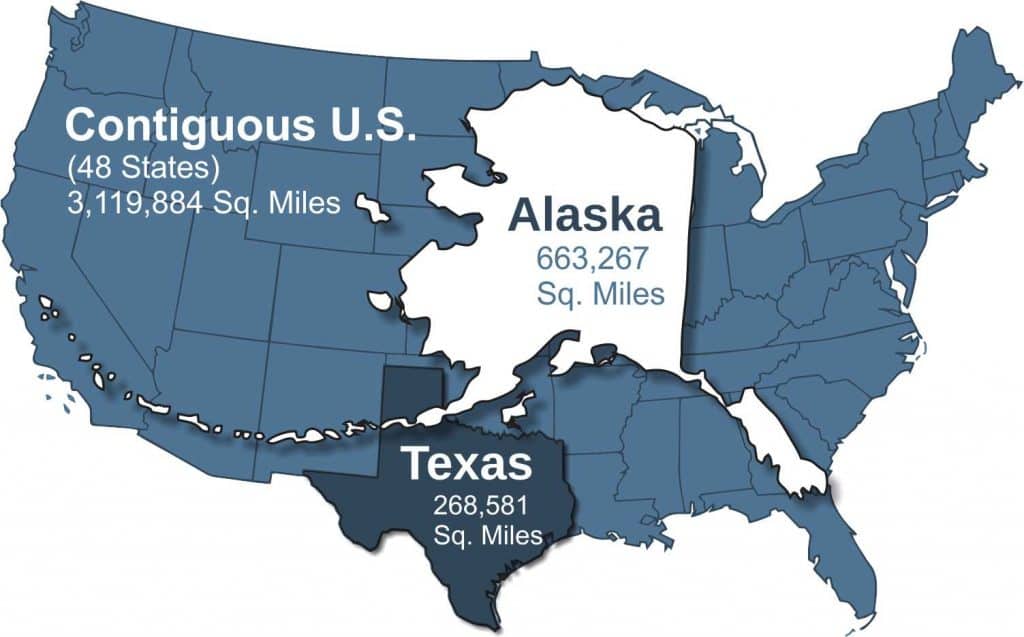
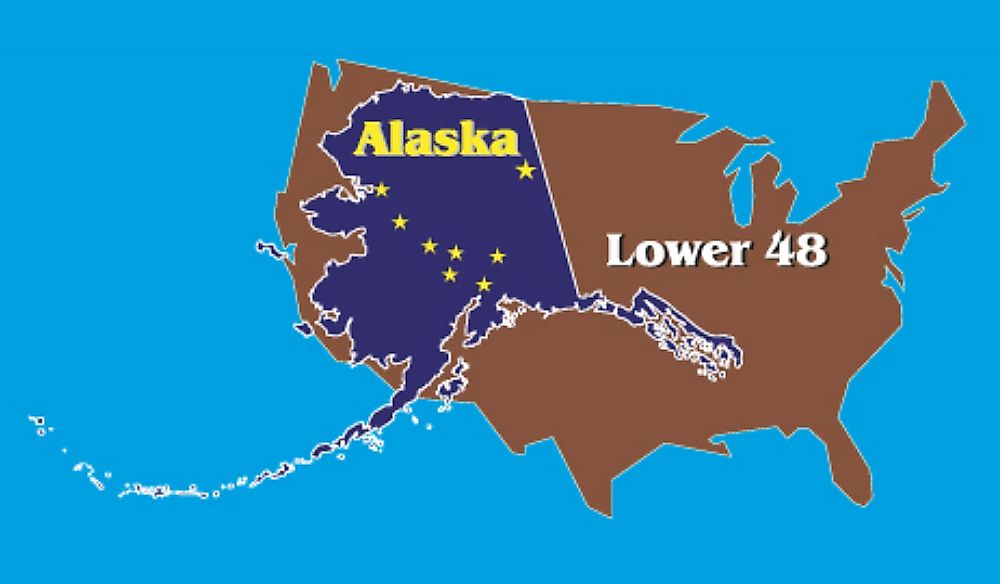
Let’s put the geographic comparison to rest right from the start. Alaska is, without a doubt, the largest state in the United States by a significant margin. Its colossal size often surprises those who haven’t seen it represented accurately on a map.
A Striking Numerical Difference
To grasp the scale, consider the numbers:
- Alaska’s Total Area: Approximately 665,384 square miles (1,723,337 square kilometers).
- Texas’s Total Area: Approximately 268,596 square miles (695,662 square kilometers).
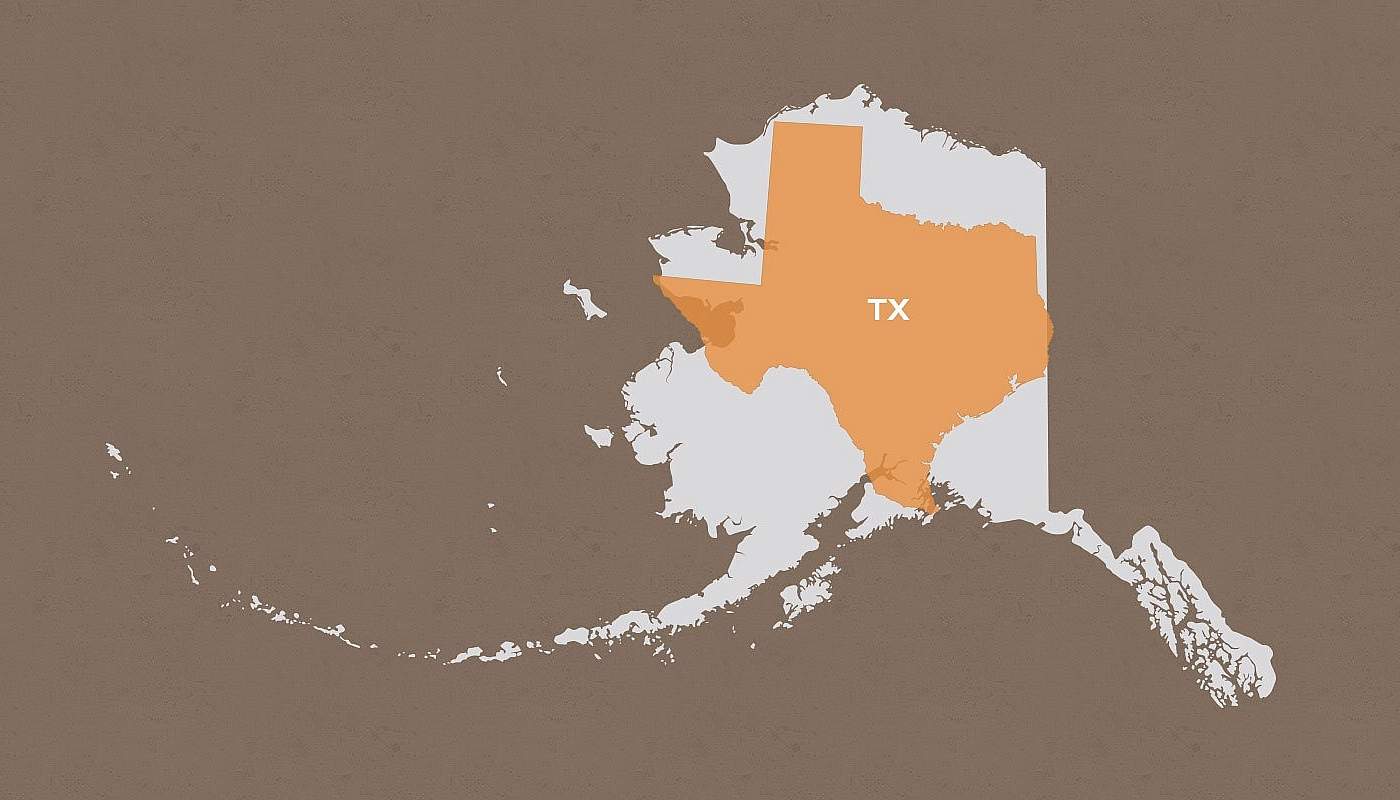
This means Alaska is roughly 2.5 times larger than Texas. To put it into even more striking perspective, if Texas were placed within Alaska, it would occupy only a fraction of its total territory. In fact, you could fit Texas, plus the states of California and Montana, inside Alaska, and still have room to spare. This immense size dictates everything from infrastructure development to wildlife preservation, making Alaska an unparalleled destination for those seeking true wilderness and vast, untouched landscapes.
Coastlines That Tell a Story
The difference in size extends far beyond landmass to the length of their respective coastlines, which profoundly impacts their natural attractions and tourism. Alaska boasts an astonishing 33,904 miles (54,563 km) of coastline, including islands, bays, and inlets. This includes significant stretches along the Pacific Ocean, Arctic Ocean, and the Bering Sea. This extensive coastline is a critical factor in Alaska’s identity as a premier destination for cruises, marine wildlife viewing, and remote fishing expeditions. From the rugged fjords of Kenai Fjords National Park to the remote shores of the Aleutian Islands and Kodiak Island, the Alaskan coast is a world unto itself.
Texas, while significantly smaller, also possesses a substantial coastline along the Gulf of Mexico, spanning approximately 367 miles (591 km) of barrier islands and mainland shore. When including bays and inlets, this figure extends to over 3,300 miles. This coastline offers a different kind of charm, with sandy beaches, lively resort towns like South Padre Island, and significant wetlands that are crucial for migratory birds. While not as rugged or expansive as Alaska’s, the Texas coast is a popular destination for beach holidays, fishing, and watersports, providing a stark contrast to the glacial fjords of the far north.
Geographic Diversity and Landscapes
The sheer size of both states naturally leads to incredible geographic diversity. However, the nature of this diversity varies dramatically, offering distinctly different types of travel experiences.
Alaska: A Wilderness Untamed
Alaska’s landscapes are largely defined by their pristine, often harsh, and undeniably majestic wilderness. The state is home to 17 of the 20 highest peaks in the United States, including Denali (formerly Mount McKinley), the tallest mountain in North America, soaring to 20,310 feet within Denali National Park and Preserve. The Alaska Range, Chugach Mountains, and Brooks Range dominate vast regions, carved by millennia of glacial activity.
Key Natural Landmarks and Attractions:
- Glaciers and Fjords: Alaska is a land of ice and water. Iconic glaciers like the Hubbard Glacier, one of the most active tidewater glaciers, and the accessible Mendenhall Glacier near Juneau draw millions. The fjords of the Inside Passage and Kenai Fjords National Park offer breathtaking cruises where visitors can witness calving glaciers and abundant marine life.
- Tundra and Forests: Beyond the mountains, immense stretches of tundra characterize the northern regions, especially north of the Arctic Circle. The interior and south-central parts of the state are covered in boreal forests, providing habitats for a diverse range of wildlife.
- National Parks: Alaska is home to eight national parks, including Wrangell-St. Elias National Park and Preserve, the largest national park in the United States, which is larger than nine U.S. states. These parks are prime destinations for hiking, wildlife viewing (bears, moose, caribou, wolves), fishing, and backcountry exploration.
- Volcanoes: The Aleutian Islands are part of the Pacific Ring of Fire, featuring numerous active volcanoes, adding another layer of dramatic geological interest.
For travelers, Alaska is the ultimate destination for adventure tourism. Think multi-day backpacking trips, remote fishing lodges reachable only by bush plane, heli-skiing, glacier trekking, and wildlife photography safaris. Accommodation often leans towards wilderness lodges, rustic cabins, and high-end resorts designed to integrate with the natural surroundings. Cruising is also a prominent form of travel, offering comfortable ways to see coastal landmarks without daily packing and unpacking.
Texas: The Grand Tapestry of the Southwest
Texas, while lacking the glaciers and arctic tundra of Alaska, boasts an astonishing array of landscapes that belie its perception as merely a flat, arid state. Its diverse topography ranges from arid deserts to lush forests, rolling prairies, and a vibrant coastal plain.
Key Natural Landmarks and Attractions:
- Mountains and Deserts: In West Texas, the landscape is dominated by the Chihuahuan Desert and several mountain ranges, including the Guadalupe Mountains, home to Guadalupe Peak, the highest point in Texas. Big Bend National Park, a crown jewel, offers rugged mountains, deep canyons, and expansive desert vistas, perfect for hiking, stargazing, and river trips along the Rio Grande.
- Canyons and Plateaus: The Panhandle region is home to Palo Duro Canyon State Park, the second-largest canyon in the United States, often called the “Grand Canyon of Texas.” The Edwards Plateau, or Texas Hill Country, features rolling hills, spring-fed rivers, and abundant wildflowers, making it a popular destination for scenic drives, wine tasting, and outdoor recreation.
- Forests and Prairies: East Texas is characterized by the “Piney Woods,” a dense forest region that extends into Louisiana and Arkansas, offering a stark contrast to the desert west. Central Texas and northern areas are dominated by prairies and agricultural lands.
- Coastline and Islands: Along the Gulf of Mexico, Padre Island National Seashore protects the longest undeveloped barrier island in the world, a crucial habitat for sea turtles and migratory birds, offering opportunities for birdwatching, fishing, and beach camping.
Travelers to Texas can embark on diverse road trips, from exploring the natural wonders of the desert parks to enjoying the laid-back charm of the Hill Country wineries or the vibrant beaches of the Gulf Coast. Accommodation options are as varied as the landscape, including luxury resorts, charming bed and breakfasts, rustic cabins, and extensive camping facilities.
Climate, Culture, and Lifestyle
The vast differences in size and geography between Alaska and Texas are further amplified by their distinct climates, shaping their unique cultures and lifestyles, which in turn influence tourism and accommodation choices.
Alaska’s Extreme Beauty and Frontier Spirit
Alaska experiences a wide range of climates, from maritime in the south-central and southeastern regions to subarctic and arctic in the interior and northern parts. This leads to dramatic seasonal variations. Summers are characterized by long daylight hours, often referred to as the “midnight sun,” with temperatures ranging from 60s to 80s Fahrenheit (15-27°C). Winters are long, cold, and dark, especially above the Arctic Circle, with temperatures often well below freezing.
Cultural and Lifestyle Impacts:
- Outdoor Adventure Focus: The climate and geography foster a lifestyle deeply connected to the outdoors. Hunting, fishing, hiking, and winter sports are not just hobbies but often essential parts of daily life.
- Sparse Population: With a population of around 730,000 spread across an enormous landmass, Alaska is the least densely populated state. This contributes to its frontier spirit and a strong sense of independence.
- Indigenous Heritage: Alaska has a rich indigenous heritage, with numerous Native Alaskan cultures, including Inupiaq, Yup’ik, Aleut, Tlingit, Haida, and Tsimshian peoples. Their traditions, art, and way of life are integral to the state’s cultural fabric, particularly evident in cities like Anchorage and Juneau, and remote villages across the Yukon-Kuskokwim Delta.
- Key Cities: Anchorage, the largest city, serves as a hub for air travel and tourism. Juneau, the capital, is uniquely accessible primarily by air or sea due to surrounding mountains. Fairbanks is the gateway to the Arctic and famous for Northern Lights viewing.
Tourism in Alaska is highly seasonal, with the peak summer months (June-August) attracting most visitors for wildlife tours, cruises, and hiking. Winter tourism focuses on aurora borealis viewing, dog mushing, and ice carving festivals. Accommodation often ranges from luxury wilderness lodges that offer curated experiences to comfortable hotels in urban centers. Many visitors also opt for cruise ships, which provide floating hotels and guided excursions.
Texas’s Diverse Warmth and Southern-Western Blend
Texas’s climate is as varied as its landscapes, ranging from arid in the west to humid subtropical in the east and along the coast. Summers are typically hot and often humid across much of the state, while winters are generally mild, especially in the southern regions.
Cultural and Lifestyle Impacts:
- Vibrant Metropolitan Areas: In stark contrast to Alaska’s sparse population, Texas is home to some of the largest and fastest-growing cities in the United States. Houston, Dallas, Austin, and San Antonio are major economic, cultural, and tourism hubs.
- Rich Cultural Tapestry: Texas’s culture is a fascinating blend of Southern hospitality, Western grit, and strong Mexican and German influences, especially evident in its cuisine (BBQ, Tex-Mex), music (country, blues, Tejano), and architecture.
- Diverse Lifestyle Offerings: From the cosmopolitan high-rises of Dallas and Houston to the live music scene in Austin and the historic charm of San Antonio, Texas offers a wide array of lifestyles and visitor experiences.
- Iconic Landmarks: Historic sites like The Alamo and the San Antonio River Walk are famous. Space Center Houston is a major attraction, and in Dallas, the Sixth Floor Museum at Dealey Plaza offers a profound historical perspective.
Tourism in Texas is less seasonal than in Alaska, with attractions catering to visitors year-round. While summers can be very hot, many indoor attractions and water-based activities are popular. Spring and fall offer ideal weather for outdoor exploration. Accommodation options range from grand luxury hotels and resorts in major cities to quaint boutique hotels in historic districts, family-friendly resorts on the coast, and charming vacation rentals in the Hill Country.
Planning Your Travel: An Experience Comparison
For travelers, the choice between Alaska and Texas isn’t about which is “better” but about what kind of experience you seek. Both offer immense opportunities, but they cater to very different travel styles and preferences.
The Alaskan Adventure: Embracing the Wild
Traveling to Alaska is often seen as an expedition. It requires planning, a willingness to engage with nature, and an appreciation for vast, unspoiled landscapes.
- Best Time to Visit: Summer (June-August) for wildlife viewing, fishing, hiking, and cruises. Winter (September-April) for Northern Lights, skiing, and unique winter activities.
- Transportation: While there are major airports in Anchorage and Fairbanks, much of the state is inaccessible by road. Bush planes are common for reaching remote lodges, and the Alaska Marine Highway System offers ferry services along the coast. Cruises are a popular way to see the Inside Passage and Gulf of Alaska.
- Accommodation: Ranges from luxurious wilderness lodges that offer all-inclusive guided tours to comfortable hotels in cities like Anchorage and Fairbanks. Remote cabins and fishing camps are popular for adventure travelers. Resorts focused on specific activities, such as skiing or wildlife photography, are also available.
- Experiences: Cruising the Inside Passage, bear viewing in Katmai National Park, flightseeing over Denali, glacier trekking, deep-sea fishing, dog sledding, and hunting for the Aurora Borealis. It’s a journey for those who relish the monumental scale of nature and raw adventure.
The Texan Journey: Culture, History, and Diverse Fun
A trip to Texas can be a multi-faceted exploration, combining bustling city breaks with natural escapes and cultural immersion.
- Best Time to Visit: Spring (March-May) and Fall (September-November) offer the most pleasant weather for outdoor activities and festivals. Summers are hot but ideal for coastal trips and indoor attractions.
- Transportation: Primarily by car, as Texas is built for road trips. Major airports in Houston, Dallas, Austin, and San Antonio provide easy access.
- Accommodation: A vast selection, from world-class luxury hotels and renowned resorts in major cities to charming bed and breakfasts in the Hill Country or historic hotels in San Antonio. Beach resorts along the Gulf Coast offer family-friendly options, and campgrounds are plentiful in state and national parks.
- Experiences: Exploring the vibrant food scenes of Austin and Houston, delving into history at The Alamo, enjoying live music on Austin’s Sixth Street, visiting Space Center Houston, hiking in Big Bend National Park, or relaxing on the beaches of South Padre Island. Texas offers a compelling blend of urban sophistication, historical depth, and natural beauty.
Conclusion
The question “Is Texas bigger than Alaska?” is definitively answered by geography: Alaska is the undisputed giant, more than twice the size of the Lone Star State. This foundational difference in scale gives rise to profoundly divergent environments, climates, cultures, and ultimately, travel experiences.
Alaska stands as a monument to raw, untamed wilderness, offering unparalleled opportunities for adventurers to immerse themselves in majestic mountains, ancient glaciers, and abundant wildlife under the midnight sun or the Northern Lights. It is a destination that demands a certain rugged spirit and rewards with awe-inspiring natural spectacles and a sense of true escape.
Texas, while smaller, counters with an incredible array of diverse landscapes, from desert mountains to pine forests and Gulf Coast beaches, all infused with a rich tapestry of cultural influences. Its vibrant cities, deep historical roots, and varied recreational opportunities make it a destination that can satisfy urban explorers, foodies, history buffs, and nature lovers alike.
Ultimately, both Alaska and Texas are phenomenal states, each offering a vast world of discovery within its borders. While one claims the title of the largest, both provide boundless horizons for travelers to explore, demonstrating that size, while important, is only one aspect of what makes a destination truly unforgettable. Whether you seek the grandeur of glacial fjords or the charm of a Hill Country vineyard, both states promise adventures on a truly grand scale.
LifeOutOfTheBox is a participant in the Amazon Services LLC Associates Program, an affiliate advertising program designed to provide a means for sites to earn advertising fees by advertising and linking to Amazon.com. Amazon, the Amazon logo, AmazonSupply, and the AmazonSupply logo are trademarks of Amazon.com, Inc. or its affiliates. As an Amazon Associate we earn affiliate commissions from qualifying purchases.